The Langtang trekking route offers an accessible Himalayan experience, providing exceptional rewards because it remains unknown to most people. The Langtang Valley trek, which starts from Kathmandu, leads trekkers through ancient forests, traditional Tamang villages, and high-altitude pastures, offering dramatic views of the surrounding mountains. The Langtang Valley trekking path provides trekkers with a tranquil outdoor experience, which lets them observe the local environment and cultural heritage of the area. The guide provides all essential information for first-time trekkers and experienced hikers who want to discover new hiking paths by detailing route information and cost estimates, essential tips, permit requirements, and optimal hiking seasons.
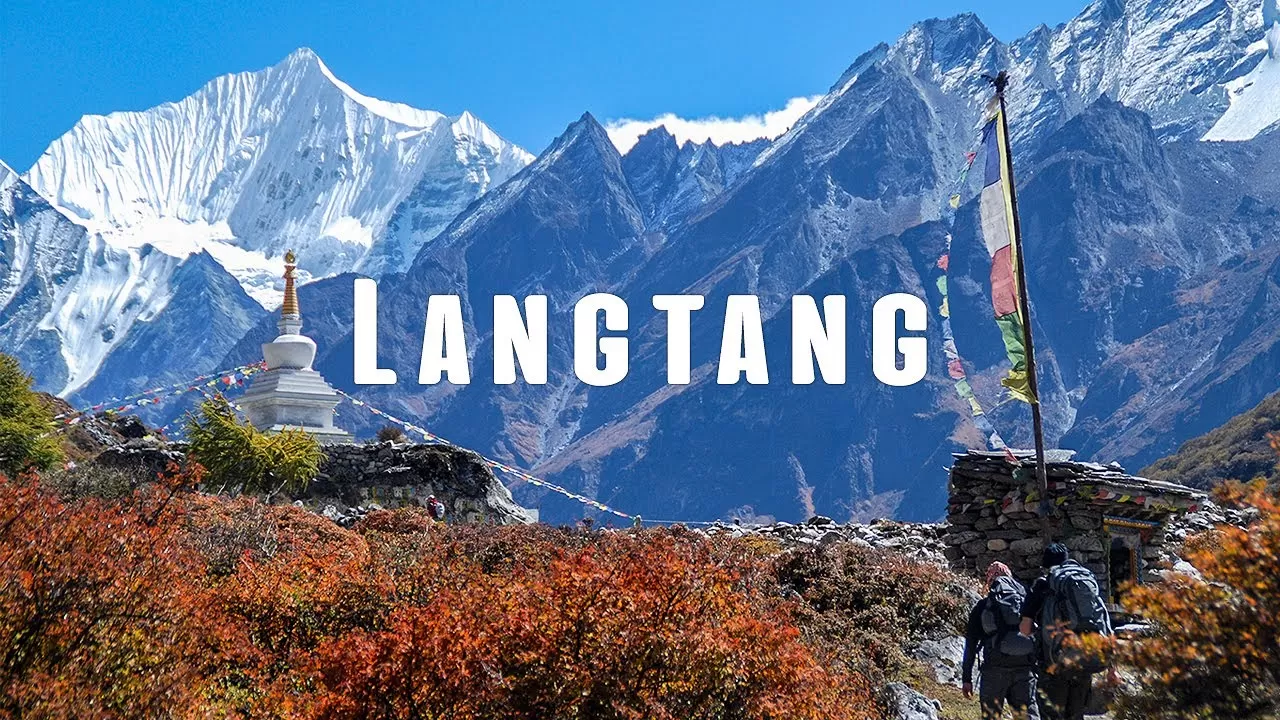
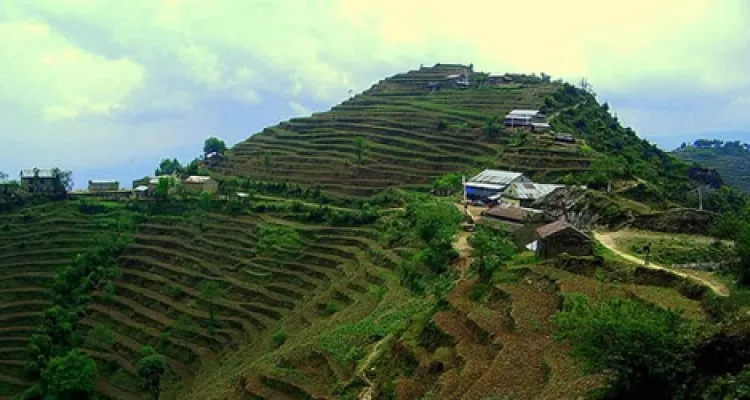
The Langtang trekking route in Nepal exists as a well-known traditional trekking path of the country. The Langtang trekking route goes through traditional ethnic villages and untouched forests on the way to the peaks of Langtang-Lirung. The Langtang treks main attractions include the Langtang Valley Kyangin Gompa, Langtang Gompa, and alpine meadows with yaks and the Langtang Lirung Glacier.
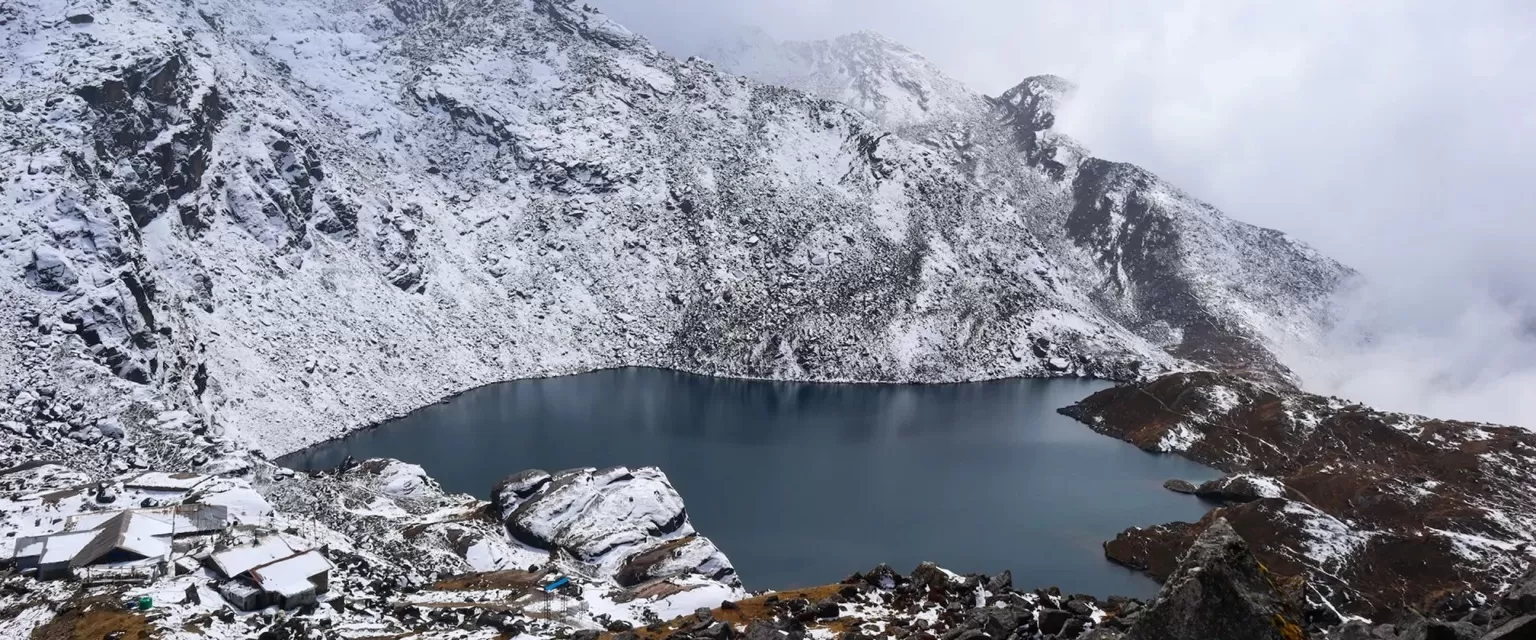
On the Langtang trek, you can also climb to the Lang Sisa Peak and visit Lake Gosaikunda, which is near this trek. In summer each year, the valley floor and alpine slopes of Langtang bloom profusely with primula, poppy, and other alpine flowers that make the trek more exciting and memorable. Langtang trekking is the name given to the treks from the name of the Langtang Valley in central Nepal. Langtang is a narrow valley lying south of the Tibetan border. The valley lies between the main Himalaya range to the north and small snowy peaks to the south. For this trek, you catch a bus to Syabrubeshi via Trishuli Bazaar and Dhunche. Syabrubeshi is the trekking starting place.
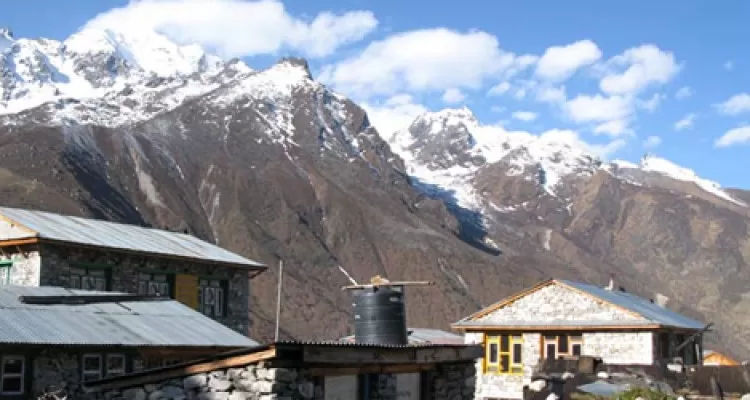
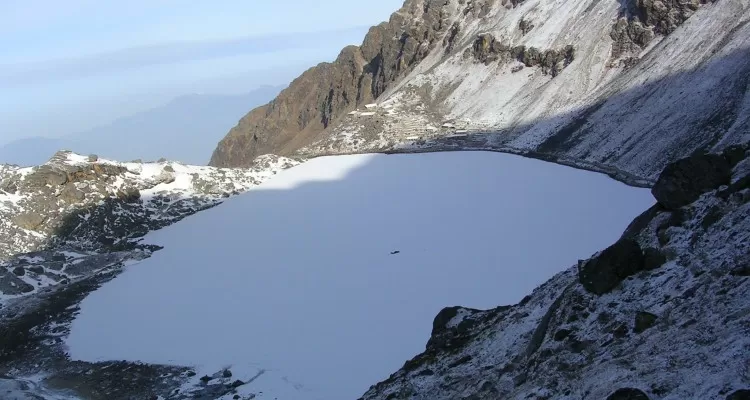
The important mountains in the Langtang trekking are Langtang Lirung (7246 m), Gang Chhenpo (6388 m), Naya Kangri (5846 m), and Dorje Lakpa (6966 m). Other mountains like Himchuli, Manaslu, and Ganesh Himal, as well as the Shishapangma mountain of Tibet, are also seen from some parts of the Langtang trek. Just next to Langtang Valley is the beautiful Gosainkunda Lake, also an important Hindu pilgrimage site. Gosainkunda is also a popular trekking spot. From Gosainkunda, the Helambu trek is closer. They are just separated by a mountain pass. Helambu is a culturally rich Sherpa settlement and easily accessible from Kathmandu on a half-day drive. Langtang, Gosainkunda, and Helambu are independent treks on their own, but they can be combined as one single trekking route, from one week to 15 days long.
Where is Langtang Valley?
The Langtang Valley extends from Kathmandu for 51 kilometers to its northernmost point, which serves as the nearest major trekking area from the city center. The area exists within Langtang National Park, which stands as Nepal's fourth largest national park while being the highest national park on earth, as it protects more than 1,710 square kilometers of unspoiled Himalayan wilderness. The valley runs along Nepal's northern border with Tibet, which gives it a distinct Tibetan cultural character you won't find in other trekking regions. The region experiences extreme elevation changes because of its location, which results in two different climates that range from subtropical forests at lower elevations to glaciers and high alpine meadows at higher elevations. The trailhead town of Syabrubesi is easily reachable from Kathmandu by a 7-8 hour drive, making the Langtang trek in Nepal one of the most logistically simple to begin.
Why Choose Langtang Trekking?
Trekkers continue to prefer the Langtang trek because they find multiple advantages that this route provides beyond its better-known paths.
- The trailhead becomes accessible through a single road journey, which takes you from Kathmandu without needing any domestic flights.
- The Langtang area has fewer visitors than both the Everest Base Camp and the Annapurna Circuit, which enables you to experience the natural surroundings without interruption.
- The complete expenses decrease because all costs from permits to accommodation and food along the trail cost less than standard prices.
- The Tamang people, who practice their Tibetan-based traditions, create an authentic cultural experience that enriches the travel experience.
- The landscape presents breathtaking views, which include rhododendron forests, rushing rivers, and glacier-carved peaks that match the beauty of all Himalayan areas.
Best Time for Langtang Trekking
The choice of the right season influences your Langtang trekking experience immensely.
Spring (March–May): This is one of the two peak seasons. The trails display blooming rhododendrons while the weather remains mild and the mountain scenery remains perfectly visible. The conditions are ideal for capturing photographs and observing wildlife.
Autumn (September–November): The dual monsoon season serves as the second peak trekking period for Lantang Valley. The post-monsoon period delivers the most transparent skies, which allow observers to see distant mountain peaks while breathing pure, untainted air. The time period between these dates represents the optimal period for trekking in the Langtang region.
Winter (December–February): The weather remains cold, and snowy conditions persist in areas above 3000 meters. Some tea houses may be closed. Winter trekkers who possess advanced skills will discover empty trails and beautiful snow-covered landscapes.
Monsoon (June–August): This time period presents the highest level of difficulty that exists in this world. The path conditions become hazardous because of the intense rainfall, which decreases visibility. The lower areas of the area contain a widespread presence of leeches. The valley becomes green and lush, but this path remains unsuitable for most trekkers.
Difficulty Level: Is Langtang Trekking Hard?
Trekking the Langtang path presents moderate challenges, which enable first-time trekkers to walk the path through Nepal. The following explanation shows the practical implementation of this concept:
- Participants need no technical climbing skills because they require no special equipment.
- Participants will walk for 5 to 7 hours each day with a comfortable walking speed.
- The itinerary provides standard elevation gains that travelers can handle through proper acclimatization.
- Hikers can reach their highest sleeping elevation at Kyanjin Gompa, which stands at 3,870 meters, because they can hike to higher altitudes during day trips.
Basic fitness abilities, together with dedicated training efforts, represent the complete requirements for people who want to complete this trek. Body control through proper movement forms the essential element that needs to be achieved for successful results. Your body needs time to recover from climbing activities; therefore, you should avoid hurrying up the mountain.
Permits Required for Langtang Trekking
Visitors to Langtang National Park need to obtain entry permits, which they can find at two locations in Kathmandu and one park entrance at Dhunche. Fees are NRs. 100 for Nepali, NRs. 1,500 for SAARC nationality, and NRs. 3,000 for foreigners. Children below 10 years enter free of Nepal visitors only.
All trekkers in Nepal must carry a TIMS (Trekkers' Information Management System) card as their mandatory identification. Individual trekkers can obtain the permit from the Nepal Tourism Board office in Kathmandu, while group trekkers must acquire it through a registered trekking agency. The cost is approximately USD 10 to 20, which depends on your choice between independent trekking and agency-guided trekking.
The government of Nepal requires trekkers to use registered guides for all trekking routes, which include Langtang under the recent trekking regulations. The system protects users while creating job opportunities for residents.
Culture and People: The Tamang Heritage
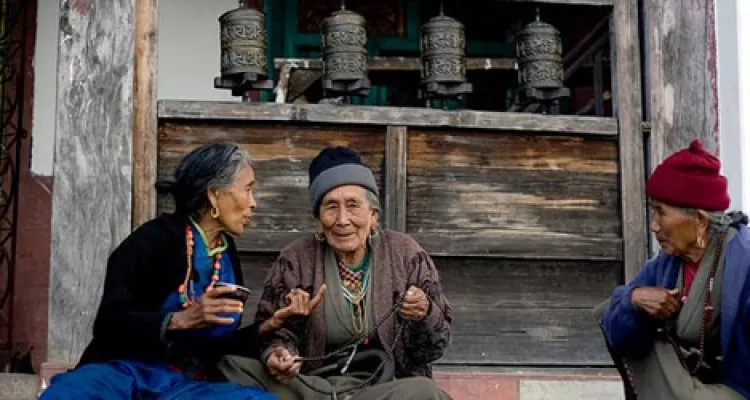
The most rewarding element of the Langtang trek provides visitors with authentic experiences of local culture. The Tamang people, who constitute the indigenous population of the valley, maintain strong connections to their Tibetan Buddhist heritage. The people have developed unique cultural, linguistic, architectural, and traditional systems, which are based on their mountain environment.
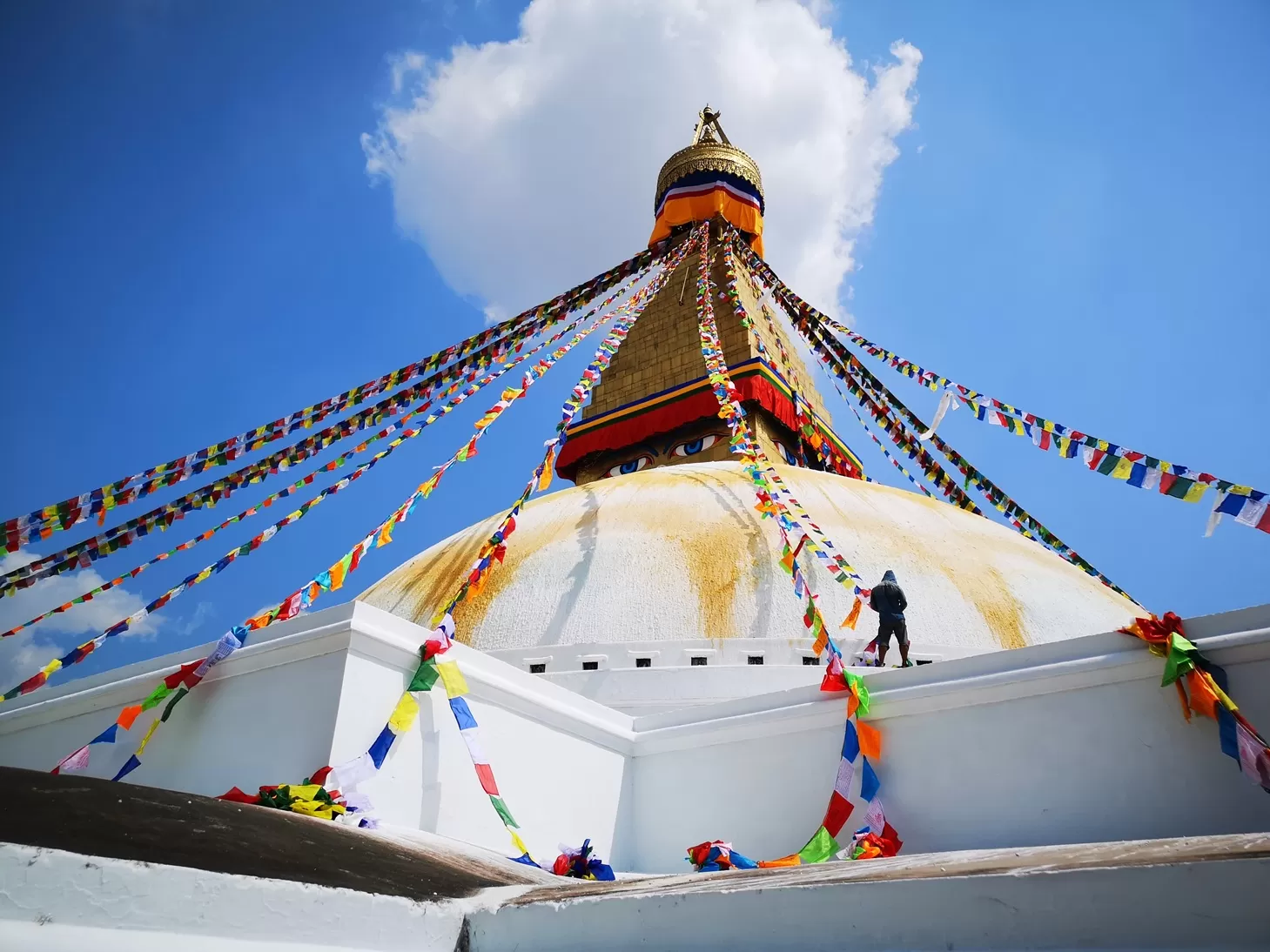
The path through the villages leads trekkers to encounter mani walls, which consist of sacred stone walls that display Buddhist mantras, to discover prayer wheels, and to see the vibrant stupas. The Kyanjin Gompa monastery serves as the main religious center for the whole area. Visitors should spend time in silence while they turn the prayer wheels to experience the spiritual atmosphere.
The 2015 earthquake brought about extreme destruction to this area, which particularly affected Langtang Village. The community has rebuilt its village through its strong ability to recover from adversity. Your presence in this area through trekking and your choice to stay in locally owned lodges will help their recovery process and support their ongoing economic activities.
Accommodation and Food on the Trail
The Langtang trekking path contains tea houses, which are family-operated lodges that offer essential amenities and home-prepared meals. Visitors will experience hospitality through warm treatment and delicious meals, even though the establishment does not provide high-end services.
Accommodation: The facility provides basic rooms that contain twin beds and shared bathroom facilities. The establishment provides blankets to guests but recommends bringing a sleeping bag liner for extra warmth because of the cold conditions at Kyanjin Gompa.
Food: Tea house menus are surprisingly diverse. Staples include:
- Dal Bhat represents the traditional Nepali dish, which consists of lentil soup, rice, and vegetables, and provides unlimited refills that sustain trekkers through their journey.
- The menu offers both noodle soups and pasta dishes.
- The restaurant serves Tibetan bread together with momos, which are dumplings.
- Visitors should taste Yak cheese pizza, which Kyanjin Gompa offers as its unique local dish.
- The menu includes milk tea, black tea, and hot chocolate.
People need to drink water that has been boiled or filtered. People should bring water purification tablets to use as their emergency backup solution.
Culture and People: The Tamang Heritage
The cultural immersion that Langtang trekking provides to its visitors represents one of its most valuable benefits. The valley is home to the Tamang people, an indigenous group with deep roots in Tibetan Buddhism. The people who live there have developed their own unique cultural identity, which includes different aspects such as language, architectural styles, and traditional practices that connect to the natural features of the mountain environment.
The trek through villages will lead you to encounter mani walls, which are sacred stone walls that display Buddhist mantras and rest near prayer wheels and colorful stupas. The Kyanjin Gompa monastery serves as the spiritual center for the entire region, and visitors should dedicate time to quietly sit and spin the prayer wheels while they take in the spiritual ambiance.
The 2015 earthquake caused devastating loss in this region, particularly in Langtang Village. The community has rebuilt with remarkable resilience. Their recovery process relies on your decision to trek in this area and spend money at local lodges, which they operate.
What problems do trekkers face on the Langtang trek?
Altitude sickness (AMS): The most serious risk. The body needs to ascend through altitude increases while maintaining hydration because persistent headache, nausea, and dizziness serve as danger signs. The person needs to descend when their symptoms begin to increase in severity.
Weather unpredictability: Mountain weather changes fast. Carry rain gear and layers regardless of the season.
Physical fatigue: Long hiking days on uneven terrain are tiring. Train with regular walking or hiking for 4-6 weeks before departure.
Limited ATMs and connectivity: People need to bring sufficient Nepali rupees from Kathmandu because there are few ATMs and limited internet access in the area. Mobile signal is limited to lower elevations.
Is Langtang Trekking Worth It?
The Langtang trekking route provides trekkers with an authentic Himalayan experience that includes stunning mountain views, real cultural experiences, and trekking routes of moderate difficulty, and the emerging exploration areas that have become rare in Nepal's most sought-after trekking paths. The path leads to hidden treasures which become visible when trekkers choose to explore areas beyond established trails.
The Langtang valley trek provides all trekkers with either their first experience trekking or the need to find authentic trails better than other options. The mountains will guide you after you start planning and put on your boots.
Ready to experience the magic of Langtang? Let's get ready with a licensed Nepal trekking agency to bring you into one of the most beautiful valleys of the Himalayas.




.png "NTB")
.png "Pata")