US$ 870Get OfferEnquire

Manaslu Circuit Trek

Country
Nepal

Duration
14 Days

Maximum altitude
5135m/16942ft

Activity
Trekking

Difficulty
Moderate / Difficult

Best Season
September, October, November, December, February to April

Accomodation
Included

Meals
Included

Start/End Point
Kathmandu/kathamndu

Trek Overview

Trek Overview

The Manaslu Circuit Trek stands as Nepal's hidden treasure, which provides hikers a secluded path through unspoiled valleys and an ascent to its highest mountain pass and a route around the eighth-highest mountain in the world, which does not attract the same number of visitors as popular hiking paths. The Manaslu Circuit Trek starts at the boundary between regular life and natural wilderness, which offers visitors a chance to experience authentic nature together with deep cultural exploration.

Why Choose the Manaslu Circuit Trek?

Manaslu Circuit Trek Nepal offers a complete experience that provides both adventurous activities and easy access to the natural environment and local cultural experiences, and all trekking challenges lead to direct benefits for the explorer. The Manaslu region remains untouched by human development, which allows visitors to experience authentic Himalayan scenery, while Everest Base Camp and the Annapurna Circuit face overcrowding from numerous trekkers.

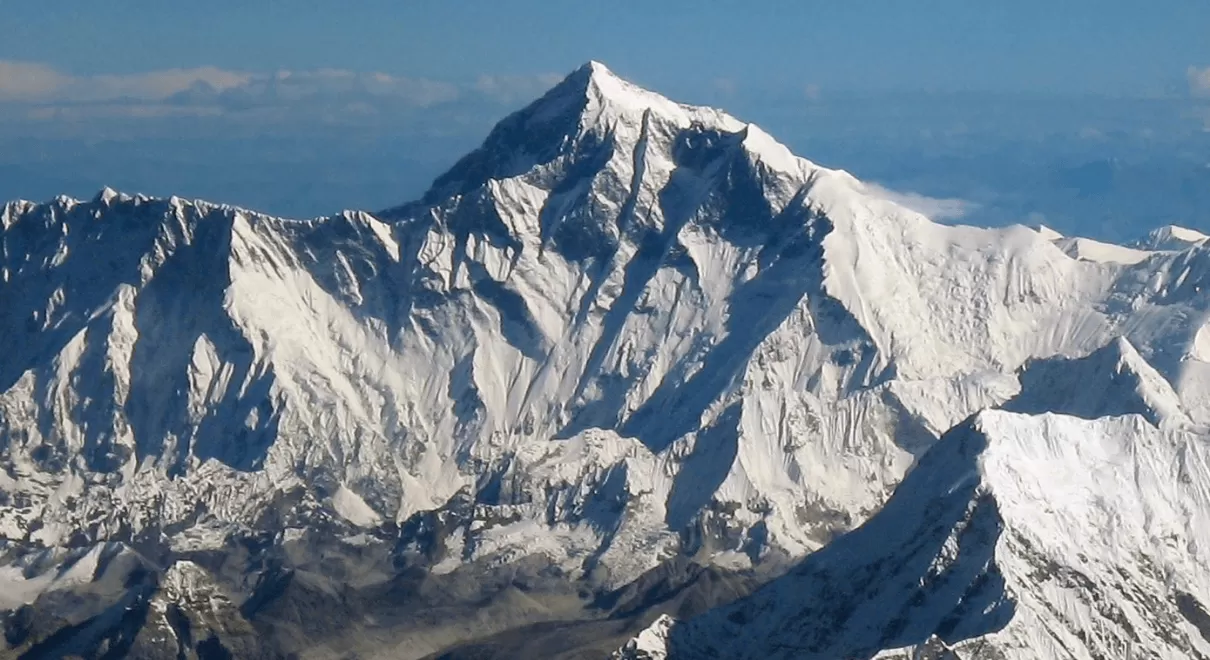
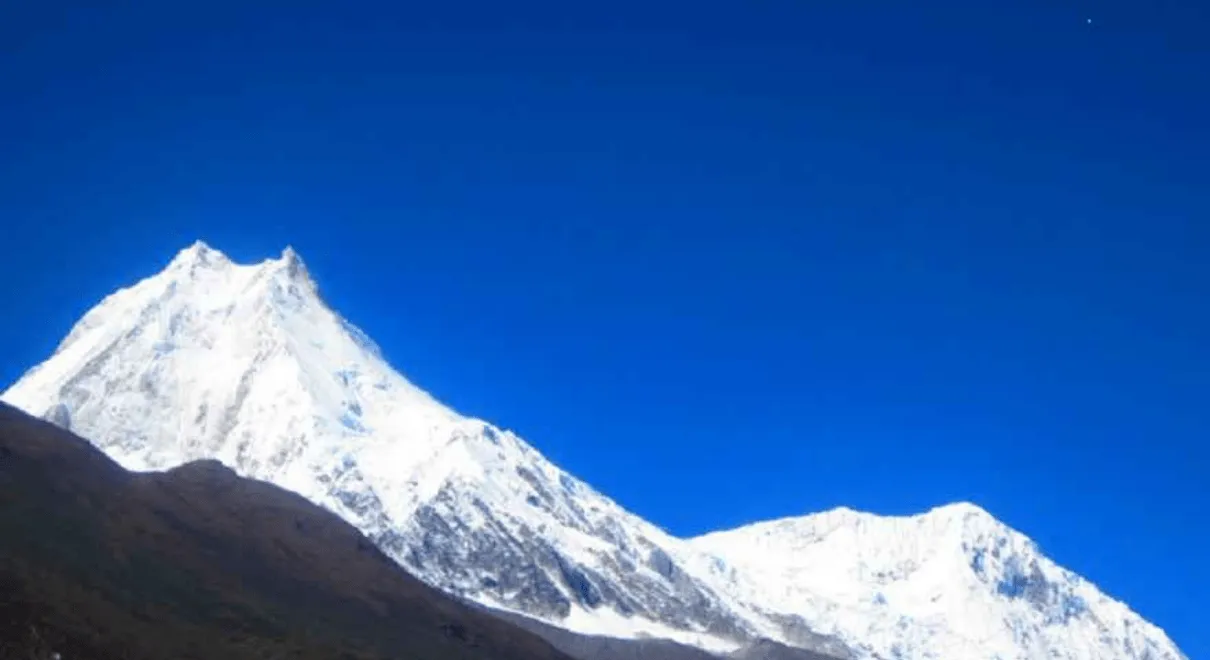
The Manaslu Circuit Trek leads trekkers around Mount Manaslu, which stands at 8163 meters, while they trek through eight different climate zones. The journey starts in humid subtropical forests and continues through suspension bridges that cross rushing rivers and leads to isolated Tibetan Buddhist villages where monks maintain their time-honored customs until you reach the Larkya La Pass​ at 5160 meters, which offers a stunning view that will leave you breathless.

What is the Manaslu Circuit Trek Really Like?

The Manaslu Circuit Trek presents hikers with an authentic experience of unrefined wilderness and demanding trekking challenges. The standard Manaslu Circuit Trek itineraries last between 14 and 18 days while trekkers cover approximately 177 kilometers of diverse terrain that challenges their endurance and grants them rewards for their constant effort.

The Manaslu Circuit Trek requires trekkers to show respect because it does not require technical climbing abilities for its successful completion. The route includes narrow cliffside paths, swaying suspension bridges, and thousands of stone steps that trekkers have to navigate. The trek includes daily 1000-meter ascents combined with equally demanding descents, which will test your physical endurance and mental toughness.

Manaslu Circuit Trek Larkya La Pass is the point where this journey reveals its authentic nature. The summit day begins before sunrise as climbers spend 8 to 10 hours traversing ice fields, snowy areas, and high-altitude regions. The moment you reach the pass and view the surrounding peak amphitheater that includes Manaslu, Himlung Himal, and Cheo Himal, all your efforts become worth it.

When Should You Trek Manaslu?

The timing of the Manaslu Circuit Trek significantly modifies your experience:

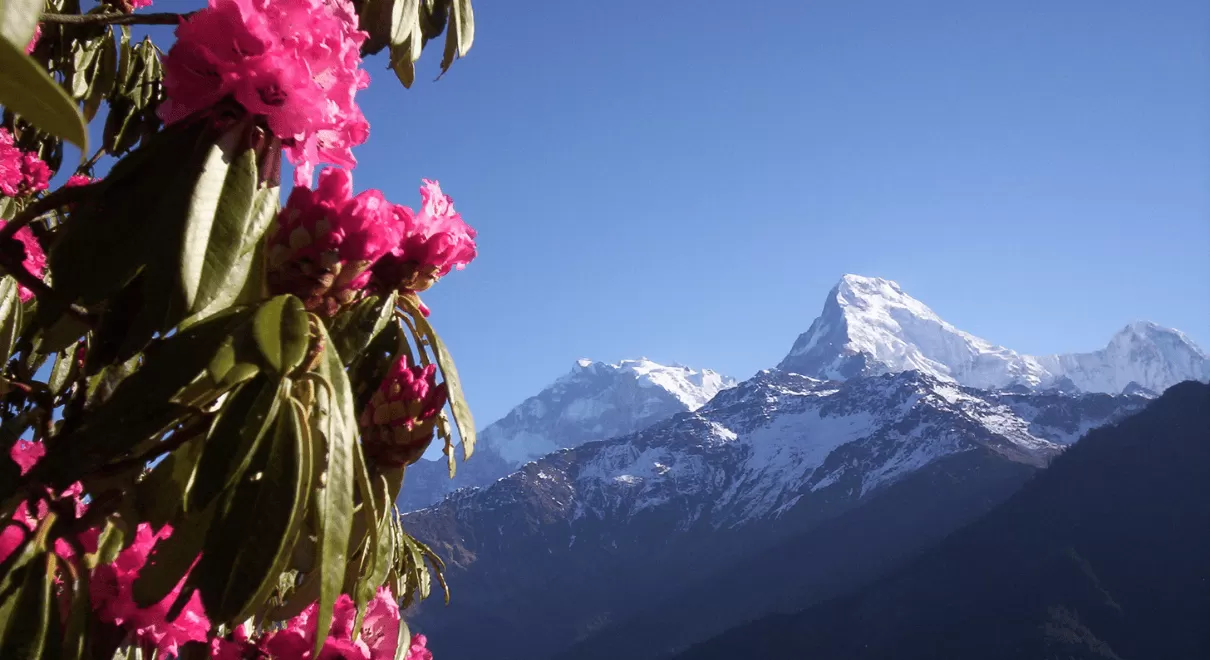
Spring (March-May): Valleys have an explosion of rhododendron blossoms, accompanied by prevailing sunshine and moderate temperatures. It is a perfect setting for photography and watching wildlife.

Autumn (September-November): The best time to visit the mountain peak, bringing visitors excellent mountain views, together with consistent weather and pleasant temperature conditions. The period after the monsoon ends provides optimal conditions for most trekkers because of its clear visibility.

The Manaslu Circuit Trek becomes highly difficult during winter because deep snow makes the Larke Pass unwalkable. The trails become hazardous during the monsoon season because the combination of mud and leeches creates unsafe conditions.

Understanding Permits

The Manaslu Circuit Trek differs from the other treks in Nepal and begins at Sotikhola in the Gorkha District.

  • Manaslu Conservation Area Permit (MCAP)
  • Manaslu Restricted Area Permit (RAP): You cannot trek independently; you must hire a registered Manaslu Circuit Trek guide
  • Annapurna Conservation Area Permit (ACAP): If exiting through the Annapurna region

The Manaslu Circuit Trek needs guided groups because of its location next to Tibet. The regulations protect the trail's original character while they allow sustainable tourism to benefit the surrounding local communities.

Common Challenges and Solutions

The Manaslu Circuit Trek faces its most difficult obstacle in altitude sickness. The oxygen levels at high elevations reach only 50 percent of the sea level value. Strong athletes who followed our guidance experienced difficulties, while trekkers who properly acclimatized succeeded in their journey. The guide's schedule requires strict adherence, together with a daily water intake of 3 to 4 liters and the ability to identify early symptoms, which include headaches, nausea, and dizziness.

Many people who attempt the Manaslu Circuit Trek do not expect its physical challenges. Start training 2-3 months before with cardio, leg exercises, and practice hikes with elevation gain.

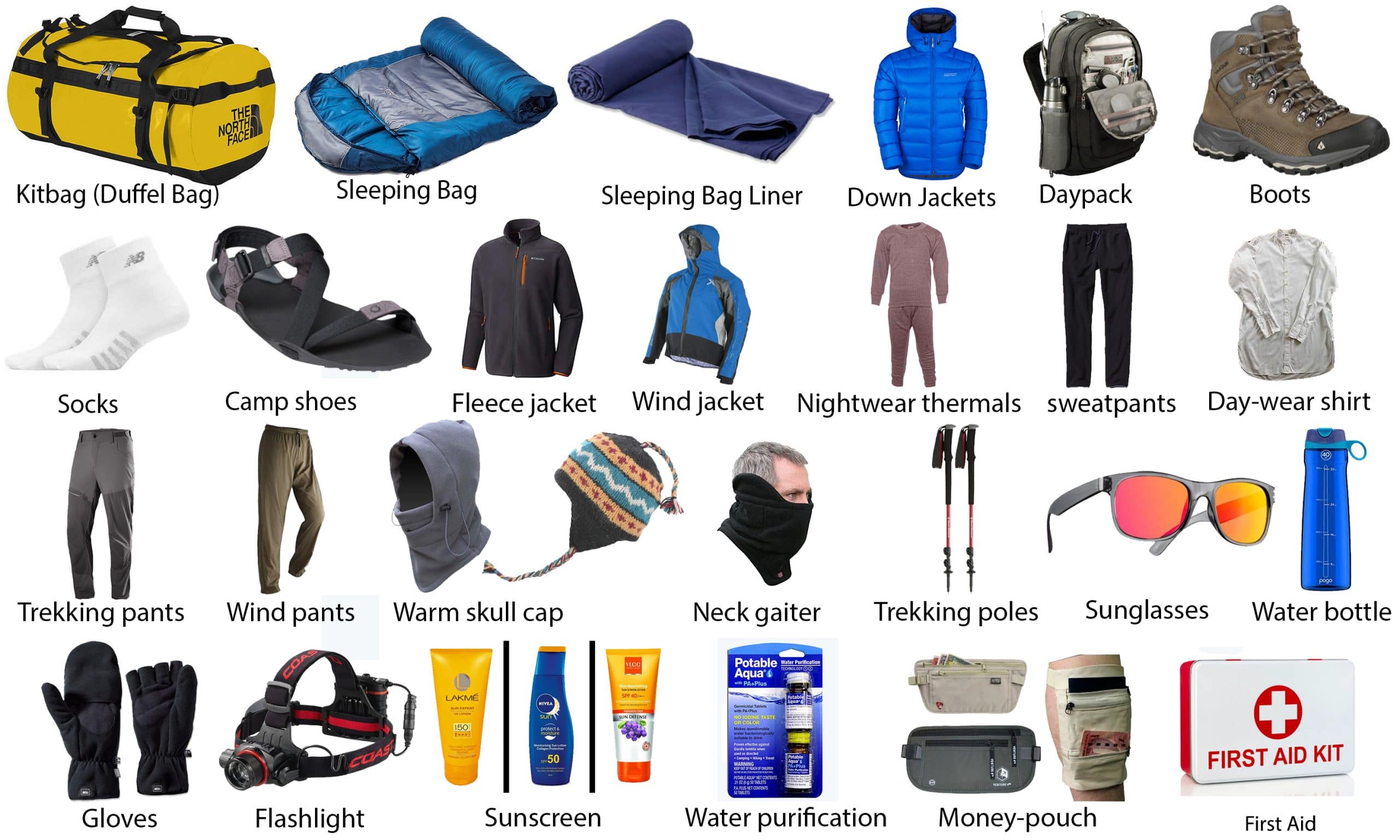
The Manaslu Circuit Trek demands essential equipment for its activities. The essential equipment for the trek consists of a four-season sleeping bag, which must have a temperature rating of -15°C, and all waterproof clothing, appropriate trekking boots, and trekking poles.

Why We Recommend the Manaslu Circuit Trek

The Manaslu Circuit Trek now serves as our main expedition. The Himalayan trekking organization we lead has operated for several years, and we have observed that this specific trekking route provides our clients with their most intense trekking experiences.

The Manaslu Circuit Trek provides travelers with authentic experiences that they can explore without needing to give up their native cultures. You will experience authentic cultural interactions in villages where families open up to you as their guests without treating you as a customer. The local guides who work with us belong to these communities because they serve as cultural ambassadors who provide access to restricted areas.

The Manaslu Circuit Trek sustains its environmental integrity through its sustainability practices. The tourism industry provides direct financial support to families living in the area. Teahouse owners operate their businesses because they built their lodges and grow their vegetables. Our organization has established relationships with the community, which we have maintained for many years, to direct your fees toward school funding, medical clinic support, and trail maintenance.

The Manaslu Circuit Trek needs expert skills for its operational requirements. We manage all permit applications while providing skilled guides who have completed Larke Pass crossings multiple times, and we establish emergency response systems that use satellite links and evacuation methods.

Our Expert Tips for Success

The Manaslu Circuit Trek requires its trekkers to start their trek preparations six months before their scheduled departure date. The trekking team should begin cardiovascular training through hiking with elevation gain, stair climbing, and progressive walking exercises that use weighted packs starting from 12 weeks before their expedition.

The Manaslu Circuit Trek requires all travelers to complete their acclimatization process at a measured pace. Our itineraries include rest days at Samagaon (3,530 m), allowing your body to adapt properly.

The Manaslu Circuit Trek needs proper nutrition, together with proper hydration. Our guides monitor your drinking needs while they also track your calorie intake requirements, which become essential during times when you lose your desire to eat because of high-altitude conditions.

The Manaslu Circuit Trek requires weather knowledge because weather conditions protect lives. Our guides monitor current weather forecasts while they maintain backup routes for their operations. We never gamble with Larke Pass conditions.

What Our Clients Experience

The Manaslu Circuit Trek leads to permanent changes in people who experience it. We've guided corporate executives who discovered unexpected strength, retired couples who proved age is just a number, and solo travelers who found community.

The Manaslu Circuit Trek's cultural connections surprise first-time trekkers. The quiet moments of sharing evening tea with lodge families, watching butter lamps flicker in monasteries, and hearing ancient stories create a stronger impact than the impressive natural scenery.

Your Journey Begins Here

The Manaslu Circuit Trek functions as a personal development experience that goes beyond standard vacation time. You will discover your actual limits when you stop using technology and start to connect with what really matters in life.

Are you prepared to start your Manaslu adventure? Our expertly designed Manaslu Circuit Trek packages include all permits, experienced local guides, comfortable accommodations, comprehensive safety protocols, and personalized support. We take care of all the logistics so you can fully enjoy your once-in-a-lifetime experience. Contact us today to start planning your transformative Manaslu Circuit Trek!


Trek Highlights

Trek Highlights

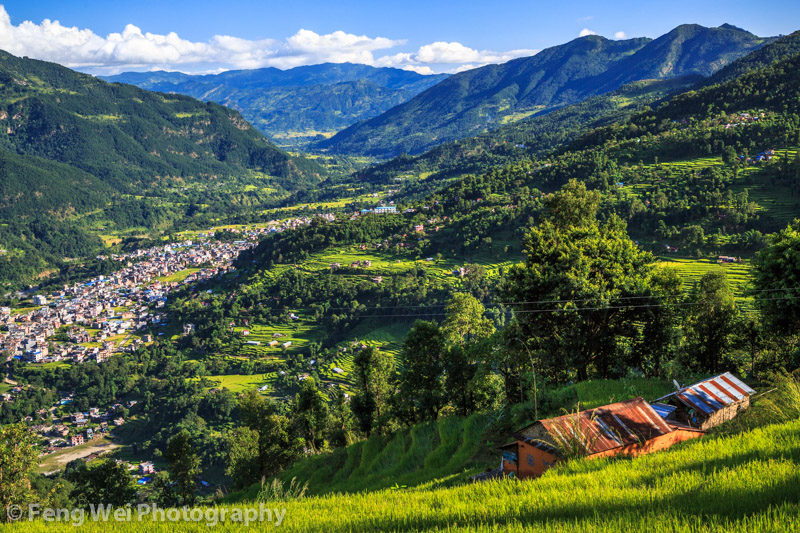
Panoramic drives from Kathmandu to Arughat and Machi Khola are through mountainous roads. Returning on the same way, the vistas of terraced hillside and valleys are truly spectacular.

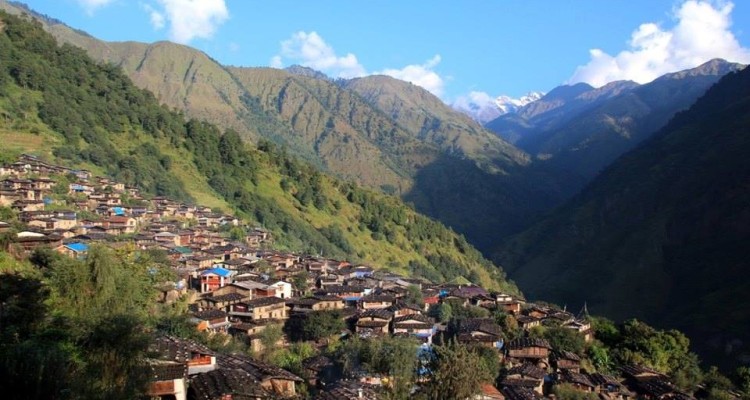
The Tibetan and Nepalese cultures create their distinctive identity through their ancient monasteraries and their energetic festivals and their authentic way of life and their friendly nature and their extensive mountain traditions.

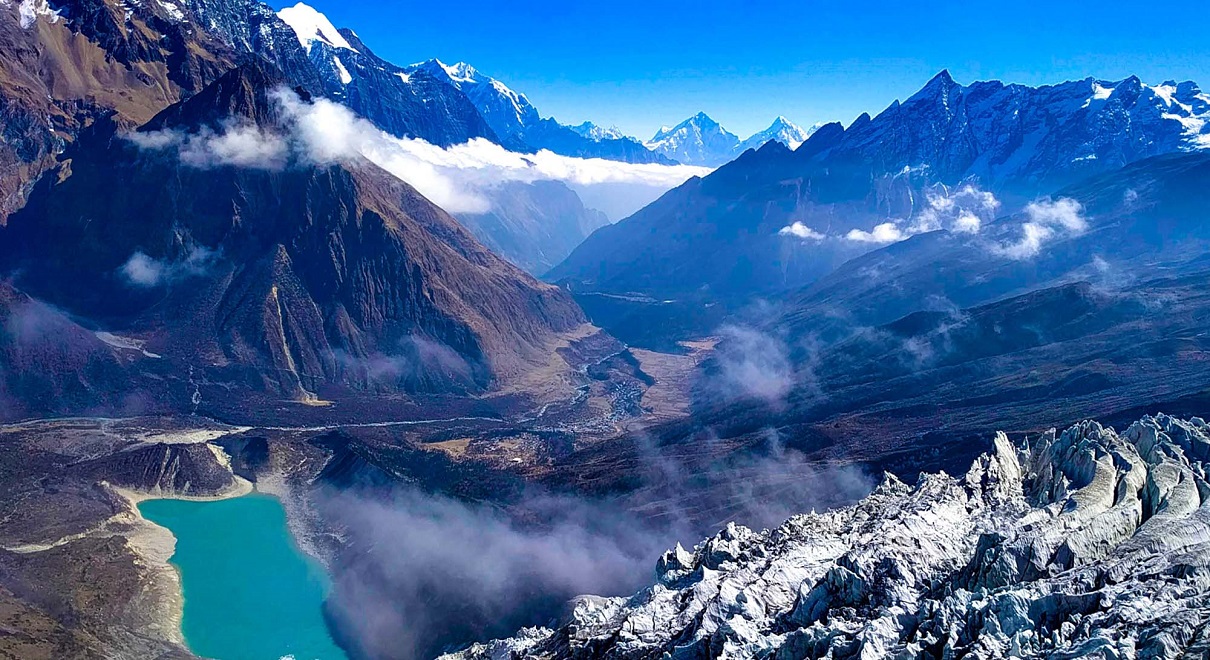
The Budhi Gandaki River valley presents an untouched landscape which features deep gorges, turquoise waters, suspension bridges, dense forests, and breathtaking mountain views along the wild rivers.

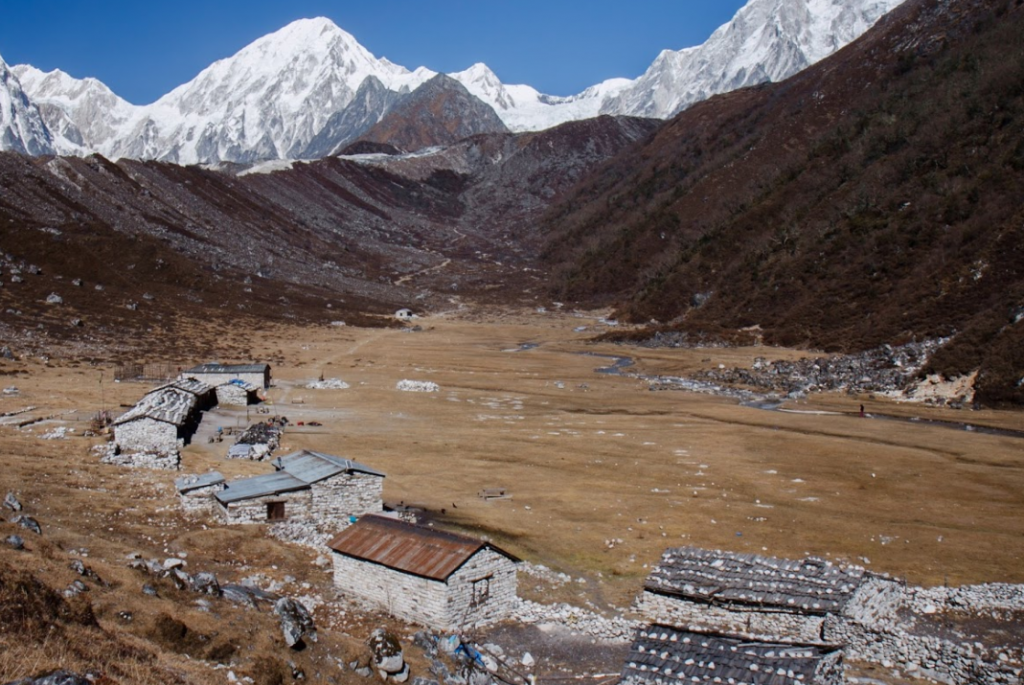
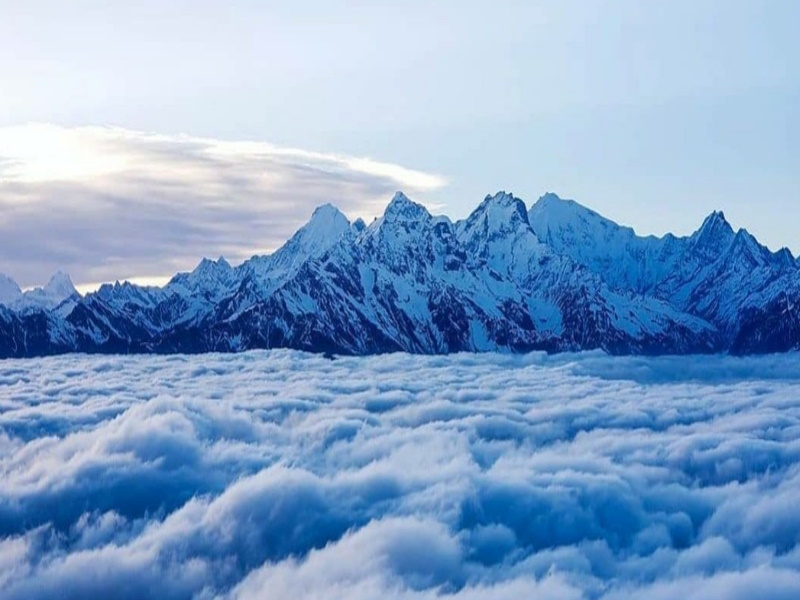
The trek offers spectacular mountain panoramas which showcase Breathtaking views of Mount Manaslu, Himchuli, and Ganesh Himal together with the surrounding Himalayan peaks.

The Cross challenging Larkya La Pass at 5,153 meters offers visitors breathtaking panoramic views which include snow-capped mountain peaks and glaciers and beautiful high-altitude natural spaces.

The authentic Tibetan culture of Nubri people exists through their ancient monasteries and their prayer flags and traditional villages and Buddhist ceremonies and their friendly mountain communities.

The area contains unspoiled natural ecosystems that extend from subtropical forests to alpine meadows and contain both exceptional wildlife diversity and untouched mountain territories.

Pass through luscious tropical ridges enshrouded with dense pines and oak canopies, groves of rhododendrons, and thickets of bamboo at the start of the journey.

Outline Itinerary

Outline Itinerary

Package Price

Package Price

Price Table

Travelers 1 2 3 4 5 6 7 8 9 10
Silver USD 1625 USD 1050 USD 999 USD 870 USD 960 USD 880 USD 875 USD 915 USD 905 USD 860
Gold USD 1955 USD 1380 USD 1328 USD 1200 USD 1290 USD 1210 USD 1205 USD 1245 USD 1235 USD 1190

  • Airport-to-hotel pick-up and drop-off by private vehicle
  • One highly experienced mountain Guide and porter
  • Accommodation, food, drinks, salary, insurance, transportation of both trek guide and porter
  • Hotel in Kathmandu
  • Group medical supplies (first aid kit)
  • Manaslu restricted area special permit
  • MCAP and ACAP permit
  • All necessary papers, work, and Manaslu Conservation Area project entry permit
  • All additional government tax
  • Transportation from Kathmandu to Arughat
  • Transportation to Arughat and Sotikhola by public bus
  • Transportation from Tal to Beshisahar-Kathmandu by private Jeep
  • Farewell dinner in a typical Nepali restaurant with a cultural show
  • Other ground transportation

  • Nepal entry visa fee (USD 30 for 15 days/USD 50 for 30 days from the date of issue) (You may easily get a Nepal visa upon your arrival at Tribhuvan International Airport, Kathmandu.)
  • International airfare
  • Accommodation in a Mountain lodge run by local people during the trek
  •  All Meals (breakfast, lunch, and dinner) during trekking
  • Travelers Insurance
  • All kinds of drinks (Alcohol, hot and cold drinks)
  • Lunch and dinner in Kathmandu (approx. 10-12 USD)
  • Bar bills, telephone bills, and other personal expenses (shopping/laundry)
  • Tips to guide and porter
  • Extra night accommodation in Kathmandu because of early arrival, late departure, and early return from the mountain (due to any reason) than the scheduled itinerary
  • All expenses due to unavoidable events, e.g., personal illness, strike, etc.
  • Helicopter evacuation charge in case of emergency whilst trekking

  • Airport-to-hotel pick up and drop off by private vehicle
  • One highly experienced mountain Guide and porter
  • Accommodation in a mountain lodge run by local people during the trek
  • Meal on full board (breakfast, lunch, and dinner) during trekking
  • Accommodation, food, drinks, salary, insurance, transportation of both the trek guide and the porter
  • Hotel in Kathmandu
  • Group medical supplies (first aid kit)
  • Manaslu restricted area special permit
  • MCAP and ACAP permit
  • All necessary papers and Manaslu Conservation Area project entry permit
  • All additional government tax
  • Transportation from Kathmandu to Arughat
  • Transportation to Arughat and Sotikhola by public bus
  • Transportation from Tal to Beshisahar and Kathmandu by private jeep.
  • Farewell dinner in a typical Nepali restaurant with a cultural show
  • Other ground transportation

  • Nepal entry visa fee (USD 30 for 15 days/USD 50 for 30 days from the date of issue) (You may easily get a Nepal visa upon your arrival at Tribhuvan International Airport, Kathmandu.)
  • International airfare
  • Travelers Insurance
  • All kinds of drinks (Alcohol, hot and cold drinks)
  • Lunch and dinner in Kathmandu (approx. 10-12 USD)
  • Bar bills, telephone bills, and other personal expenses (shopping/laundry)
  • Tips to guide and porter
  • Extra night accommodation in Kathmandu because of early arrival, late departure, and early return from the mountain (due to any reason) than the scheduled itinerary
  • All expenses due to unavoidable events, e.g., Personal illness, strike, etc.
  • Helicopter evacuation charge in case of emergency whilst trekking

Trek Map

Map
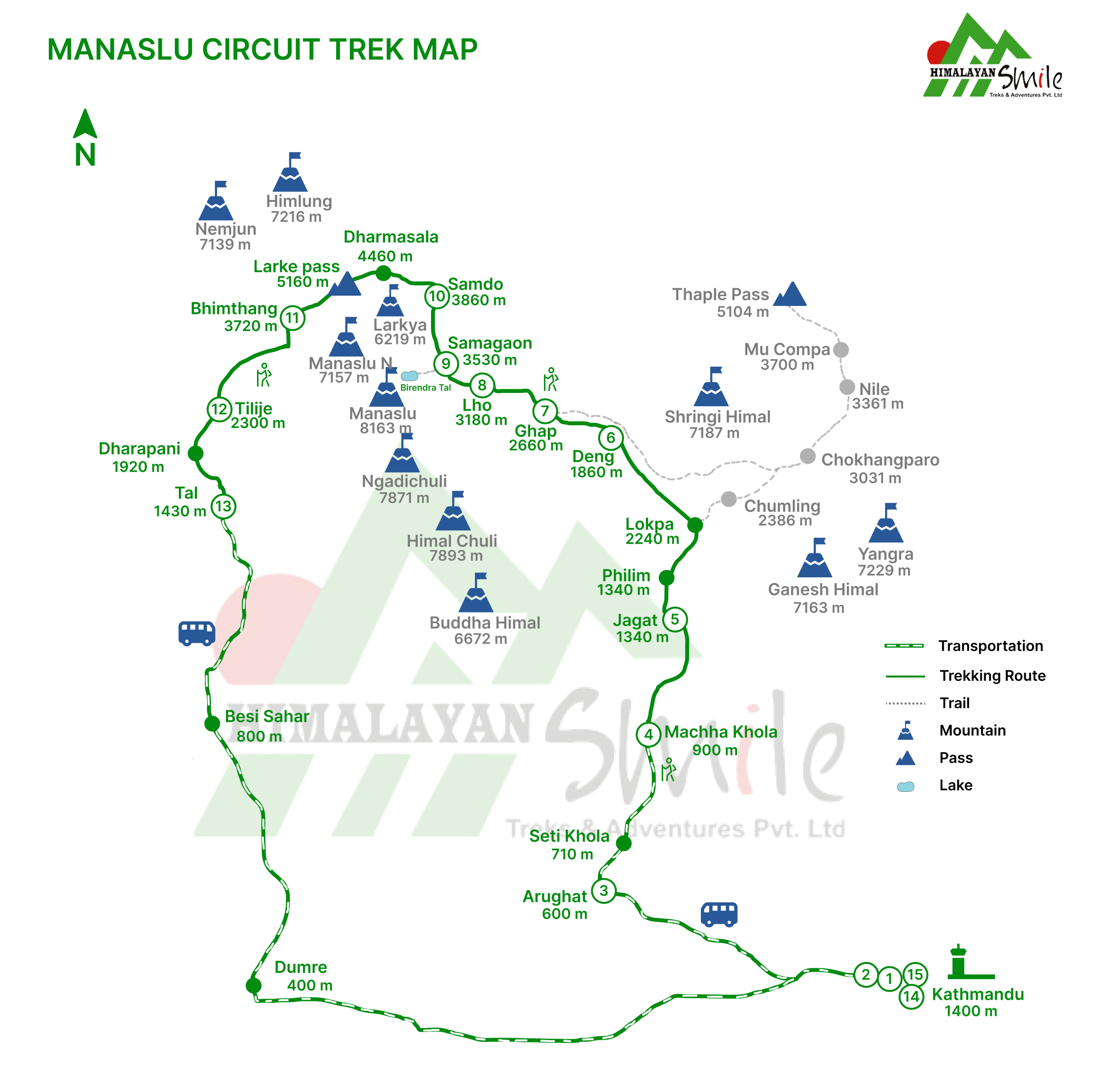
Manaslu Circuit Trek map
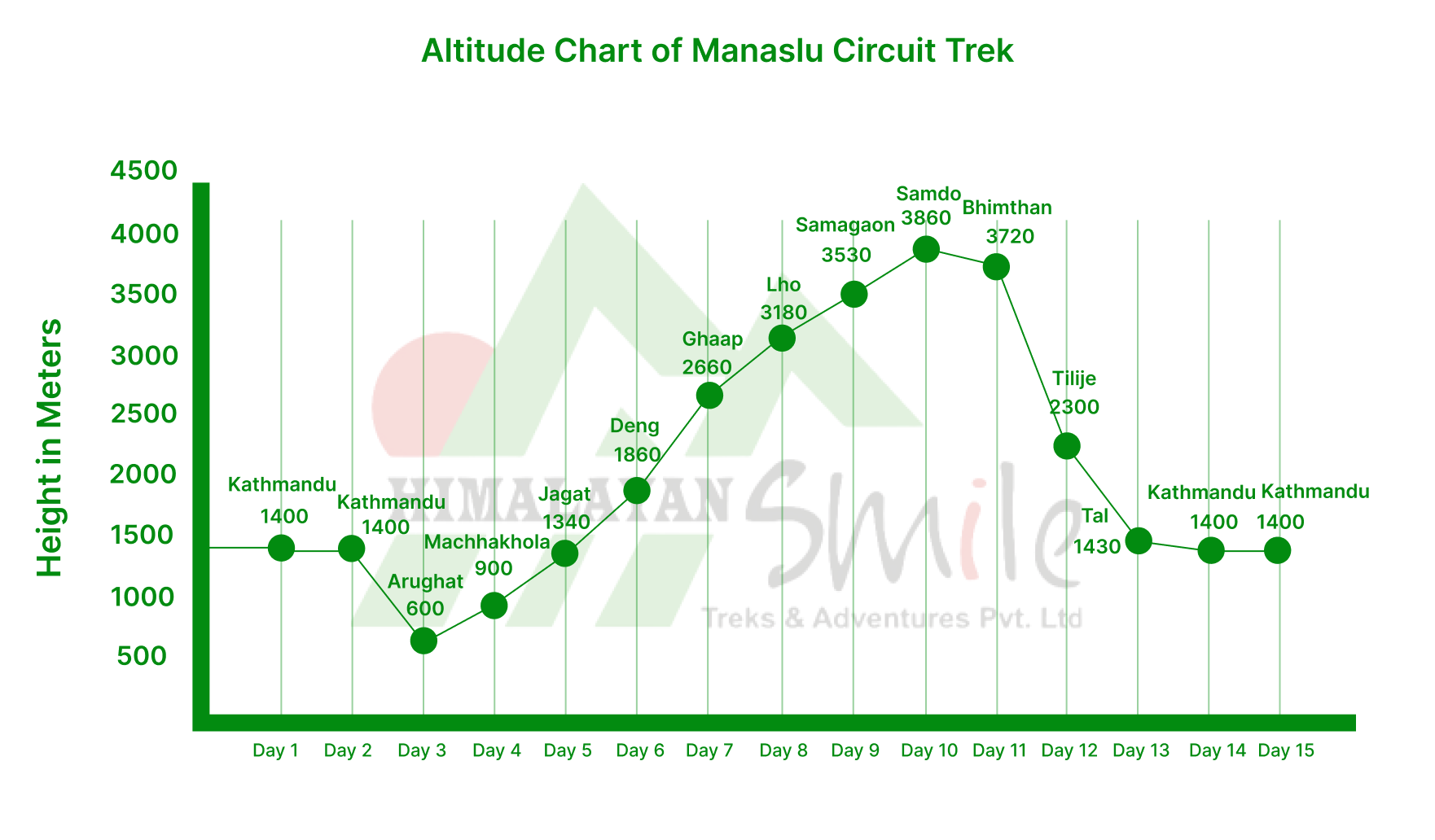
Manaslu Circuit Trek Altitude chart

Detailed Itinerary

Detailed Itinerary
Transfer to Hotel

Transfer to Hotel

Included
See More
Orientation program

Orientation program

Included
See More
Preparation

Preparation

Included
See More
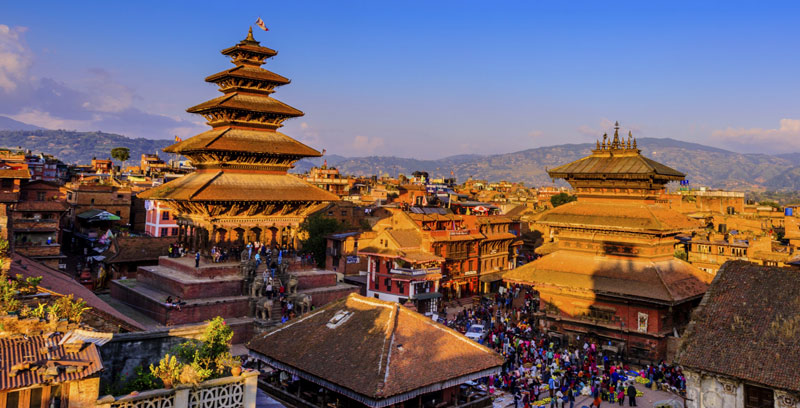
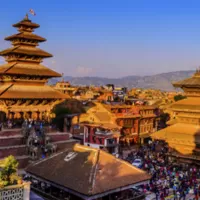
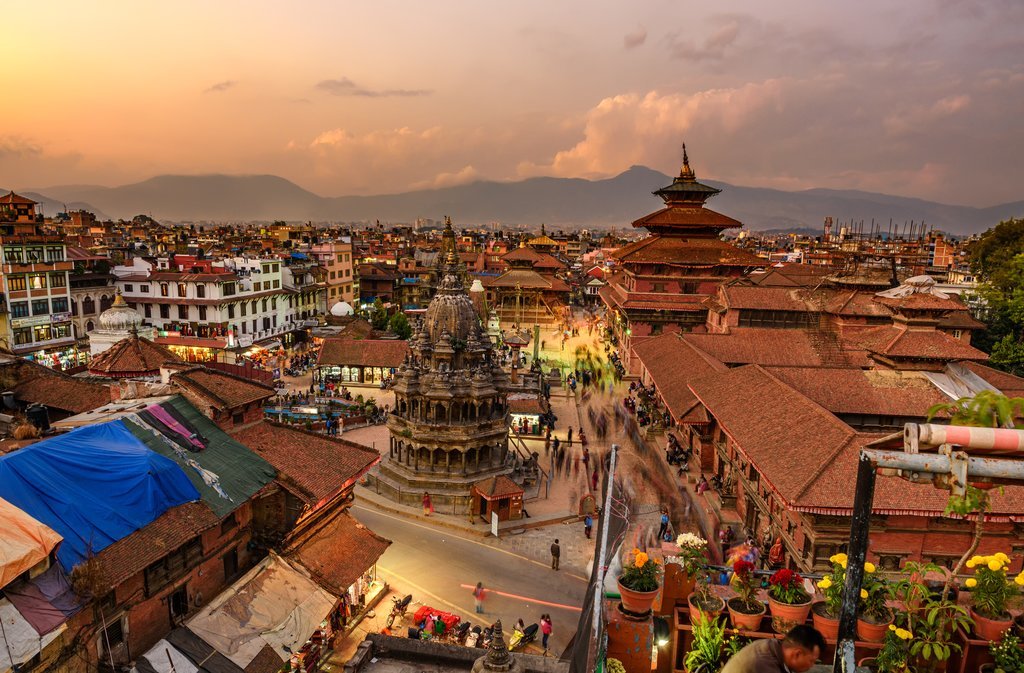
Bhaktapur Durbar Square

Bhaktapur Durbar Square

Included
See More
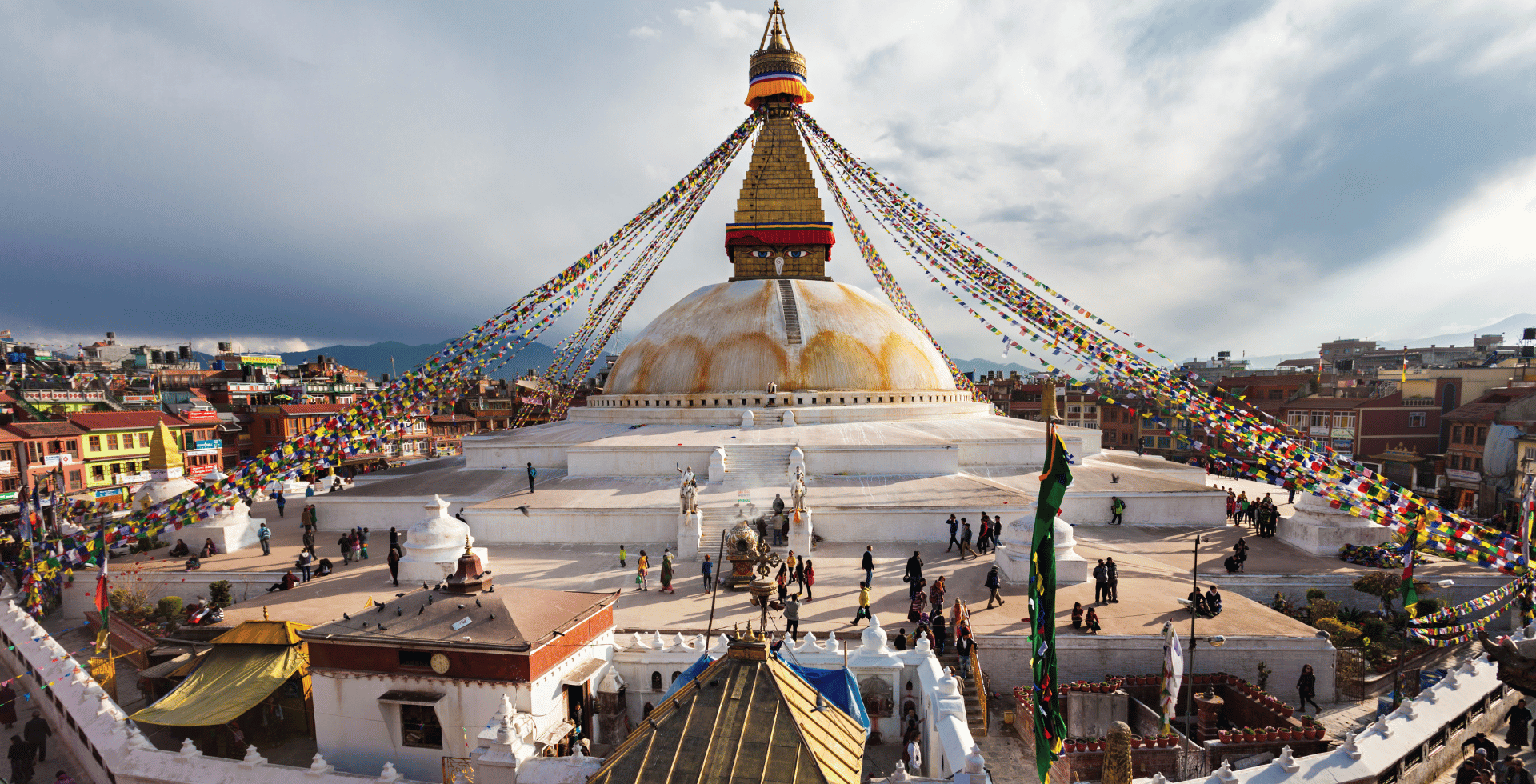
Boudhanath Stupa

Boudhanath Stupa

Included
See More
Pashupatinath Temple

Pashupatinath Temple

Included
See More
Trek to Larkya La pass

Trek to Larkya La pass

Included
See More
Trek to Bimthang

Trek to Bimthang

Included
See More
Drive to Besisahar (3hrs)

Drive to Besisahar (3hrs)

Included
See More
Drive to Kathmandu (5hrs)

Drive to Kathmandu (5hrs)

Included
See More
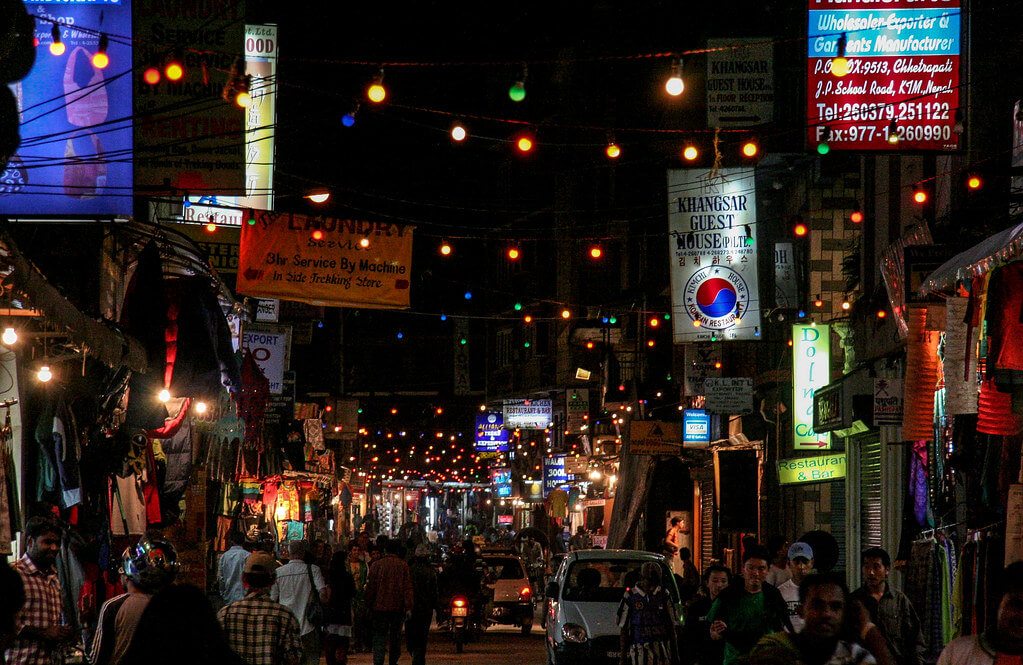
Thamel

Thamel

Included
See More

Trek FAQs

FAQs
The Manaslu Circuit Trek requires 14 to 18 days to complete its full distance of 177 kilometers which equals 110 miles. Your journey begins in Soti Khola (700m) and gradually ascends through traditional villages before crossing Larkya La Pass at 5,160 meters. Your itinerary includes acclimatization days which take place in either Samagaun or Samdo to help your body adjust to the new altitude. The walking distance for each day ranges from 5 to 8 hours based on the difficulties of the path and the height which must be climbed. I recommend adding buffer days for weather delays which occur most frequently during monsoon or winter seasons. The trek ends in Dharapani, where you'll catch transport back to Kathmandu. The most common error which beginners make on this trek involves trying to complete it too quickly because you need sufficient time for your body to adapt and for you to appreciate the trek.
The Manaslu Circuit Trek ranks as moderately difficult to challenging because it requires trekkers to maintain physical fitness and mental determination at all times. The trek will take you through high-altitude passes where you will ascend more than 4400 meters while experiencing severe oxygen loss. The trail includes steep ascents and rocky paths and suspension bridges and potential snow crossings which are located near Larkya La Pass. Previous trekking experience helps but you can succeed without it if you prepare correctly. The real challenge comes from our need to spend multiple days walking between 5 and 8 hours while we carry a daypack and handle altitude changes. First-time trekkers often underestimate the cumulative fatigue and altitude effects. However most healthy individuals can complete this trek because of proper acclimatization and steady pacing and reasonable fitness requirements. Start training three months before departure.
The best time to hike the Manaslu Circuit Trek occurs during the months of spring between March and May and the months of autumn between September and November. The spring season brings stunning rhododendron forest blooms while temperatures begin to rise except for the cold conditions at higher mountain elevations. The peak season occurs during autumn because it provides visitors with mountain views that show no obstructions together with steady weather conditions and pleasant temperature ranges. The winter season from December to February brings intense cold temperatures together with substantial snowfall which prevents access to Larkya La Pass and results in all teahouses being closed except for experienced winter trekkers who come here to find peace. The June-to-August monsoon season presents a dangerous trekking environment because of leeches and landslides which block visibility and create hazardous conditions on the trails. The month of October provides ideal weather conditions with clear skies and mild temperatures while village festivities for Dashain and Tihar celebrations create a festive atmosphere.
The Manaslu Circuit Trek can be safe for first-time trekkers who prepare adequately and set realistic expectations. The trek which beginners find most difficult in the Himalayas requires thousands of first-time walkers to complete it successfully through correct directions. The essential elements include physical training and selecting knowledgeable guides and adhering to acclimatization plans and monitoring your physical condition. The common errors that first-time trekkers make include walking at excessive speeds and failing to recognize altitude sickness signs and carrying insufficient equipment. The remote location of the area results in extended rescue times when compared to popular paths which include Everest Base Camp. Professional guides track your health status and they make all weather and speed decisions while they tackle emergency situations. I strongly advise first-timers to join organized groups rather than attempting this trek independently, even with hired guides.
The Manaslu Circuit Trek main danger comes from altitude sickness which has the ability to affect all trekkers at any fitness level. The method of prevention requires people to ascend at slow speeds while drinking sufficient water and avoiding alcohol consumption and they should learn to identify initial symptoms which include headaches and nausea. The weather presents dangers through sudden storm occurrences and avalanche risks which exist near Larkya La Pass and landslides that happen during monsoon season—always check forecasts and trust your guide's judgment about proceeding. People need to use proper footwear and trekking poles for walking on rocky trails and suspension bridges because trail injuries occur from slips on these surfaces. You need to bring first aid kits which contain everything necessary for emergencies because the remote area has only a few medical centers. People can prevent waterborne illnesses by using water purification tablets or filters. People should not ascend higher than their body can tolerate because this will help them avoid developing acute mountain sickness.
The training process starts three months before the scheduled departure date. The training program requires you to perform cardiovascular exercises which build endurance capacity for 5-8 hours of walking practice. The training program requires you to focus on hiking activities which involve elevation gain through the use of stair climbing and weighted backpack running and cycling and swimming exercises to build leg strength and improve lung capacity. The training program requires you to perform strength training exercises which target core muscles and leg muscles and shoulder muscles to prepare for steep uphill walking and backpack carrying activities. Your body needs to practice hiking on multiple days because this prepares you for the physical demands of consecutive hiking days which will happen during your outdoor adventures. Your body needs to practice back-to-back weekend hiking because this method effectively replicates the physical conditions you will experience on your upcoming trek. If you currently reside at sea level, you should start altitude training or travel to Nepal three days before your arrival in Kathmandu to begin acclimatization. The practice of flexibility training together with stretching exercises helps to protect against injuries. Mental preparation requires equal importance to research challenges and success visualization and development of problem-solving skills which will help during times when motivation decreases.
Acute Mountain Sickness (AMS) affects 50-75% of trekkers above 3,500 meters regardless of their age and fitness level. The condition produces symptoms which include headaches and nausea and dizziness and fatigue and sleep disturbance. Climbers need to ascend mountains slowly because they should not climb more than 500 meters every day after reaching 3,000 meters and they must take acclimatization breaks in Samagaun and potentially Samdo at their respective altitudes of 3,530 meters and 3,860 meters. The "Climb high, sleep low" principle establishes an exceptional method for camping at high altitudes. People should drink 3-4 liters of water every day while staying away from alcohol and walking at a constant speed without pushing themselves too hard. The earliest warning signs should be recognized because mild symptoms will improve through rest while severe symptoms which include confusion and difficulty breathing and persistent vomiting demand immediate descent from the mountain. People should carry Diamox for prevention after consulting doctors but they should never use medication to hide their symptoms and continue ascending. Proper acclimatization processes save lives.
Three permits are mandatory for Manaslu Circuit Trek: Manaslu Restricted Area Permit (RAP), Manaslu Conservation Area Permit (MCAP), and Annapurna Conservation Area Permit (ACAP). The RAP costs vary by season—September to November costs $100 for first week and $15 for each additional day while December to August costs $75 for first week and $10 for each additional day. Foreigners need to pay NPR 3000 approximately $23 to obtain MCAP. ACAP costs NPR 3,000 as the trail exits through Annapurna region. Registered trekking agencies are the only ones who can obtain RAP because they need to provide passport copies and trekking itinerary and insurance proof and guide information at least 2-3 weeks before departure. You must carry permit copies and passport with you during the trek because you need to present these documents at various checkpoints along the route.
Budget travelers should expect $1,200-1,500 for organized group treks which include all costs for permits and guide services and porter support and their accommodation and food and transportation expenses from Kathmandu. Mid-range packages cost $1,500-2,000 because they provide better lodges and smaller groups and experienced guides. Private customized treks range $2,000-3,500 because of different group sizes and luxury options. The total expenses include international flights and Nepal visa which costs $50 for 30 days and travel insurance that includes helicopter evacuation coverage which costs between $150 and $250 and tips for guides and porters which total between $150 and $200 and personal snacks and drinks which cost between $5 and $10 each day and charging of electronics which costs between $3 and $5 per device and hot showers which cost between $3 and $5 and emergency expenses. I recommend budgeting extra $300-500 for unforeseen costs because flight delays and extended stays due to weather. Budget airlines from Kathmandu to Pokhara charge between $80 and $120 for one way tickets.
The permit application process requires you to obtain complete travel insurance which includes helicopter evacuation coverage for heights up to 6000 meters. The standard travel insurance policy does not cover high-altitude trekking activities, so you need to obtain specialized adventure insurance or mountaineering insurance which includes emergency helicopter rescue services and medical treatment and trip cancellation and baggage loss protection. Manaslu region helicopter evacuations require payment of 5000 to 10000 USD and you must pay this amount in advance because rescue operations will not start until after you complete payment. The trusted insurance companies World Nomads and Global Rescue and IMG provide their services to customers. The policies need to be read carefully to verify that they provide coverage for trekking activities that reach 6000 meters without needing mountaineering certification. The trek requires you to keep your insurance documents and emergency contact numbers, and policy information safe and available to use at all times. The guides will ask you to show your insurance documents, which need to prove that you have sufficient coverage for your trip. Your financial security will remain intact through this investment, which also has the potential to protect your life.
The trek begins at Soti Khola which you can reach through a 6-7 hour jeep ride that starts from Kathmandu and covers a distance of about 140 kilometers. Most agencies provide their customers with private jeep services and tourist bus services which operate between 6-7 AM in the morning. The rough mountain road parallels the Budhi Gandaki River as it connects various terraced hills and remote villages. Arughat Bazaar serves as a starting point for some itineraries which require trekkers to complete an additional day of hiking. The road conditions undergo seasonal changes because monsoon season introduces landslide hazards which create delays. The Machha Khola route serves as an alternative path that depends on current road conditions. The return journey from Dharapani to Kathmandu takes 8-10 hours because travelers must use the same mountain roads that lead to Besisahar. I recommend using your trekking agency to organize your transportation because it offers better dependability; however; you can also hire a jeep at rates between $150-200 which you can negotiate for your group.
Teahouses which operate along the Manaslu Circuit provide their guests basic but suitable sleeping arrangements which include twin-bedded rooms together with thin mattresses and pillows and blankets. The lower elevations of the region offer lodges which provide guests comfortable accommodations that include private bathrooms and hot showers, which come at an additional cost, and dining spaces with cooking equipment. facilities in higher elevations reach their basic level because visitors will find unheated spaces that contain squat toilets and restrooms that require sharing. The facility provides hot water until 3500 meters, but electricity becomes difficult to access, and all rooms except the dining areas have no heating system. The rooms have uninsulated plywood walls, so visitors must bring sleeping bags that can withstand temperatures down to -15°C during the shoulder seasons. Teahouse density is lower than both Everest and Annapurna because higher villages offer limited lodging options. The peak season requires advanced booking to better ensure that visitors will receive superior room accommodations. The accommodations offer visitors clean spaces which reflect genuine local culture while providing adequate space for adventure trekking activities.
The teahouse menus present an unexpected range of dining choices, which include dal bhat (which provides unlimited rice and lentils that serve as the essential food for trekkers) and fried rice and noodle soups, momos, pasta, pancakes, porridge, and Tibetan bread. The restaurant provides free refills of dal bhat, which delivers essential calories and carbohydrates needed for demanding workdays at an excellent price. As hikers reach higher elevations they encounter fewer menu options which present increased costs because porters need to carry their items. The availability of fresh vegetables decreases once people reach altitudes above 4000 meters. I suggest you should eat foods which your stomach can handle because they are known to you instead of trying out new foods at high altitudes. Remote areas offer numerous vegetarian food choices, which are safer to consume than meat products. To stop waterborne illnesses, you should not eat raw salads. The breakfast price ranges from $4 to $6, while main meals cost between $6 and $10, and prices increase with higher altitude. Trekkers should pack energy bars and chocolate as extra calorie sources for their lengthy outdoor excursions.
Trekking along Manaslu Circuit requires complete avoidance of tap and stream water because untreated water creates major health dangers from waterborne parasites which lead to severe gastrointestinal diseases that interrupt trekking activities. The safe drinking options available at teahouses include boiled water which costs between $1 and $3 per liter but increases in price according to elevation and customers can choose between water purification tablets which use either iodine or chlorine dioxide or UV sterilization pens which include SteriPEN or portable water filters. I select combination methods for my personal water treatment because I find that using filters together with purification tablets provides the highest level of protection. The practice of refilling from teahouse boiled water helps to decrease plastic waste which results from bottled water consumption. The process of boiling water takes longer at higher elevations because lower atmospheric pressure affects boiling times, which requires you to keep your water treatment process running for enough time. Daily hydration of 3 to 4 liters protects against altitude sickness, which makes high-quality water treatment systems essential for your needs. Some trekkers bring electrolyte powders to improve taste and replace minerals lost through exertion.
Most teahouses along the Manaslu Circuit provide charging facilities, but their operational dependability declines at higher altitudes because solar energy becomes the main power supply. The charge for devices in lower villages starts at $2-3 and increases to $4-6 for devices which exceed 3,500 meters. The peak season brings high demand which forces you to bring multiple charging cables because there are few outlets available. You need to use suitable adapters for your devices because electricity functions at 220V. The availability of solar and hydroelectric power creates inconsistent power supply, so you should charge your devices whenever you get the chance. I highly recommend you to bring portable power banks which have 20,000 mAh capacity or higher because they will keep your camera batteries and phones charged, which is crucial for emergency situations. Some teahouses use power charging schedules that restrict charging to evening hours because they need to control their limited electricity supply. Remote areas lack USB charging access, so you need to bring wall charger adapters. The battery life will extend when you decrease your use of electronic devices.
Essential gear includes a -15°C sleeping bag, waterproof jacket and pants, insulated down jacket, moisture-wicking base layers, trekking pants, warm hat and gloves, quality hiking boots (broken in), trekking poles, headlamp with extra batteries, sunglasses (UV400), sunscreen (SPF50+), lip balm, water bottles/hydration system, daypack (30-40L), and toiletries. Base layer and insulating layer together with waterproof outer layer provide essential clothing system which can handle different temperature conditions. Pack medications including altitude sickness pills (Diamox), pain relievers, anti-diarrheal medicine, and personal prescriptions. Bring water purification tablets together with energy snacks and quick-dry towel. Optional items include camera equipment, books, playing cards, and trekking journal. Overpacking should be avoided because porters only accept 15kg as their maximum load which results in additional charges for any weight that exceeds this limit.
The rental shops in Kathmandu and Pokhara provide extensive equipment options which they offer at lower costs than customers would pay to buy the equipment. Renting makes sense for expensive single-use items like sleeping bags which cost between $1 and $2 per day and down jackets which cost between $1 and $2 per day and trekking poles which cost $1 per day and sleeping bag liners. Buyers should purchase essential items including hiking boots and moisture-wicking clothes and headlamps and backpacks because they need to use these items every day. The quality of rental equipment differs between items so people need to examine them for damage and cleanliness and operational capability. Test all zippers and check the insulation, and verify that the item has the correct size. The items we purchase give us improved hygiene and dependable performance, which will serve us well during upcoming travels. Trekkers use multiple methods that involve renting high-priced equipment while they purchase essential items at low costs. The cost for a two-week rental package is between $50 and $100. During peak seasons, which see inventory reductions, people should reserve popular items ahead of time.
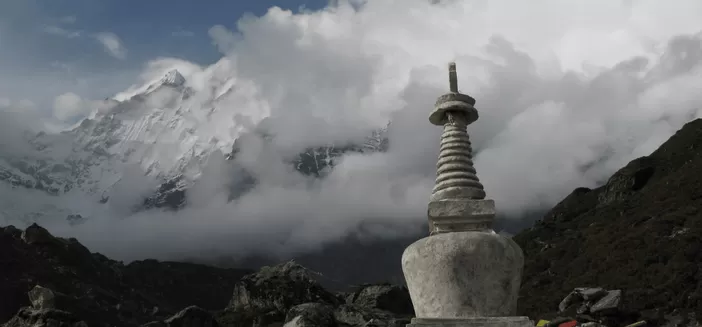
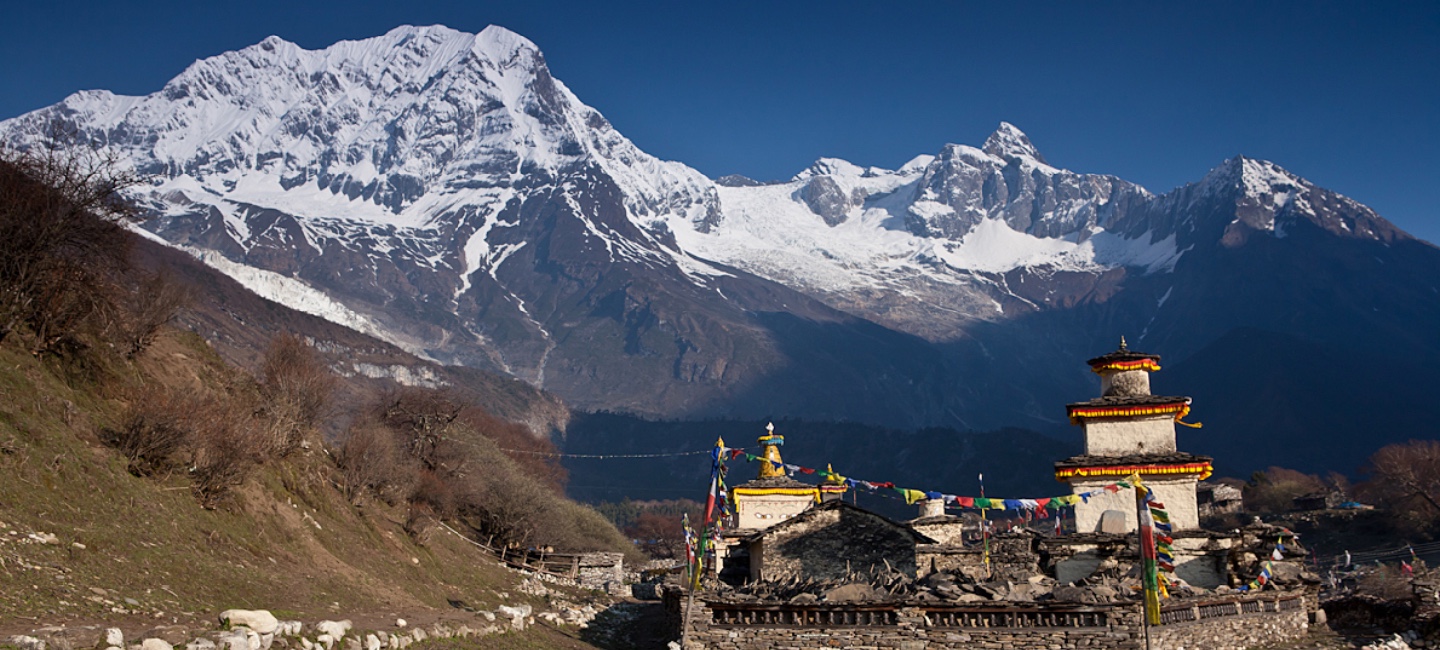
The Manaslu region shows its Tibetan Buddhist cultural heritage through its ancient monasteries and prayer flags and mani walls and chortens which exist throughout the hiking path. You will walk through traditional villages which display authentic farming methods and carpet weaving skills and historical customs that have existed for centuries. The main cultural attractions of the area include Pungyen Monastery which sits close to Lho village and Ribung Gompa which exists in Samagaun and the opportunity to observe monks as they conduct their morning prayers. Villages celebrate Buddhist festivals with colorful dances, rituals, and community gatherings. The local Nubri and Tsum people speak Tibetan dialects, practice polyandry in some areas, and maintain strong spiritual traditions. Visitors must show respect for local customs by walking clockwise around religious sites and asking for permission before taking photographs of people and dressing in modest clothing and removing their shoes before entering monasteries. The process of understanding a culture becomes more profound when you show respect while interacting with its native population.
The correct way to practice responsible trekking involves following Leave No Trace principles which require you to dispose of all waste including toilet paper and to stay away from single-use plastics while using designated restroom facilities. The proper way to show respect for religious sites requires visitors to walk clockwise around mani walls and stupas while they should avoid climbing sacred monuments and request entry permission at monasteries. Photography etiquette requires photographers to request permission before taking pictures of local people especially during religious events and inside monasteries. Visitors to religious sites should dress modestly by wearing clothing that does not show their body. Local economies benefit when customers buy handmade products and they give proper tips to guides and porters while they select local teahouses instead of camping expeditions. People can decrease their environmental impact through two practices which include using refillable water bottles and limiting their hot shower duration and saving electricity. Basic Nepali phrases help people demonstrate respect for Nepalese culture. Your behavior affects how communities perceive future trekkers.
The presence of porters on your trek is optional yet their services will create better trekking conditions for you while they help local communities. Your complete backpack weight of 12-15kg results in energy loss during high-altitude areas which prevents you from both altitude adaptation and scenic enjoyment. Porters carry two trekkers' total 30kg throughout the trek while they charge 15 to 25 dollars per day based on seasonal conditions and trek length. The investment enables you to hike with only a light daypack that holds water snacks and camera and extra clothing. The mountain communities which provide porters to work in trekking receive vital income that helps their families and educational needs. Your agency must supply porters with equipment and insurance and accommodation together with fair wages. The entire trekking industry depends on how operators treat their porters. The majority of trekkers establish deep bonds with porters who share their local expertise and personal experiences.
The best guides unite their technical knowledge base with their personal characteristics to create better experiences for others. You should select guides who possess government authorization, wilderness first aid certification, altitude sickness training, and more than 10 successful Manaslu treks. The guides must show proficiency in English because they need to explain cultural and geographical information, together with safety procedures. The enjoyment people experience depends on their personality match with others, which leads to different preferences between professional guides who maintain silence and guides who tell entertaining stories. Effective guides possess the ability to understand how their group operates, which enables them to select appropriate speeds for participants who face difficulties while they execute safety protocols and manage logistical tasks without showing self-importance. The employee demonstrates navigation skills, and they can recognize altitude sickness symptoms, and they are capable of organizing emergency evacuations, and they can establish reasonable teahouse pricing. You should obtain guide profiles together with references and experience details before you proceed with your booking. The investment in premium guides provides better experiences because they deliver exceptional value at a higher cost.
Private customized treks provide total freedom to select all aspects of their journey, from itinerary design to their travel speed, starting times, and their selection of group members. You control your daily walking distances and your choice of rest day locations, your selection of side treks to Manaslu Base Camp or Tsum Valley, and your preferred places to stay. Private treks cost more per person (typically $1,800-3,500) but provide personalized attention, schedule flexibility, and intimate experiences. The service allows you to choose which luxury lodges to add from available options and which duration to shorten or extend and which destinations to combine with Annapurna Circuit, and which personal events to base your schedule on. Agencies can better meet dietary needs, photography requests, cultural interest needs, and physical activity requirements through their work with private groups. Solo travelers can create private treks by hiring guides independently. The process of customizing requires advanced booking because customers need to schedule their trips during peak seasons when guide availability decreases.
The Manaslu Circuit Trek exists as a secure trekking path which female solo travelers can use when they travel with organized groups or hire guides. Nepal's trekking regions create safe spaces which visitors can use because they show respect for others and maintain their rights. Female travelers should dress modestly, especially in conservative Buddhist villages, wearing long pants and covering shoulders. Some agencies provide mixed-gender and all-female group options which enhance social comfort and safety for their clients. Teahouse accommodations provide basic yet secure sleeping spaces which include rooms that guests can lock. At lower elevations, toilets provide better sanitation, but at higher elevations, toilets become basic with squat toilets which offer little privacy. Some agencies provide female guides for women who want to travel with female companions. The Manaslu trek remains an accessible path which thousands of women complete every year. Trust your instincts, choose reputable agencies, and connect with other female trekkers through online communities.
Nepal provides multiple amazing trekking routes which allow trekkers to explore the country without needing to hire guides. Solo trekkers can access the Annapurna Circuit, Annapurna Base Camp, Everest Base Camp, Langtang Valley, Ghorepani Poon Hill, and Helambu treks by obtaining the necessary permits for their journeys. The designated paths of the trekking routes show strong safety measures because they provide reliable infrastructure and visible pathways and regular tea houses and larger trekking groups which trek through the area. Trekkers who travel alone should think about bringing guides who possess expertise in the area and local traditions and emergency assistance abilities although guides are not required. The restricted areas of Upper Mustang, Dolpo, and Kanchenjunga require the same access restrictions which apply to Manaslu. People who want to travel independently need to choose areas which grant them complete freedom but they must follow safety measures which include checking in at locations and using communication tools and getting evacuation protection and notifying others about their travel plans.
The most common mistake occurs when climbers ascend without proper acclimatization. Most trekkers arrive to the trek underestimating its difficulty, which results in their unprepared state both physically and mentally. Inadequate gear—especially improper footwear, insufficient warm clothing, or poor-quality sleeping bags—causes unnecessary suffering. Trekkers overload their backpacks with items they do not need which results in difficulties when they try to move their heavy loads. People who ignore their first altitude sickness symptoms in order to wait for improvement create situations that need emergency evacuation. Poor hydration and nutrition during trekking days depletes energy reserves. The cheapest agencies often provide untrained guides who use substandard equipment while putting safety at risk. Not purchasing adequate travel insurance creates financial disasters during emergencies. People who maintain strict expectations about weather conditions and their experiences will face disappointment when actual conditions differ from their imagined ones. Most problems become solvable through proper preparation and flexible strategies.
People fear altitude sickness because they do not know how their bodies will react to high altitude areas with low oxygen levels. The Larkya La Pass presents a terrifying experience for trekkers who believe they will encounter steep and dangerous paths which severe weather conditions will make impassable. The first-time trekkers experience physical discomfort because of their worries about their ability to complete the trek while needing to maintain physical strength for multiple demanding days. The remote area creates problems because medical emergencies can arise when people stay away from hospitals and their communication options remain limited and helicopter evacuation costs become too high. The weather unpredictability makes people anxious about the possibility of snowstorms and landslides and trail closures which will interrupt their planned activities. Some people worry about traveling with unfamiliar people who speak different languages in group settings. Germaphobes become anxious about toilet conditions because they want to know about hygiene standards. People experience financial fears because they face unexpected expenses and scams and trip cancellations. People develop these concerns as normal responses which become less dangerous through preparation and employment of qualified guides and acquisition of proper insurance and establishment of actual expectations.
Trek at "pole pole" pace (Swahili for "slowly slowly")because hurrying leads to energy loss and it stops our bodies from adapting to high altitudes. Start each day early (6-7 AM) until we complete our work before the afternoon weather worsens which allows us to move into better sleeping arrangements. The body requires continuous hydration throughout the day instead of drinking large amounts at irregular times. Breakfasts need to be substantial because they must deliver enough energy to sustain our trekking activities throughout the day. The hiker uses trekking poles to minimize knee strain while descending and to achieve better balance on uneven ground. The hiker needs to manage his body temperature by wearing multiple clothing layers that he can remove whenever he experiences overheating or coldness. The hiker should take short breaks at 45 to 60 minute intervals because this practice helps him maintain his work pace while he still has some energy left. You must listen to your body because you need to rest when necessary and inform your guides about your discomfort but you should never continue working through severe symptoms. The daypack needs to have an efficient organizational system that allows users to access their stored items without difficulty. The travel schedule needs to include buffer days, which will provide accommodation for both weather interruptions and essential rest periods. The hiker needs to maintain his positive attitude during difficult situations because he needs to remember the reasons that led him to choose this particular expedition.
The mobile network provides intermittent coverage throughout lower areas because Nepal Telecom and Ncell deliver signals that only work during specific times. The coverage area becomes unusable when the elevation reaches 3000 meters and becomes completely unavailable near Larkya La Pass. Some teahouses offer WiFi ($3-5 per day) which provides extremely slow speeds that can only support basic messaging apps but not video calls or large file transfers. Emergency communication exists through satellite phones but most trekkers leave these devices behind. I recommend that people inform their family and friends about their communication limitations before they leave.People need to create their contact schedules which should not include daily communication updates. People can buy local SIM cards in Kathmandu which cost between $2 and $3. People need to download offline maps and trail information and entertainment content before they go trekking. The trek provides people with rare chances to disconnect from digital devices and experience natural surroundings without any interruptions.
Best Price Offer

Start From

US$ 870 Person

Speak with a Nepal Adventure Travel Expert

Get personalised guidance for any Nepal adventure — with expert planning and safety support.

Ask Now

We offer expert advice, flexible options, and tailor-made itineraries.

Average Reviews Write a review

4 /5

Good

From 21 reviews

Cleanliness

4/5

Service

4/5

Facilities

4/5

Location

5/5

Value for money

5/5

Traveler Review

Traveler Review