US$ 1870Get OfferEnquire

Upper Mustang Monsoon Tour & Trek

Country
Nepal

Duration
17 Days

Maximum altitude
3950 m

Activity
Trekking

Difficulty
Chanllenge

Best Season
June - September

Accomodation
Mountain Lodge

Meals
Excluded

Start/End Point
Kathmandu

Trek Overview

Trek Overview

The tour and trek through Upper Mustang during the monsoon provide a unique chance to visit one of the most alluring areas of Nepal when most other trekking places will be inaccessible at that time. Between June and September, when the rest of Nepal suffers from heavy monsoon rains, Upper Mustang continues to be very dry due to its strategic location in the rain shadow of the Annapurna and Dhaulagiri mountain ranges. The Upper Mustang monsoon tour is a mix of cultural enrichment and fun, leading travelers to a Tibetan Buddhist kingdom that is so well preserved and even feels like a time capsule. The Upper Mustang Monsoon Trek can be done either on the traditional route or through the Upper Mustang jeep and hike tour, thus providing an option for different fitness levels and time limits.

The Upper Mustang rain shadow trek is a journey revealing a distinctly different landscape of such a kind in Nepal, with its desert conditions, deep eroded canyons, and bright rock formations all together forming a really wonderful place to hike. Upper Mustang monsoon trekking offers several advantages, such as the presence of very few people, the possibility of bright skies, and very pleasant temperatures, which are all in contrast to the busy autumn season. The period of the Upper Mustang tour, June to September, is a window for the visitors to see the area's different types of plants and birds, where only the very strong plants survive under the most adverse conditions. This time is especially significant for the botany fraternity dealing with the monsoon flora, as the rare high-elevation plants get to be seen going through the process of adapting to their unyielding environment.

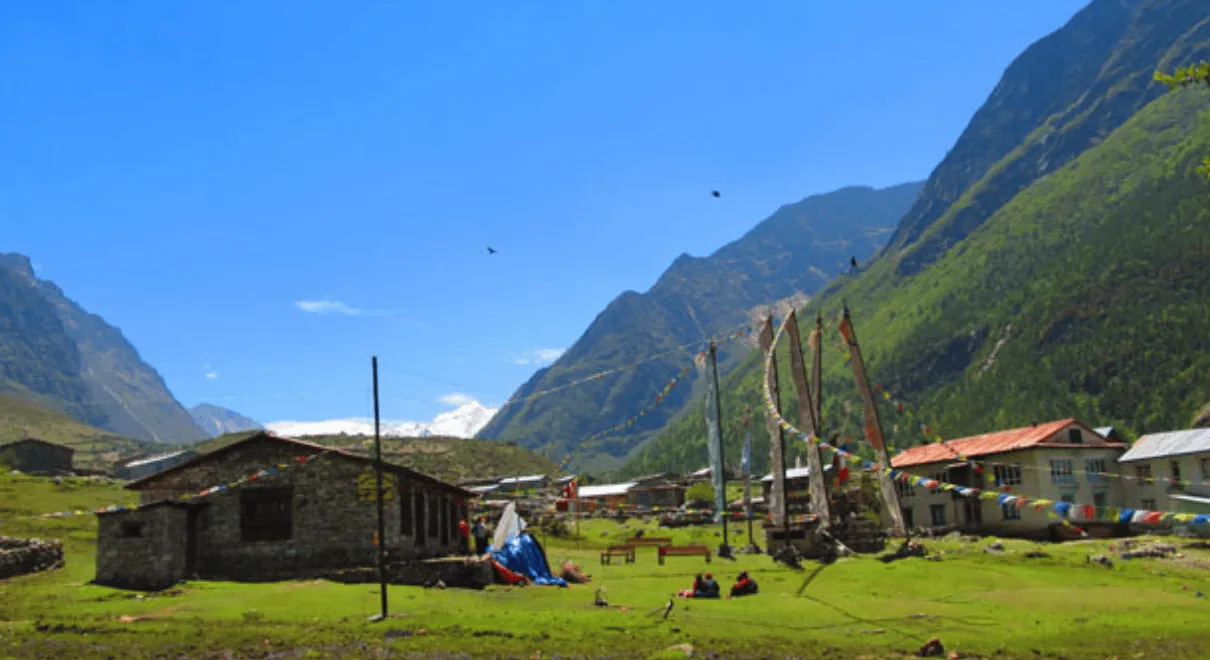
Adventurous travelers of the Upper Mustang 4WD jeep tour option will be able to access this remote region, even if they cannot complete day-long walks but still have the desire for the culture and nature's treasure of the area. The Upper Mustang jeep trek monsoon mixes motorized transport and shorter walking segments, so you are able to see ancient cave monasteries, traditional whitewashed villages, and the walled city of Lo Manthang without the exhausting conditions of the incessant trekking. This upper Mustang desert trek wanders through such scenery that seems to be more Tibetan than Nepali, where flat-roofed houses, bright colors of prayer flags, and millennia-old Buddhist art on the walls of the monasteries are the attractions.

The Upper Mustang cultural tour presents genuine interactions with the community people who continue living in a way that is almost entirely immune to the modern world. The expert guides offer insights that could be considered questionable but are based upon years of experience, thus addressing the altitude, weather, and cultural protocols through the concerns of real trekkers. The hiking or vehicle tour choice does not matter; the Upper Mustang Monsoon Tour & Trek always gives off unique incidences of the Himalayan culture and geography that no other tours can offer. This trip opens up possibilities for original research for those who are curious about high-altitude ecosystems, the Buddhist religion, or adventure photography. The mix of stunning landscapes, real-life cultural experiences, and perfect weather conditions definitely puts this monsoon season trip in the spotlight for those travelers who have a discerning taste and want to go beyond the ordinary trekking experiences in Nepal.

Trek Highlights

Trek Highlights

The upper Mustang monsoon trek is a fascinating and exciting activity to do in Nepal where the rain falls the least and the sunshine the most because of its positioning in the unique rain shadow area, offering pleasant temperatures and clear skies while the other trekking areas suffer from heavy rains and impenetrable barriers.

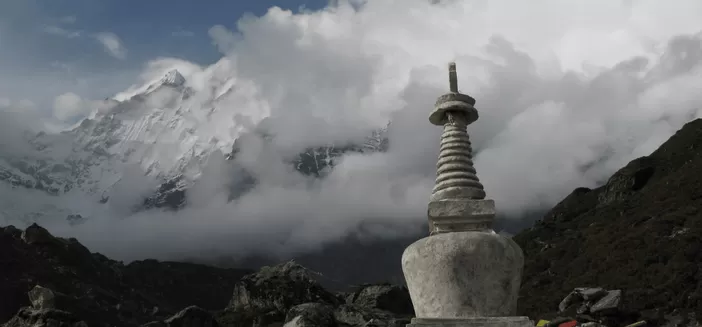
Visit the Buddhist cultural centers of Tibet that are still practicing their faith in the villages, the cave monasteries, and the city of Lo Manthang, where the old ways of living, art, and architecture are hardly affected by the modern world.

The upper Mustang desert trek leads to the exposure of the beautiful dry land with the mixed colors of eroded cliffs, stunning canyons, and fantastic rock formations that together form a landscape that is more akin to Tibet than the usual green Nepali pictures.

Select from the choice of the classic trekking or the upper Mustang 4wd jeep tour which allows the visitors of different fitness conditions to explore the hidden area by either hiking, driving, or mixing both the ways.

With the monsoon trekking in upper Mustang, one gets to meet a lot fewer travelers compared to the autumn peak season thus giving rise to close cultural interactions, quiet paths, and slow-paced discoveries in monasteries and villages along the way.

The upper Mustang monsoon tour is the only way to go for one who wants to study the flora during the monsoon, seeing the rare plants that grow only at high altitudes and the tough vegetation types that have evolved and adapted to living in desert conditions at heights more than 3,800 meters.

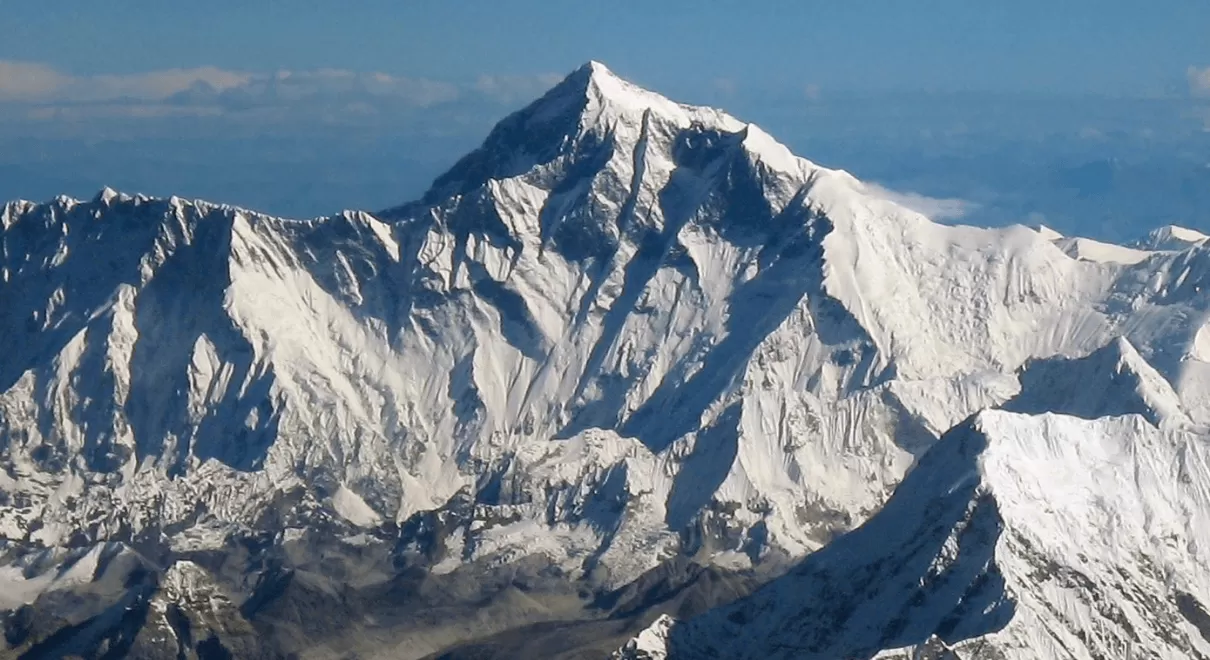
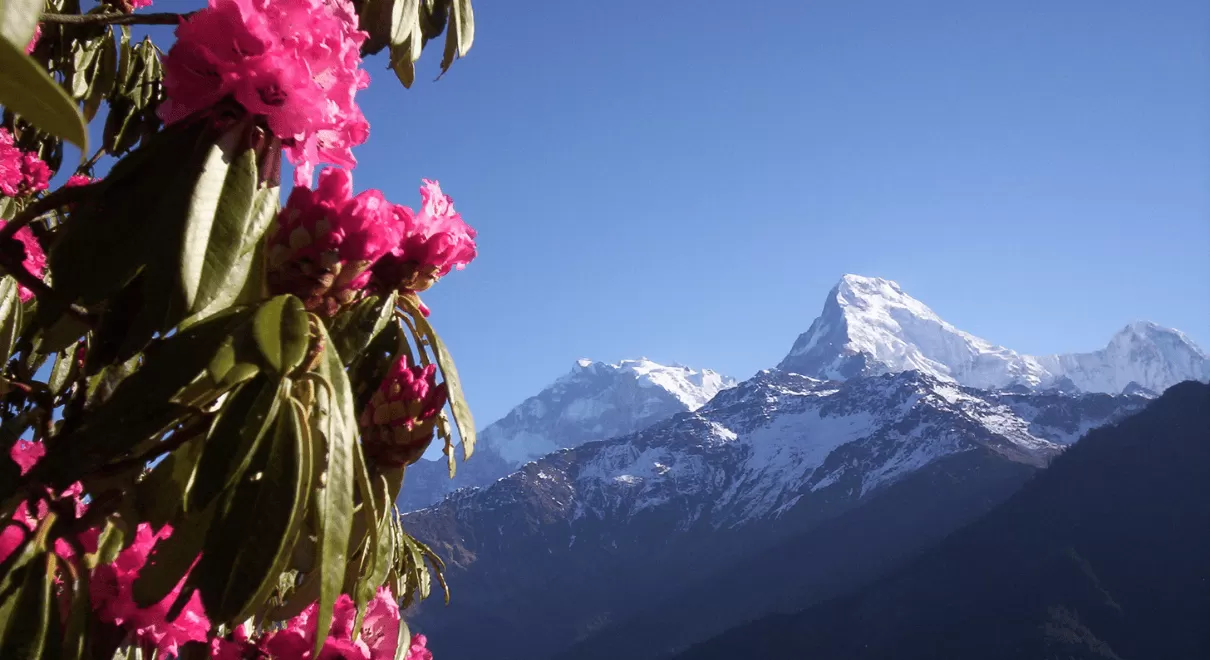
The very dramatic lighting, clear mountain vistas, unspoiled nature, vibrant prayer flags contrasting with blue skies, and real cultural events make for unique and superb photography opportunities that cannot be found during the monsoon and cloudy conditions in other parts of Nepal.

Outline Itinerary

Outline Itinerary

Package Price

Package Price

Price Table

Travelers 1 2
Silver - USD 1870
Gold - USD 2270

  • Airport  to hotel pick-up and drop-off by private vehicle
  • Two-night accommodation in Kathmandu at a three-star hotel with breakfast
  • Two-night accommodation in Pokhara with breakfast 
  • Accommodation in a mountain lodge run by local people during the trek
  • One highly experienced mountain Guide and porters (1 porter for 2 people),
  • Accommodation, food, drinks, salary, insurance, and transportation of both trek guide and porters
  • Group medical supplies (first aid kit)
  • All necessary paperwork and Annapurna conservation area entry permit
  • Special permit for Upper Mustang (USD 500 for ten days; after ten days, USD 50 per day).
  • TIMS Card (Trekker’s Information Management System card)
  • All additional government tax
  • Kathmandu/Pokhara/Kathmandu tourist bus ticket
  • Fly ticket PKR/JOM/PKR.
  • Other ground transportation

  • Nepal entry visa fee (USD 30 for 15 days/USD 50 for 30 days from date of issue) (You may easily get a Nepal visa upon your arrival at Tribhuvan International Airport, Kathmandu.)
  • International airfare
  • All meals while during the trek
  • Accommodation  in Mountain Lodge
  • Sightseeing entrance fees
  • Travelers Insurance
  • All kinds of drinks (Alcohol, hot and cold drinks)
  • Lunch and dinner in Kathmandu and Pokhara (approx. 10-12 USD)
  • Bar bills, telephone bills, and other personal expenses (shopping/laundry)
  • Tips to guide and porter
  • All expenses due to unavoidable events, e.g., personal illness, strike, etc.
  • Helicopter evacuation charge in case of emergency whilst trekking

  • Airport to hotel pick-up and drop-off by private vehicle
  • Two-night accommodation in Kathmandu at a three-star hotel with breakfast
  • Two-night accommodation in Pokhara with breakfast
  • Accommodation in a mountain lodge run by local people during the trek
  • Meal on full board (breakfast, lunch, and dinner) during trekking
  • One highly experienced mountain Guide and porters (1 porter for 2 people),
  • Accommodation, food, drinks, salary, insurance, and transportation of both trek guide and porters
  • Group medical supplies (first aid kit)
  • All necessary paperwork and Annapurna conservation area entry permit
  • Special permit for Upper Mustang (USD 500 for ten days, USD 50 per day).
  • TIMS Card (Trekker’s Information Management System card)
  • All additional government tax
  • Kathmandu/Pokhara/Kathmandu tourist bus ticket
  • Flight tickets PKR/JOM/PKR.
  • Other ground transportation

  • Nepal entry visa fee (USD 30 for 15 days/USD 50 for 30 days from date of issue) (You may easily get a Nepal visa upon your arrival at Tribhuvan International Airport, Kathmandu.)
  • International airfare
  • Sightseeing Entrance Fees
  • Travelers Insurance
  • All kinds of drinks (Alcohol, hot and cold drinks)
  • Lunch and dinner in Kathmandu and Pokhara (approx. 10-12 USD)
  • Bar bills, telephone bills, and other personal expenses (shopping/laundry)
  • Tips to guide and porter
  • All expenses due to unavoidable events, e.g., personal illness, strike, etc.
  • Helicopter evacuation charge in case of emergency whilst trekking

Detailed Itinerary

Detailed Itinerary

Trek FAQs

FAQs
Upper Mustang is nestled in the rain shadow of the Himalayas, which means it gets very little rain during the monsoon season (June-September). While the rest of Nepal is drenched in heavy rain and facing trail closures, Upper Mustang basks in clear skies, dry weather, and fantastic trekking conditions. This makes it one of the top spots in Nepal to visit during the monsoon, offering fewer crowds and breathtaking desert scenery.
The period from June to early September is characterized by optimal weather conditions. The months of July and August are marked by the most consistent weather with daily temperatures of 20-25°C and nightly temperatures of 5-10°C. Besides, there will be clear skies, little rain, and a smaller number of tourists than during the peak autumn season, thus making it a perfect time for those who want to enjoy the tranquility and immerse themselves in the culture.
Absolutely, Upper Mustang mandatorily requires a Restricted Area Permit (RAP), which costs $50 USD daily for every single day spent in the restricted zone. Apart from this, an Annapurna Conservation Area Permit (ACAP) around NPR 3,000 (near $25 USD) will be needed, and a TIMS Card for trekkers' safety tracking will also be mandatory. Every trek has to be done through registered agencies with licensed guides. Several areas do not allow independent trekking. Mountains of permits are processed through authorized trekking companies.
The hike is of moderate difficulty, necessitating daily walks of 5-7 hours at altitudes ranging from 2,800m to 3,840m. Technical climbing skills are not needed, but being in good shape is a must. The high altitude, unapproachable area, and protracted walking days want adequate acclimatization. Prior trekking at high altitude is a plus for the unyielding novices, but it is not a condition.
Lo Manthang, situated at 3,840m (12,600ft), is the usual peak in most tours. Depending on the route, daily hikes to nearby places with a view over 4,000-4,200m can be done. The slow rise to the top makes it easier for the body to get used to the high altitude. Jomsom is at a height of 2,720m, and every day you go up 200 to 400 meters, so your body has enough time to adjust to the lower oxygen levels naturally.
Trekking independently in Upper Mustang is absolutely not allowed. A licensed guide from a registered trekking agency will accompany you throughout the trek. The least number of trekkers in a group is two. Solo travelers may either join a scheduled group departure or pay for the single supplement. The regulation is meant to safeguard both the culture and the environment from being overwhelmed while looking after the safety of the trekkers in the remote area.
Upper Mustang has a very dry, sunny, and hot climate during the monsoon period. The diurnal range of temperature is 15-25°C during the day and 5-10°C at night. Only a small amount of rain falls, with an annual average of less than 200mm. The area is often quite windy, especially in the afternoons, which results in dusty conditions. The skies are usually clear, and the views of the mountains are outstanding. The rain shadow effect is the reason why this part of the world is not affected by the monsoon rains that surround it.
Most of the villages along the route have basic teahouses and guesthouses. Simple rooms are the norm, with twin beds, communal bathrooms, and hot water of only limited supply. Electricity can only be used during the night. In Lo Manthang, accommodations are a bit better. The amenities are basic but very clean. Some high-end operators give the choice of camping with high-quality facilities, however; teahouse trekking is the norm and it is full of the local culture.
Teahouses provide different kinds of meals such as dal bhat (rice and lentils), noodles, soups, Tibetan bread, momos, and vegetarian dishes that are simple. Besides, western options such as pasta and pancakes are also available. Food variety reduces in areas that are farther away from civilization. Though bottled water is available, it is costly—purification tablets or filters are preferred. During the rainy season, eating of raw vegetables is not recommended. The majority of the meals are freshly cooked, nutritious, and offer enough energy for the hike.
Mobile connectivity has a poor connection that can be very irregular over the whole Upper Mustang area. Ncell's network is a little better and it can be found only in the larger villages like Kagbeni, Tsarang, and Lo Manthang but at the same time, it is very likely to have dead zones between these settlements. Some teahouses offer WiFi service but you will have to pay 300-500 NPR per hour and very slow speeds are what you will get. Take this as an opportunity to disconnect digitally and let your relatives know in advance.
There are very few charging spots at tea houses and generally they are used only during the night hours. Charging will cost you around 200-500 NPR, depending on the device. Power supply is through solar panels or generators with low hours. It is advisable to bring more than one power bank and also a portable solar charger as a backup. Consider first charging your most needed devices such as mobile phones and cameras. Most guesthouses have a few sockets only, so you need to be very patient while waiting for your devices to be charged.
Absolutely, an extensive travel insurance that includes emergency helicopter evacuation from high altitudes of more than 4,000m is obligatory. Evacuation can be life-saving as there are no medical facilities along the trek. Insurance should include trip cancellation, medical expenses, and rescue operations. Check that your policy specifically has trekking in the restricted areas of Nepal. During the whole trip, keep policy details and emergency numbers within easy reach.
Basic necessities are 'layered' clothing that corresponds with changing weather, windproof jacket, sleeping bag rated for -10°C (warm sleeping bag), sun protecting agent (hat, sunglasses, SPF 50+ sunscreen), dust mask for windy conditions, trekking poles, water purification tablets, personal first-aid kit, headlamp tool, power bank, and toiletries. Light packing is advised but no cold night layer and protection against fierce wind and hot sun are to be left out.
The population of Upper Mustang is Tibetan Buddhists, and they practice the ancient Sakya and Nyingma traditions, which are older than the Dalai Lama's Gelugpa school. The daily activities are dominated by Buddhist practices, including the spinning of prayer wheels, chanting of mantras, visiting monasteries, and participating in festivals. Bon (which is the pre-Buddhist shamanistic religion) influences are still visible in some rituals. Religious dedication is the primary factor in Mustang culture, and it has influenced all fields, from architecture to agriculture, thereby creating a living legacy of the medieval Tibetan Buddhist civilization.
Tiji Festival, the most significant event of Upper Mustang, is usually held in May (sometimes in early June) and accompanied by three days of masked dances, prayers, and rituals in Lo Manthang. Monsoon months (July-August) are marked by the continuation of larger village festivals and monk ceremonies. Yartung Horse Festival is celebrated in late August/early September in different villages where the harvest season is celebrated through horse racing, archery, dancing, and community gatherings that exhibit the traditional Mustangi culture and horse riding skills.
Indeed, the majority of monasteries are inviting to the visitors who observe the rules during the rainy season. The big monasteries in Lo Manthang, Tsarang, Ghami, and other places are still accessible. The behavior expected is to dress modestly, take off shoes before entering, and ask permission before taking pictures and considering donations for the upkeep. There are some monasteries that have entrance fees. Most of the monks are friendly and might talk about the Buddhist teachings, murals, and statues. Visiting in the early morning or late afternoon will be at the same time as prayer, which will give you a very genuine cultural experience.
The four-story Royal Palace of Lo Manthang, constructed in 1380, was the home of the royal family of Mustang for many years. The present King (the official name for him is "Raja") still lives there, even though the monarchy in Nepal was abolished in 2008. The palace represents the status of a former kingdom and the cultural independence of Mustang. Its unique Tibetan architecture, religious artifacts, and historical significance make it the most important cultural site in Upper Mustang, which is a living museum of ancient traditions.
The Upper Mustang's geographical seclusion and limited entry turned it into a cultural time capsule, which the 15th-century Tibetan civilization. Mustang was not affected much by the culture circle around it and thus remained in the same way as before regarding its buildings, religion, society, language (Loba dialect), arts, and even everyday life practices. The fortified town of Lo Manthang, the old monasteries with the original paintings and texts, and the ongoing religious practices all together constitute a living heritage that can scarcely be found elsewhere.
The traditional Mustangi attire is the complete embodiment of Tibetan culture even in the way it has been made suitable for the high-altitude desert area. Women sport chupa (long woolen robes) with multicolored striped pangden aprons that indicate their marital status, elaborate jewelry that consists of necklaces made of coral and turquoise, besides the peculiar headwear. The look of the men includes chupa worn with sashes and felt boots. The grandeur of the fabric with brocade materials is visible only during the festivals when costumes are at their best. Young people are increasingly adopting modern attire, however, the traditional dress is still widely used during the rituals and by the old ones.
You could say yes to the religious ceremony of the monastery during rains, which is an excellent opportunity for authentic cultural immersion. The morning and evening prayer sessions (puja) are open to respectful observers. Be there early, sit quietly, and dress modestly, and also be attentive to the local manners. You must ask for permission to take pictures during the ceremonies. Occasionally, special ceremonies take place during the monsoon months when the monks are not working in the fields. Your guide will help you with the visits and will give you information about the meaning of the ceremony, the etiquette that goes along with it, and the significance of the prayers, instruments, and offerings.
The people who live there converse in Loba (alternatively called Loke or Mustangi), which is a Tibetan dialect that is a sister to classical Tibetan but different from modern Lhasa Tibetan. Nepali is the only language that is spoken in schools and is treated as the official language. The older generation speaks the Loba language predominantly, while the younger ones communicate in two or three languages, sometimes, they even understand some English. A large number of the lodge owners and the guides are proficient in English to a certain extent. The Loba language along with oral traditions and a particular vocabulary signify the long centuries of cultural isolation that have taken place, and they also keep alive the ancient linguistic heritage.
Best Price Offer

Start From

US$ 1870 Person

Speak with a Nepal Adventure Travel Expert

Get personalised guidance for any Nepal adventure — with expert planning and safety support.

Ask Now

We offer expert advice, flexible options, and tailor-made itineraries.

Average Reviews Write a review

5 /5

Very Good

From 15 reviews

Cleanliness

5/5

Service

5/5

Facilities

5/5

Location

5/5

Value for money

5/5

Traveler Review

Traveler Review