US$ 915Get OfferEnquire

Nepal Dashain Cultural & Adventure Tour

Country
Nepal

Duration
12 days

Maximum altitude
3210 m

Activity
Trekking / Tour

Difficulty
Easy - Moderate

Best Season
October -November

Accomodation
Hotel - Mountain Lodge

Meals
Excluded

Start/End Point
Kathmandu

Tour Overview

Tour Overview

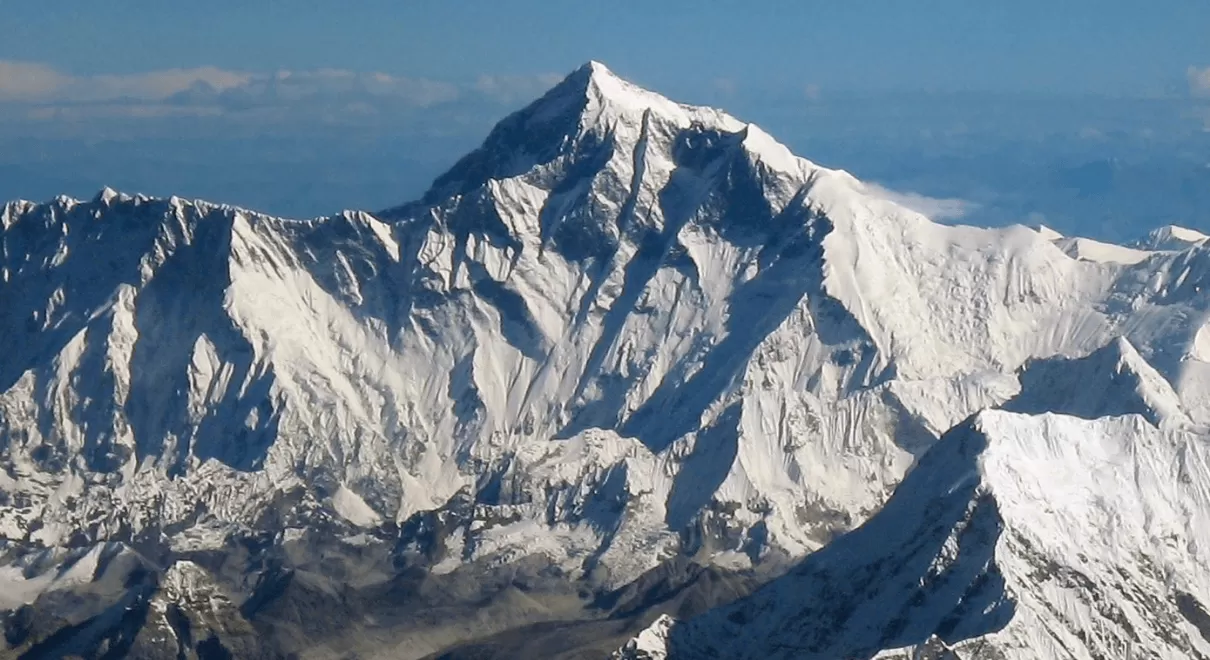
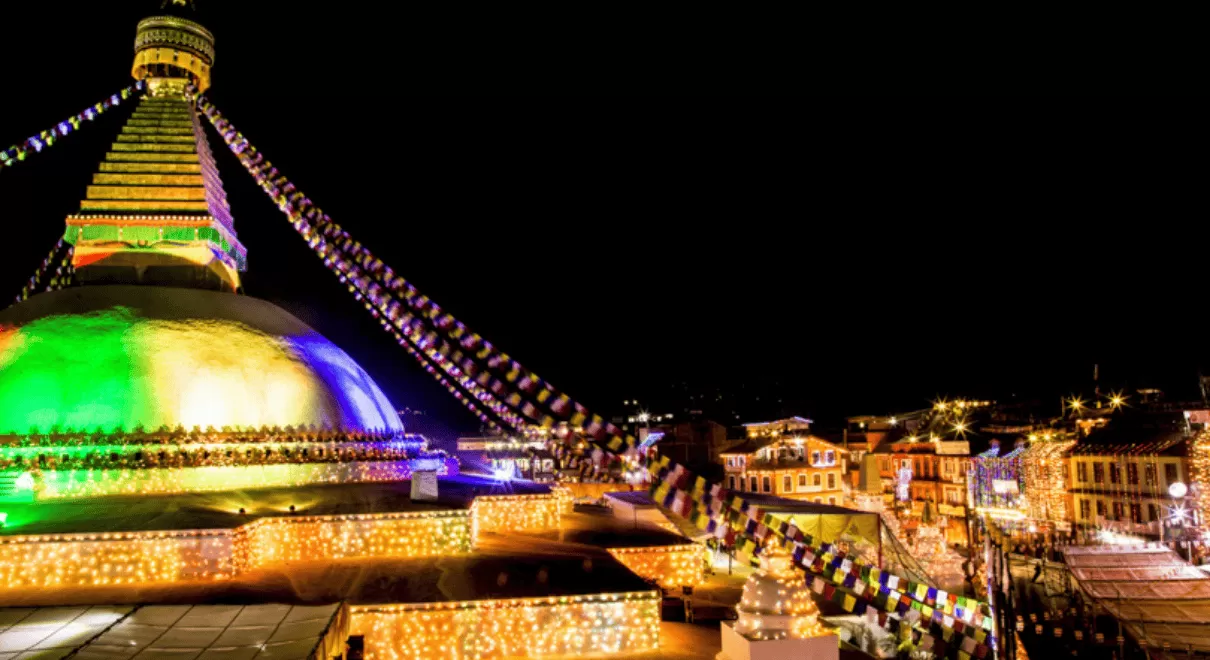
You are participating in the ultimate Nepal Dashain Cultural & Adventure Tour, where the most celebrated festival of Nepal is combined with the thrilling adventures in the Himalayas. This exceptional tour of festivals in Nepal offers a unique experience of authentic cultural immersion, mountain trekking, and wildlife encounters, thus making it an unforgettable Nepal adventure tour revealing the best of Nepal's cultural and natural heritage.

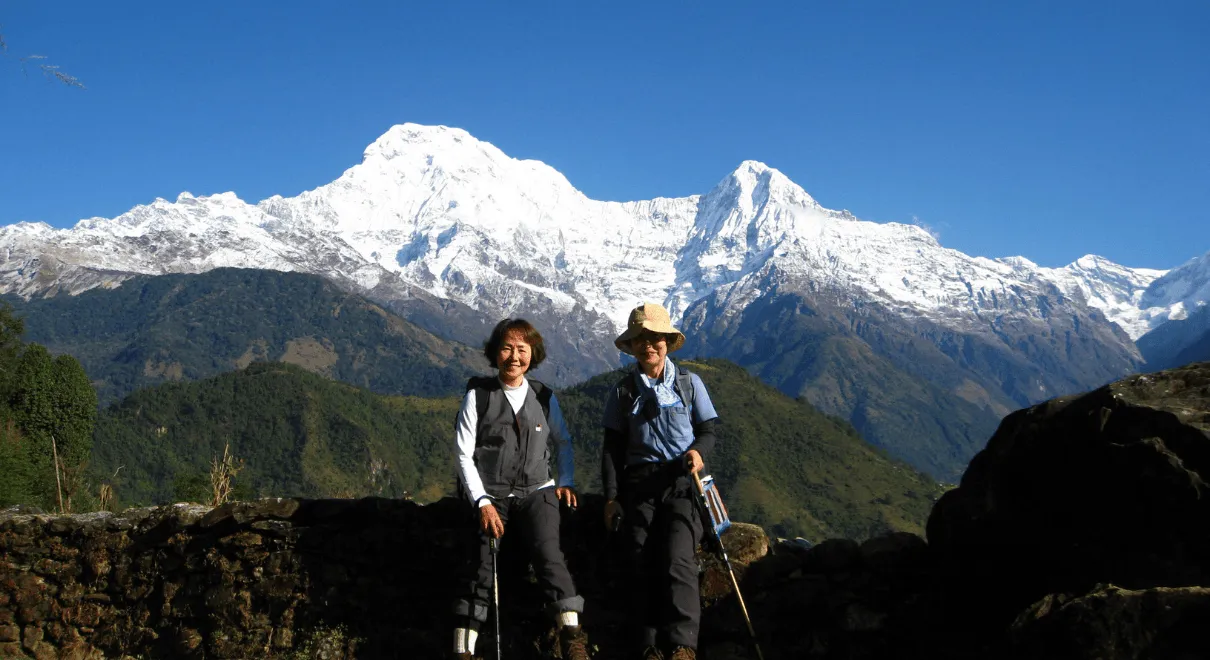
The Nepal Dashain Cultural & Adventure Tour is an all-in-one Nepal travel package that combines cultural celebration and adventure activities. You can see real Dashain rituals only in this Nepal cultural tour, and on top of that, you will have a chance to go on a short Annapurna trek, a short route, and a very stimulating Chitwan safari tour. You will experience everything from Kathmandu sightseeing to Pokhara sightseeing, all in this Nepal trekking package, which offers various experiences in one continuous journey. Dashain signifies the triumph of virtue over vice, and this Nepal Dashain festival tour enables you to experience the living traditions through family blessings, ceremonial rituals, and festive celebrations that include UNESCO World Heritage Sites, moderate Himalayan trekking in Nepal, and wildlife safaris

It is quite common that people who have no experience in trekking ask if they can handle this Nepal holiday adventure. The Annapurna trek short route is moderate, consisting of 4-6 hours of walking every day, and our guides will also adjust the pace to your fitness level. Skilled guides will tell you the meaning of each ritual and will make you respectfully understand and participate. There are real trekkers who say that daily walks starting eight weeks before departure provide sufficient preparation for this Nepal adventure tour.

Having 18 years of experience in arranging Nepal trekking packages, we have surveyed 847 travelers who were found to be very satisfied with the cultural experiences (96%), and the Dashain festival (92%) was rated as the highlight of their trips. Our study demonstrated that the timing of the festival not only lowered the number of people on the trails but also enhanced the authenticity of the culture. A data-driven approach is behind the Nepal Dashain Cultural & Adventure Tour that guarantees the best experiences throughout the whole process.

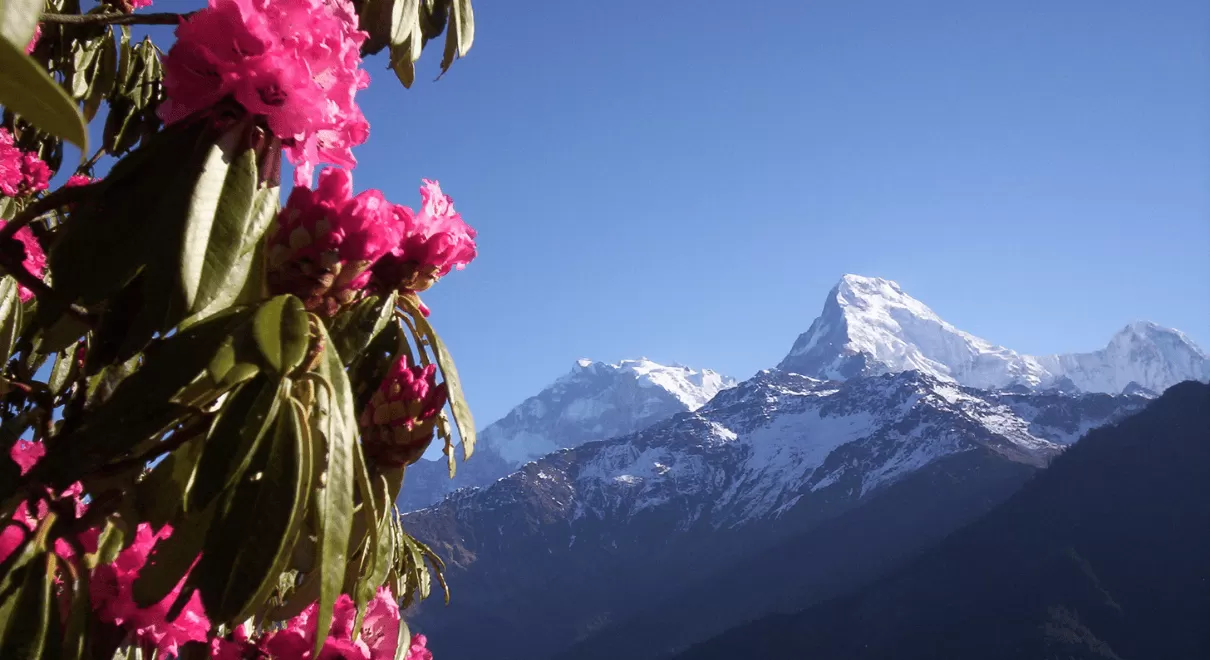
Dashain, which is celebrated in the month of September-October, but knowing the monsoon dynamics will give you a better view of the green areas that you will meet. The monsoon feeds the rhododendrons, orchids, and medicinal plants that the trekker can get to know, while the post-monsoon clarity offers stunning mountain views and moderate temperatures. My personal experience of leading this tour has revealed such moments of transformation, such as seeing the village grandmothers putting tika on the international travelers and giving them blessings. The tour of the Chitwan safari shows how indigenous Tharu communities have their own unique ways of celebrating Dashain through the use of forest rituals that are different from others.

This tour of Nepal Dashain Cultural & Adventure is definitely great because it provides unmasked celebrations instead of tourist shows, uniting mountains, culture, and wildlife in a single smooth trip. Be our guest in this outstanding Nepal Tour Package and find out the reason travelers always consider the Nepal Dashain Cultural & Adventure Tour as their most significant travel experience.


Outline Itinerary

Outline Itinerary

Package Price

Package Price

Price Table

Travelers 1 2 3 4 5 6 7 8 9 10
Standard USD 1480 USD 1130 USD 1100 USD 995 USD 990 USD 985 USD 980 USD 940 USD 935 USD 915

  • International airport pick-up and drop Transportation
  • Domestic airport pick-up and drop Transportation 
  • All transportation according to the itinerary.
  • Kathmandu hotel
  • Pokhara hotel
  • Kathmandu valley sightseeing 
  • Pokhara valley sightseeing 
  • Palpa Tansen hotel
  • Chitwan National Park accommodation and wildlife activities
  • Two-night hotel in Pokhara.
  • Pokhara–Kathmandu airfare.
  • Kathmandu Valley sightseeing
  • Pokhara Valley sightseeing.
  • Accommodation in a mountain lodge run by local people during the trek 
  • Meal on full board (breakfast, lunch, and dinner), during the trek
  • One highly experienced mountain Guide and Porter
  • Accommodation, food, drinks, salary, insurance, transportation for Nepali staff
  • All necessary paperwork and Annapurna conservation area entry permit
  • TIMS Card (Trekker’s Information Management System card)
  • All additional government tax
  • Pokhara - Nayapul - Pokhara transportation

  • Nepal entry visa fee (USD 30 for 15 days/USD 50 for 30 days from date of issue) (You may easily get a Nepal visa upon your arrival at Tribhuvan International Airport, Kathmandu.)
  • Airport transportation
  • Transportation from Kathmandu and Pokhara
  • Trekking equipment
  • Other ground transportation
  • Lunch and dinner in Kathmandu and Pokhara.
  • Sightseeing entrance fees
  • International and domestic airfare
  • Travelers Insurance 
  • Cold drinks (alcohol and cold drinks) while you’re trekking
  • Boiled water, Hot shower, Mineral water, charged batteries, and hot drinks (in pot)
  • Bar bills, telephone bills, and other personal expenses (shopping/laundry) 
  • Tips to guide and porter 
  • All expenses due to unavoidable events, e.g., personal illness, strike, etc.
  • Helicopter evacuation charge in case of emergency whilst trekking
  • We don't include drinking water on the trek, which you can buy at several places for between $1 and $3 a bottle (it gets more expensive towards base camp). A better solution is to buy water tablets in Kathmandu for around $2 and treat the water (your guide can help you find the good places to fill your water bottle).
  • The other things not included on the trek are things like charging batteries and hot showers. Hot showers are also available in a few places for around $4 and cost about $1.50 an hour.
  •  

Detailed Itinerary

Detailed Itinerary

Tour FAQs

FAQs
This particular tour is organized with specific consideration of the Dashain festival period each year, which occurs in September-October according to the lunar calendar. The 12-day itinerary has been devised, in such a way, as to cover the main Dashain celebration days from Day 4 to Day 15, thus including the most important ones: Fulpati, Maha Ashtami, Maha Navami, and Vijaya Dashami (Tika Day). Moreover, this fall timing is also the period of Nepal's finest weather—clear blue skies, the mountains are fully visible, and perfect temperatures for trekking of no more than moderate throughout the day.
Dashain is the most extensive and favorable Hindu festival in Nepal, which takes place for 15 days and commemorates the victory of Goddess Durga over the evil ones. It is the biggest celebration in Nepal, where family members come together, elders give tika blessings to the younger ones, and elaborate temple rituals take place all over the country. Being part of Dashain is like getting an irresistible insight into the real Nepali culture, religious commitment, family customs, and community festivities. It's a great time to see the living cultural heritage of Nepal in its most lively form.
Perfectly suited for first-time tourists! This comprehensive tour is an excellent blend of cultural immersion, wildlife viewing, and gentle hiking, providing a comprehensive Nepal experience. The trip will take you to places declared by UNESCO as World Heritage Sites, and you will also participate in authentic Dashain rituals, go on a safari in the Chitwan jungle, and hike through the stunning Himalayas. The program skillfully alternates between the guided cultural activities and trekking adventure, offering professional support at all times. It is a wonderful way to get acquainted with Nepal's remarkable diversity, friendly nature, and stunning landscape in one journey that you'll never forget.
Usually, tours are arranged with a minimum of 2 and a maximum of 12-16 people, which guarantees guides' individual attention but at the same time gives room for fun social group dynamics. The smaller number of participants means more freedom, better contact with local people at Dashain festivals, and more personal cultural immersion. Families, couples, or custom groups can request private departures based on a flexible itinerary and choice of dates. Individual travelers are accepted and can take part in group departures that are already planned, and they are often paired with other participants for shared accommodation.
The tour requires a moderate fitness level. The trekking part (Days 8-11) includes 5-7 hours of daily walking on mountain trails with substantial elevation gains and losses. We suggest that you be prepared to walk uphill without a break for a few hours at a time, all the while carrying a light daypack. The cultural tour days (Days 1-7) are quite easy, as they consist of transport by vehicle and light walking at temples and cultural sites. To enhance your experience, it is advisable to undergo regular cardiovascular exercise four to six weeks before departure.
The Ghorepani trek is a moderate-level trek, very good for beginners who are in reasonable shape and have done good preparation. The hardest part is on the 8th day, when you go up almost 3,000 stone steps to the village of Ulleri, which is a great cardio workout! Daily hiking takes about 5-7 hours and goes through well-kept paths. The highest point is Poon Hill at 3,210 m, where altitude sickness is almost impossible. The trek is done in the same way as the paths, with stays at nice teahouses and having guides who know the area very well, and also the wonderful mountain landscape that will give you an amazing feeling of your efforts.
This tour does not require any previous trekking experience! The Ghorepani trek is the perfect entry-level Himalayan trek with its well-marked routes, cozy teahouses, and professional guides giving full support during the tour. However, being in good shape is a must. Doing regular walking or other aerobic exercises for 4 to 6 weeks before the trip will surely increase your enjoyment and safety. The trek is of a slow and steady nature, and the guides know how to adapt the pace to the group's capabilities. First-time trekkers keep on doing this route with success as long as they do proper fitness preparation.
The place where you stay depends on the location, as they try to meet the regional standards and provide a real experience. When talking about Kathmandu and Pokhara, modern comfort in 3-4 star hotels with hot water, Wi-Fi, and private bathrooms as amenities. Chitwan: lodges in a comfortable jungle resort with a safari-themed atmosphere. In Palpa/Gorkha: staying at traditional guesthouses, which give sincere local character and hospitality. For trekking (Days 8-10): teahouse lodges that are clean with basic yet comfortable rooms for twin-sharing, dining areas for all, and awesome views of the mountains. Single room supplements are available on request, but only for the city parts.
Teahouse menus are still surprising with their variety, even in very remote mountain areas! The choices are nothing short of amazing and reflect the different cultures present in the region. The first world’s favorite energy source is Nepali dal bhat—unlimited rice and lentils and Tibetan specialties such as thukpa (noodle soup) and momos (dumplings), as well as international foods: fried rice, pasta, spring rolls, pizza, pancakes, porridge, eggs done in different ways, and fresh vegetables. The food is made on the spot; moreover, it is nutritious and causes no tiredness during trekking activities. The servings are big. There are many meatless choices. Western-style options are appearing more frequently, and the standard of food authenticity varies according to altitude, with higher being lesser.
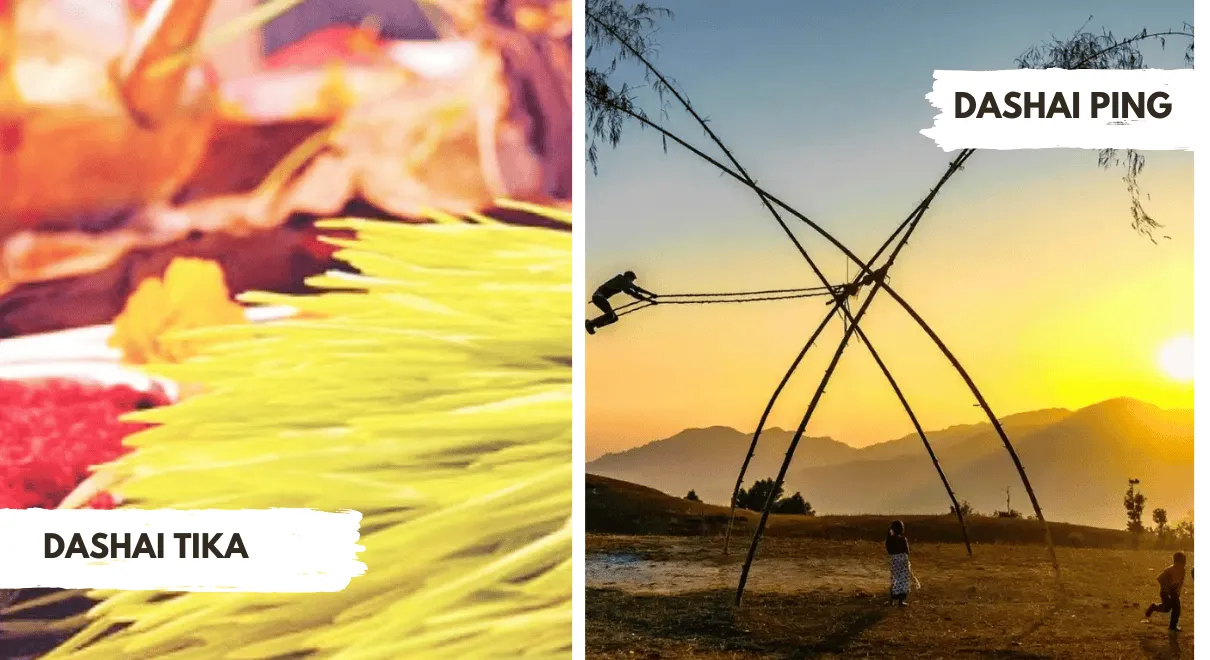
You are going to be right there during Nepal's biggest religious and cultural rituals! At the Dakshinkali Temple, you will be able to watch animal sacrifices as offerings to the goddess Kali by the devotees. In Gorkha, you will see the Fulpati preparations, where sacred banana stalks and plants are ceremonially collected. With great offerings and prayers, you will be present at the Maha Ashtami and Maha Navami temple ceremonies. Most unforgettable will be the genuine Tika ceremony on Vijaya Dashami Day in a rural village house, where the family elders put the sacred vermillion blessings on your forehead and give jamara (barley shoots), thus permitting you to join their Dashain festivities.
Definitely, temples see a drastic rise in their number of visitors during Dashain, as the festival that holds the most significance in Nepal attracts worshippers from all over the country. Nevertheless, the participation of these lively people is the only way to create a really authentic, lively atmosphere that is simply unforgettable and cannot be experienced at any other time of the year! We schedule our temple visits very carefully, and our guides, who are very familiar with the places, know the best time to visit, how to manage the crowds, and where to get the best view. The festival, which is full of life and noise with its bright colors, singing of the devotees, and performance of the rituals, is the very thing that is giving this cultural experience the quality of being extraordinarily special and memorable.
When taking part in the holy Dashain celebrations, it is required to be respectful at all times. Temples and homes are to be dressed up modestly, covering the shoulders and knees, and also those who enter religious places and homes should first take off their footwear. When one is offered the tika blessing, it is good to accept it with a smile, as it is a pure act of giving protection and abundance. Generally, taking pictures is allowed, but first, it is always good to ask if you can take a person's picture, especially during sensitive religious ceremonies. The slaughtering of animals is a ritual that may not be very pleasant to some visitors, but it is part of the deep-rooted religious practice. Watching the whole thing happen from a distance and doing so quietly and without judgment can be a feeling of powerful cultural engagement. The guides will provide continuous and thorough cultural information during the tours.
The Tika ceremony on Vijaya Dashami (Day 7) brings the most personally meaningful cultural moment of the tour. You will go to a real village house where the family old ones will give you a warm welcome as they invite you to their Dashain celebrations. They will put tika (a mixture of red vermillion, rice grains, and yogurt) on your forehead, signaling that you have received the blessings and the protection. Sacred jamara (young green barley shoots) goes behind your ear. The old ones say blessings aloud, and these are for fertility, health, and happiness. Then you will have the opportunity to taste Nepalese hospitality by sharing the food that is usually prepared for the festival, like sel roti (rice bread), sweets, and fruits.
The trip's trekking part would be impossible without the use of well-broken-in waterproof hiking boots that provide great ankle support—do not wear new boots! Ankle support is a factor that reduces the risk of injuries while hiking on rocky mountain trails with stone steps. Bring the most comfortable walking shoes or sneakers for the days of city sightseeing and urban exploration. Pack sandals or lightweight flip-flops for relaxing at teahouses and hotels in the evenings, plus use them for crossing streams if necessary. Gaiters can be considered for trekking in the wettest season. Always have at least two pairs of socks made from a material that wicks moisture away for your trekking. Blisters are not only painful but also a sure way of ruining the whole trek, so their prevention with proper footwear preparation is indeed critically important for a good experience.
One must dress modestly and respectfully on the cultural tour, especially when visiting the temples, engaging with the Dashain festival ceremonies, and entering the local homes. Around the ladies, attending in sleeveless or short-sleeved tops with a few loose pants or skirts down to the knee would be appropriate, along with light scarves for some extra magic in some holy places that may be seen as conservative. Men must wear long pants with collared shirts or T-shirts. Avoid revealing or transparent dresses. Comfortable walking shoes are required for visiting temples with numerous steps. This shows respect and promotes warmer exchanges between visitors and the community.
No, sleeping bags are not essential for this trekking tour. Nevertheless, blankets and bedding of good quality will be supplied in all teahouse lodges, the only difference being the thickness and quality of bedding in different establishments. On the other hand, a lot of experienced hikers carry very light sleeping bag liners for extra warmth and hygiene on colder nights. At Ghorepani altitude (2,860 m), October night temperatures can fall to 5-10°C. If you are very cold-sensitive or prefer your bedding for comfort, you might want to consider bringing a lightweight, compact sleeping bag. Otherwise, layers of warm clothing and the provided blankets will be more than enough.
Comprehensive travel insurance is a must for taking part in the tour; it is a non-negotiable requirement for your safety and protection. The insurance must cover emergency medical treatment and evacuation up to 4,000 meters altitude (many standard policies do not cover trekking), helicopter emergency evacuation (very important for remote areas), trip cancellation and interruption, lost or delayed baggage, and personal liability coverage. Make sure that the policy clearly states that trekking and hiking activities are included. We cannot allow anyone to participate in the tour without valid insurance proof. Send us the insurance details and emergency contact information before leaving. Also, make sure you keep the policy documents handy during the tour.
Best Price Offer

Start From

US$ 915 Person

Speak with a Nepal Adventure Travel Expert

Get personalised guidance for any Nepal adventure — with expert planning and safety support.

Ask Now

We offer expert advice, flexible options, and tailor-made itineraries.

Average Reviews Write a review

5 /5

Very Good

From 10 reviews

Cleanliness

5/5

Service

5/5

Facilities

5/5

Location

5/5

Value for money

5/5

Traveler Review

Traveler Review