Price Table
| 1 | 2 | 3 | 4 | 5 | 6 | 7 | 8 | |
| USD 7075 | USD 4000 | USD 3550 | USD 2980 | USD 2970 | USD 2940 | USD 2930 | USD 2885 |
Country
Nepal
Duration
10 Days
Maximum altitude
5,545m (Kala Patthar)
Activity
Trekking
Difficulty
Moderate / Strenuous
Best Season
March - May / September - November
Accomodation
Hotel / Mountain Lodge
Meals
Excluded
Start/End Point
Kathmandu

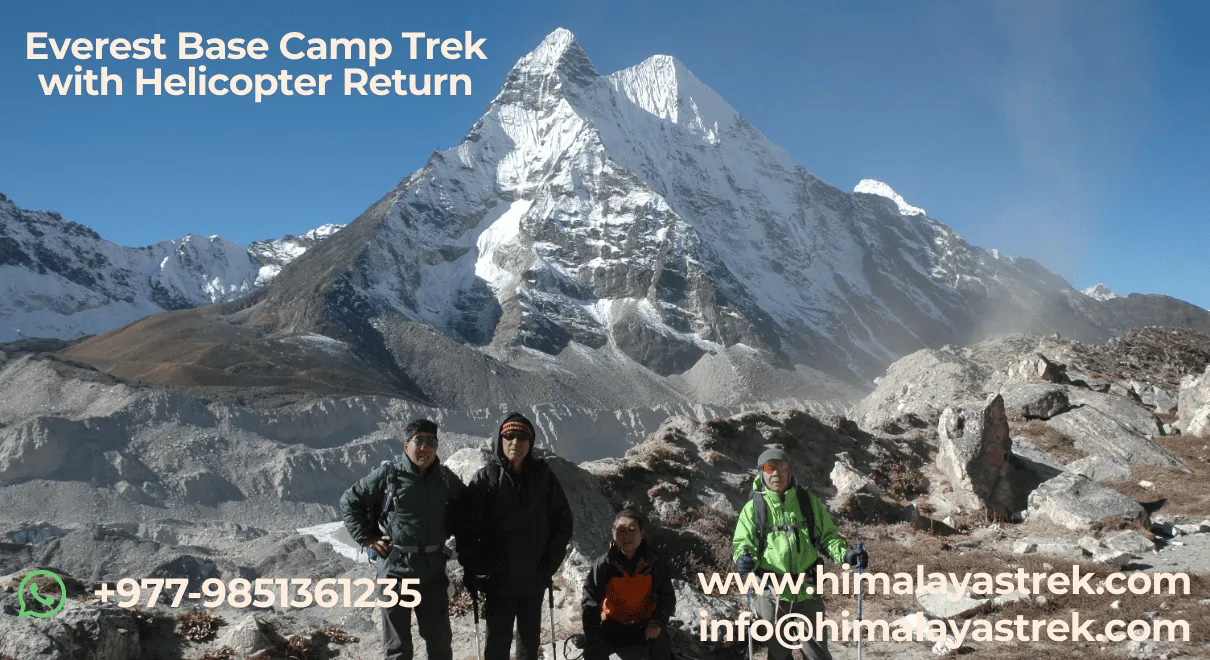
The Everest Base Camp Trek with Helicopter Return offers the most thrilling adventure experience, which travelers should include in their bucket list. The experience lets you reach a height of 5,364 meters to see the highest mountain in the world before you travel back home on a helicopter that shows you all of Khumbu from above. The EBC Trek with Helicopter Return provides trekkers a complete, authentic overland trekking experience to their destination and then delivers them an incredible aviation journey back home. This package serves your needs if you have been dreaming about the Himalayas but worrying about the descent.
Why Choose the Everest Base Camp Trek with Helicopter Return?
Most trekkers face their most challenging moment during their return trek. The thought of walking back through Pheriche, Namche Bazaar, and Lukla after reaching your physical peak during the ascent creates a feeling of emptiness. The Everest Trek with Helicopter Return exists to provide a solution that reduces descent time from four to five days to a 45-minute helicopter flight, which protects your knees and energy while giving you back valuable vacation time.
Here's what makes this package stand out from a standard EBC trek:
The Everest Base Camp Heli Return Trek stands as the best option for you when you wish to experience the entire trekking journey, which includes teahouses and high-altitude dawns and Sherpa culture.
How Is This Trek? What to Realistically Expect
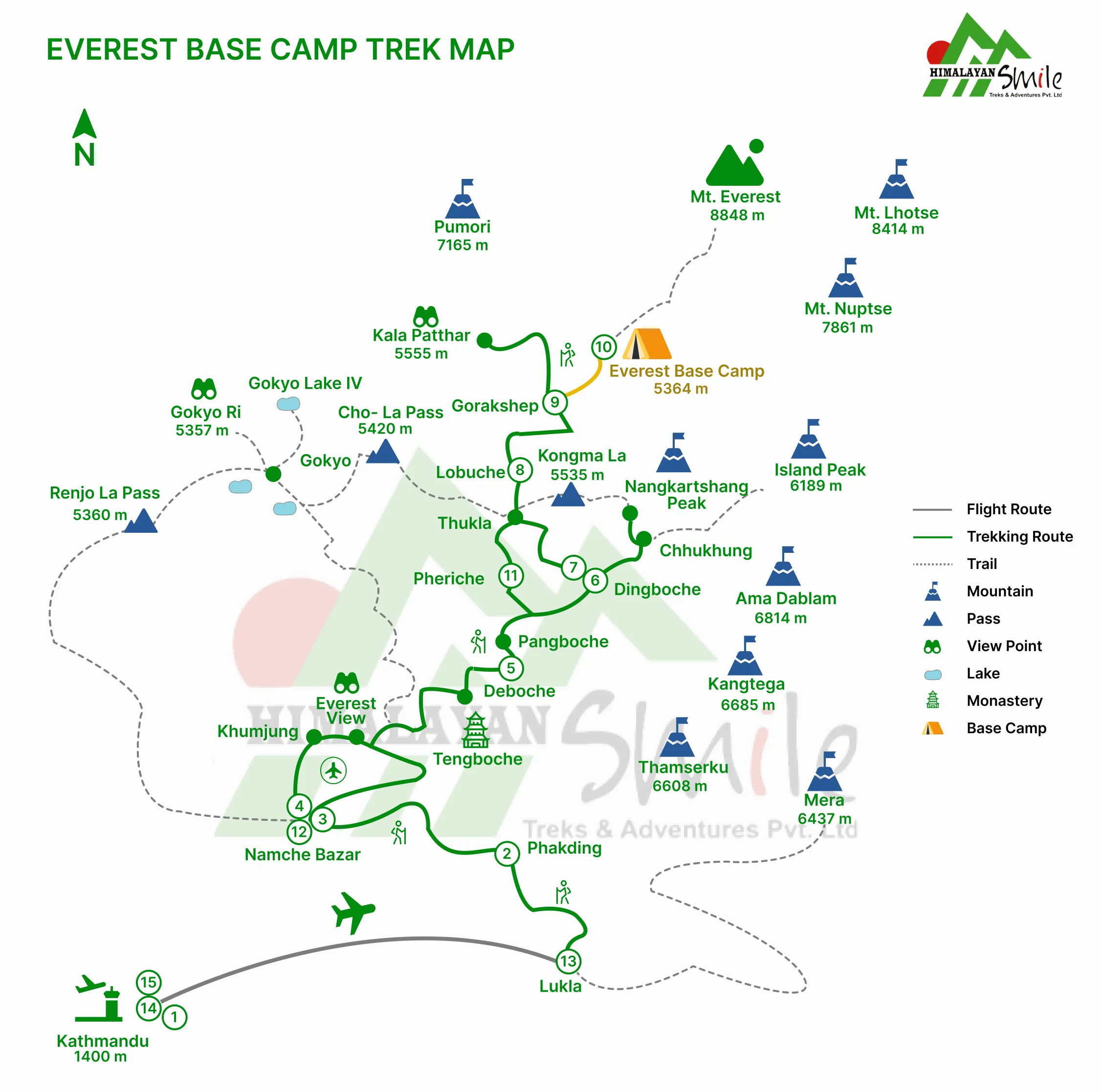
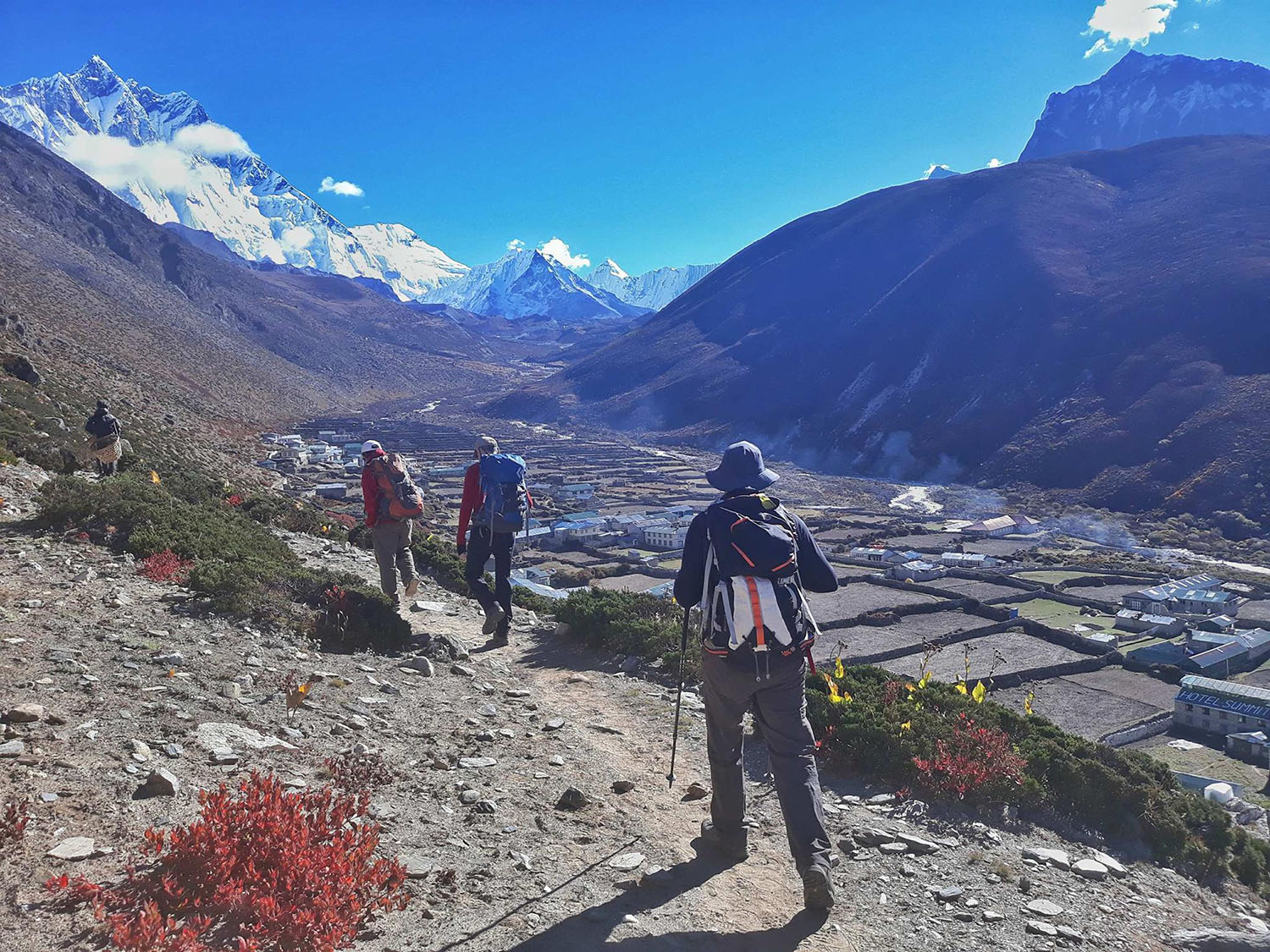
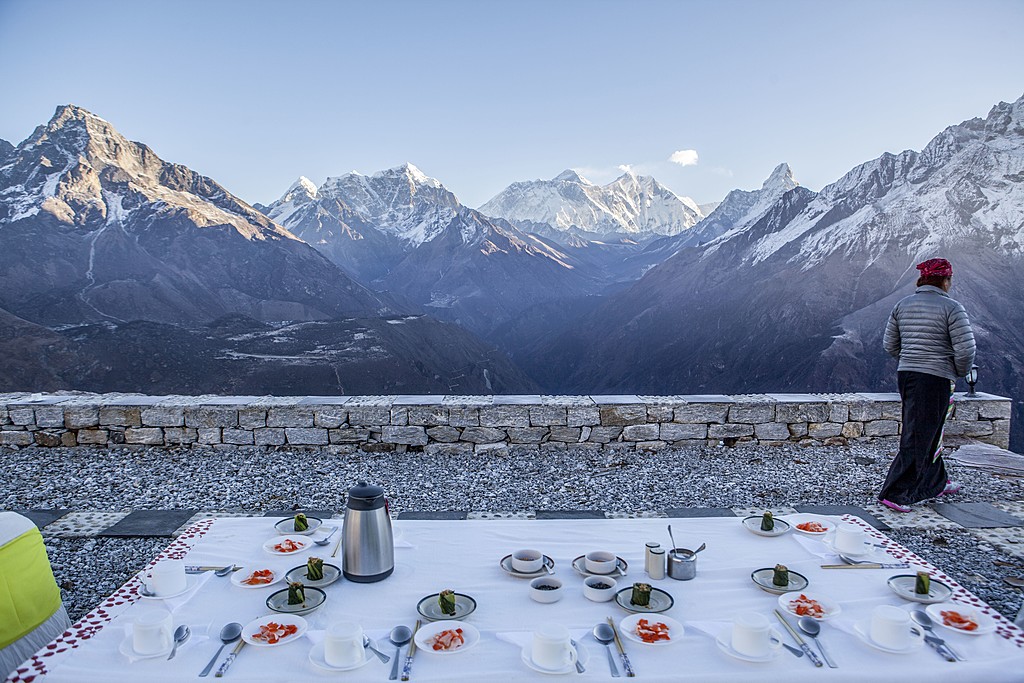
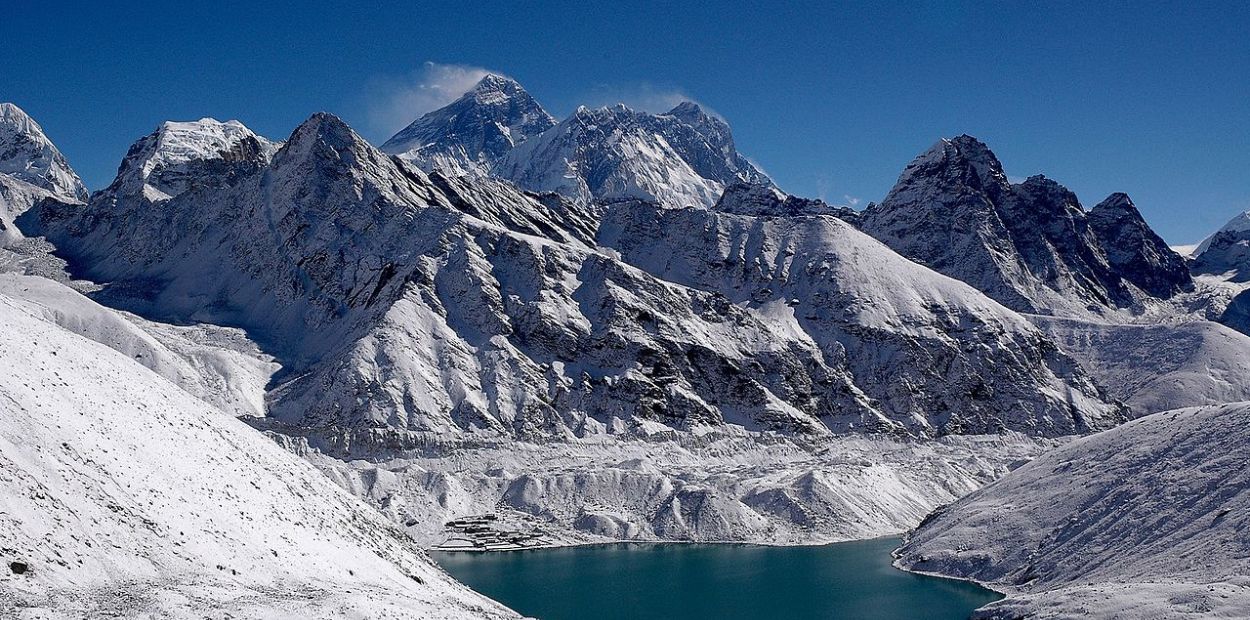
The Everest Base Camp Trek with Helicopter Return follows the classic Khumbu trail. You start your journey with a brief mountain flight from Kathmandu to Lukla and then proceed to trek for about 12-14 days through famous villages, which include Phakding, Namche Bazaar, Tengboche, Dingboche, Lobuche, and Gorak Shep, until you reach Everest Base Camp and Kala Patthar.
The trail presents a moderate-to-strenuous difficulty, which requires hikers to display high-altitude endurance skills without needing specialized technical climbing abilities. The daily walking distance for participants extends between 4 hours and 8 hours. The area comprises forested valleys and stone-paved trails that lead to rugged moraine paths and icy ridgelines located at higher elevations.
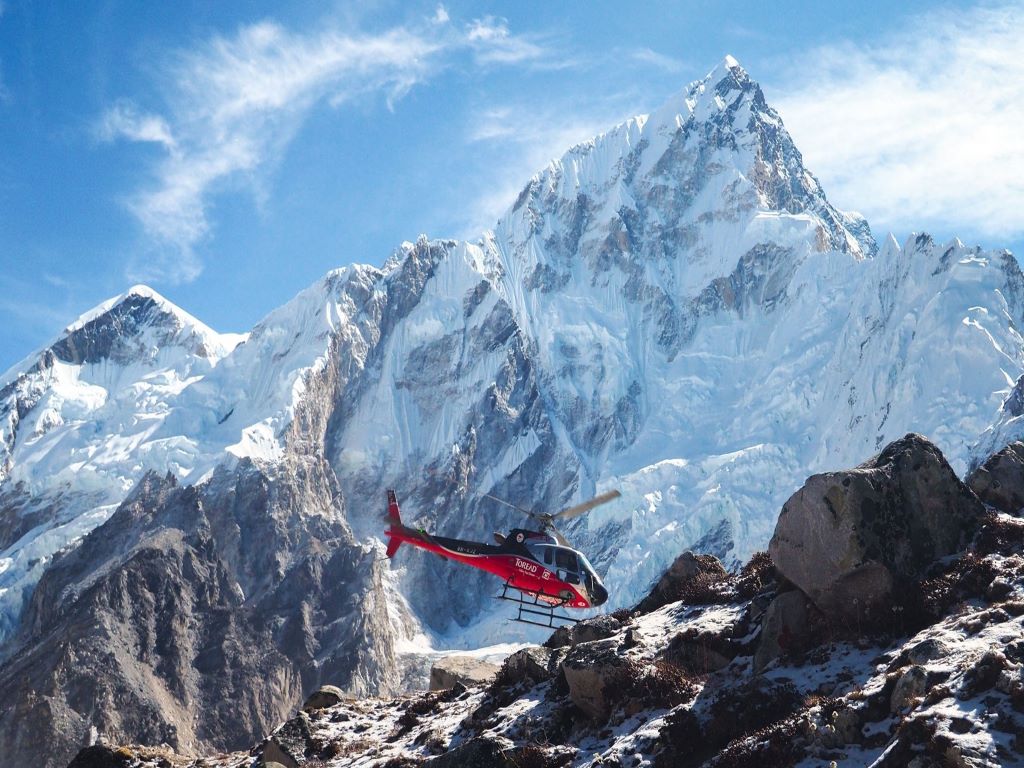
The helicopter flies back to Lukla or Kathmandu through a scenic route over the Himalayas after departing from Gorak Shep or Base Camp, depending on weather conditions and the choice of your operator.
When to Do the Everest Base Camp Trek with Helicopter Return
People who want to hike to Everest Base Camp should take a helicopter back to their starting point at the second-best time to hike between EBC and Helicopter Return, which occurs between spring and autumn.
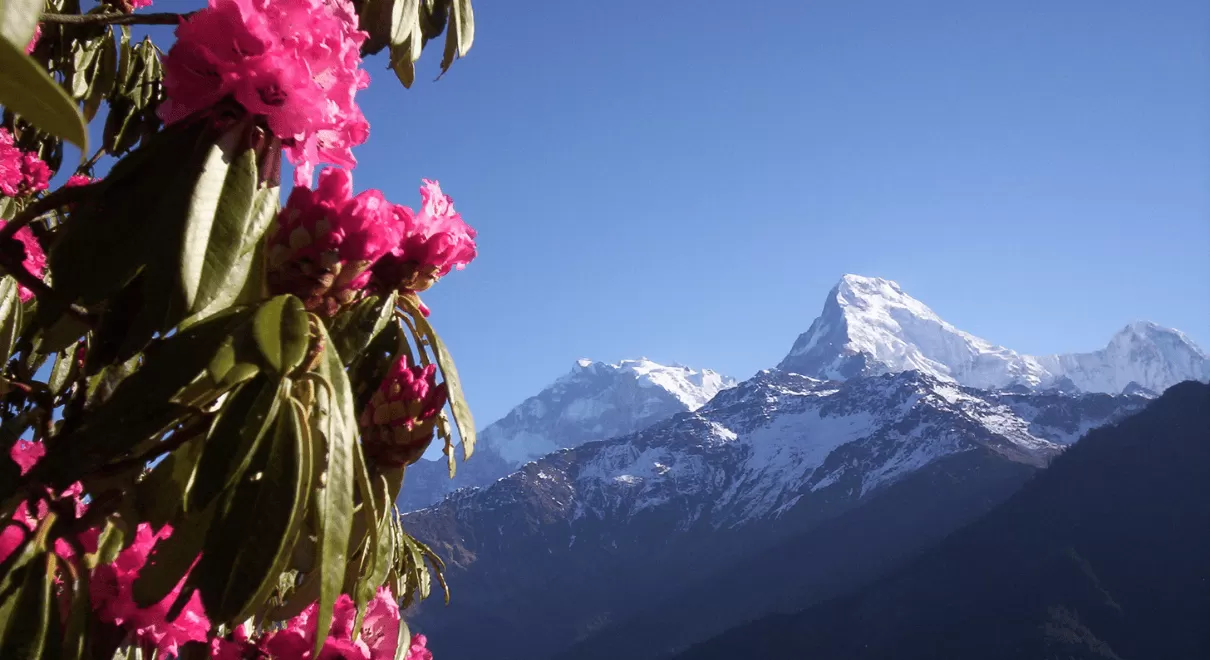
Spring (March and May): This period represents the peak season for visitors. The period offers clear skies and mild temperatures, which allow rhododendron forests to display their full beauty beneath Namche. Helicopter operations are dependable throughout this time.
Autumn (September and November): This period brings post-monsoon weather conditions, which provide the best views of the mountains. The month of October brings ideal weather conditions that create safe hiking trails and optimal helicopter flying conditions.
Winter (December and February): The season brings extreme cold temperatures and heavy snowfall, which particularly affects areas above 4,000 meters. The weather conditions during this period disrupt helicopter operations to a major extent.
Monsoon (June to August): The monsoon period, which lasts from June to August, creates dangerous conditions because trails become muddy and leeches invade areas below the treeline, while low visibility makes helicopter operations unsafe.
What Are the Most Common Challenges on This Trek?
Altitude Sickness: The Number-One Problem
The Everest Base Camp Heli Return Trek is the most difficult because of acute mountain sickness, which is its most significant obstacle. Your body begins to feel the effects of lower oxygen levels at altitudes above 3,500 meters, and everyone is affected regardless of their physical condition. The condition is evident in symptoms such as headache, nausea, dizziness, loss of appetite, and disturbed sleep.
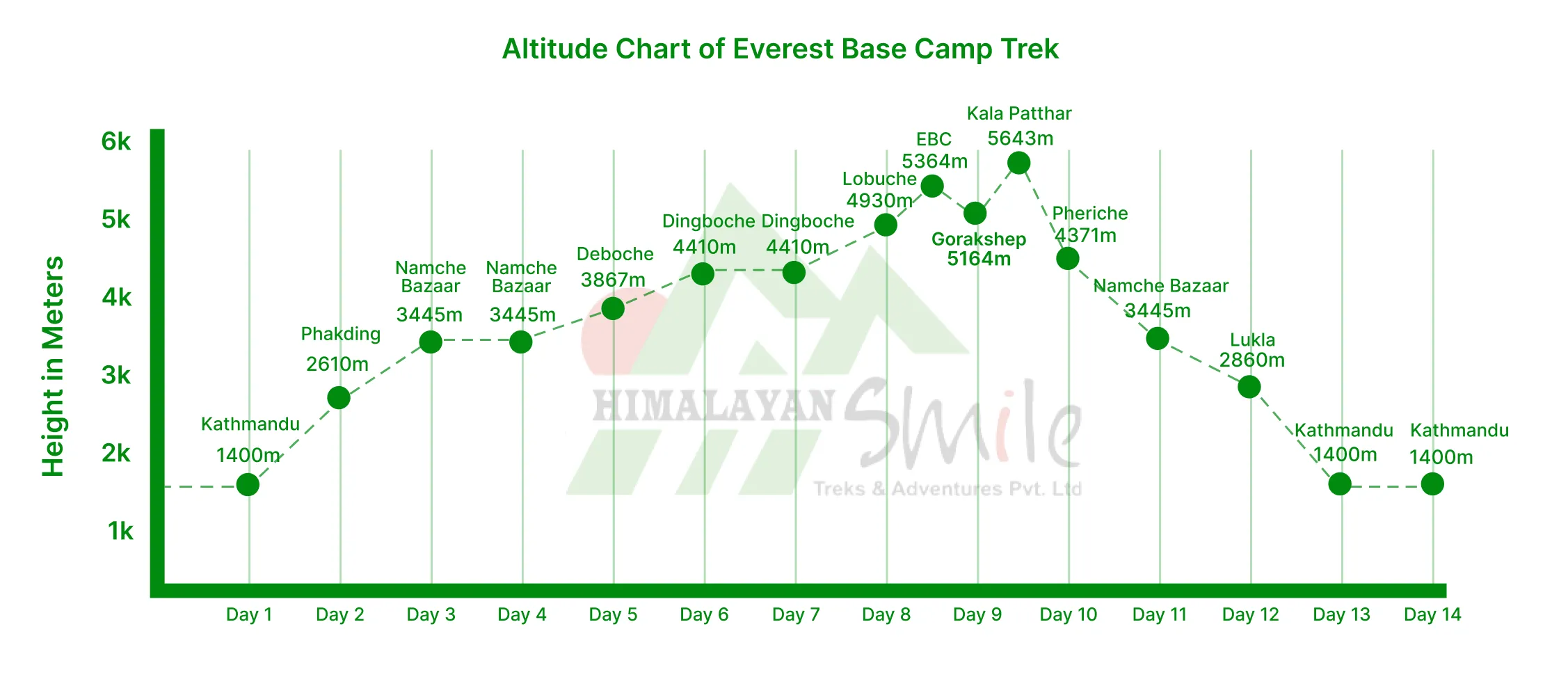
The solution: Follow a strict acclimatization schedule. Your itinerary should include at least two rest days, one in Namche Bazaar (3,440 m) and one in Dingboche (4,360 m). The rules require you to complete these activities. The golden rule of high-altitude trekking is to climb high and sleep low. You should take Diamox (acetazolamide) as directed by your doctor, maintain proper hydration, and avoid activities that could worsen your condition.
Flight Delays at Lukla
The Tenzing-Hillary Airport in Lukla is one of the most difficult airports to operate at worldwide. The airport experiences flight disruptions during the shoulder seasons due to poor visibility, including fog, wind, and cloud cover. Your entire travel schedule will be disrupted because of this situation.
The solution requires you to create buffer days, which should be implemented as your initial schedule. The helicopter return system solves this issue by returning to its original location.
What Mistakes Do Beginners Make?
Many first-timers on the Everest Trek with Helicopter Return arrive underprepared in entirely avoidable ways:
1. AMS develops when people skip their acclimatisation days so they can save time, which results in their necessary descent from the mountain
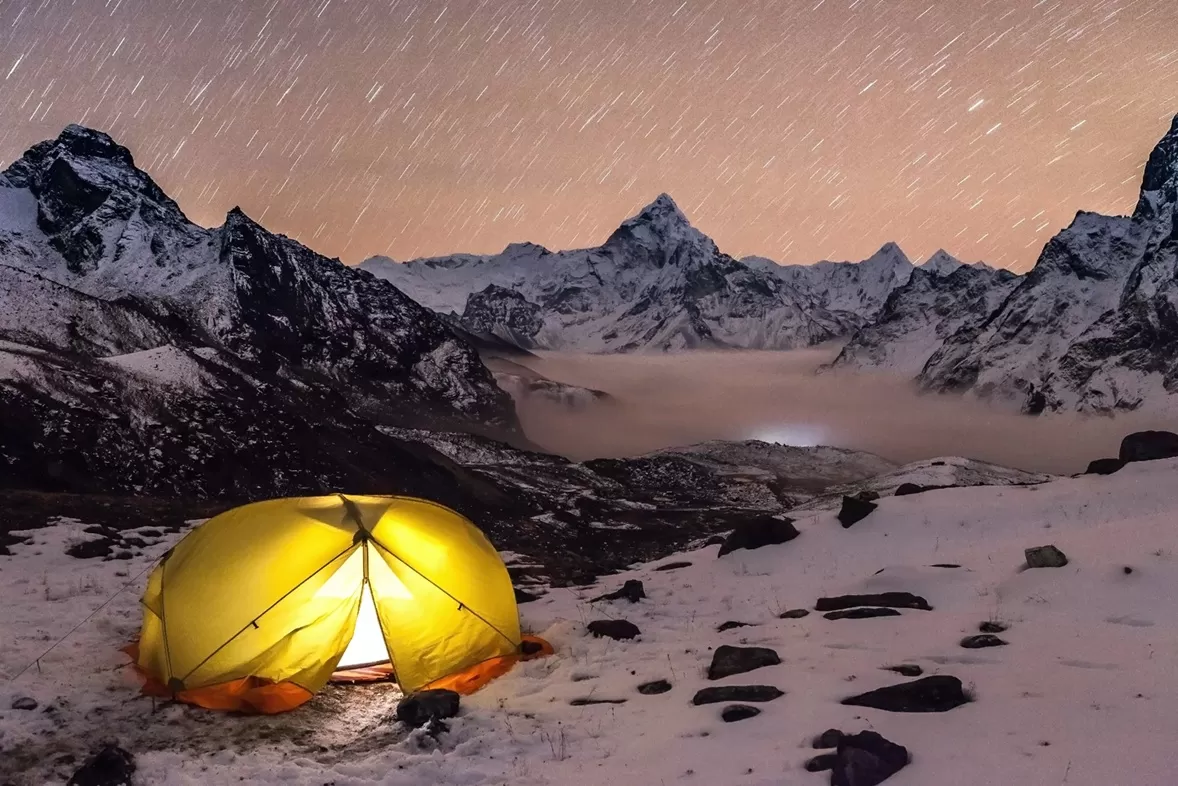
2. Backpackers need to bring down gear that protects them from temperatures at Gorak Shep that reach -15°C or lower
3. Backpackers need to bring down gear that protects them from temperatures at Gorak Shep that reach -15°C or lower
4. People need to begin their cardio and hill training program at least eight to twelve weeks before their scheduled training date
5. Hydration is essential because dehydration makes altitude sickness worse, so people should consume three to four liters of water each day
6. Without travel insurance, people face costs between 5000 and 10000 US dollars for helicopter evacuation services
What Are Trekkers Most Afraid Of?
Trekking fears that three trekkers express when they plan their Everest Base Camp Trek with Helicopter Return. The first fear trekker expresses their lack of fitness. Fitness helps, but consistent walking ability matters more than gym performance. The trek becomes possible for you if you can walk at least 5 to 6 hours on multiple days.
"What if I get altitude sickness?" Most trekkers who follow proper acclimatization procedures will reach their destinations successfully. The helicopter return option gives people psychological comfort because it enables them to reach medically necessary exits through aerial transportation.
The weather is the only variable. A reputable operator will reschedule rather than risk your safety. Always ask about their weather contingency policy before booking.
Research, Tips, and How to Trek More Effectively
The following field-tested tips provide practical solutions that create real impacts.
Real Challenges and How Expert Operators Solve Them
Challenge: Weather window for helicopter departure
Solution: The best operators establish direct contact with Kathmandu helicopter companies while observing mountain weather conditions 48 hours before their scheduled flights. Your return flight requires them to include one buffer day in their planning process.
Challenge: Trail congestion in peak season
Solution: Starting your trek as early as 5:00 to 6:00 AM each day keeps you ahead of the crowds and gives you more time at viewpoints.
Challenge: Communication with family back home
Solution: Local SIM cards with NTC or Ncell provide data coverage up to Namche Bazaar. Above that, many teahouses offer paid Wi-Fi. Satellite communication devices are worth renting for higher elevations.
Personal Experience: Standing at Base Camp and Flying Home
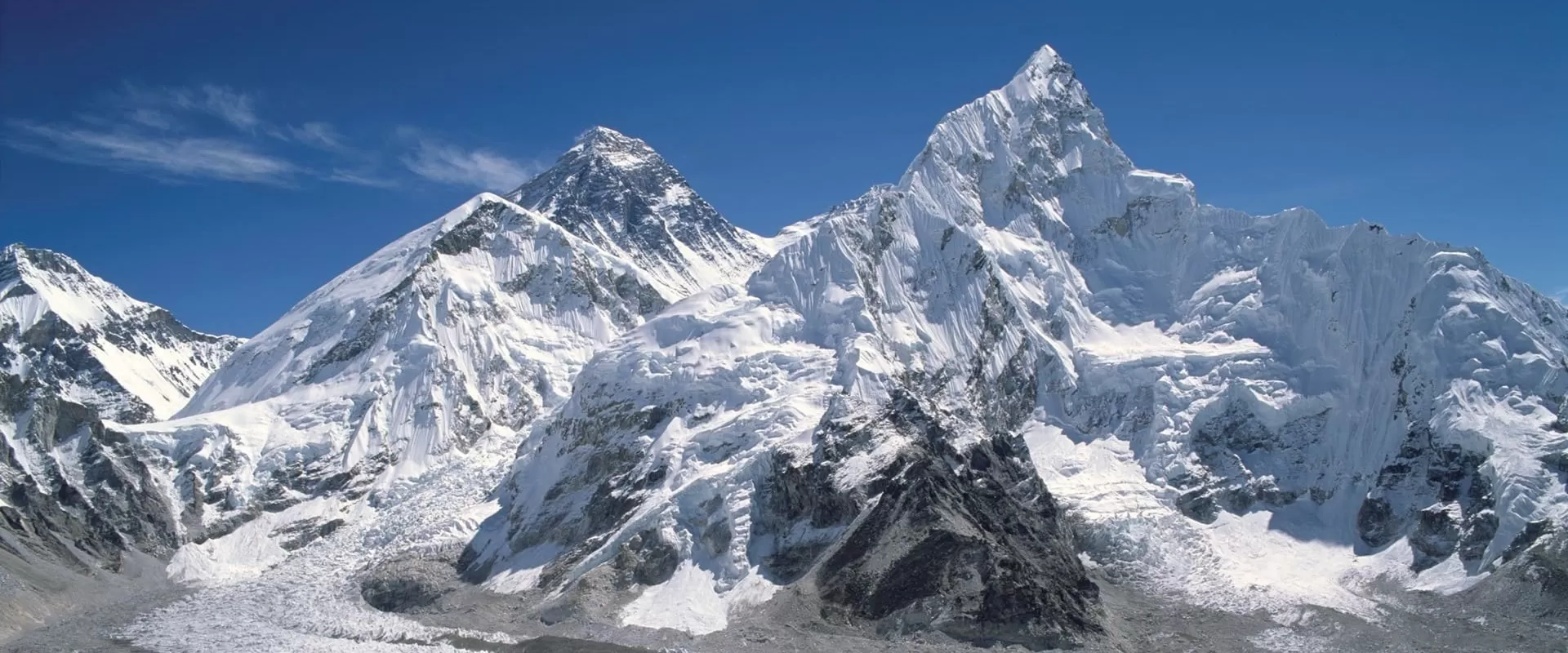
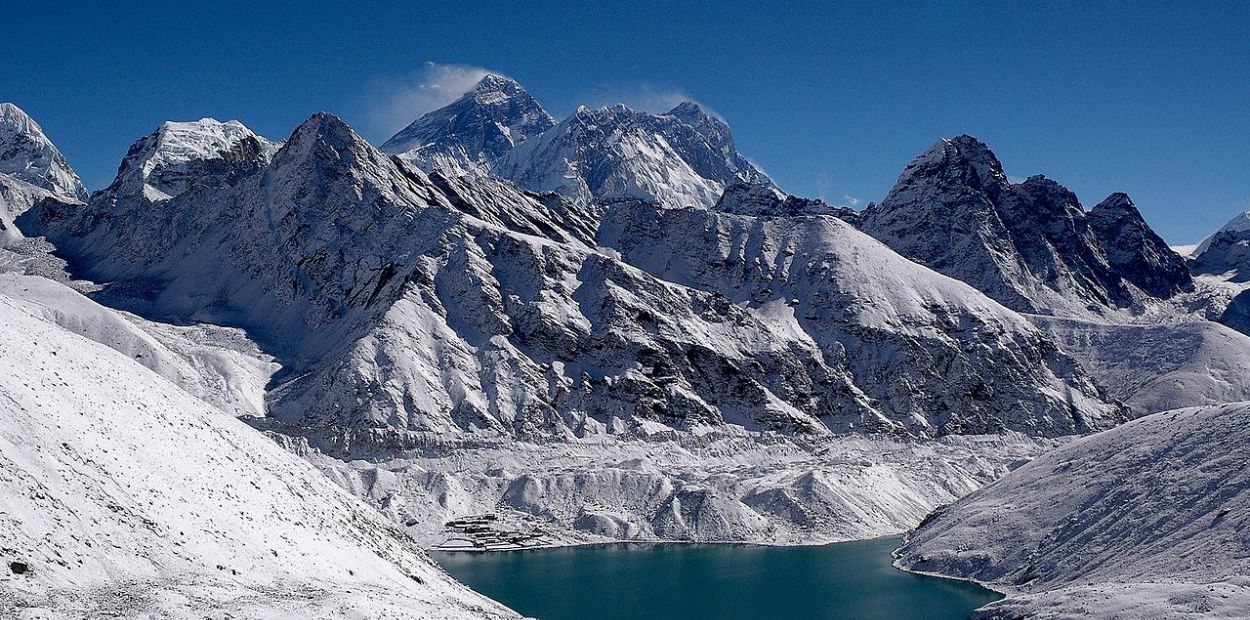
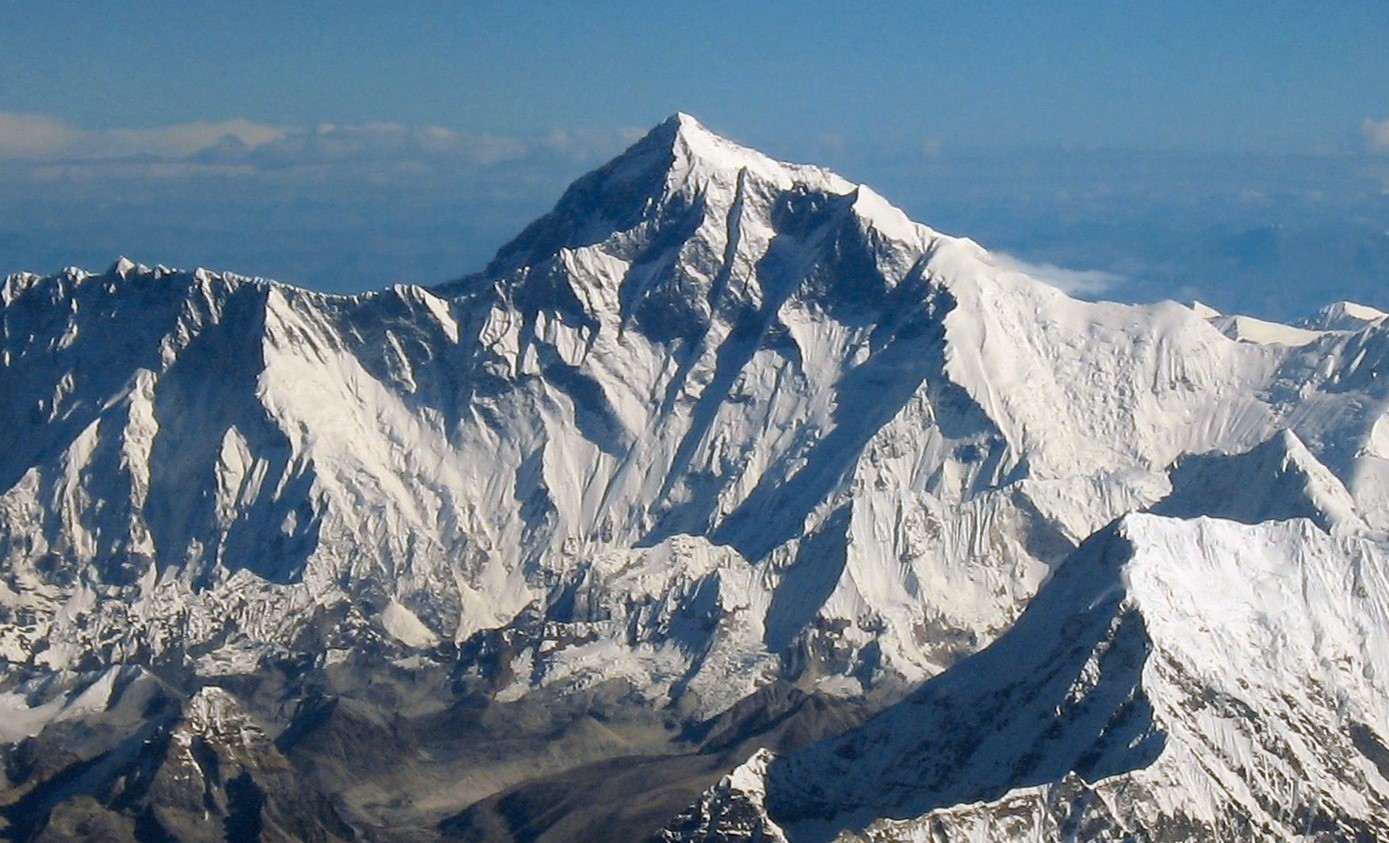
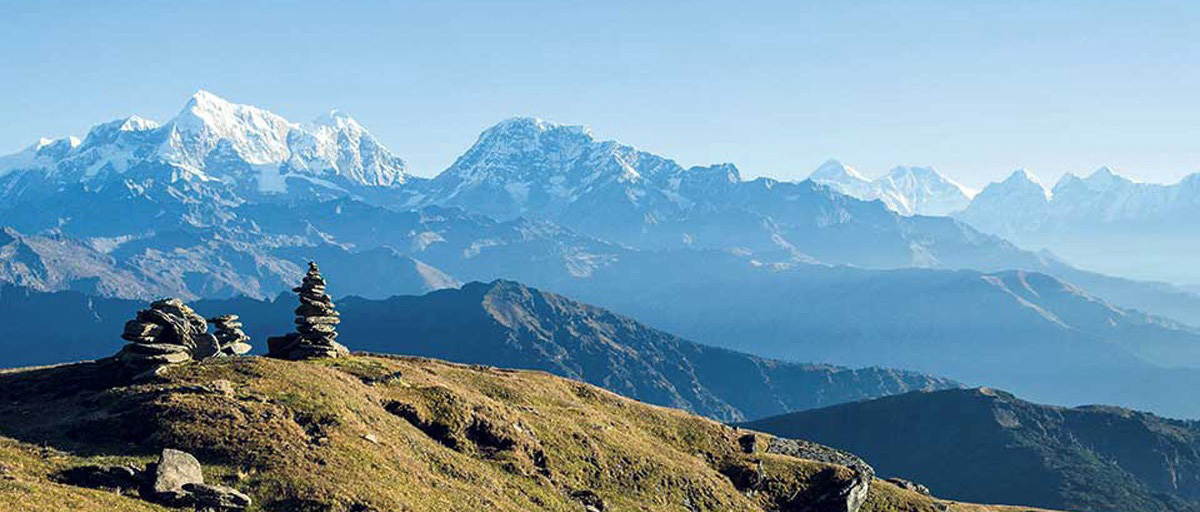
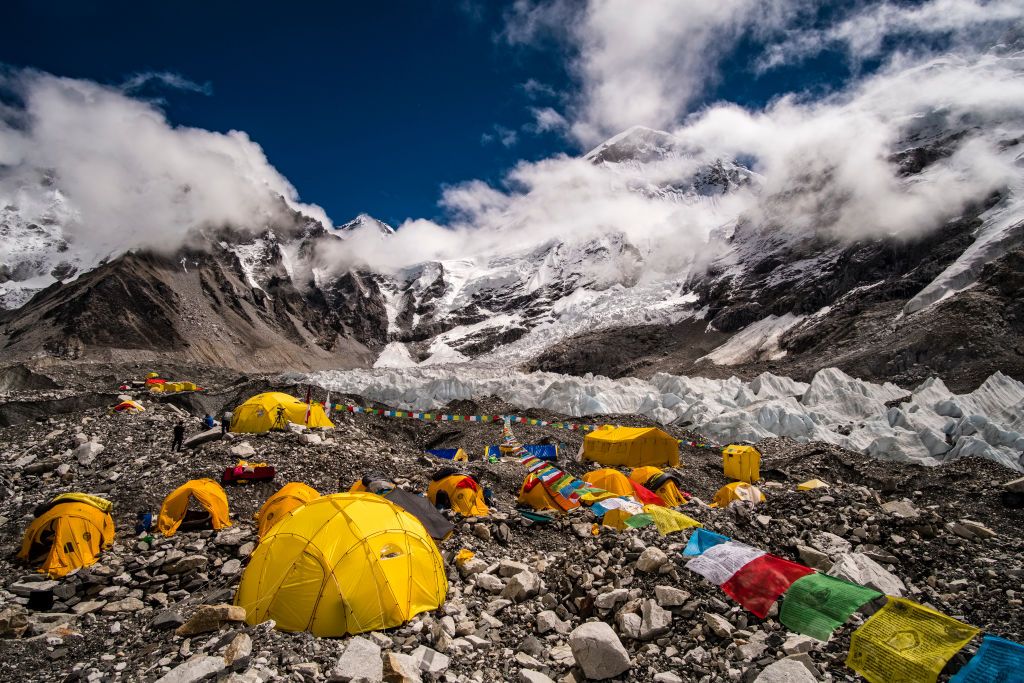
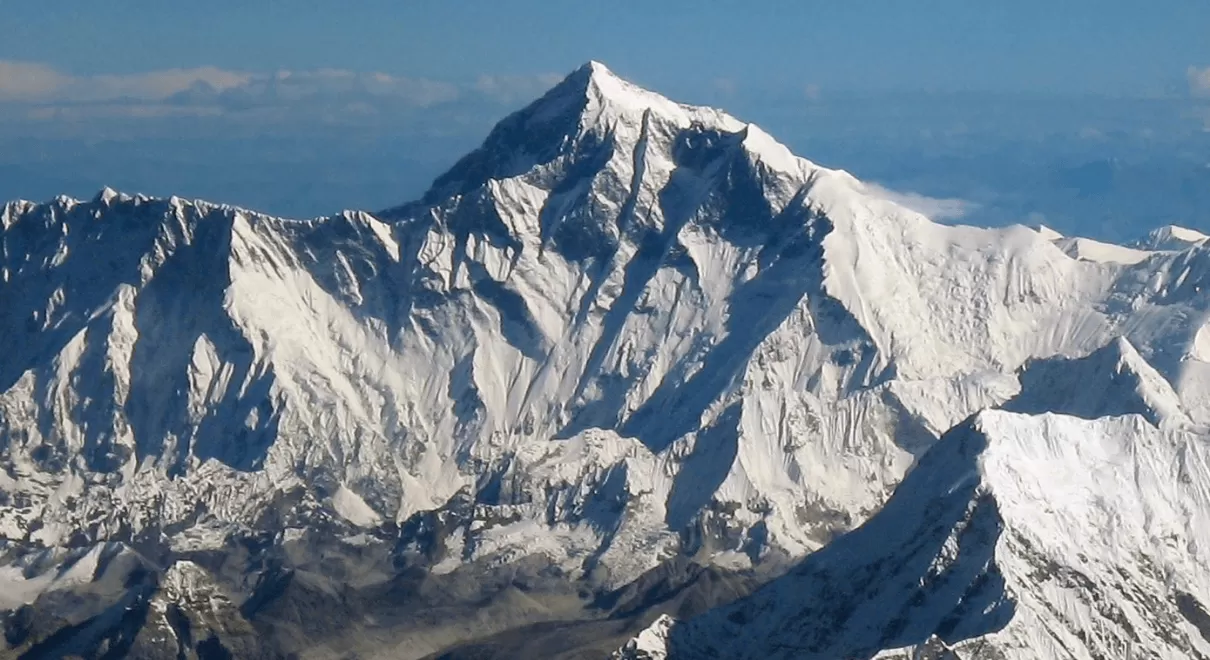
The experience becomes completely valuable during the sunrise period at Kala Patthar. The Khumbu Icefall glows in shades of blue and gold. The Lhotse and Nuptse mountains rise high above your position. Everest shows you just enough of its presence, which makes you experience both physical and emotional astonishment.
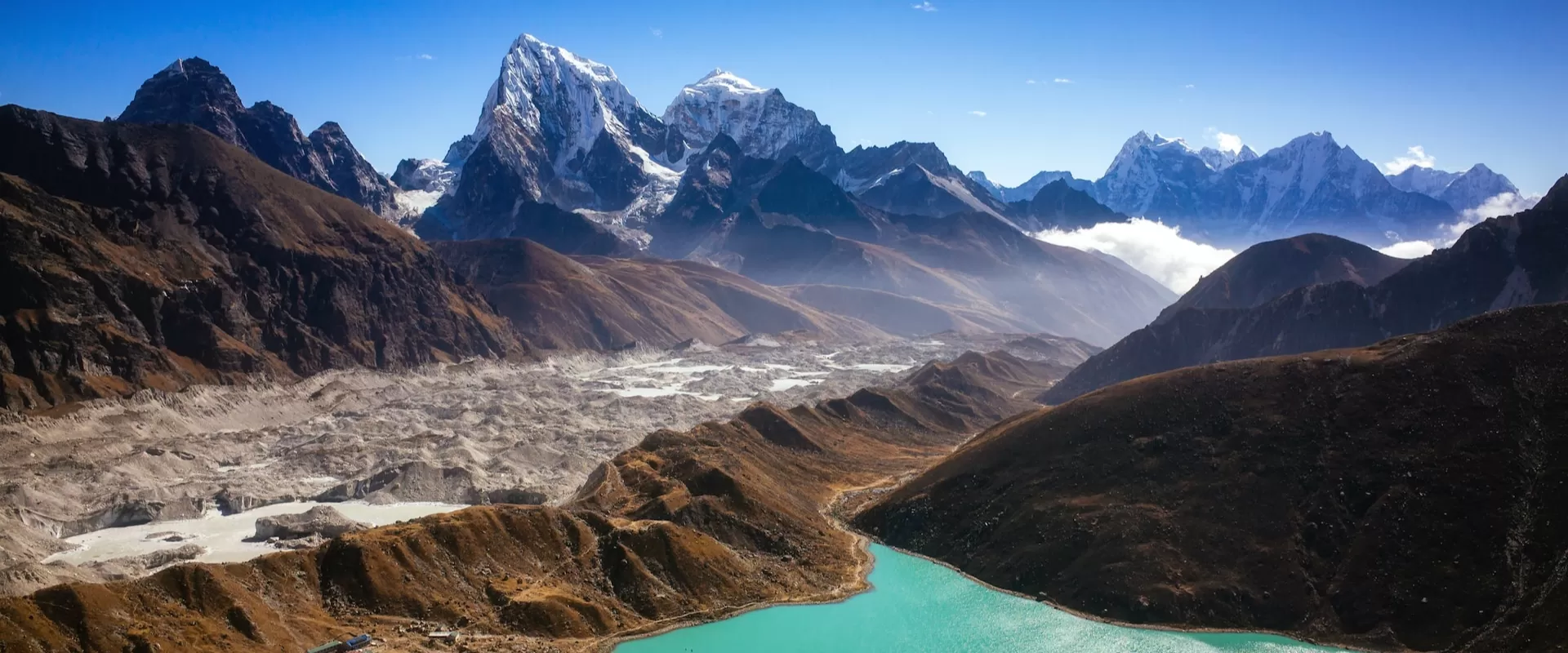
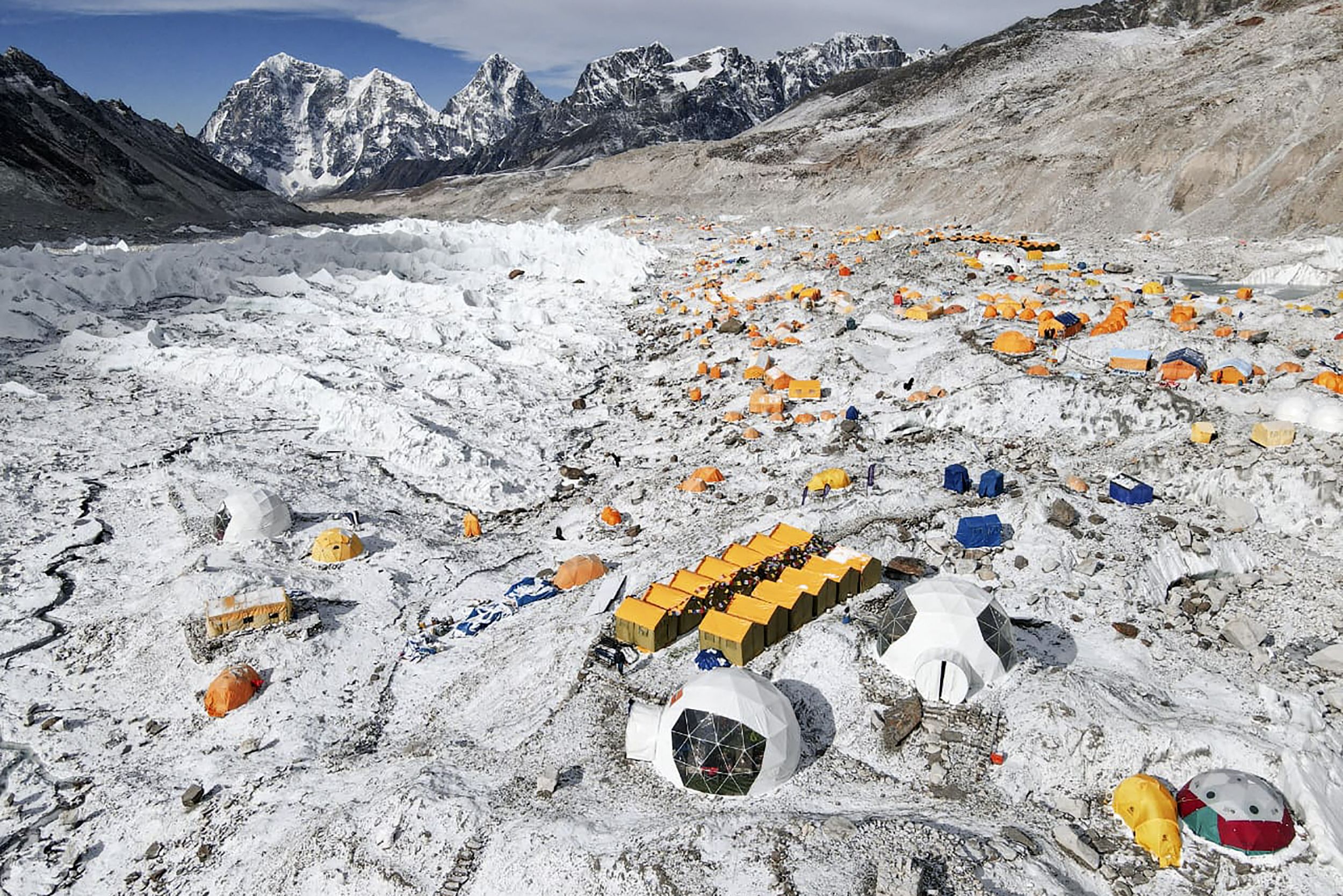
The helicopter takeoff from Gorak Shep was the most unforgettable moment of my Everest Base Camp trek with a helicopter return. The base camp tents appeared as tiny dots when we started to ascend into the sky. From our elevated position, we observed the entire snow valley, which was silent, and the Khumbu Glacier, and all the mountains that we had traversed during the past two weeks. The amazing journey reached its conclusion through this perfect emotional ending.
Why Trust This Guide? Our Expertise and Commitment
The company has provided Himalayan trekking services for more than 18 years, using certified mountain guides and partnering with government-registered helicopter companies from Nepal while serving thousands of trekkers who completed the Everest Base Camp Trek with Helicopter Return through our programmes. The company creates itineraries that show authentic acclimatization patterns that scientists established through their research on high-altitude medicine, instead of following business needs.
All our guides possess Wilderness First Responder (WFR) certifications, and we belong to both the Trekking Agencies' Association of Nepal (TAAN) and the Nepal Mountaineering Association (NMA).
Your Next Step: Make It Happen
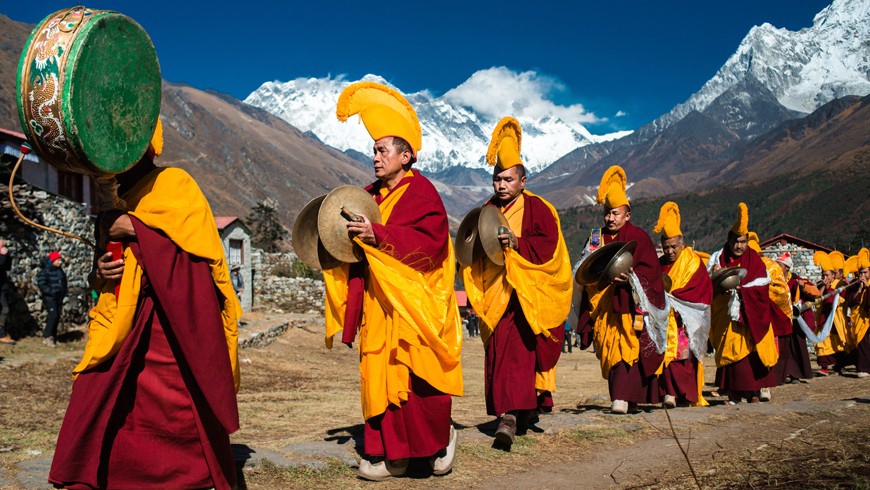
The Everest Base Camp Trek with Helicopter Return provides travelers with a complete Himalayan experience through its trekking route. The ascent requires you to walk every step while you experience Sherpa culture and Buddhist monasteries and glacial moraines, and the breathtaking beauty of the world's highest peaks. Your body reaches its limit, but you fly home in a triumphant way that shows your dominance over everything.
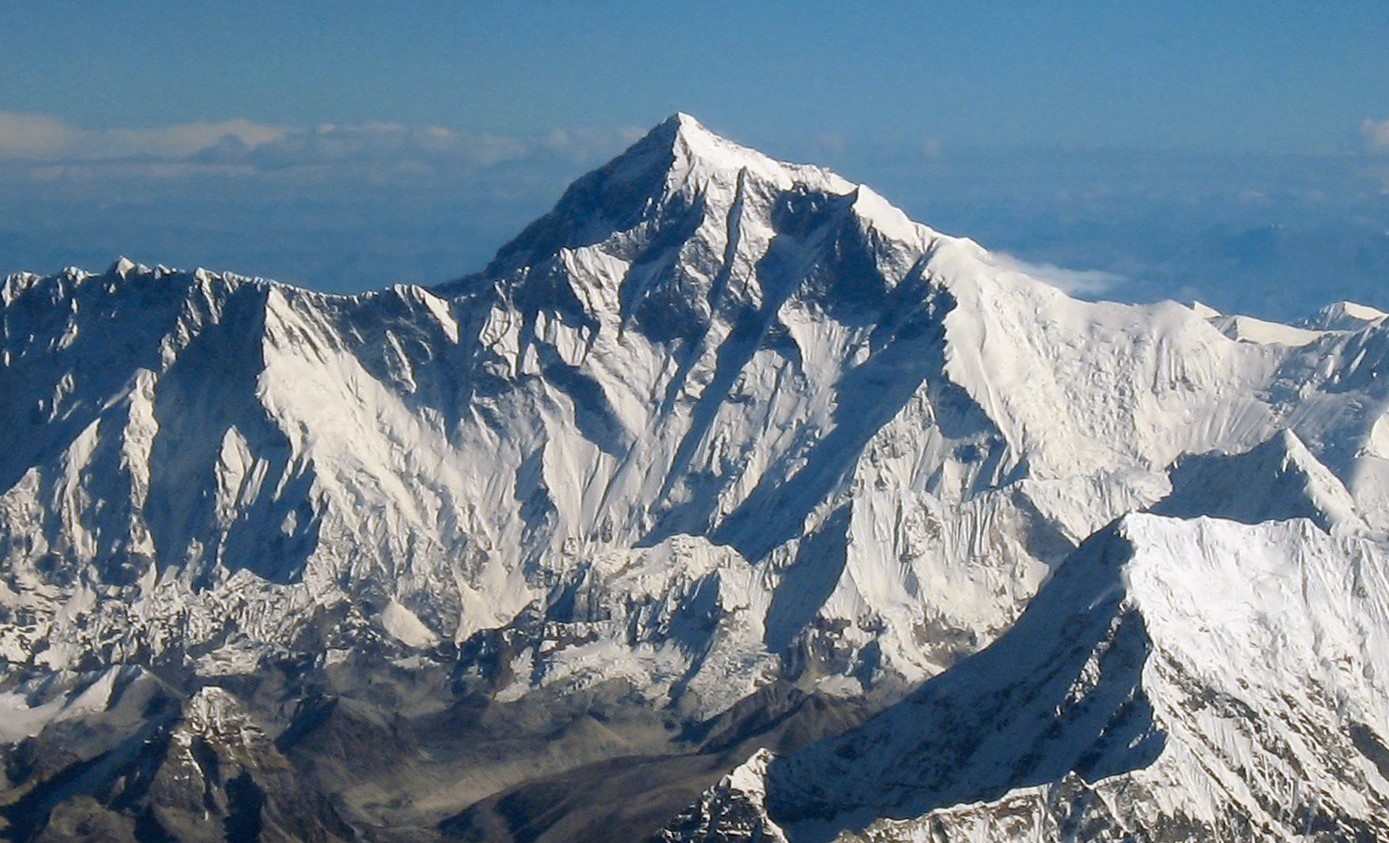
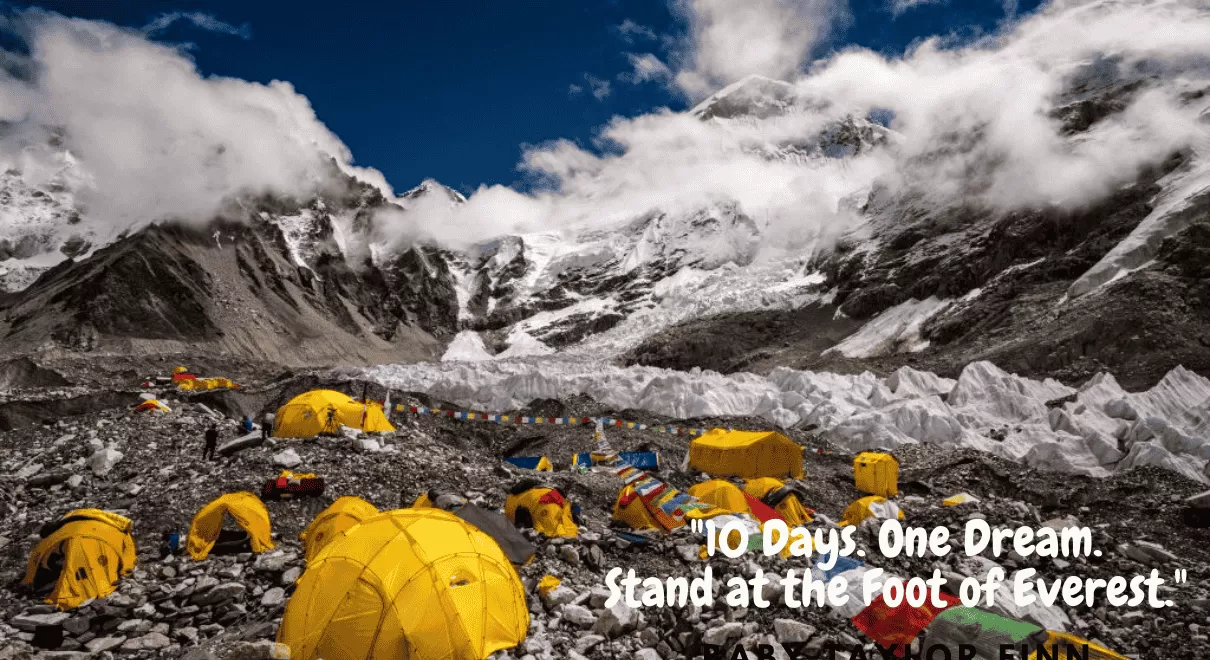
Visitors to Everest Base Camp will find themselves standing at an elevation of 5,364 meters, which allows them to experience the base of the world's highest mountain and witness the unfiltered strength of the Himalayas.
At the summit of Kala Patthar, which stands 5,545 meters high, observers can see the most famous mountain range view, which shows Mount Everest, Lhotse, and Nuptse bathed in golden sunlight.
The helicopter return flight presents a 45-minute scenic flight that allows passengers to experience stunning views of both glaciers and icefalls and the majestic Himalayan mountain range from above.
Tenzing-Hillary Airport presents a thrilling landing experience, which pilots encounter at one of the world's most extreme mountain airstrips.
The Sherpa capital at Namche Bazaar features a vibrant atmosphere that combines cultural elements with market activities and scenic mountain vistas at an elevation of 3,440 meters.
| 1 | 2 | 3 | 4 | 5 | 6 | 7 | 8 | |
| USD 7075 | USD 4000 | USD 3550 | USD 2980 | USD 2970 | USD 2940 | USD 2930 | USD 2885 |
Start From
Get personalised guidance for any Nepal adventure — with expert planning and safety support.
We offer expert advice, flexible options, and tailor-made itineraries.

The Everest Base Camp Trek with Helicopter Return through Himalayan Smile Treks delivered an exceptional experience. Guide Lakpa Sherpa executed safety procedures while guiding the team through correct acclimatization and coordinating expedition activities. The helicopter return provided stunning aerial perspectives of Everest and the Khumbu region, which created a comfortable and time-efficient journey that became an extraordinary experience.
Himalayan Smile Treks organized a fantastic Everest Base Camp Trek with Helicopter Return. Guide Karma Sherpa showed both friendly and professional behavior. The trek offered beautiful scenery and deep cultural experiences, while the helicopter return flight showed breathtaking mountain vistas that brought a peaceful conclusion.
The Everest Base Camp Trek with Helicopter Return exceeded all my expectations. Himalayan Smile Treks managed all aspects of the trek with complete success. The guide Chiring Sherpa provided secure travel throughout the journey. The helicopter return offered breathtaking views of glaciers and peaks, which created an experience that combined both adventure and luxury.
The Everest Base Camp trek, which I completed with Himalayan Smile Treks, became my most outstanding experience. Dawa Sherpa, the guide, proved to be both helpful and knowledgeable about his work. The helicopter return saved time and provided breathtaking views, which made this trek ideal for travelers seeking both adventure and relaxation.
Himalayan Smile Treks delivered an excellent Everest Base Camp Trek with Helicopter Return. Guide Namel Dherpa ensured smooth logistics and proper acclimatization. The helicopter flight over Everest and the surrounding peaks provided stunning views while establishing a high-end experience.
The Everest Base Camp Trek with Helicopter Return, which Himalayan Smile Treks organized, became an unforgettable experience. Guide Dorje Sherpa provided great support. The trek provided beautiful views, which made the journey rewarding, while the helicopter return delivered exceptional aerial views together with a pleasant ending experience.
The Everest Base Camp Trek with Helicopter Return received special treatment from Himalayan Smile Treks. Guide Kami Sherpa ensured safety and comfort. The helicopter flight provided an exceptional view of the Himalayas while creating a fast yet unforgettable travel experience.
Himalayan Smile Treks created an exceptional organization for their Everest Base Camp Trek, which included a helicopter return service. The trek guide Ang Dorje Sherpa provided exceptional service to hikers. The trek provided hikers with stunning views of natural landscapes, while the helicopter return journey presented an exciting experience that showcased breathtaking mountain scenery.
The Everest Base Camp Trek with Helicopter Return received special treatment from Himalayan Smile Treks. Guide Kami Sherpa ensured safety and comfort. The helicopter flight provided an exceptional view of the Himalayas while creating a fast yet unforgettable travel experience. Himalayan Smile Treks conducted the Everest Base Camp Trek, which included a helicopter return service that operated without any problems. Nawaraj Tamang, the guide, displayed friendly helpfulness. The helicopter return saved time and provided stunning aerial views of Everest and its surrounding peaks.
The Everest Base Camp Trek with Helicopter Return provided a lifetime experience through Himalayan Smile Treks. Guide Michele Tamang provided outstanding support throughout the entire trek. The helicopter return brought comfortable travel, while the trek provided beautiful scenery through its entire length.
Himalayan Smile Treks organized a memorable Everest Base Camp Trek with Helicopter Return. The guide, Dhurba Khanal, demonstrated his expertise through his professional conduct. The trek was enjoyable because the helicopter ride showed the Himalayas from a special and stunning viewpoint.
The Everest Base Camp Trek with Helicopter Return exceeded my expectations. The team from Himalayan Smile Treks executed every aspect of the trek with complete excellence. Guide Pramod Paggeni provided both safety measures and comfortable support. The helicopter return system created a rapid travel experience that offered passengers breathtaking views.
Himalayan Smile Treks delivered a fantastic Everest Base Camp Trek with Helicopter Return. Guide Dharma Shubedi demonstrated his expertise through his ability to help others. The trek provided beautiful views which rewarded us with its scenic beauty and the helicopter flight back home offered us a spectacular sight.
Everest Base Camp Trek with Helicopter Return was perfectly managed by Himalayan Smile Treks. The smooth journey was ensured by guide Nawaraj Khadka. The helicopter ride provided excellent views while it allowed a fast and comfortable return.
Himalayan Smile Treks made this Everest Base Camp Trek with Helicopter Return unforgettable. Lapsang Dherpa guided the group with his extensive experience and helpful nature. The trek offered stunning scenery, and the helicopter return provided a spectacular and relaxing ending.

$1105
$990
$1020
$1045
$995
$1200
$1100
$1035
$880
$1395
$990
$1740
$
$1045
$2100
$890
$4780
$


↑

.png "NTB")
.png "Pata")