Country
Nepal
Duration
22 Days
Maximum altitude
5755 m
Activity
Trekking
Difficulty
Moderate/Difficult
Best Season
September, October, November, December, February, March, April
Accomodation
Included
Meals
Included
Start/End Point
Barabise / Lukla

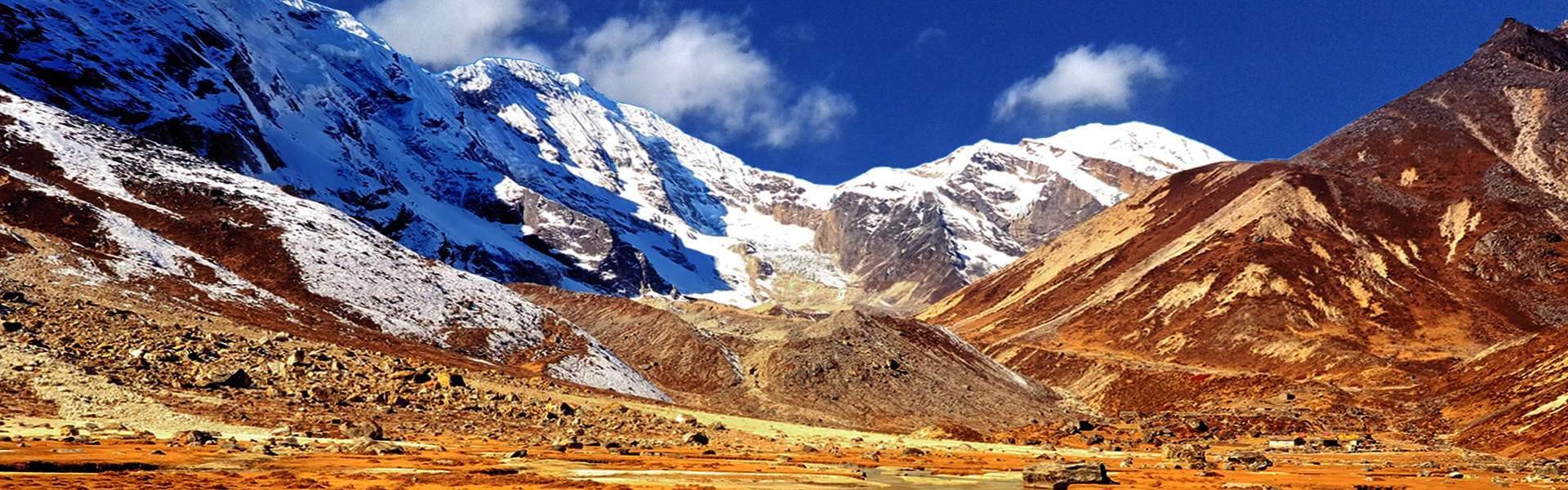
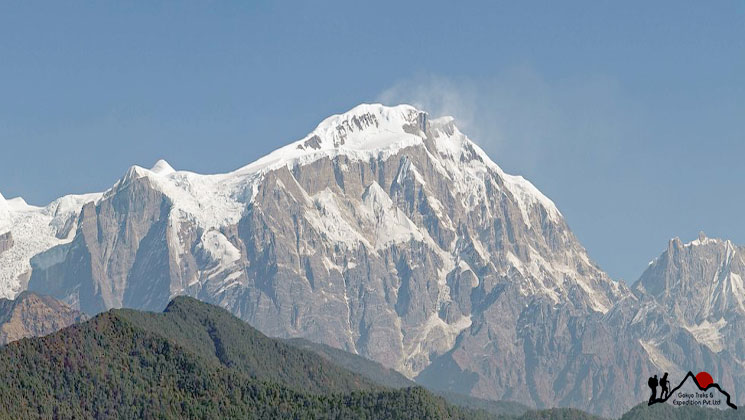
Rolwaling trekking will allow you to visit both the Rolwaling and Khumbu regions. These are two famous mountain regions of eastern Nepal. Rolwaling trekking offers romantic mountain views, diverse flora and fauna, and rich local cultures. One feature of Rolwaling trekking is that it requires a good level of walking experience and physical fitness, as trekkers have to cross the adventurous 5755m Tashi Lapcha Pass. The crossing of this high pass provides a truly wilderness-off-the-beaten-path travel experience. In the past, this trek was only allowed for members of an expedition group. Now it is opened for all people. Another attraction of Rolwaling trekking is the enchanting Rolwaling Valley. The small Sherpa villages of Beding and Na in this valley provide an experience of unique and traditional Sherpa culture. Trekkers discover dense forests and lots of waterfalls when walking through this valley. While proceeding to Tashi Lapcha, trekkers see the great view of Mt. Gauri Shanker (7146 m). This mountain was also once thought to be the highest mountain in the world. People believe the highly celebrated and mysterious animal yeti has made his home around Mt. Gaurishanker. But entire research expeditions have so far unsuccessfully attempted to find him. After passing Tashi Lepcha, you will arrive in the Khumbu region and do a few days of trekking. You finish your trekking at Lukla. From Lukla, you fly back to Kathmandu.
The Rolwaling Trek is commonly seen as one of Nepal’s most punishing trekking routes, sort of blending severe altitude, technical ground, and remoteness into a real mountain test.
Near the very top, the path runs up to around 5,755 m (18,881 ft) at Tashi Lapcha Pass, and that can put trekkers at real risk of altitude sickness. It’s not that slow, comfortable ascent you get on some other trails. The elevation gain is pretty intense, so pacing matters a lot, and you have to watch for symptoms the entire way.
Also, Tashi Lapcha is different from many usual “just cross a pass” situations. It’s a technical crossing. Based on what the weather is doing, trekkers might have to handle snow and ice, clip onto fixed ropes, and use crampons, so the know-how is more like mountaineering rather than typical trekking.
And Rolwaling Valley itself is still among Nepal’s least developed trek areas. When you compare it to Everest or Annapurna, lodging is thin, and rescue support is rather limited too. So if something goes wrong, you’re mostly on your own, with little safety net nearby.
The Rolwaling Trek is often seen as one of Nepal’s hardest trekking routes, a kind of mix of very high altitude, tricky ground, and general remoteness into a real mountain ordeal. It’s not just “hard” in the casual sense; it’s more like, you feel it.
At the top end, the path climbs to about 5,755 m (18,881 ft) at Tashi Lapcha Pass, so trekkers can face a real danger of altitude sickness. And it’s not that smooth, slow acclimatizing grind you might find on some well-known trails. Here, the climb and overall ascent pressure mean pacing has to be smart, and you have to keep an eye on symptoms the whole time.
Also, unlike most trekking passes, Tashi Lapcha isn’t only a walk through. It’s a technical crossing. Depending on the weather and snow cover, trekkers may have to move over snow and ice, use fixed ropes, and wear crampons. In practice it’s closer to mountaineering technique than a normal trekking day.
Then there’s Rolwaling Valley itself, which stays among Nepal’s less developed trek areas. Compared with Everest or Annapurna, places to stay are limited and the rescue setup is thin. So when something goes wrong, trekkers can’t count on quick help; they have to be mostly self-reliant and ready.
Yes, the Rolwaling Trek can, sort of, merge with Everest Base Camp through the Tashi Lapcha Pass, and it connects the Rolwaling Valley straight into the Khumbu region. In practice, it turns into this epic and technically demanding trail, linking two distant Himalayan pockets, and it is best for seasoned trekkers who want a more extended, more adventurous journey than most of the usual EBC itineraries.
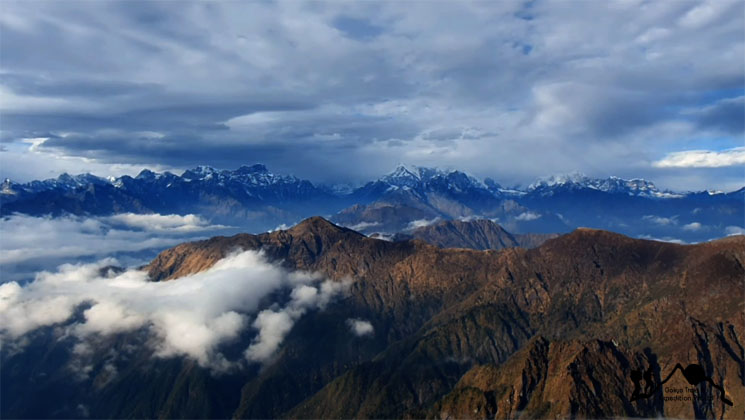
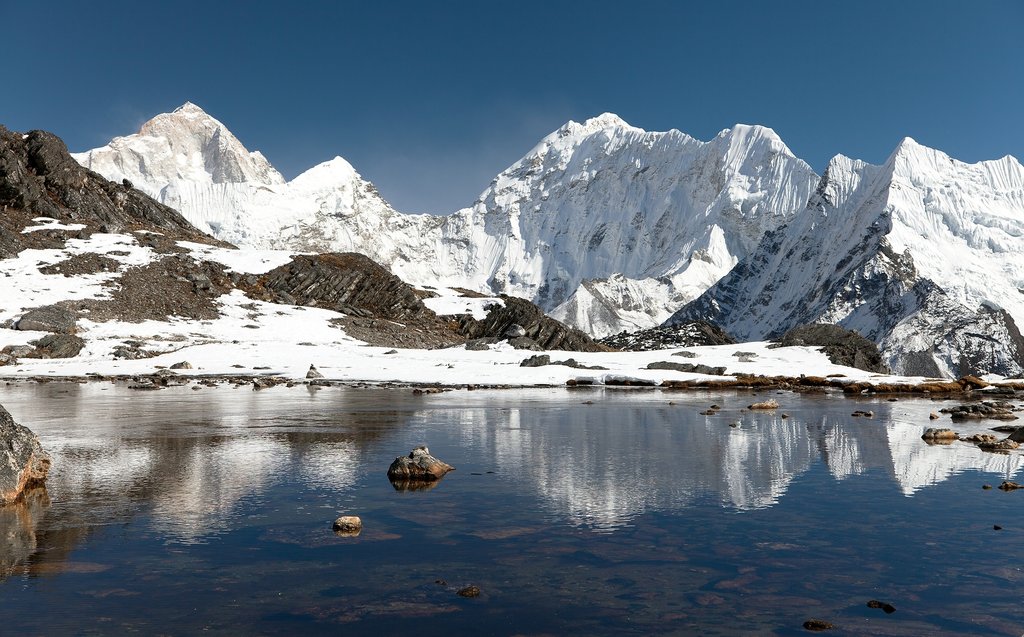
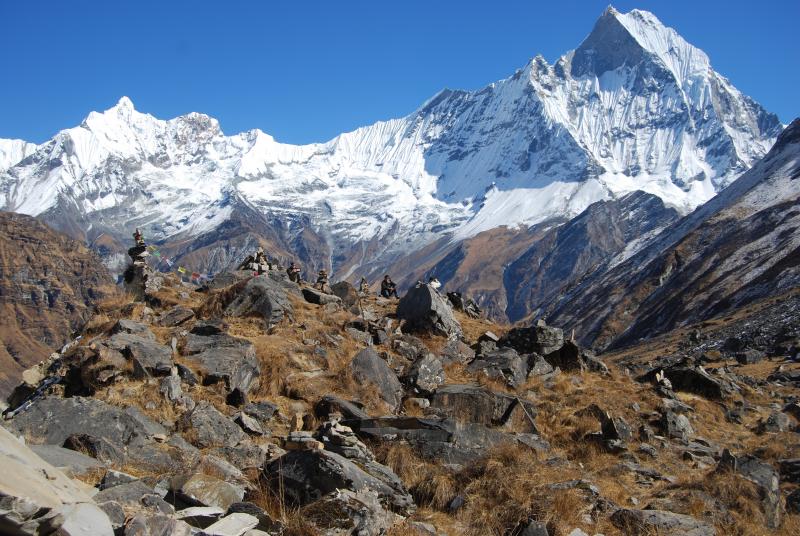
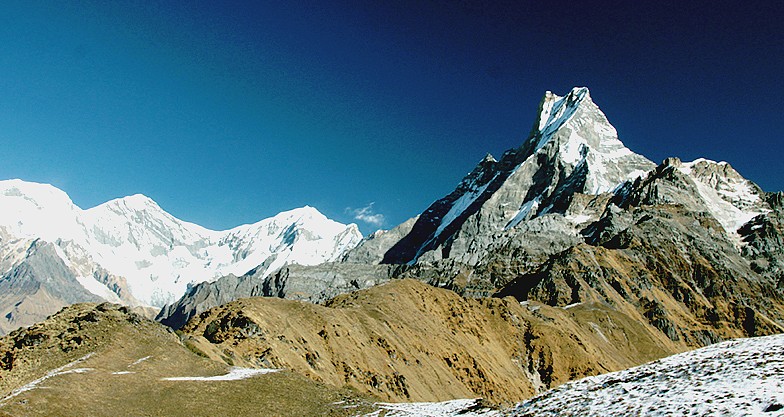
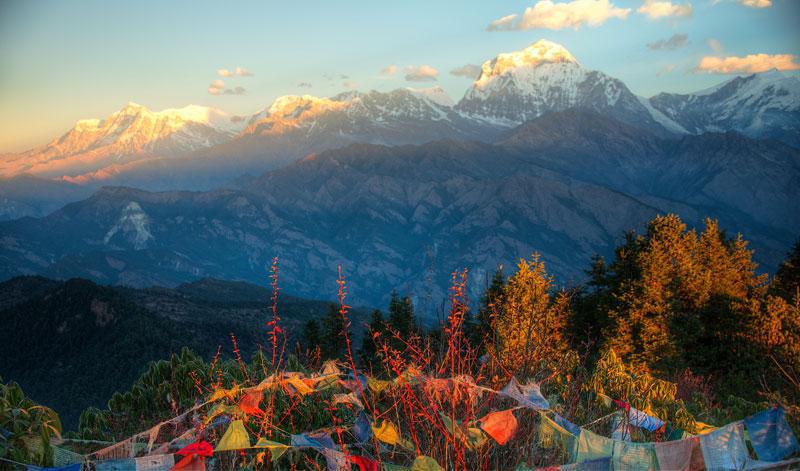
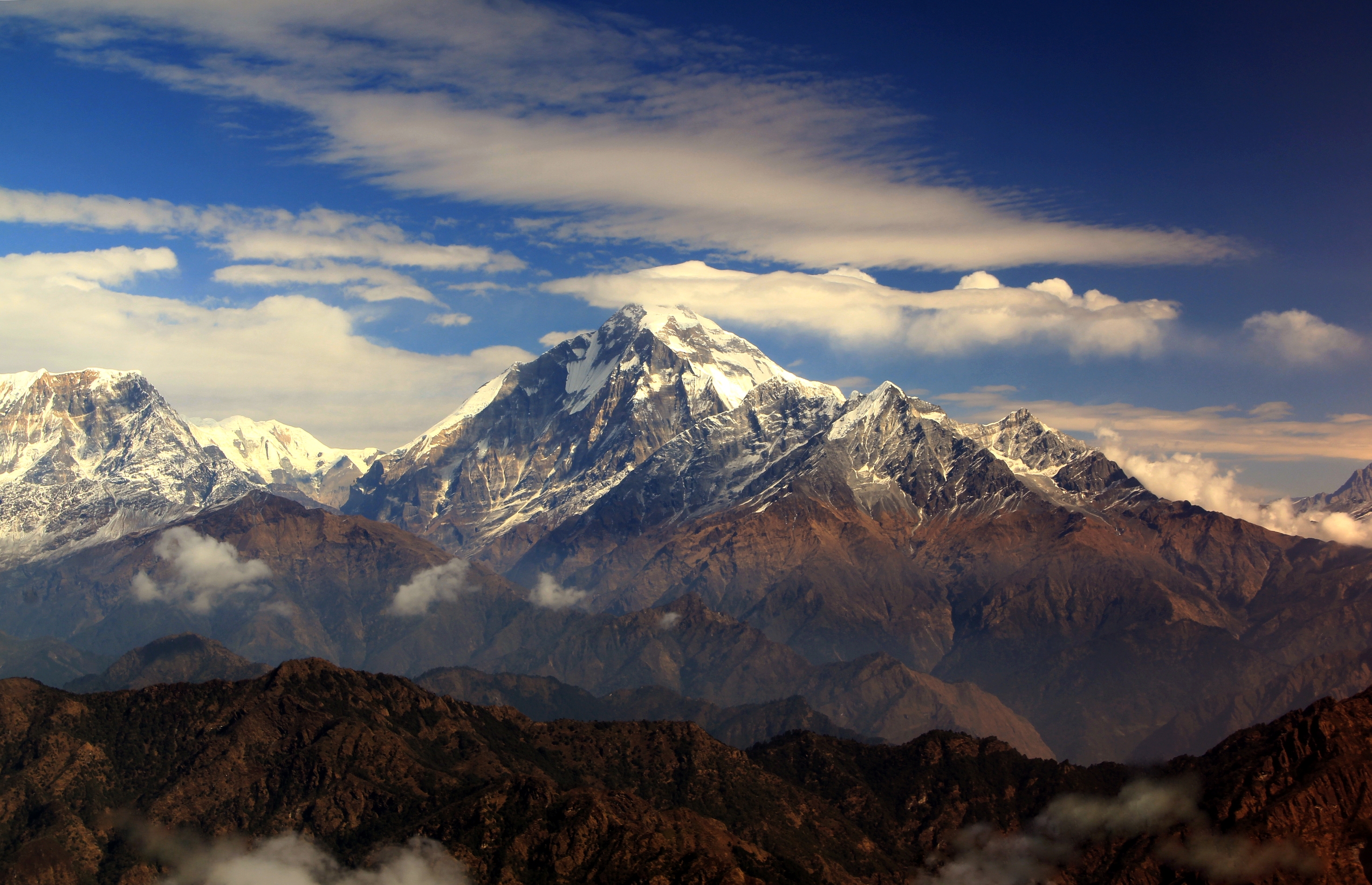
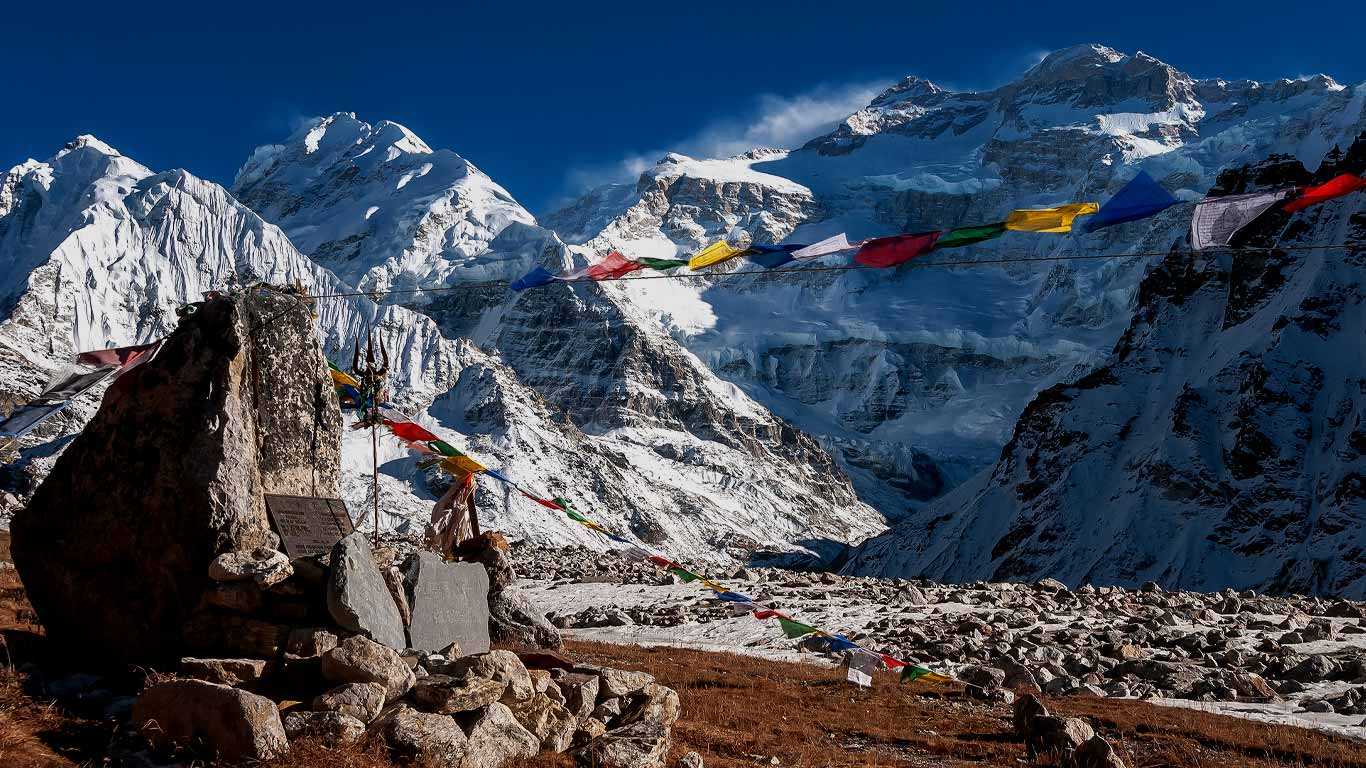
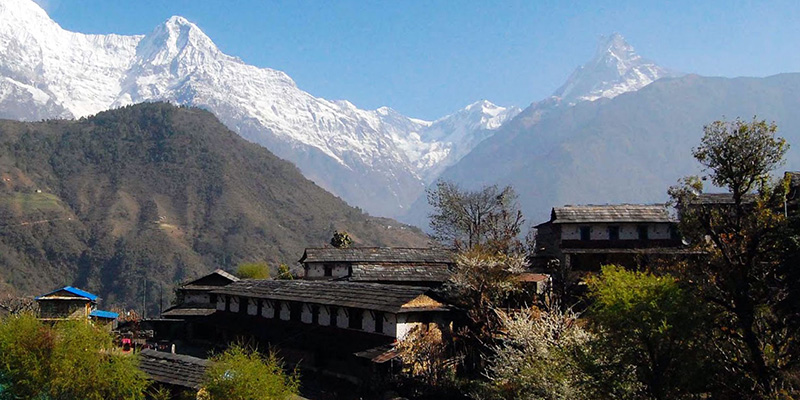
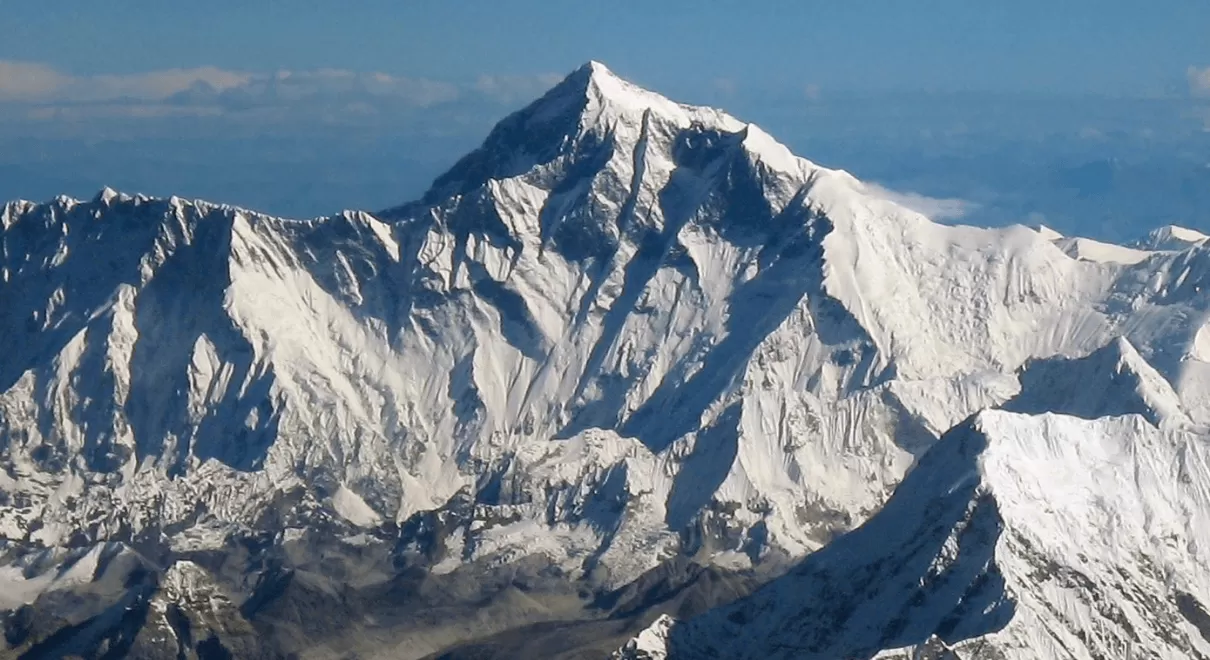
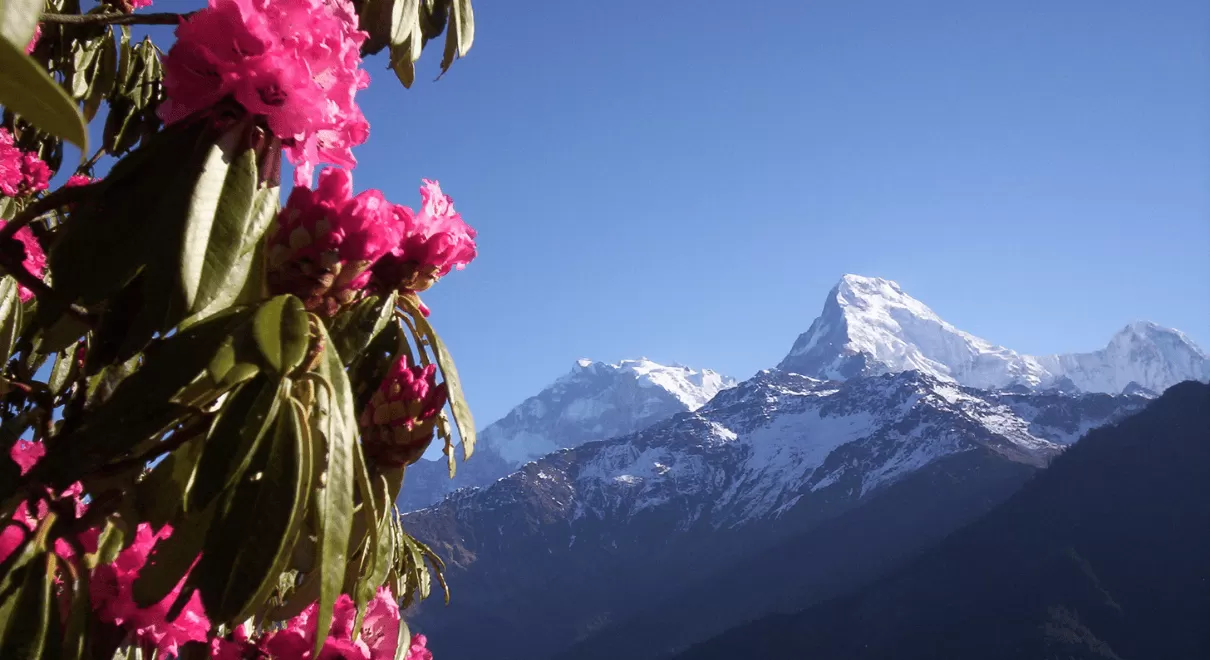
Great view of Gauri Shankar, Everest(8848m), Makalu(8463m), Nuptse (7896m), Amadablam (6812m). Thamserku (6800m), Kusum Kangru( 6369m), Island Peak (6189m) other high mountains.
Adventurous high-pass Tashi Lapcha 5755m, one of the region most thrilling and hardest, traversals
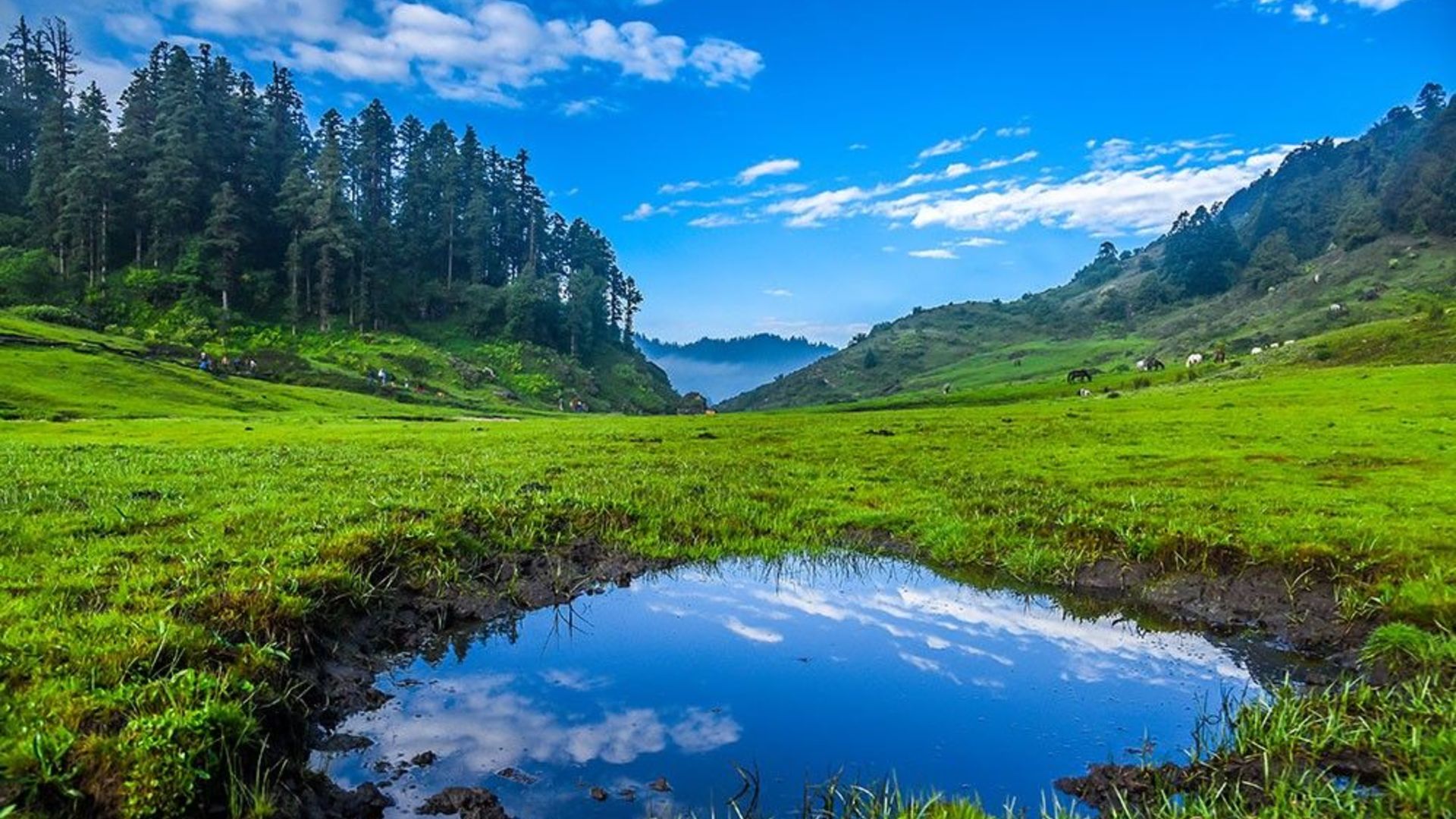
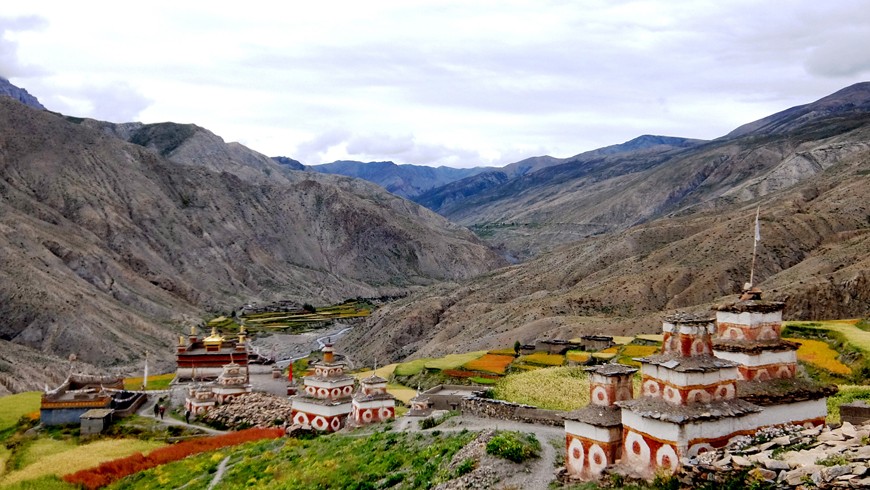
Walking across steep stone terraces and through dense lush forest paths that snake between mountains
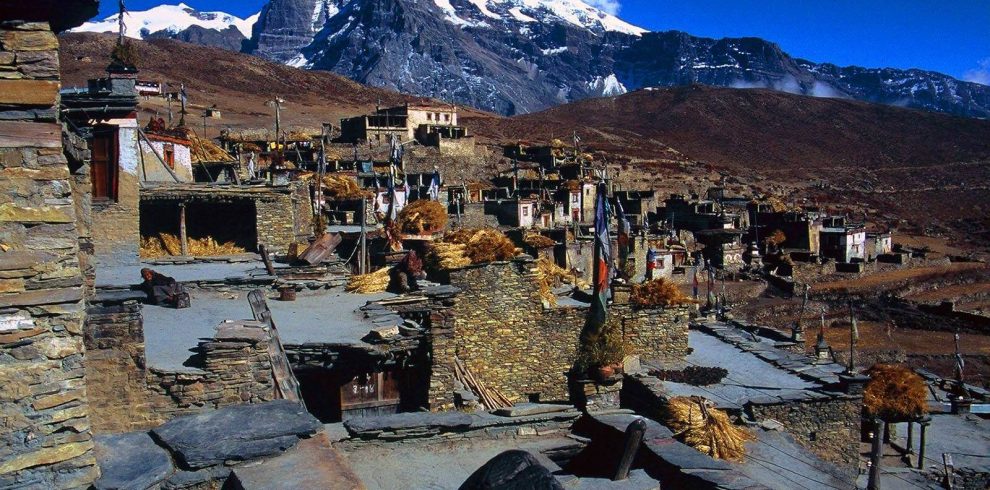
Beautiful Sherpa villages Beding and Na show an uncommon traditional way of life, friendly culture, hospitality
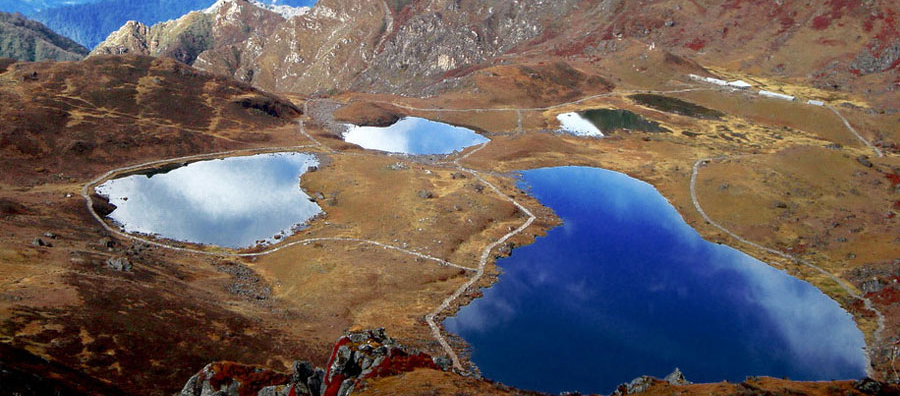
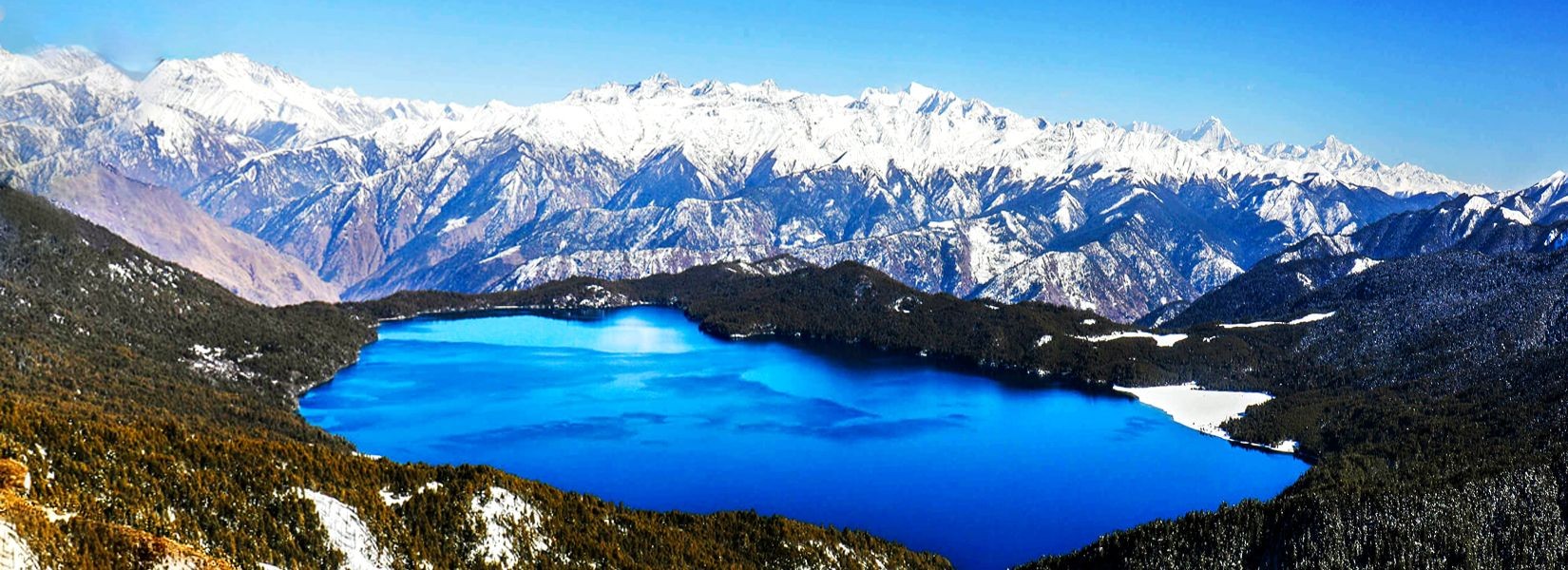
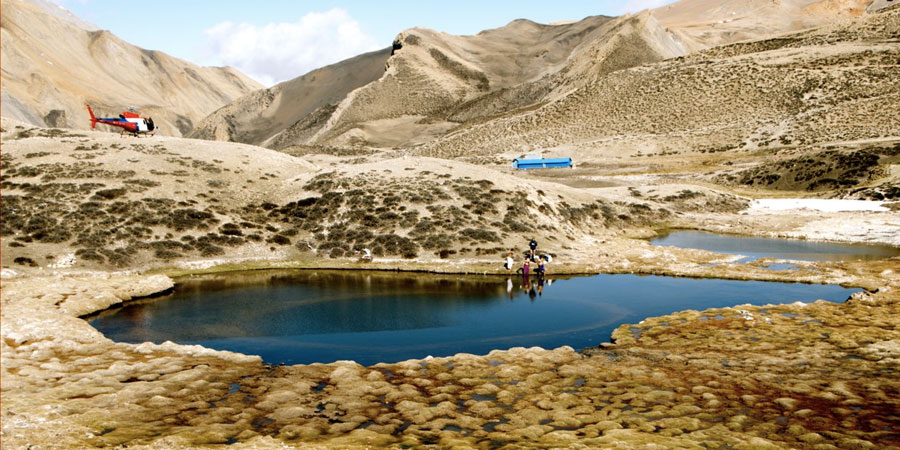
Many spectacular glaciers and dramatic ice falls, scattered across the remote breathtaking Rolwaling valley
Diverse Himalayan flora and fauna, featuring rare alpine plants and elusive high-altitude wildlife species
Start From
Get personalised guidance for any Nepal adventure — with expert planning and safety support.
We offer expert advice, flexible options, and tailor-made itineraries.

The Rolwaling Trekking Adventure was an incredible journey into one of Nepal's most remote Himalayan valleys. The dramatic mountain scenery, peaceful trails, and traditional villages were unforgettable. Our guide was experienced and supportive, making the challenging terrain and high-altitude sections much more manageable.
Himalayan Smile Treks organized an excellent Rolwaling Trekking experience. The remote landscapes and spectacular views of the surrounding peaks were outstanding. I particularly enjoyed the quiet trails and wilderness atmosphere. The guide provided excellent support and helped us maintain a safe and comfortable pace.
The Rolwaling Trek exceeded my expectations. The valley was incredibly peaceful, with glaciers, rocky mountain landscapes, and impressive Himalayan peaks throughout the journey. Himalayan Smile Treks managed the logistics professionally, and our guide provided valuable advice during the demanding high-altitude sections.
This was one of the most challenging and rewarding trekking experiences I have experienced in Nepal. The rugged trails, remote villages, and dramatic mountain scenery made every day exciting. Our experienced guide was attentive throughout the trek and provided excellent support during the difficult sections.
The Rolwaling Trekking experience with Himalayan Smile Treks was truly memorable. The remote valley, spectacular Himalayan landscapes, and peaceful surroundings made the journey special. The demanding terrain was challenging, but careful pacing, good organization, and professional guide support made the adventure extremely rewarding.

$
$
$
$
$
$
$
$
$
.jpg1459434035jpg "Great Himalayan Trail")
$
$
$
$1350
$
$
$
$
$
$1870
$2300
$
$
$
$

↑
.png "NTB")
.png "Pata")