One of the most exceptional and fulfilling activities is Nepal winter trekking, which is one of the main reasons for its popularity among adventurers who generally opt for the spring and autumn months. Even though the Himalayas are the choice of many trekkers to flock to during summer, the winter season unveils an extravagant view of Nepal's splendid mountains. The panorama includes an untouched summit covered with snow, a clear blue sky, and trails that are surprisingly quiet. You can find the whole guide outlining step-by-step Nepal winter trekking, including picking the best routes and preparing for the uncommon challenges related to trekking in a cold environment.
Winter trekking in Nepal refers to hiking and mountaineering activities undertaken during the coldest months of the year, typically from December through February, when temperatures drop significantly across the mountain regions. During this time of year, the climate becomes harsh, particularly at higher elevations, and many high passes become inaccessible due to heavy snowfall and dangerous conditions. However, lower-altitude treks and certain well-maintained routes remain open throughout the winter, offering spectacular views and a more intimate experience with the mountains and local communities. The meaning of winter trekking extends beyond simply hiking in cold weather; it represents a test of endurance, proper preparation, and a deep appreciation for the raw beauty of the Himalayas in their most pristine state.
The various factors that make winter treks special are now considered as unique advantages by the experienced trekkers. To begin with, the atmosphere during the winter months becomes exceptionally clear and offers unobstructed views of the snow-covered peaks that are almost unbelievable in terms of clarity. The famous trails experience a drastic fall in the number of people compared to the riotousness during the high season, and one can perceive the mountains in almost total solitude, where it is also easier to connect with the locals because of the small tourist groups. Apart from this, lodging and trekking services are also much cheaper than during the peak months. Therefore, winter is a good and economical time for traveling, if not for those who cannot stand the cold.
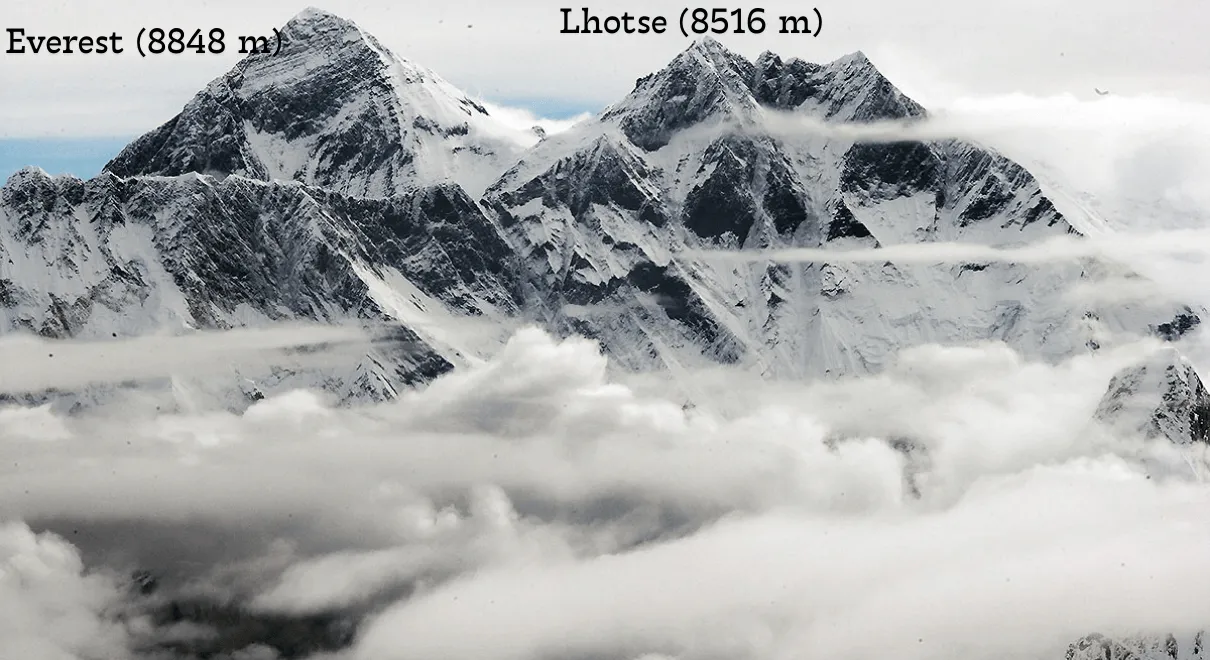
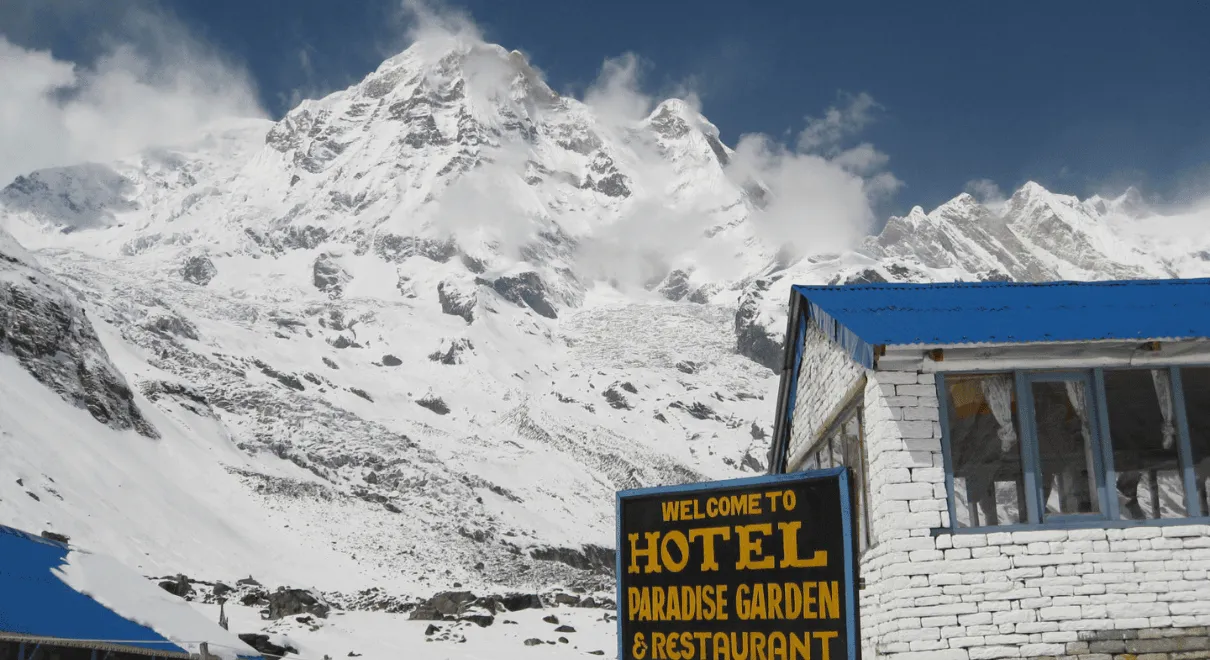
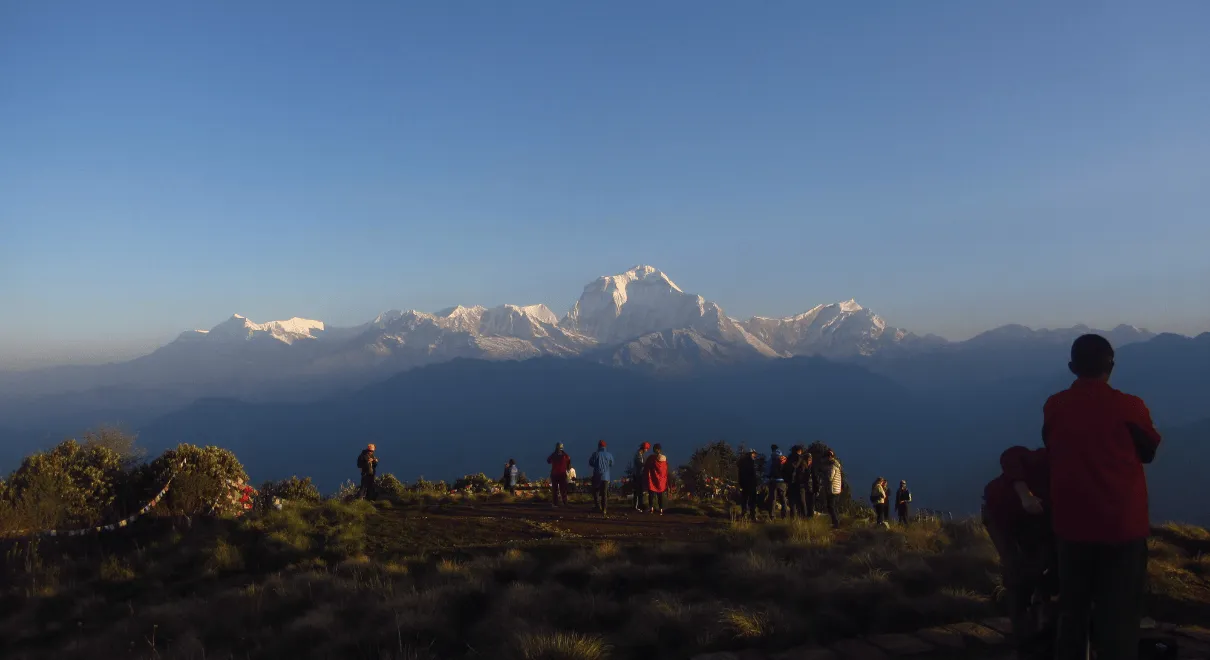
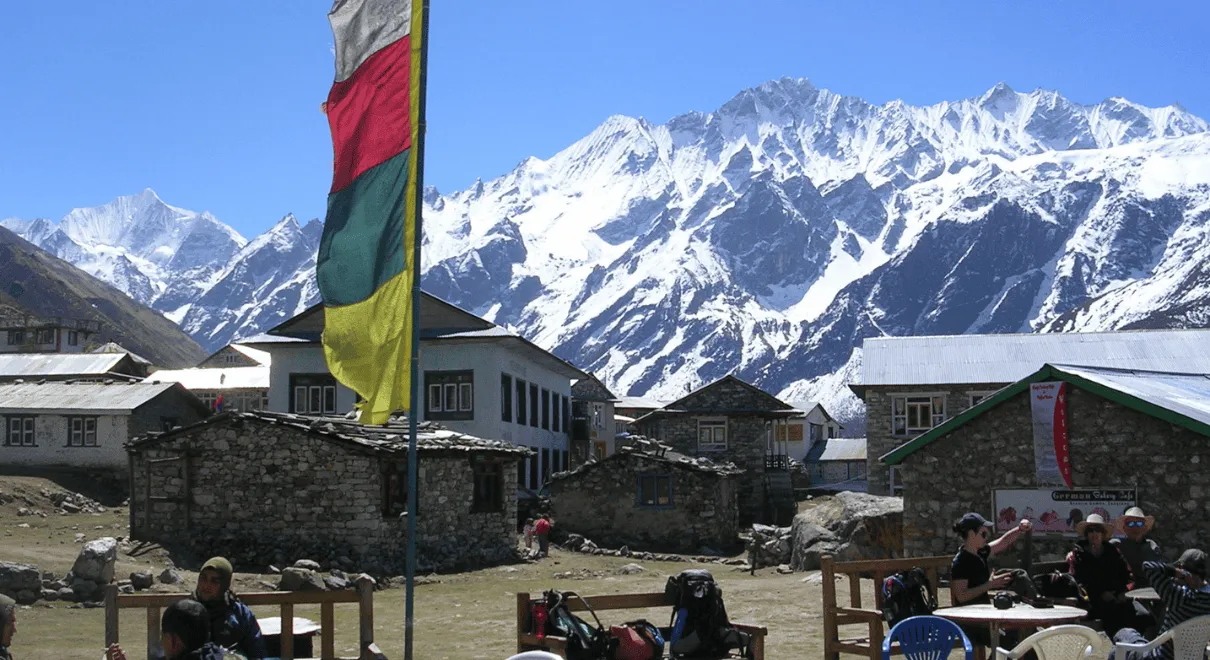
Winter trekking in Nepal is a tricky business since not all trails are good for winter conditions. However, a few of them become the most favorable for cold-weather adventures. One of them is certainly the Everest Base Camp trek, which is doable in winter, but it is extremely necessary to be well-prepared for the heights and also have ultra-top gear due to the primacy of the cold at higher altitudes. On the other hand, the Annapurna Base Camp trek, which is situated in the center of the Himalayas, is open to winter trekkers and offers beautiful sights and easier routes compared to other trekking places. Other alternatives, like Ghorepani Poon Hill, offer great experiences, and the Langtang Valley Trek does not even allow the trekkers to experience cold temperatures, making it thus designated for novices in winter mountaineering.
Winter trekking is a whole new ball game and asks for a certain amount of planning as well as a realistic mindset regarding the experience you will have on the path. The maximum daily walking time is limited by temperatures that can drop to minus twenty degrees Celsius, high altitudes where it can be even colder, and much shorter daylight hours compared to other seasons. The main accommodation options are teahouses and lodges, which stay open throughout the winter but may offer only limited services or fewer amenities than during the peak season. Depending on the weather, the trekking areas might be very icy and snowy, thus the best shoes with proper traction, and even special gear, might be required to safely pass through the dangerous areas.
The thorough research made the conversations with skilled mountaineers and the feedback of the guide services in Nepal very clear that the right preparation is going to be the best factor in surviving a successful winter trek. High-quality insulated clothing should be your main investment; excellent down jackets, thermal base layers, insulated pants, and the like will have to accompany you out to the harshest mountain weather, as well as super-strong waterproof outer shells. To sleep, you will have to carry a four-season sleeping bag rated for extreme temperatures because nighttime temperatures in mountain lodges often are lower than freezing even during the day. Trekking poles need to be considered as an indispensable equipment for hikers going through ice-covered places and trying to find balance in snow-covered paths. However, micro spikes or crampons might be required for the areas where ice build-up has made the trails very unsafe.
Original research with winter trekkers and the recognition of some shared on the web trekking communities have determined a variety of recurring issues that need practical solutions. One of the issues is that a lot of trekkers suffer from cold-related problems ranging from frostbite of toes and fingers to very cold night lodgings, and inability to keep warm. To be slightly more precise, the very best option includes the use of a correct layering system; chemical hand and toe warmers, as carried for an emergency; and, if possible, the occupation of heated places like wood stoves or a heated room for sleep. The problem of altitude sickness is again encountered by winter trekkers, and sometimes the body’s extra effort of coping with the extreme cold can lead to it. The best precautions are still to stick to the acclimatization schedule, to ascend at a slow rate so that the body can adjust, and to stay well-hydrated, even though this may not be felt in the cold weather, when one might not feel as thirsty as in the warmer conditions.
If you are just starting, it would be a wise decision to start winter mountain trekking with easier and lower routes. In this way, you will be able to gain experience and confidence before tackling the high-altitude winter treks. It is also a good idea to look for guides who are experienced in winter conditions, can read weather patterns correctly, and can make real-time decisions regarding the safety of the route based on the conditions at that moment. Joining organized group treks instead of trying winter trekking alone is highly recommended—the winter mountain environment brings extra risks that are much better dealt with in the company of experienced companions and under professional leadership.
The deep silence and special ambiance that winter brings to the Himalayas, making it almost a spiritual experience, are what the majority of the standard trekking guides do not mention. The usual lively atmosphere of the trail, with the constant passing of trekkers, turns into a meditative experience where the only sounds are the crunch of your own footsteps in the snow and the sound of your breath. Cultural immersion with local winter festivals is hardly experienced during the peak, crowded seasons, when the activities of tourists are predominant. Stargazing on clear winter nights is of extraordinary quality, as there is very little light pollution and the atmospheric conditions are super crisp, so the Milky Way seems to be so bright that it is almost within grasp.
Nepal's winter trekking is a reward in the end for those who handle its difficulties. In the first place, they will receive unforgettable experiences; then, picturesque places for photography that would reflect the mountains in their most dramatic state; and finally, a sense of personal achievement that is nothing but overwhelming. If you are fully prepared, if your expectations are realistic concerning the difficulties you will encounter, and if you show maximum respect to the power of mountain conditions, then your winter Himalayan adventure can be turned into the journey of a lifetime, which is only meant for a few people with such courage and determination.




.png "NTB")
.png "Pata")