Country
Nepal
Duration
17 Days
Maximum altitude
6714m.
Activity
Tour - Trek
Difficulty
Best Season
May to September
Accomodation
Mountain Lodge - Hotel
Meals
Included
Start/End Point
Simikot / Kyorong

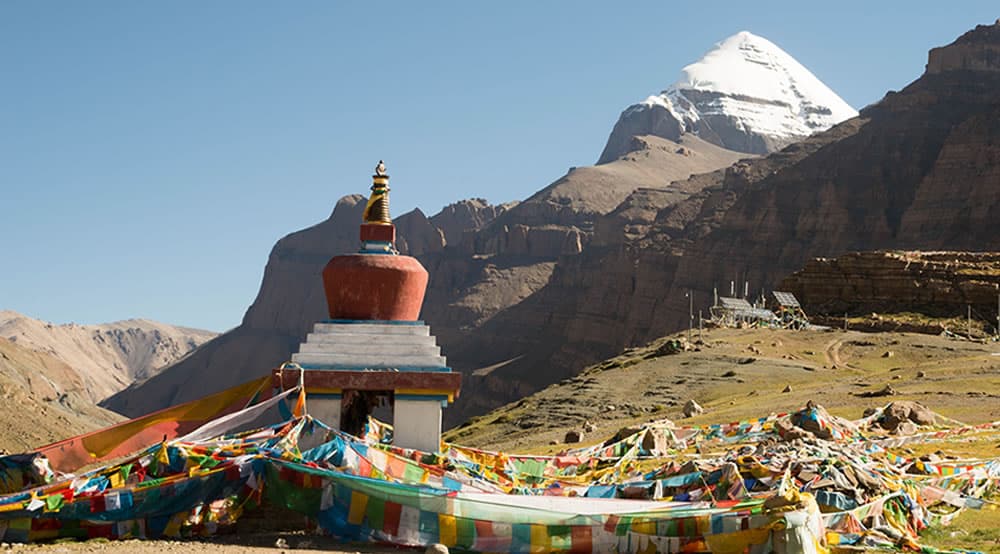
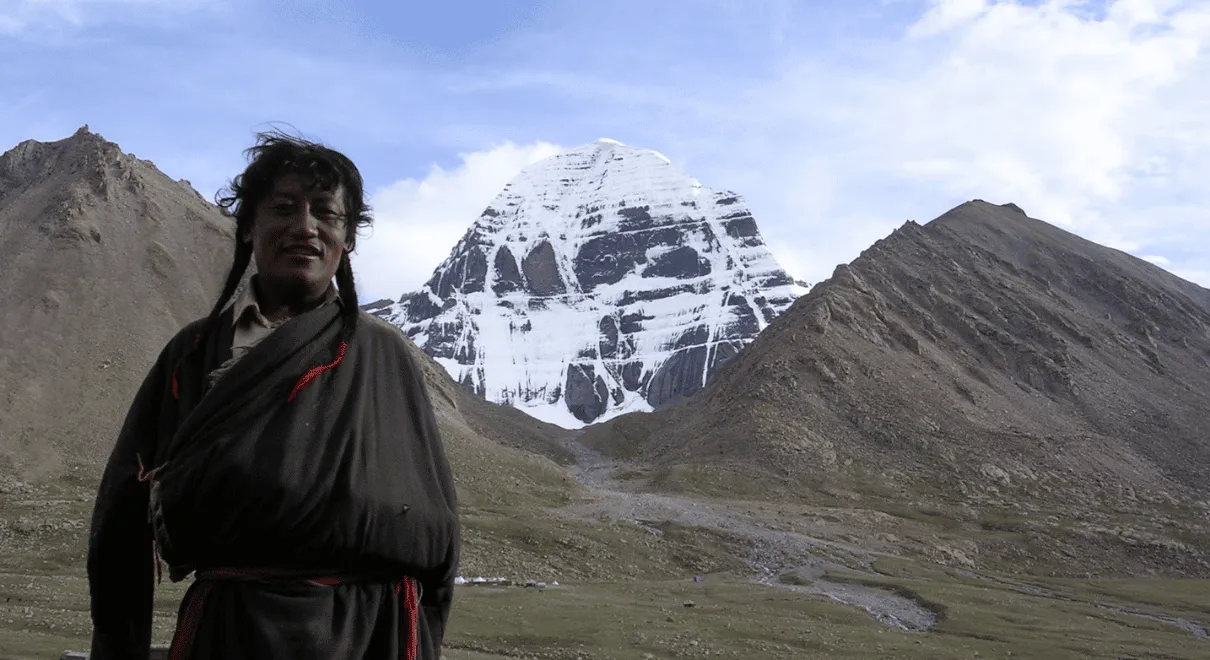
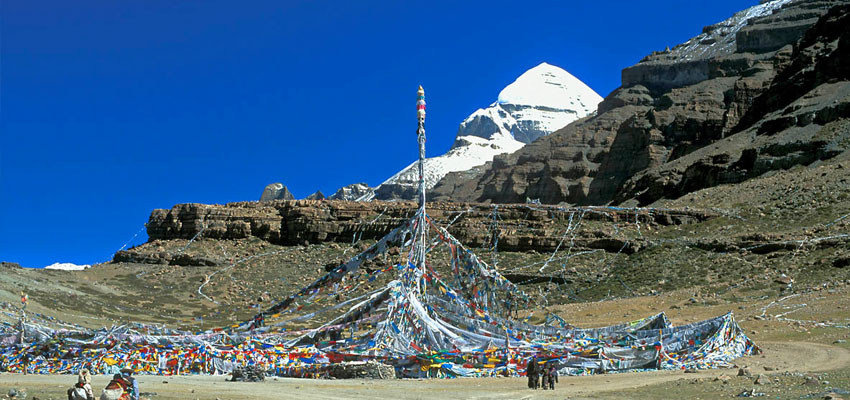
Mount Kailash tour via Humla, Nepal is an extraordinary journey that takes you to Tibet’s mythical Mt. Kailash and Lake Manasarovar, via the hidden Humla valley in Nepal’s most western frontier with Tibet. From Kathmandu, we take a flight to Simikot via Nepalgunj. We do trek for five days from Simikot to Hilsa. After crossing the border, we take a drive to Taklakot – Purang – Mansarovar Lake – Darchen – Tarbudhe. Then we commence a trek around Mt. Kailash for three days. After the trek ends, we drive back to Kathmandu via Prayang, Saga, and Gyirong.
A Mount Kailash tour through Humla, Nepal, brings you along one of the quietest and most revered pilgrimage paths in the world. You travel to Mount Kailash and Lake Manasarovar, and you do it without a separate crossing into mainland China. The reason is simple. The Humla route starts from Nepal’s northwestern border and goes in from there.
Many pilgrims and trekkers pick this way because of the wild mountain views, the strong spiritual feel, and the practical side too. It can mean a Kailash trip with fewer problems around China visas. In the sections below, you will find the key details. These include the best time of year, the trek plan, permits, typical costs, and what the journey means in spiritual terms.
Why Choose the Humla Route to Kailash
The Humla to Kailash route feels different from the route most people use, the Kathmandu to Kerung way. With this one, you do not go through Tibet checkpoints at the Nepal to Kyirong border. Instead, trekkers take a flight to Simikot. Then they cross into Tibet at the Hilsa border. This is a well-known Nepal to Tibet trek.
Many travelers like it for a simple reason. They can get the needed Tibet travel papers through their tour group. They do not need to apply for a Chinese visa on their own. That is why many pilgrims choose it for the Kailash Manasarovar yatra that Nepal supports.
It also tends to be less crowded. So the trip can feel calm. You get more time to see rural life in the high Himalayas.
Best Time to Visit: Season and Weather Guide
On a Mount Kailash Tour through Humla, Nepal, timing makes a real difference. Pilgrims ask about it again and again.
Late spring to early fall is usually the best window. Many people point to May and June, and also to September through the start of October.
For weather, June and September tend to feel steadier. There is less trouble from monsoon rain. You are also less likely to face deep snow that can shut down higher routes.
If you want the best chance at clear views, plan for late September into early October. Skies are often at their clearest then, so the peak of Kailash looks sharp and uncovered by clouds.
For beginners, June is often the safer pick. Footpaths are usually drier, daylight is longer, and getting used to the altitude can feel more manageable than in the wet season or later in the year.
Recommended season summary:
|
Month |
Weather |
Suitability |
|---|---|---|
|
May |
Mild, some snow at passes |
Good for experienced trekkers |
|
June |
Warm, stable |
Best for beginners |
|
July–Aug |
Monsoon, landslide risk |
Not recommended |
|
Sept |
Clear, cool |
Best overall views |
|
Early Oct |
Cold but clear |
Good, pack warmly |
Humla to Kailash Route and Itinerary
The Simikot Kailash trek usually starts with a flight from Nepalgunj or Kathmandu to Simikot. After landing, the group walks along the Karnali River valley. They move toward Hilsa, then cross into Tibet. From there, the route goes on to Purang. Later, trekkers reach Lake Manasarovar. After that, they arrive at Mount Kailash.
In total, the trip takes about 15 to 20 days for a round route. Near Dolma La Pass, people pass elevations above 5,000 meters. This happens during the Kailash parikrama, the circuit walk.
Permits and Documentation
This path does not use the usual Chinese visa steps. Still, you must get a permit to trek in Humla in Nepal. You also need a Tibet Travel Permit, and it has to be arranged through a licensed travel agent.
You will likely be asked for copies of your passport and recent photos. Many groups want your booking done ahead of time, often about 30 to 45 days. So if you are planning a Kailash yatra package using this route, start early.
Difficulty Level and Physical Preparation
This trip goes high, so altitude sickness is the big worry. If you are fit enough, if you have had some time to adjust, and if you climb slowly, you lower the risk a lot. Most teams plan rest days in the middle, often around Simikot and Hilsa. Then they move on to the higher parts near Lake Manasarovar.
Packing List and Essentials
You should bring the basics: warm base layers, a solid sleeping bag, trekking poles, sun gear, and altitude tablets. What you pack changes by season. For trips in September and October, you will need extra warm layers.
Spiritual Significance and Cultural Experience
For Hindus, Buddhists, Jains, and also people who follow Bon, the trip to Mount Kailash feels deeply spiritual. Many see it as the home of Lord Shiva. It is also treated as a key point at the center of the universe.
Going around the mountain, called parikrama, is said to wash away past wrongs. It can also help a person gain spiritual merit. Because of this, the walk is not only about distance and steps. It becomes a journey inside the mind too.
Trek into Tibet from Nepal by way of the Hilsa area and Humla. This route is meant to avoid the usual Chinese visa steps.
Walk the Kailash parikrama circuit. Many travelers say this sacred loop helps with spiritual cleansing and brings blessings.
See Lake Manasarovar. It sits at very high altitude, and people treat it as one of the most holy waters on Earth.
Go through remote Himalayan areas with little foot traffic. You will pass Simikot valleys, the rough Karnali river edges, and high mountain crossings that are not often crowded.
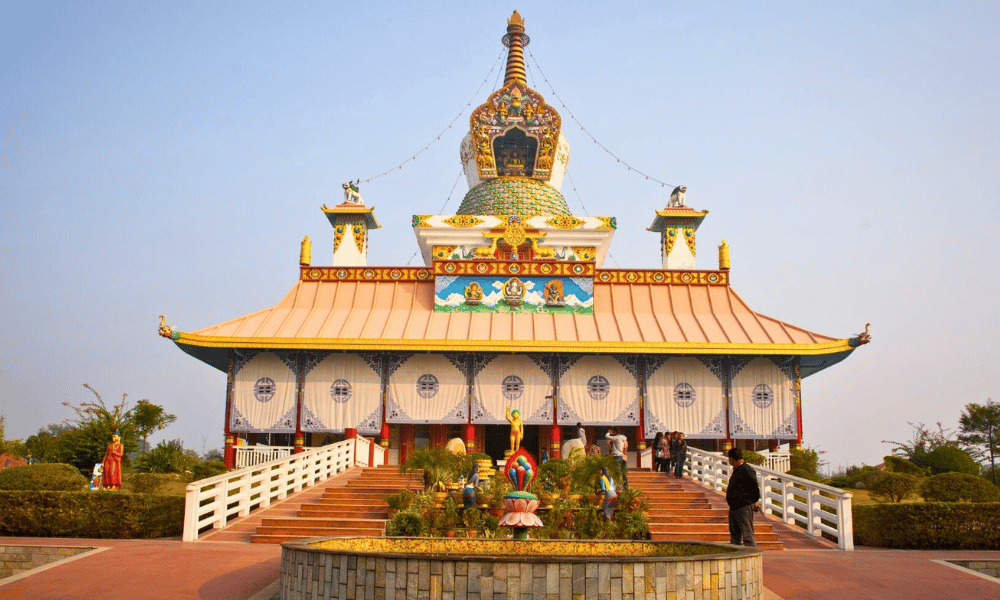
Live the day-to-day culture of the region. You can visit Humla villages, Tibetan Buddhist monasteries, and older pilgrimage customs that have been followed for a long time.
Start From
Get personalised guidance for any Nepal adventure — with expert planning and safety support.
We offer expert advice, flexible options, and tailor-made itineraries.

The Mount Kailash Tour via Humla was a remarkable journey through one of the most remote and beautiful regions of Nepal. The trek through the Humla landscape was peaceful and offered incredible views of the mountains, valleys, and traditional villages. Reaching the Kailash region was a deeply memorable experience. Our guide and support team were professional, helpful, and attentive throughout the journey. Himalayan Smile Treks handled the transportation, permits, accommodation, and trekking logistics very efficiently. This was an unforgettable adventure combining remote Himalayan scenery, culture, and spirituality.
The Kailash journey via Humla was an extraordinary experience. I especially enjoyed the remote trails and the opportunity to experience the traditional culture of Humla before continuing toward the Kailash region. The landscape was spectacular, with high mountains, deep valleys, and peaceful settlements. Our guide was knowledgeable and supportive, helping us throughout the challenging sections of the journey. Himalayan Smile Treks organized the trip very professionally, including transportation, accommodation, permits, and local support. The entire experience was meaningful, peaceful, and full of unforgettable Himalayan scenery.
The Mount Kailash Tour via Humla was one of the most unique journeys I have experienced. Traveling through western Nepal provided a wonderful opportunity to see a remote Himalayan region that feels very different from the popular trekking routes. The scenery along the trail was spectacular, and the local villages added an authentic cultural experience. Our support team was well organized and very attentive to altitude and changing conditions. Himalayan Smile Treks managed the logistics smoothly and kept us informed throughout the journey. It was a challenging but deeply rewarding experience.
This was an unforgettable Himalayan journey. The route via Humla offered beautiful mountain scenery, remote villages, and a genuine sense of adventure. The journey toward Mount Kailash was physically demanding, but our guide and support staff were patient, professional, and encouraging. I appreciated the careful organization of transportation, accommodation, permits, and trekking arrangements. The spiritual atmosphere around the Kailash region made the experience particularly special. Himalayan Smile Treks provided excellent support throughout the trip and helped make this challenging journey comfortable and memorable.
The Mount Kailash Tour via Humla was an incredible combination of remote trekking, Himalayan culture, and spiritual exploration. The journey through Humla was beautiful, with dramatic mountains, traditional villages, and peaceful landscapes. As we gained altitude, the route became more challenging, but our experienced guide carefully supported the group. The arrival in the Kailash region was an unforgettable moment, and the surrounding scenery was magnificent. Himalayan Smile Treks provided professional organization and reliable local support throughout the journey. I would recommend this tour to properly prepared travelers seeking a unique Himalayan experience.



↑
.png "NTB")
.png "Pata")