Price Table
| 1 | 2 | 3 | 4 | 5 | 6 | 7 | 8 | 9 | 10 | |
| USD 1460 | USD 1105 | USD 1090 | USD 1080 | USD 970 | USD 965 | USD 960 | USD 955 | USD 950 | USD 945 | |
| USD 1790 | USD 1435 | USD 1420 | USD 1320 | USD 1325 | USD 1310 | USD 1305 | USD 1299 | USD 1290 | USD 1285 |
Country
Nepal
Duration
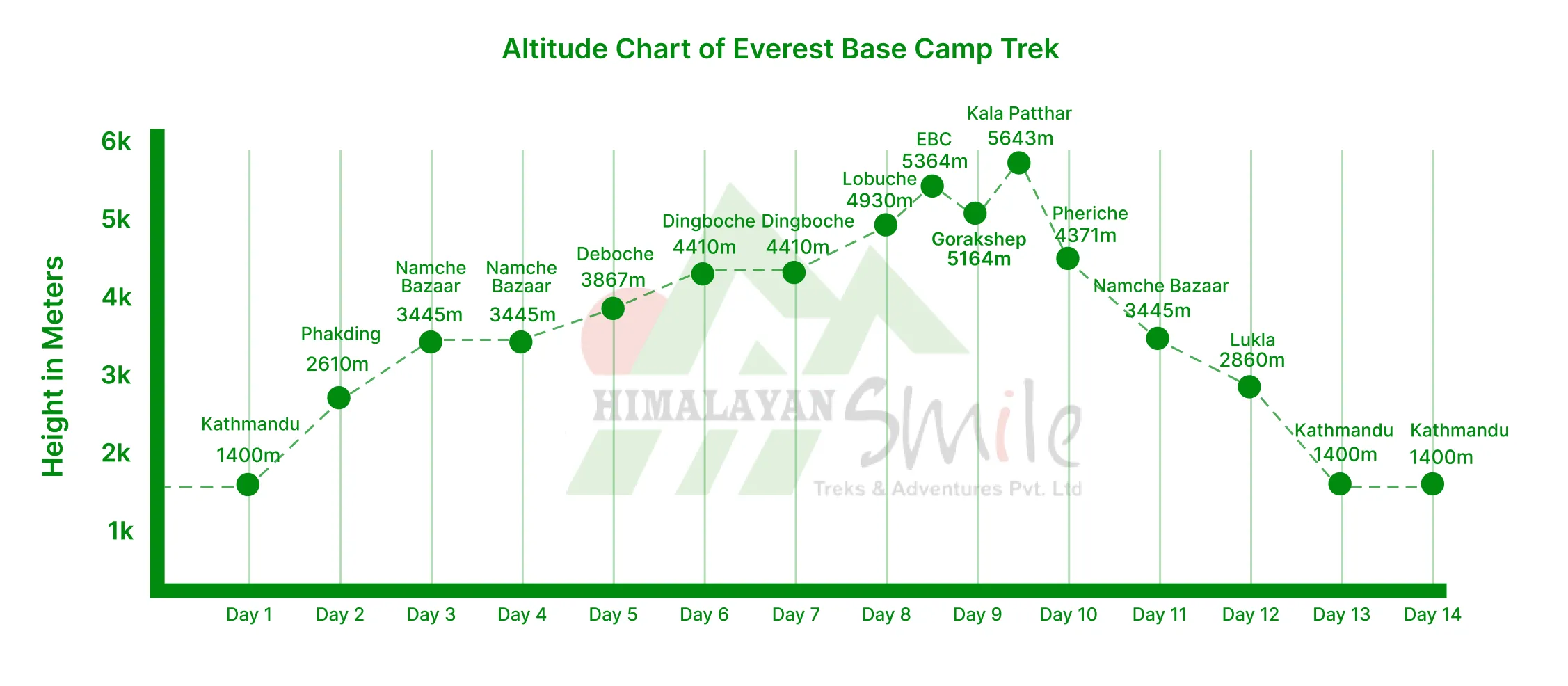
14 Days
Maximum altitude
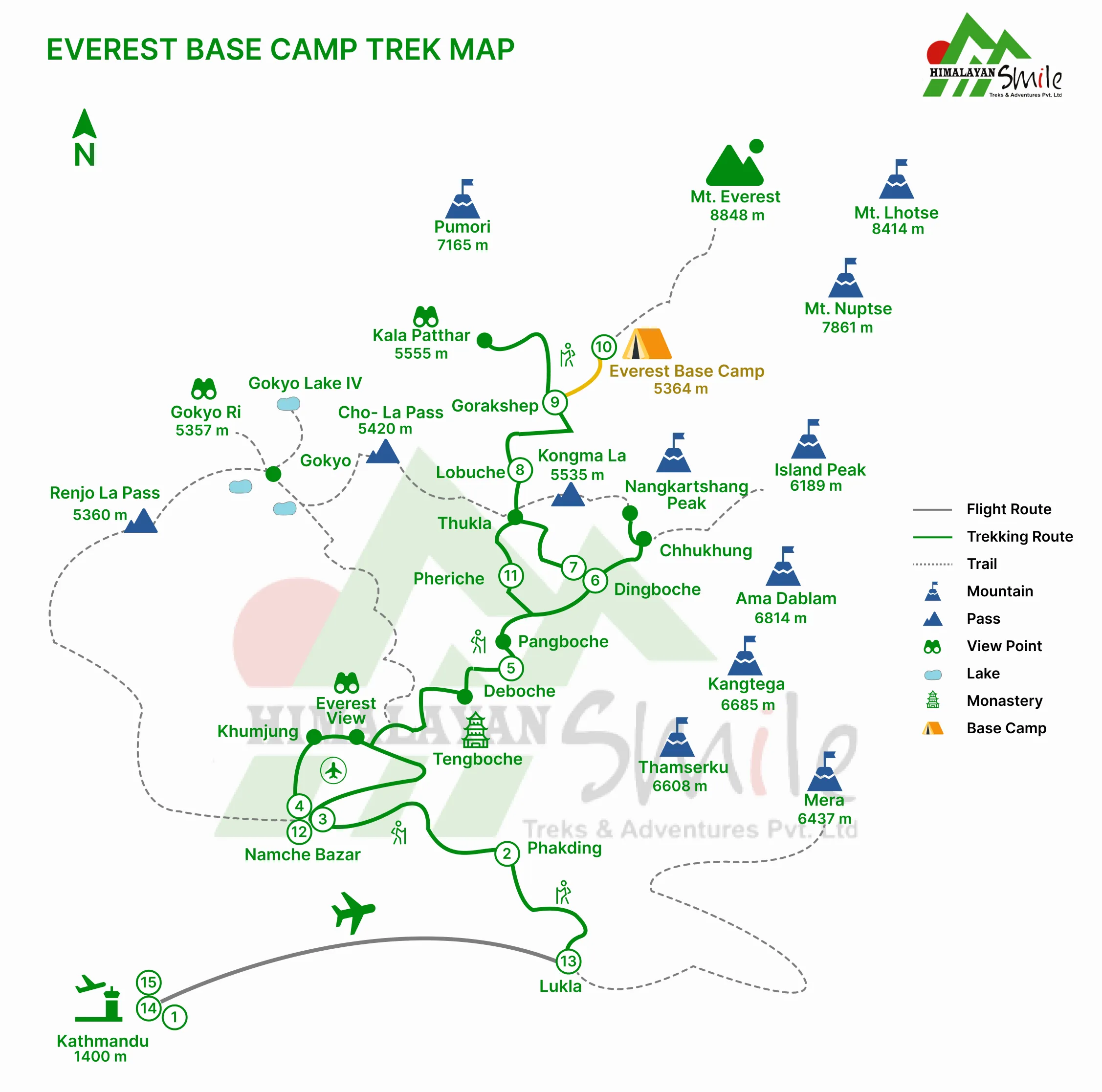
5555 m
Activity
Trekking
Difficulty
Modarate / Challenging
Best Season
June - September
Accomodation
Hoel and Mountain Lodge
Meals
Excluded
Start/End Point
Kathmandu

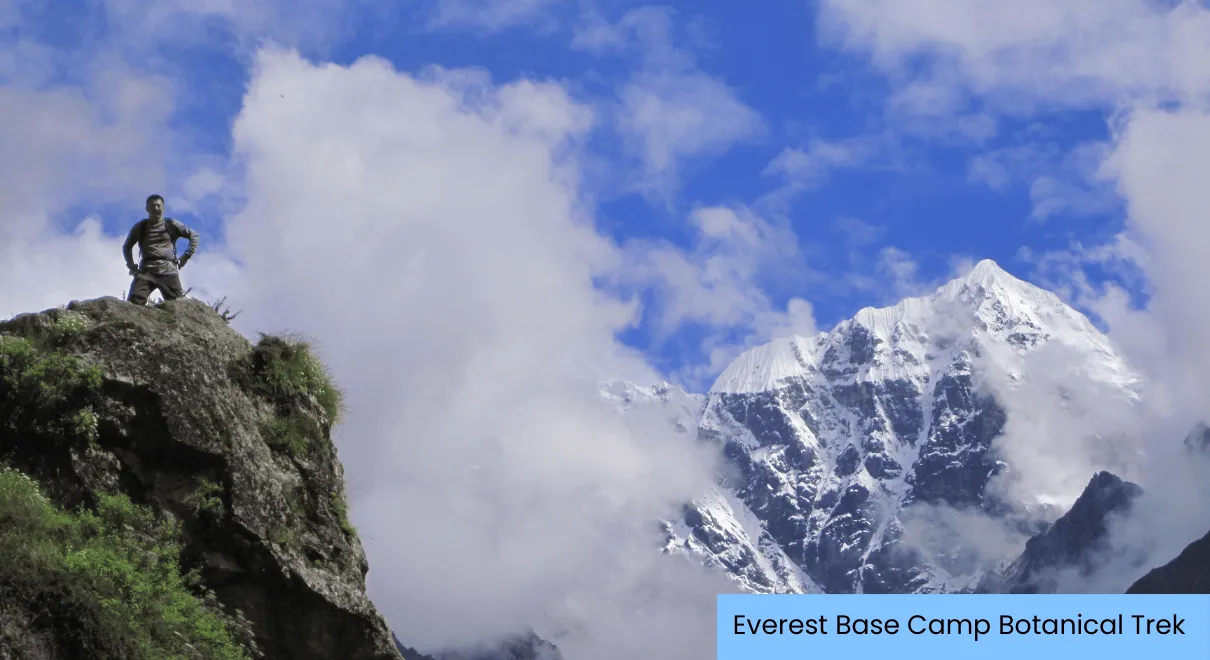
The Everest Base Camp Botanical Trek, which takes place during the monsoon period, is a unique trekking adventure that prioritizes observing nature and conducting botanic research over traditional mountain photography. From June to September, the Khumbu region undergoes a complete transformation, and this unique phenomenon allows researchers, botanists, and nature lovers to witness and appreciate the most fertile period when the Himalayan flora is at its peak.
The monsoon trek to Everest Base Camp stands out with its emphasis on the remarkable biodiversity of the area. It takes to the flora of the Himalayas that passes over different ecological zones, which are inhabited by different plant communities that are fitted to particular altitude ranges and environmental conditions. The trekkers walk through the subtropical forests mainly composed of various species of rhododendrons, go on through the subalpine zones, and finally come to the alpine area where the tough flowering plants show their extraordinary ways of surviving the harsh weather.
The EBC trek during the green season offers the best conditions for watching the plant life cycles, germination, flowering, and seed production. Monsoon months, rather than winter's dormancy or autumn's withered state, show the full vibrancy of the Himalayan ecosystems.
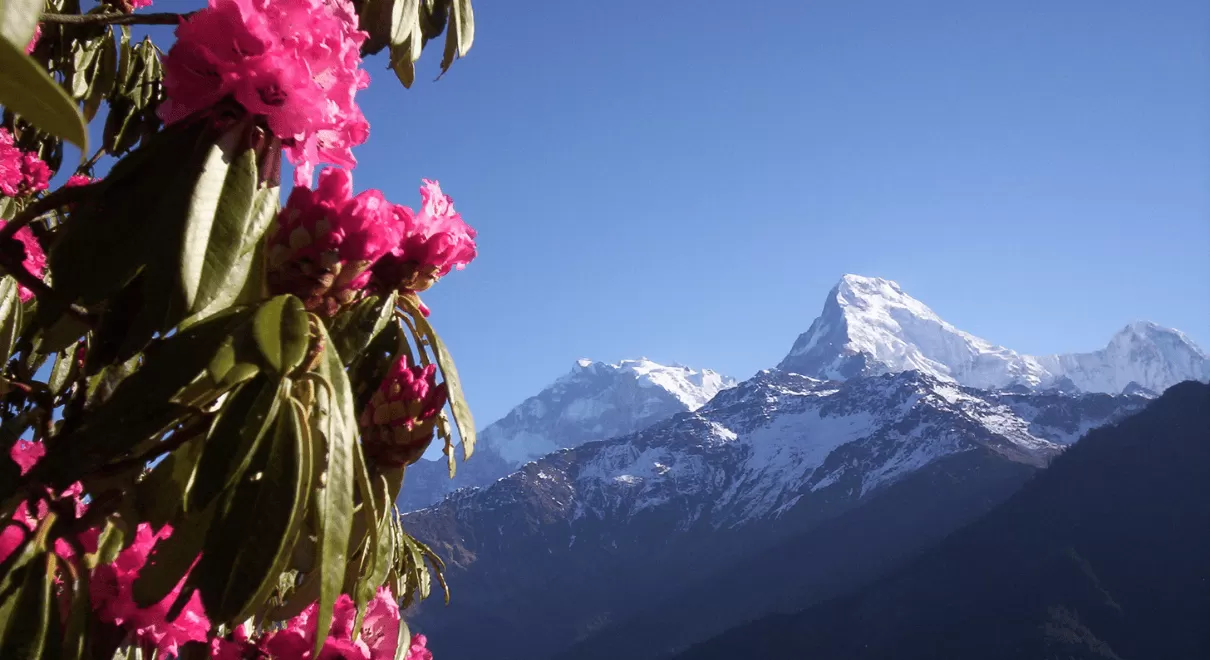
The monsoon season in Nepal for trekking brings along the blooming season of many endemic and rare plants in Sagarmatha National Park. Nepal's rhododendron trek highlights more than 30 rhododendron species, with Rhododendron arboreum, the national flower of Nepal, being the most attractive with its bright red, pink, and white flowers spotted all over the forest area.
Everest's flora expands beyond just the rhododendrons to include primulas, gentians, edelweiss, blue poppies, and numerous medicinal herbs that are still in use today, especially by the mountain communities. The Sagarmatha botanical trek route leads through different kinds of habitats, enabling the observation of 118 previously recorded bird species and a wide range of wildlife, therefore providing excellent chances for the study and observation of nature as a whole.
The summer trek to the Everest peaks necessitates meticulous planning and honest expectations about the weather and the visibility on the mountains. The EBC botanical trek is benefited by the very low number of trekkers, which makes it possible to observe and make detailed descriptions of the plant species without being disturbed by the remaining people on that trail.
The weather in the morning usually gives very nice, clear skies that are ideal for trekking and taking pictures, and the rain in the afternoon makes the plants look fresh again, and the atmosphere gets more dramatic. High-quality waterproof gear, along with the arrangement of flights that can be delayed and the possession of the right plant field guides, are all parts of the process that make trekking even more fun.
The monsoon trekking season in Everest is attractive mainly to people who prioritize nature's understanding, science's witnessing, and real wildness over mass tourism's goals. The monsoon season is the best time for qualified botanists, nature photographers, and serious trekkers interested in Himalayan ecology to have the most thorough access to the region's floral wonders at their peak. Therefore, in such a case, this trek offers a great chance for the natural sciences to be studied in one of the most splendid mountain places on the planet.
The Everest Base Camp monsoon trek reveals a magnificent display of Himalaya flora as it traverses nature's vibrant display across several ecological zones by showcasing over thirty different species of rhododendron with others like primulas, gentians, and edelweiss also in full bloom.
The green season EBC trek is characterized by comprehensive advantages, such as: fewer tourists, lesser costs, and closer teahouse experiences. Excellent trekking conditions await the whole morning while the afternoon rains, by the way, refresh the landscape and create a peaceful, authentic mountain atmosphere.
Enjoy the Sagarmatha National Park trek encountering Everest wildflowers, medicinal plants, and endemic species as well. The rhododendron trek Nepal presents amazing forest displays, alpine meadows, and ordinary high-altitude flora flourishing in monsoon moisture at the same time with the rain.
The Sagarmatha botanical trek opens doors to new plant discoveries, wildlife observation, and ecological study. The host of researchers and nature photographers who are well acquainted with proper growing conditions are the ones who benefit the most from June to September, with flora that is so very vital throughout this period.
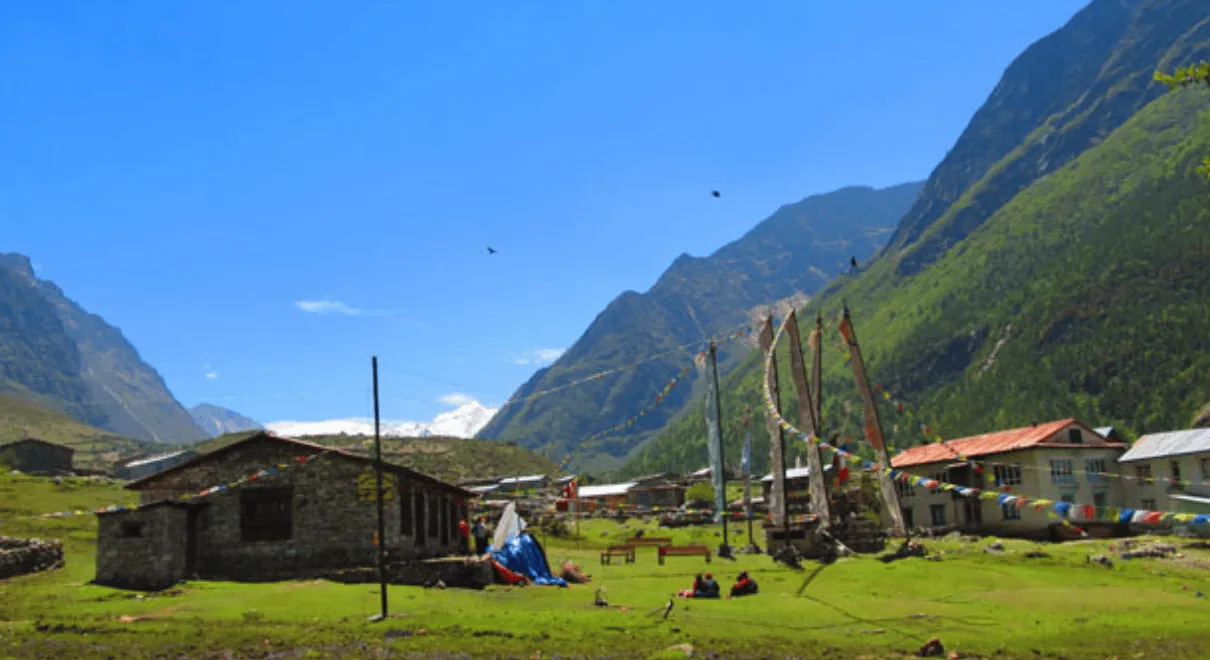
Nepal monsoon trekking allows authentic Sherpa cultural encounters due to the low tourist density that happens to be the case. Feel the flow of traditional mountain life, get familiar with the uses of medicinal plants, and have more than one conversation while strolling through the lush valleys and ancient monastery trails.
The Everest summer trek uniquely redefines mountain adventure by focusing on botanicals instead of summit photography. The EBC botanical trek attracts sophisticated travelers who are after ecological education, wilderness seclusion, and authentic Himalayan experiences different from those offered by conventional tourism.
| 1 | 2 | 3 | 4 | 5 | 6 | 7 | 8 | 9 | 10 | |
| USD 1460 | USD 1105 | USD 1090 | USD 1080 | USD 970 | USD 965 | USD 960 | USD 955 | USD 950 | USD 945 | |
| USD 1790 | USD 1435 | USD 1420 | USD 1320 | USD 1325 | USD 1310 | USD 1305 | USD 1299 | USD 1290 | USD 1285 |
Start From
Get personalised guidance for any Nepal adventure — with expert planning and safety support.
We offer expert advice, flexible options, and tailor-made itineraries.

The trek covered alpine plants, forests, and Himalaya views very beautifully. Educational, scenic, and surprisingly not as many tourists as one would expect.
It was a unique Everest trek that highlighted the flora of the Himalayas. Rhododendron, plants, and mountains made it an awesome trek.
The botanical emphasis made the Everest trail more interesting. Plant information while trekking enriched this traditional journey.
Stunning landscapes, rich alpine vegetation, and expert guidance. This botanical Everest trek felt peaceful, informative, and deeply rewarding.
I thought Everest Base Camp with a botanical focus was excellent. There was a good balance of forested paths, unusual flora, and familiar mountain scenery.
enjoyed learning about Himalayan flora on the Everest trek. A less adrenaline-pumping learning trek, but the mountain sights were simply breathtaking.
It was a very refreshing experience to trek to Everest Base Camp this way. The botanical knowledge, tranquility, and typical mountain scenery were impressive to me.



↑

.png "NTB")
.png "Pata")