Price Table
| 1 | 2 | 3 | 4 | 5 | 6 | |
| USD 885 | USD 635 | USD 630 | USD 560 | USD 555 | USD 550 | |
| USD 1125 | USD 875 | USD 870 | USD 800 | USD 795 | USD 790 |
Country
Nepal
Duration
10 Days
Maximum altitude
4983m/16344ft
Activity
Trekking
Difficulty
Easy/Moderate
Best Season
June - September
Accomodation
Hotel - Mountain Lodge
Meals
Excluded
Start/End Point
Kathmandu

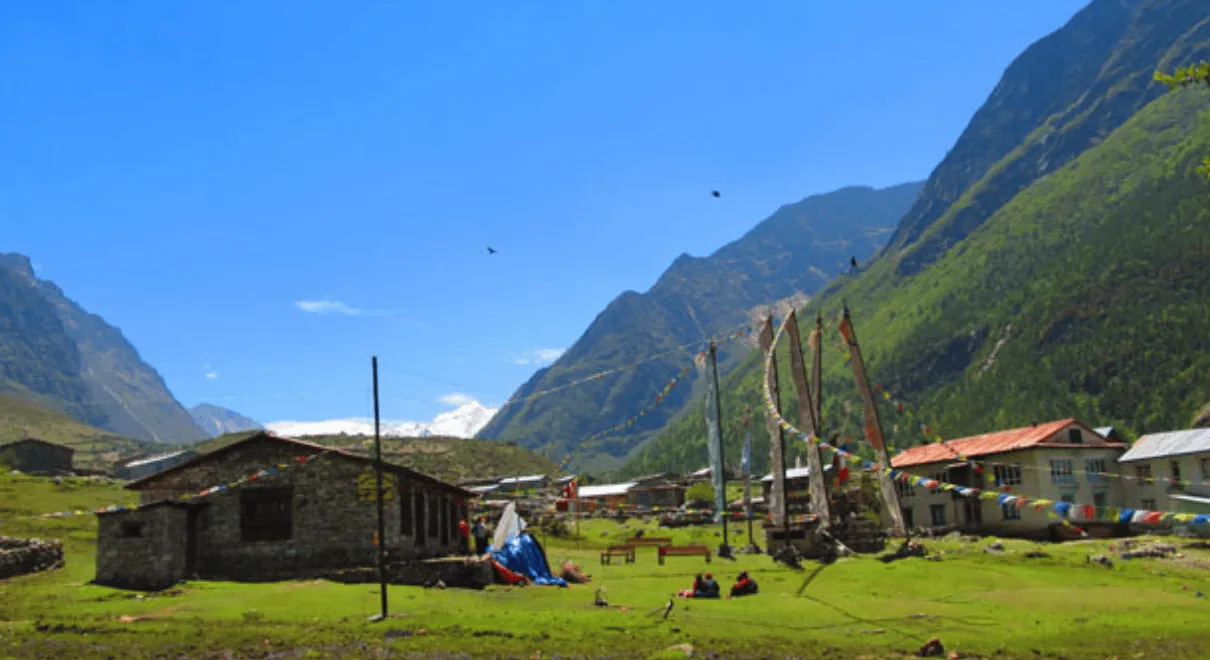
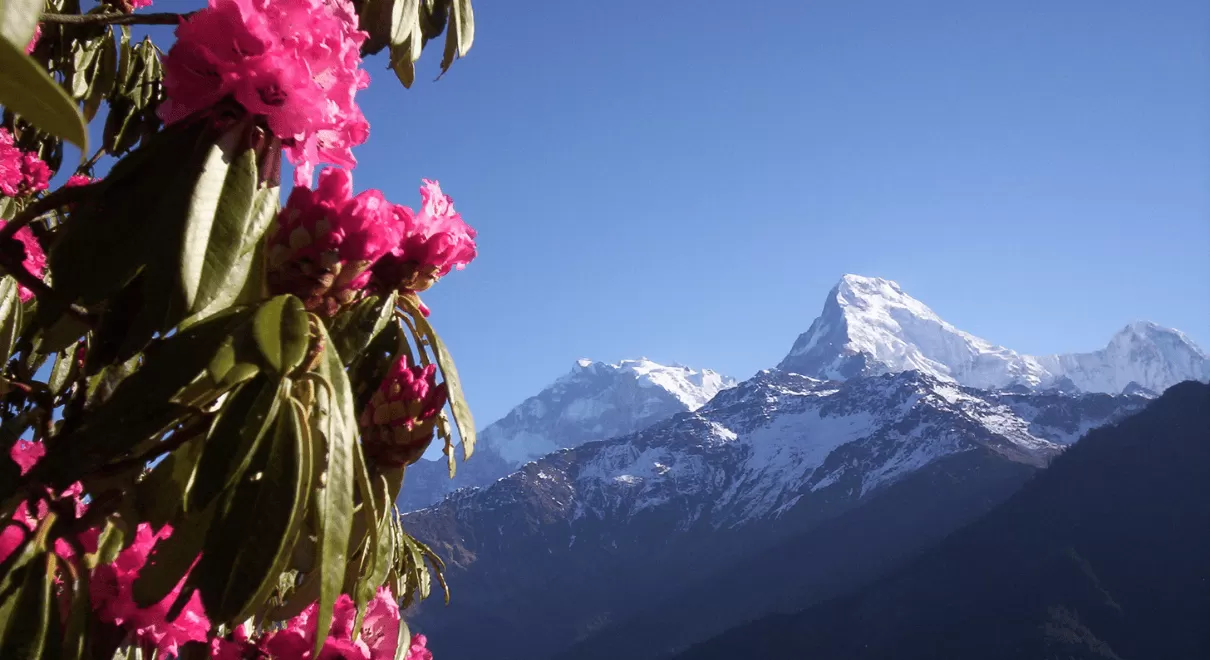
The Langtang Valley Botanical Trek is an extraordinary opportunity to experience the monsoon season in one of Nepal's most diverse regions, where the valley transforms into a botanical paradise with rainbow colors. This trek, which is situated in the Langtang National Park just north of Kathmandu, brings to light the thousands of flowering plant species during the monsoon, even those that only bloom in this very period. Thus, it has become a living natural laboratory that attracts not only scientists and nature photographers but also adventurous tourists from distant lands. The Langtang Botanical Trek, unlike the majority of Himalayan treks, considers the monsoon season as the best time for the valley's gorgeous medicinal orchid, spectacular blue Himalayan poppy, colorful rhododendron forest, and those alpine species that are rare and exclusive to this place and cannot be found on Earth anymore.
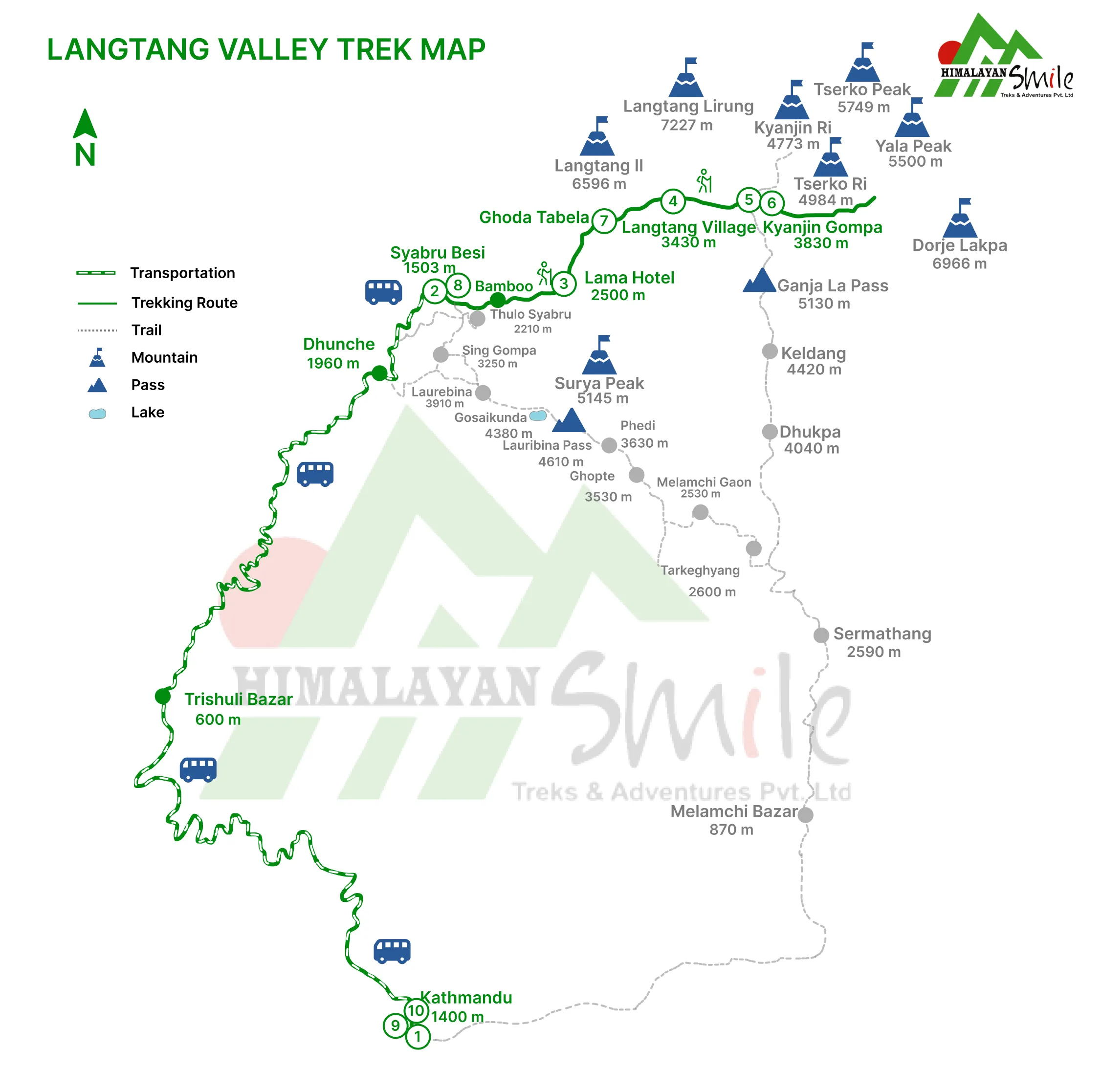
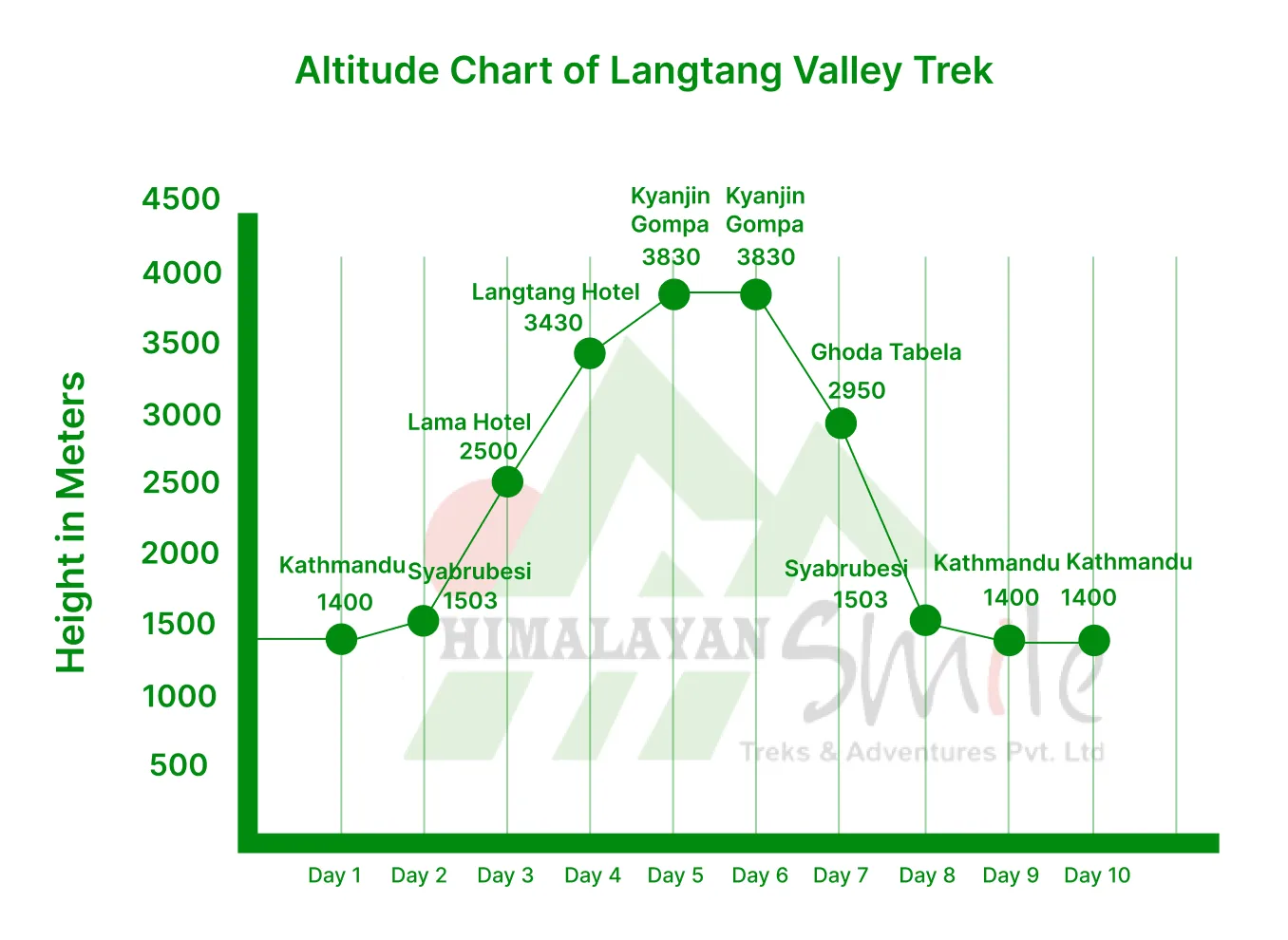
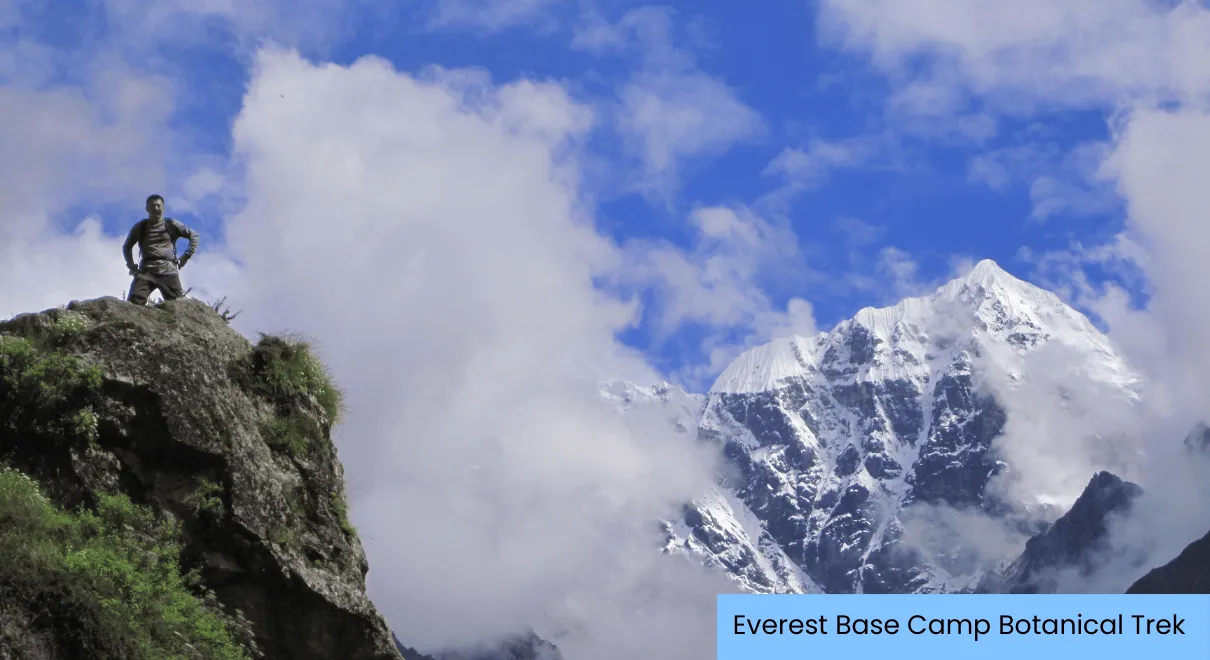
The Langtang Flora Trek is a hike that takes the traveler up to an altitude of 1,460 meters in Syabrubensi and through different ecological zones with different plant communities that change dramatically with height and season. The trekker goes through subtropical forests shrouded in flowering trees and ferns, then to temperate oak and rhododendron forests where the color is intense and the light is soft, and finally to alpine pastures where the trails are dotted with wildflowers that are nothing but the naked nature's stunning displays in front of the snow-capped Himalayan peaks. The seven-to-ten-day trek usually ends with a visit to Kyanjin Gompa at 3,870 meters of altitude, and the daily hike is about four to six hours long, which allows the trekkers enough time for observing the plants, taking pictures, and interacting with the local Tamang and Buddhist communities who have been preserving and teaching plant knowledge and uses for centuries.
The Langtang Monsoon Trek has some unique benefits that make up for the difficulties of trekking during the rainy season, such as the dramatically fewer people on the trails, the lush green landscapes at their highest vitality, the countless waterfalls pouring down with renewed vigor, and the best conditions for animals to be seen that come out to eat the great number of plants. Early morning starts make it possible for trekkers to do most of the hiking before the afternoon rains come, while waterproof clothing and good preparation keep them comfortable and safe during the whole trip. Local guides have the knowledge and skills to identify the plants, and this, together with their experiences, turns the trek into a teaching one. They share the different medicinal plant uses, the ecosystem dynamics, and the conservation problems that are challenging the fragile Himalayan environments.
The value of the botanical trekking to science and conservation goes far beyond the personal benefits of the visitors, since the park entrance fees are used to directly finance the park management, to support the anti-poaching activities that are particularly aimed at the endangered medicinal plants, and to support the research programs that monitor the climate change effects on the alpine flora. Furthermore, the trekkers take part in the citizen science projects by registering the plant occurrences and flowering time patterns, thus producing the data sets that are of great importance for the scientists to know how temperature changes impact the distributions and phenology of the species. Such an adventurous and enlightening trip proves the point that ecotourism can be fun and educational at the same time and can produce very valuable contributions to the environment. Besides, the journey to the lesser-known parts of Nepal, along with the showing of the hidden nature’s beauties during the normal trekking times in the Langtang Valley Botanical Trek, thus makes it an unforgettable experience and beyond the usual mountain tourism.
Langtang Valley is home to more than 1,000 species of flowering plants located in different elevation zones. One of the most beautiful walks in the world and at the same time a walk through the richest botanical diversity of Nepal, taking you through tropical forests, temperate woods, and alpine meadows.
You get to see the remarkable changes in nature during the monsoon season of June to September. The mountains are gushing with different shades as the once sleeping seeds are coming to life, the waterfalls are roaring and the valley is turning into a colorful living garden that is quite difficult to beat at any other time of the year.
July is the time to observe the legendary blue Himalayan poppy flowering at an elevation of 3,200 to 4,000 meters. Electric blue flowers form stunning sights that people from all over the world come to visit for taking pictures and botanists to study in their original mountain habitat.
Local guides will help you learn the ancient Tibetan medicine practices and will also tell you the names of the rare medicinal plants that grow on your way. Besides these, you will also see the most endangered orchids in the world, the healing rhododendrons, and plants that have been used for ages in genuine Himalayan medical practices.
Select the monsoon season to escape from the usual trekking masses. You will have the opportunity to enjoy quiet paths, real cultural communications with the local Tamang communities, and unique nature experiences that are not possible during the tourist peak seasons when the valleys are full of visitors.
Take part in citizen science by recording plant sightings and blooming cycles. Your observations will not only help researchers but at the same time you will be enjoying a nice adventure where recreation and environmental sustainability go hand in hand.
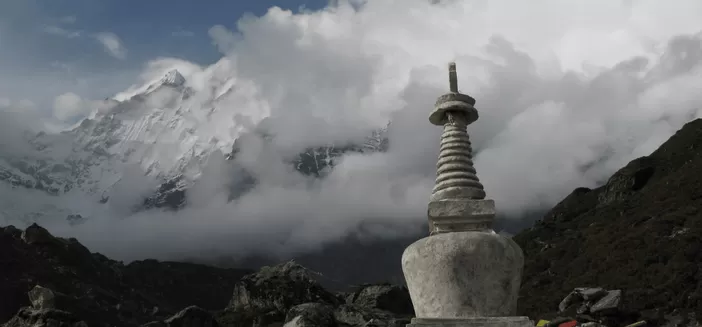
Immerse yourself in the genuine Tamang and Tibetan Buddhist culture and at the same time gain knowledge of traditional ethnobotany. Explore old monasteries, live in village homestays, and witness the way communities live together with the amazing plant diversity around them sustainably.
This trek of 7 to 10 days is suitable for people with moderate fitness levels, and it goes up to 3,870 meters through a slow rise of the altitude. The comfortable teahouse accommodations, the good quality of the trails, and the botanical guides with lots of experience, all come to play in making sure that safe and enriching experiences are offered to nature enthusiasts.
| 1 | 2 | 3 | 4 | 5 | 6 | |
| USD 885 | USD 635 | USD 630 | USD 560 | USD 555 | USD 550 | |
| USD 1125 | USD 875 | USD 870 | USD 800 | USD 795 | USD 790 |
Start From
Get personalised guidance for any Nepal adventure — with expert planning and safety support.
We offer expert advice, flexible options, and tailor-made itineraries.

The Langtang Valley Botanical trek was truly beautiful and serene. Nature in the form of forests, flowers, and mountains was just breathtaking. The guide was knowledgeable about the local flora and culture. This trek is ideal for nature lovers.
I was impressed by the botanical variety of the Langtang Valley. Rhododendron forests, high-altitude flowers, and snow-capped peaks offered dramatic scenery. The trek was well-organized and full of information. In this trip, nature and culture came together perfectly.
The botanical trek went beyond my expectations. There were forests and rivers and rural settlements. It is always exciting to learn about plants as one goes trekking. Langtang Valley is the best destination for nature lovers and those seeking gentle adventures.
The Langtang Valley Botanical Trek is easy and informative. We experienced quite peaceful and beautiful surroundings and got ample education on plants and flowers, specifically during spring. The friendly locals and expert guides added value to this trip. Definitely recommended for nature lovers
A perfect blend of nature, culture, and mountain scenery. Treks through flowering forests and learning about medical plants were an adventure. A very peaceful area. A great alternative for those who do not like crowds.
The botanical hike in the Langtang valley was relaxing and uplifting. We enjoyed seeing alpine flowers, waterfalls, and mountain peaks all around us. The guide's information about regional plants was extremely valuable. Tremendously refreshing experience on a Himalayan hike.
Langtang Valley was an impressively biodiverse and beautiful place. It was not a tough trail, which made it excellent for nature slow-walkers. Very good for nature photographers, botany, and nature-loving trekkers.
This was a great botanical walk around Langtang Valley. The forests were colorful, and the mountain scenery was spectacular. I liked getting information on botany and culture as I walked along.
Peaceful and full of nature’s beauty. Every day in Langtang is special because of its plants, flowers, and wild creatures. Interesting botanical information shared by the guide. Ideal trek for those seeking a peaceful Himalayan nature experience.
The Langtang Botanical Trek was just what I wanted: quiet trails, lush forests, and spectacular mountain vistas. The area has a sense of authenticity and hospitality. It’s the perfect trek if you like being in nature or as a refuge from overly crowded trails.
As a nature lover, I was greatly impressed by the botanical theme of this trekking adventure. The Langtang Valley is known for its diverse vegetation and scenic beauty. This trek was both interesting and enriching in terms of culture as well as nature. One of the best-kept secrets of a trip to Nepal
This botanical trek was a refreshing experience. It took us through a dense area of forests with wildflowers and wildlife. I think this was one of my favorite treks ever.
Galway Review: It is the best combination of both trekking and learning. Nature and the surroundings of Langtang are simply great. It is also very peaceful to stay in such an area. Recommendation is highly required for those interested in nature.
Langtang Valley Botanical Trek: The trek provided stunning views and a peaceful ambience. The forests, flowers, and mountains were spectacular. The information provided by the guide added to the experience. Very interesting and rewarding trek experience.
loved the botanical diversity of the Langtang Valley. Trekking through varied forests with a constant view of the surrounding peaks was exhilarating. This trek is highly reliable, informative, and great for nature, botany, and peace-loving trekkers. If you wish, I can also



↑

.png "NTB")
.png "Pata")