Country
Nepal
Duration
14 Days
Maximum altitude
Moderate / Difficult
Activity
Trekking
Difficulty
Moderate / Difficult
Best Season
September, October, November, December, February, March, April
Accomodation
Included
Meals
Included
Start/End Point
Jumla

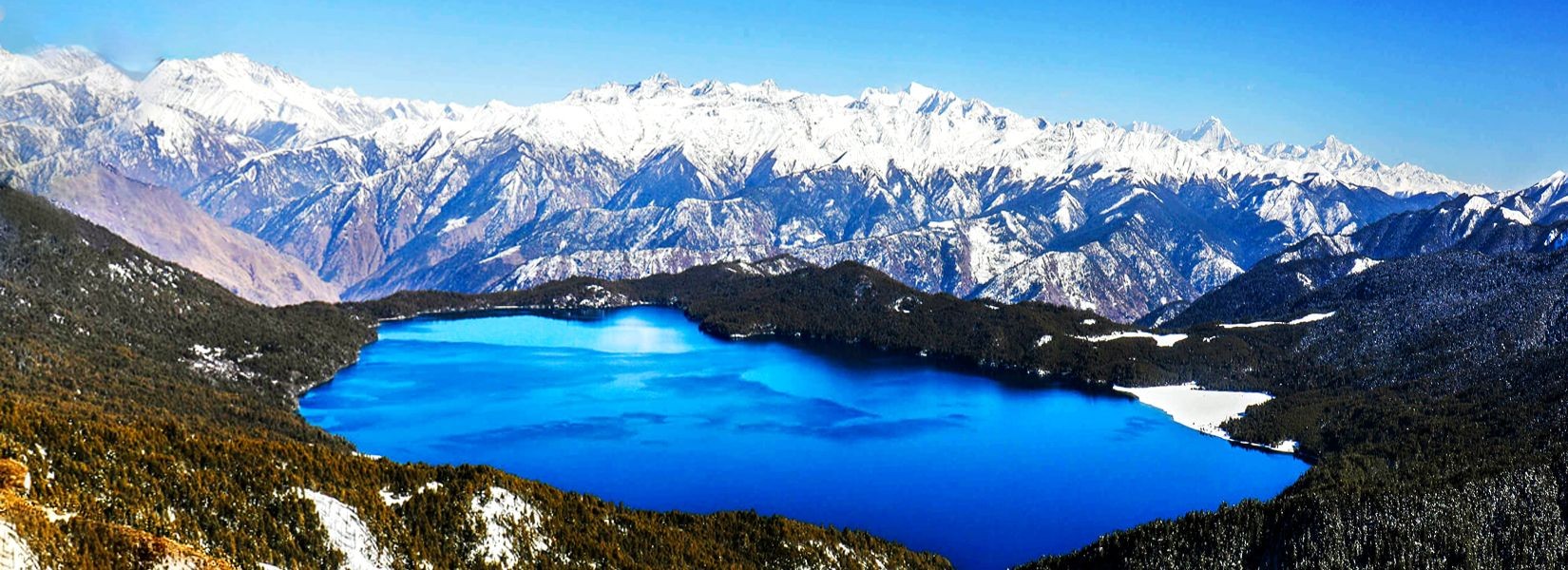
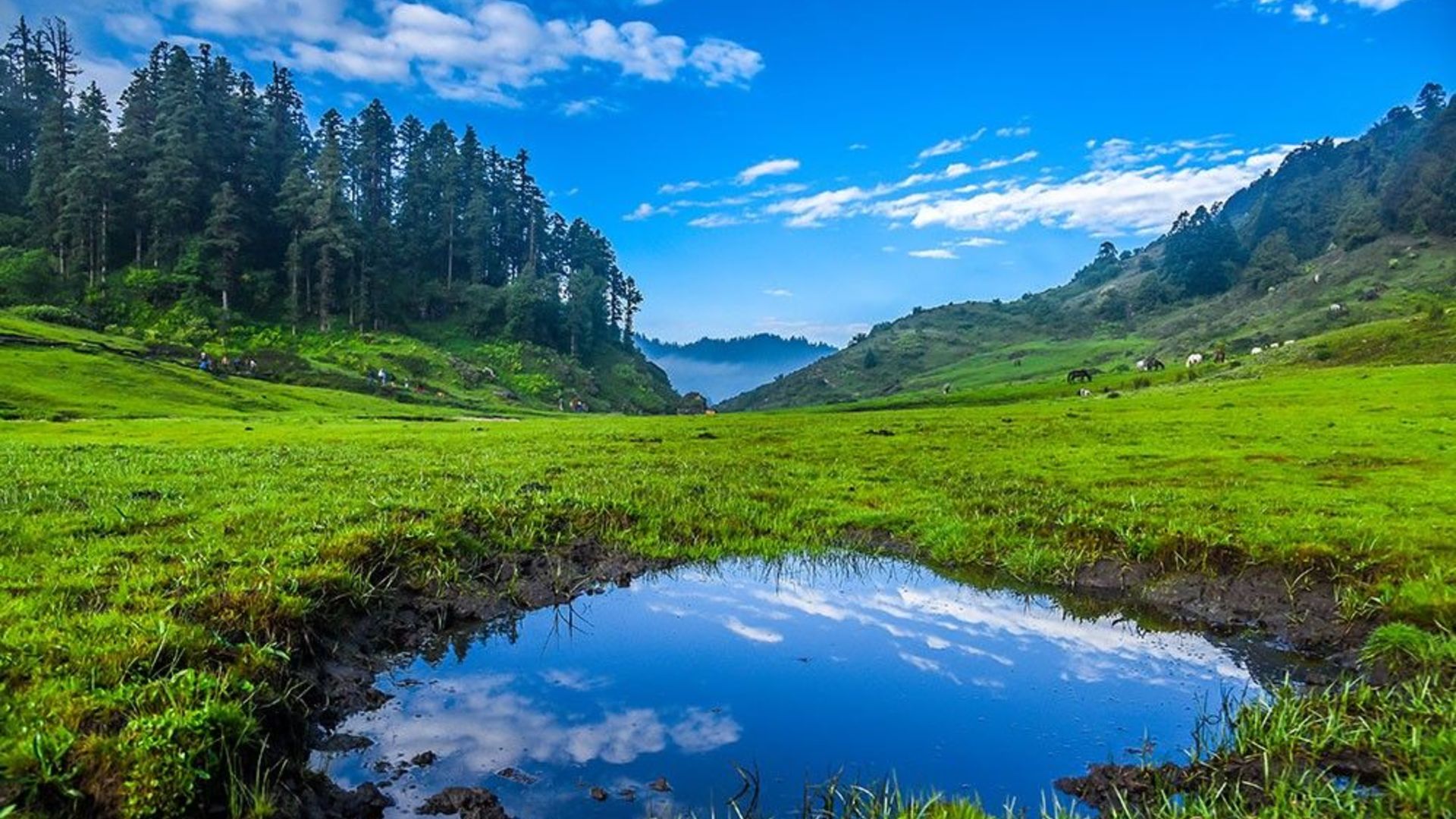
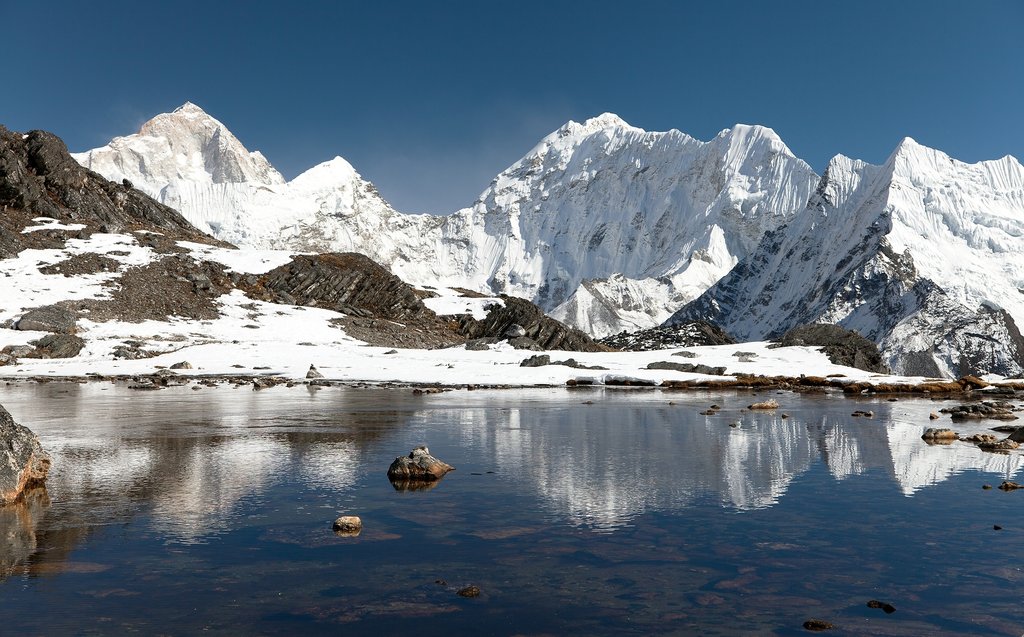
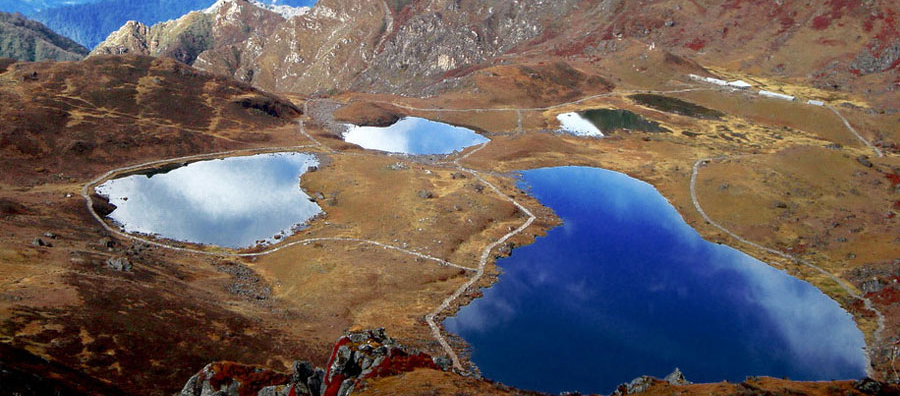
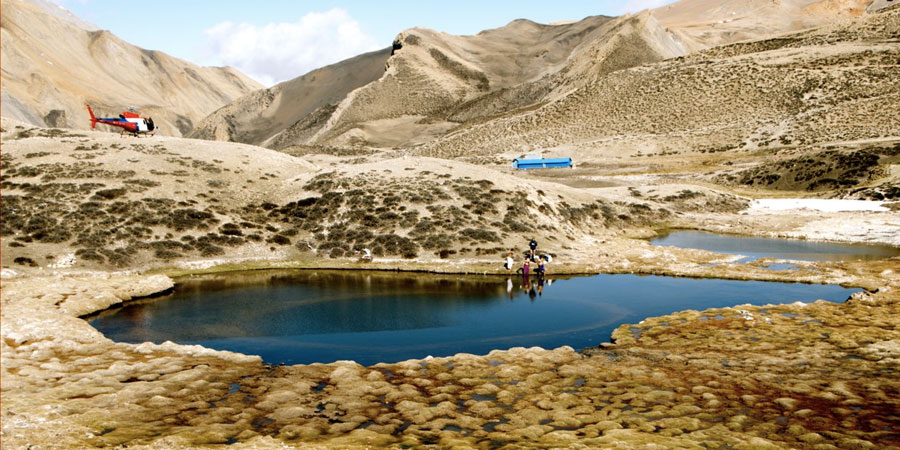
Rara Lake trekking is still a relatively unexplored trail in Nepal. Rara is Nepal’s largest lake and lies at an altitude of 3050 meters within the boundary of Rara National Park. The surface of this lake is around 8 square kilometers, and the perimeter is 9 kilometers. The length of the lake is 5 kilometers, the width is 2 kilometers, and the depth is 167 meters. The lake Rara looks like a blue nymph, indulged in romance with mountains. Every afternoon, the outstanding snow-capped panorama of Dolpo and Tibetan mountains overshadows the scene across the deep, clear waters of the lake. Trekking to this stunning lake gives a taste of natural wilderness and silence. Our trek starts from Jumla, the largest upland hill town in western Nepal. Climbing gradually through forests of mixed oak, conifer, pine, broad-leafed chestnut, white birch, and rhododendron, we cross the lush alpine meadows with herds of sheep and goat herders. After exploring this lake, we hike through grassy alpine pastures and some villages. Then we descend to Jumla. From Jumla, we take a flight to Kathmandu via Nepalgunj.
Rara Lake Trekking has one of Nepal’s more satisfying yet least-known adventures, taking travelers into the remote far western Himalayas so you can see the country’s largest and deepest freshwater lake. It’s set inside Rara National Park, at about 2,990 meters up, and Rara Lake spreads across a glacial basin, with crystal-clear turquoise water that mirrors the nearby snow-capped peaks and the dense coniferous forest.
Compared to the much-talked-about Everest or Annapurna trails, this route stays surprisingly unbothered by mass tourism, so you get that real wilderness feeling, and a bit of solitude too. The path slips past far-off villages, terraced fields, and thick woods of pine, fir, spruce, and juniper. Here you can meet a wide mix of Himalayan plant life and wildlife, including musk deer, Himalayan black bear, and lots of bird species.
And beyond just landscapes, the area gives solid cultural meetings with local people, whose day-to-day traditions are still mostly the same. On the way, trekkers walk through welcoming settlements, where hospitality and simplicity sort of run the rhythm of daily life. That makes it easier to understand far western Nepali culture in a more grounded way.
Most times it gets paired with a scenic flight to Jumla or Talcha, and the whole plan asks for moderate fitness, plus several days of walking. If you want the best timing, spring and autumn work nicely. Rara Lake Trekking is for anyone after quiet moments, untouched scenery, and an authentic Himalayan experience far from the busy trail crowd.
Take a look at Rara Lake, Nepal ’s largest and deepest freshwater lake, kind of nestled in those remote far western Himalayas, far away from everything else.
Try trekking across remote, untouched wilderness where the trails are not crowded and you get this quiet solitude that feels real . like a proper break from the usual.
Then head toward Sinja Valley, the historic origin of the Nepali language and also the old Khas kingdom, which people talk about like it’s still there in the background.
You can also stroll through thick forests of pine, fir and juniper where there is rich Himalayan flora and fauna around you, sometimes you just hear wind and nothing else.
And in the end, immerse yourself in authentic far western Nepali culture , through traditional villages and warm hospitality, plus a simple mountain lifestyle that feels unforced and calm.
Start From
Get personalised guidance for any Nepal adventure — with expert planning and safety support.
We offer expert advice, flexible options, and tailor-made itineraries.

The Rara Lake Trekking experience was an unforgettable journey through the remote landscapes of western Nepal. Rara Lake was breathtaking, with crystal-clear water surrounded by beautiful forests and mountains. Our guide was knowledgeable and supportive, making the adventure comfortable and memorable.
Himalayan Smile Treks organized an excellent Rara Lake Trekking adventure. The peaceful trails, traditional villages, and spectacular scenery made the journey truly special. I especially enjoyed the quiet atmosphere around Rara Lake and the opportunity to explore a less-visited region of Nepal.
The Rara Lake Trek exceeded my expectations. The lake itself was incredibly beautiful, and the surrounding forests created a peaceful wilderness atmosphere. Himalayan Smile Treks handled the organization professionally, while our guide provided excellent support and interesting information about the local communities.
This trek was a fantastic off-the-beaten-path adventure. The journey to Rara Lake offered beautiful mountain scenery, quiet forest trails, and authentic rural experiences. The spectacular views of the lake were the highlight of the trip. Our guide was experienced and attentive throughout the trek.
The Rara Lake Trekking with Himalayan Smile Treks perfectly combined nature, culture, and adventure. Walking through remote villages and peaceful forests before reaching the stunning lake was incredibly rewarding. The beautiful scenery, tranquil environment, and professional guide support made this a memorable Nepal experience.

$
$
$
$
$
$
$
$
$
.jpg1459434035jpg "Great Himalayan Trail")
$
$
$
$1350
$
$
$
$
$
$1870
$2300
$
$
$
$

↑
.png "NTB")
.png "Pata")