US$ 1595Get OfferEnquire

Upper Mustang Overland Adventure

Country
Nepal

Duration
14 Days

Maximum altitude
4,660 m

Activity
Adventure Jeep Safari

Difficulty

Best Season
October - May

Accomodation
Mountain Lodge

Meals
Excluded

Start/End Point
Kathmandu

Tour Overview

Tour Overview

The Upper Mustang overland adventure is a call for those seeking more than just the usual mountain trips to visit extraordinary places. Just picture yourself driving through lands where the rust-red cliffs are higher than the ancient trading paths, where the white villages are perched on the hills and have remained unchanged for hundreds of years, and where the old Tibetan culture is still alive in the most inaccessible parts of Nepal. This is not merely a trek in the Himalayas—it is a trip to a sort of living museum where medieval customs are still very much alive amidst striking high-altitude desert scenery.

An Upper Mustang tour package is an option that takes you to one of the most historically important places in Asia. The area that opened its doors to foreigners in 1992 has managed to keep its Tibetan Buddhist culture intact through the years of non-contact with the world. Nowadays, Upper Mustang jeep safaris or traditional trekking bring you into the heart of the "Forbidden Kingdom of Nepal," a land where prayer wheels turn with the wind, monasteries protect their treasures consisting of ancient murals, and the walled city of Lo Manthang still has its original features after six hundred years. Unlike the lush green, terraced hills that are characteristic of Nepal, the rain-shadow location of Upper Mustang has produced a spectacular desert-like environment at 3,800 meters that is beautifully marked by the high Himalayas with their snow-capped peaks in the background.

The modern Upper Mustang 4WD tour is beautiful mainly due to its accessibility. This fabulous point of view is now open to families, elderly hikers, and even the hard-pressed-for-time ones without the strain of long hiking days. However, the Upper Mustang trek still attracts the same number of people who want to plunge deep into the experience, since it gives a chance to visit the hidden cave complexes, talk a lot to the Loba people, and take pictures of the scenery at the most suitable morning light. Either of the two ways can change lives—by seeing monks doing ancient rituals, tasting butter tea in the locals’ homes, and gazing at very rare century-old Buddhist paintings.

When arranging your Upper Mustang, Nepal, adventure, it is important to know about permits, times to visit, and logistics, but the good things that come from visiting make it worth all the trouble. Most probably, your Upper Mustang trip would be the breathtaking Lo Manthang tour, walking through the villages of Kagbeni, Ghami, and Tsarang, and maybe even catching the splendid Tiji Festival. No matter if your 4WD car is raising the dust or you are walking on old paths with your boots, the Upper Mustang overland experience will always be the closest and most unforgettable meeting with Himalayan culture.


Tour Highlights

Tour Highlights

The visit to the ancient capital of Upper Mustang is a must, with its royal palace, the monastic complexes of Thubchen and Jampa housing murals of the same age and traditional Tibetan architecture, all that is enclosed within towering medieval walls which can tell six centuries of history.

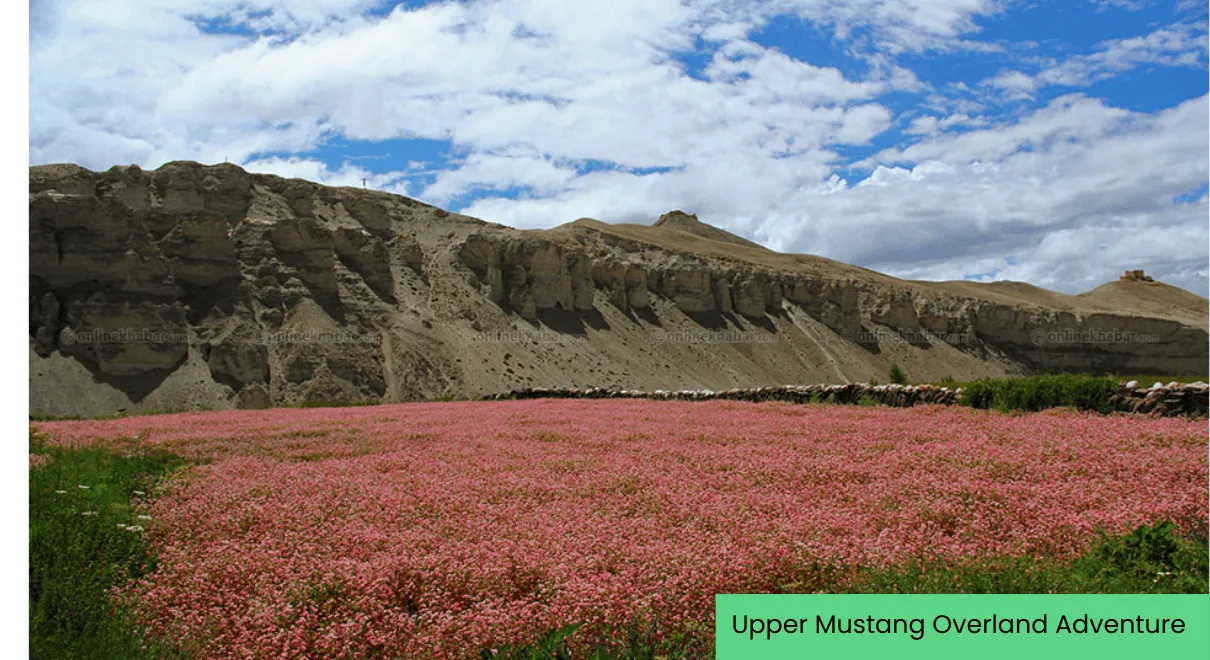
Get to witness the whole range of amazing high-altitude desert experience with vividly colored cliffs in the shades of ochre, red, and grey. The whole thing is made even more dramatic by the unique geography of the rain-shadow which is so different from the lush and serene Himalayan landscape.

Take a stroll through the myriad of man-made caves at Chhoser and other places that are not only hard to reach views but also reveal the past in fascinating ways and even give the modern world some more comfortable points in terms of cave engineering.

Living Tibetan customs linked to monasteries, such as ritual prayer, spinning prayer wheels, and colorful festivals, as well as interacting with Loba tribes who practice their ancient customs in this remote area, are all points of contact for immersing yourself in the present-day Tibetan society.

The journey goes through the world's deepest gorge between the Annapurna and Dhaulagiri mountains where the dramatic and colorful geological formations, ancient fossils, and sacred black shaligram stones equal in importance and reverence to Hindu and Buddhist are seen.

Places with traditional lifestyles like Kagbeni, Ghami, Tsarang, and Dhakmar are the sites where you can share butter tea with the village people, watch their farming, visit village monasteries, and get their warm hospitality in communities that have kept their old ways for centuries.

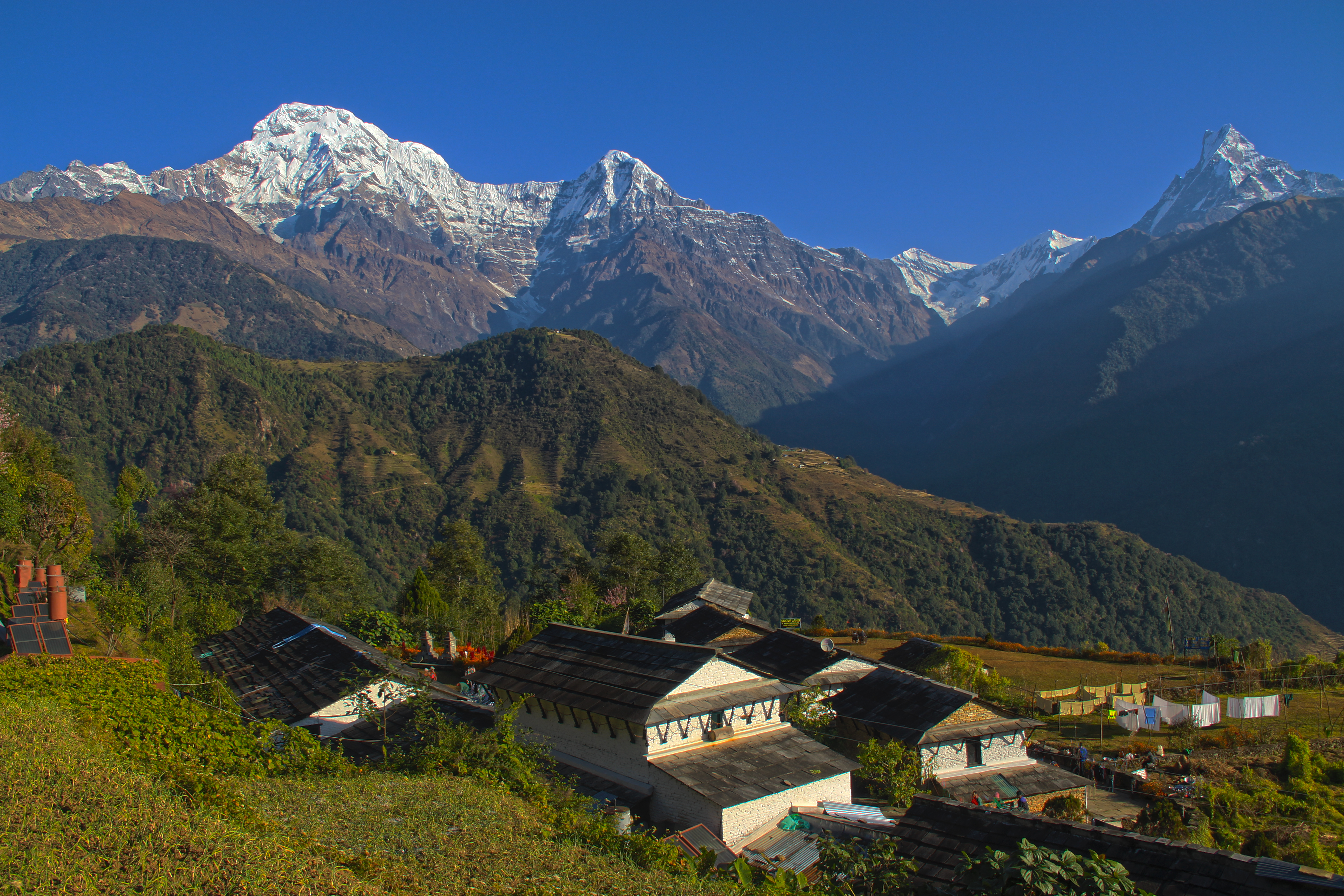
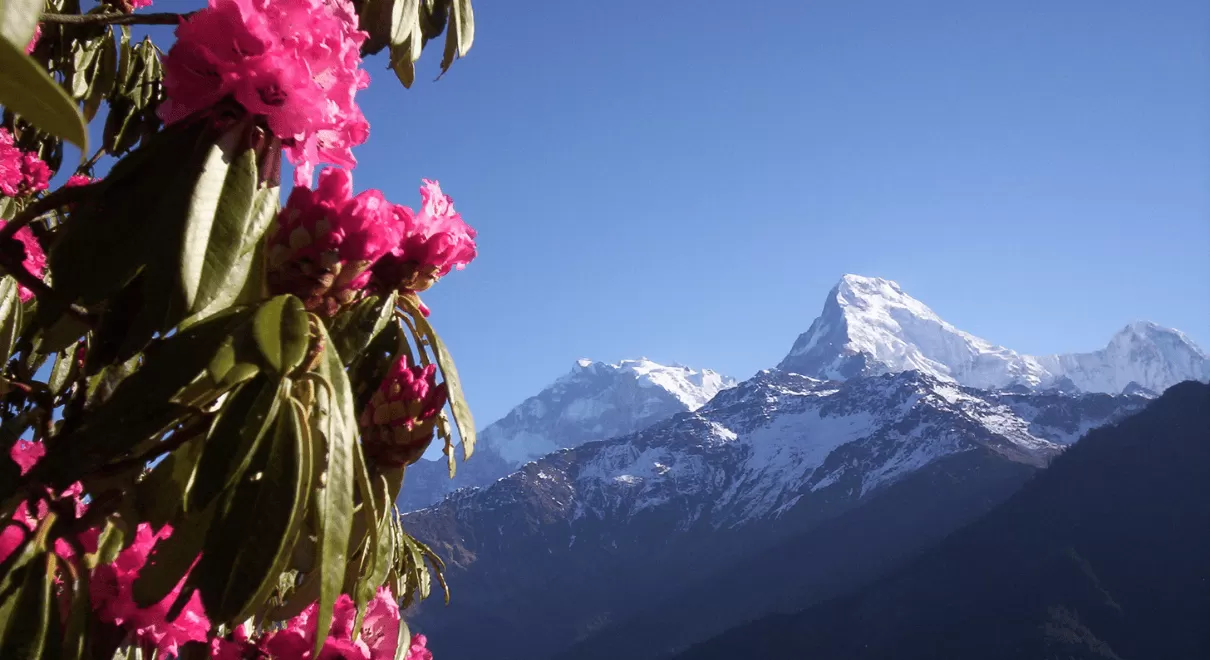
Get the most stunningly view of the whole valley that is surrounded with the peaks of Himalayas Namely Annapurna, Dhaulagiri and Nilgiri. Get to know the Himalayas intimately from the Tibetan plateau side which gives different kinds of views compared to the normal Nepal treks.

Be a part of the extraordinary three-day Tiji Festival in Lo Manthang that contains intricate and dramatic masked dances, vibrant costumes, ritual practices, and the continuance of ancient customs. As part of the yearly event, monks showcase their sacred dances representing the victory of good over evil.

Outline Itinerary

Outline Itinerary

Package Price

Package Price

Price Table

Travelers 1 2 3 4
Standard - USD 1925 - USD 1595

  • Airport to hotel pick-up and drop-off by private vehicle
  • Three-night hotel in Kathmandu at a three-star categories hotel on a BB plan
  • Two nights' hotel in Pokhara at a three-star category hotel in a BB plan.
  • One highly experienced mountain Guide and helper
  • ​Accommodation in a mountain lodge run by local people during the trek 
  • Three meals while you're on tour (breakfast, lunch, and dinner)
  • Accommodation, food, drinks, salary, insurance, and transportation of both trek guide and porter 
  • Down jacket, four-season sleeping bag, duffel bag, and trekking map (down jacket and sleeping bag are to be returned after trip completion)
  • Kathmandu/Pokhara/Upper Mustang transportation by 4WD Jeep.
  • Pokhara/Kathmandu Airfare
  • Upper Mustang restricted area special permit.
  • Kathmandu Valley sightseeing
  • Pokhara valley sightseeing
  • Group medical supplies (first aid kit) 
  • All necessary paperwork and the Annapurna conservation area entry permit
  • All additional government tax 
  • All ground transportation by private vehicle.

  • Other ground transportation  
  • Nepal entry visa fee (USD 30 for 15 days/USD 50 for 30 days from date of issue) (You may easily get a Nepal visa upon your arrival at Tribhuvan International Airport, Kathmandu.)
  • Kathmandu and Pokhara valley sightseeing entrance fees
  • International airfare
  • Personal Tour Gear
  • Travelers insurance 
  • Cold drinks (alcohol and cold drinks) 
  • Boiled water, Hot shower, Mineral water, battery charge, and hot drinks (in pot)
  • Lunch and dinner in Kathmandu and Pokhara (Approx. 10-12 USD) 
  • Bar bills, telephone bills, and other personal expenses (shopping/laundry) 
  • Tips to guide and porter 
  • All expenses due to unavoidable events, e.g., personal illness, strike, etc.
  • Helicopter evacuation charge in case of emergency whilst trekking
  • We don't include drinking water on the trek, which you can buy at several places for between $1 and $3 a bottle (it gets more expensive towards the end). A better solution is to buy water tablets in Kathmandu for around $2 and treat the water (your guide can help you find the good places to fill your water bottle).
  • The other things not included on the trek are things like charging batteries and hot showers. Hot showers are also available in a few places for around $4 and cost about $1.50 an hour.
  • Unforeseen costs due to flight cancellation, weather conditions, etc. You are responsible for extra hotel nights ($30/night) and meals in Kathmandu for any extra days in Nepal due to flight delays.
  •  

Detailed Itinerary

Detailed Itinerary

Tour FAQs

FAQs
The Upper Mustang jeep safari is an adventure based on road exploring Nepal's remote Forbidden Kingdom by car instead of trekking on foot. The overland trip to the Geet Nepal scenery and culture takes you through vast high-altitude desert terrains, ancient Tibetan villages, cave monasteries, and the medieval town of Lo Manthang using rough and sturdy four-wheel-drive vehicles. The jeep safari covers the same cultural and geographical highlights of traditional trekking but offers better comfort, faster travel, accessibility for all fitness levels, and all-year-round feasibility. It usually takes 10 to 14 days compared to trekking's 12 to 18 days, and thus it becomes more suitable for families, older travelers, photographers with gear, and time-limited adventurous people interested in authentic cultural immersion.
Trekking and Jeep safaris offer surprisingly different to each other in Upper Mustang, even if they have the same destinations. Jeep safari needs just a little bit of physical fitness, which is why it is good for families with kids, older people, and those with less mobility. The travel time is cut down to a great extent—3-4 hours driving compared to 6-8 hours walking every day. You do not feel the physical burden at all while carrying your camera gear, luggage, and supplies. Wind and dust protection gives a great deal of comfort. On the other hand, trekking gives one an opportunity to be in the landscape more deeply and also get the acclimatization benefits of gradual ascent, plus the flexibility to explore off-the-beaten-path areas, the intimate connection with the terrain, and the real adventure experience. Trails that are used by trekkers are usually more secluded and less traveled, so they encounter less road dust and car noise than jeep travelers do.
The road from Jomsom to Lo Manthang is totally unpaved, rough, and difficult even for the Himalayas. It includes bumpy dirt tracks, rocks along the way, river crossings, narrow passages on the edge of cliffs, and steep switchbacks that demand experienced drivers and strong 4WD vehicles. The 110 kilometers long trip possibly takes from 8 up to 12 hours in total but it is spread over a few days because of the difficult terrain and many stops. At times of the year, the road conditions change—during monsoon, the lower parts could get landslides, winter can temporarily close higher passes with snow, and strong winds in the area can result in dust clouds that would be a hindrance to see the road. However, the road, despite being extremely difficult to traverse, is open for experienced drivers with the right type of vehicle all year round. The rough journey itself is a part of the authentic Upper Mustang overland adventure experience.
Upper Mustang jeep safaris generally rely on very powerful four-wheel-drive cars that are specially made for the toughest Himalayan terrain. The most frequently used are Toyota Land Cruisers, Mahindra Boleros, Scorpios, and other similar tough SUVs, which have high ground clearance, strong engines, and the ability to perform in very bad conditions. These cars can carry 4-6 passengers and a driver in total, very comfortably, along with their luggage. The vehicles are also equipped with tough suspension systems that can manage bumpy roads, safe braking for steep downhill rides, and the power for high-altitude mountain passes, where the lack of oxygen makes the engine less powerful. Also, the drivers are professionally trained and have been practicing on the Upper Mustang's difficult routes. Private tours use dedicated vehicles that are only for your group; group tours might share vehicles with other travelers in order to cut the cost per person.
To get the best out of your Upper Mustang 4WD tour, it is advisable to book your ticket 2-3 months ahead for peak seasons (March-May, September-November) when the demand is at its highest and accommodation gets filled up very quickly, especially around the Tiji Festival dates. Off-season travels (June-August monsoon, December-February winter) permit booking 3-4 weeks ahead with good availability and often lower rates. Early booking guarantees the time needed for permit processing (2-3 business days required), preferred travel dates, vehicle selection, accommodation reservations in Lo Manthang, where options are very limited, and experienced guide assignment. Last-minute bookings (1-2 weeks before) are sometimes possible during off-peak periods, but they come with the risk of permit processing delays, limited guide/vehicle availability, and premium pricing. Flexible travelers can find deals, but planners benefit from early reservations, guaranteeing smooth arrangements.
The best duration for the Upper Mustang jeep safari is 10-14 days, which includes the Kathmandu arrival and departure, the stops in Pokhara, and the time spent exploring the restricted area itself. An itinerary of 7-8 days that is rushed skips the important acclimatization process, limits the exploration of Lo Manthang, and feels hurried all the time. The standard 10-day packages deal with time-efficient visiting of the major highlights such as Kagbeni, Ghiling, Tsarang, Lo Manthang, Chhoser caves, and Muktinath temple, along with a comprehensive experience. The extended 12-14 day itineraries make it possible to have a leisurely exploration, additional side trips to Kora La pass, Yara village, extra days in Lo Manthang, better photography chances, and cultural immersion without the feeling of rushing. When selecting the duration, think about your available time, budget, and travel style.
Sure! Almost all the trustworthy tour operators are going to be offering 4WD expeditions to Upper Mustang that are completely customizable to fit your specific interests, schedule, budget, and preferences. The list of common customizations is really long, but it basically includes, among others, the following: staying longer in Lo Manthang for deeper cultural immersion, visiting Kora La pass or Yara village on the way, touring around Tiji Festival dates, making Muktinath temple visits, combining with Annapurna Base Camp or other Nepal destinations, upgrading accommodation standards where available, pacing along for photography enthusiasts, and adjusting group size for private family experiences. Customization tips should be discussed with operators during the first planning stage. Private tours give the most flexibility; group tours follow the set plans with very few changes. Customization usually comes with extra costs but results in personal experiences that go along with your vision.
Upper Mustang jeep safari expenses have very much exceeded the usual Nepalese treks, mainly due to several compulsory costs that are only applicable to this prohibited area. For instance, one of these costs is the Upper Mustang Restricted Area Permit, which is charged at USD 500 per person (USD 50 daily for a minimum of 10 days), which is paid to the local government and not refunded. Therefore, whether traveling by road or air, this permit fee will be the same. Besides, renting a vehicle with a driver, fuel, and maintenance costs for 7 to 10 days is quite costly compared to porter fees in regular treks. Being remote, Upper Mustang absorbs the costs of the long-distance transportation of all its supplies through inflated prices of accommodation and food, which are higher than those in areas that are easily accessible. Moreover, the limited competition caused by the restricted access prevents price competition, which is why costs are reduced in other places. In addition, there are expert guides who charge high rates because of the specialized knowledge that is required. All these combine to create a very high price that denotes true operational costs.
Jeep safari in Upper Mustang is not as physically challenging as trekking; thus, it is suitable for almost all travelers, no matter what their physical conditions are. Daily walks of 1-2 hours on easy to moderately difficult terrain are the activities for which a person should be prepared. Walking in the villages, going up the stairs of the monasteries, touring the cave complexes, and taking short nature walks are some of the activities included in the daily walks. The biggest hurdle is indeed altitude (2,800-4,600 meters) and not the physical exertion—people doing daily life activities can easily cope with the walking. On the other hand, basic cardiovascular fitness is a must for the altitude. The jeep safari ride would not be so enjoyable unless the travelers have necks and backs that can tolerate the vibrations for a long time, as the roads are very rough and bumpy. Travelers with great mobility impairments, recent surgeries, heart conditions, or very serious health issues must check with their doctors before committing.
Sure thing! Jeep safari to Upper Mustang is one of the excellent family adventures that are open to children who wouldn't be able to manage the a little bit demanding multi-day trekking. Normally, children would do better than adults with altitude if one keeps the necessary precautions. The trip is a fairytale-like experience for the kids in terms of education—medieval cities, ancient cultures, dramatic landscapes, monastery visits, and cultural interactions to last at least until the next holiday. From a practical point of view, these are the things one has to take the following into account: Firstly, the kids should be 8+ years old and able to handle the adventure travel realities; secondly, families should book private tours allowing flexible schedules for children's needs; thirdly, bring entertainment for long driving days (books, games, and tablets with downloaded content); also, pack familiar snacks children like since local food options are limited; ensure children stay hydrated continuously; then, watch for altitude sickness symptoms very carefully; and finally, prepare children for basic accommodation and toilet facilities.
Definitely! The jeep safari has opened up the Upper Mustang to an elderly population that could not endure trekking for multiple days at high altitudes. The elderly people in their 60s and even 70s can walk all the way to the end of the safari, enjoying the cultural experiences without the hassle of trekking. However, a good physical condition is still needed, as well as a good cardiovascular one. Also, getting in and out of the car that many times and dealing with the bad roads requires being physically and mentally strong. Medical checkups are a must for seniors traveling to these places. They should also take up slow-paced tours with an extra rest day and drink a lot of water to avoid dehydration, and the use of altitude meds might be a good idea too. Besides the standard itineraries, tour operators can customize them according to the specific needs of the customers. Many elderly tourists consider the jeep safari as one of the amazing highlights of their lives.
Upper Mustang lodging mainly includes very simple guesthouses and basic lodges run by local families in every village, providing genuine but rough experiences. The rooms have twin beds with very thin mattresses, very basic pillows, minimal furniture, and very simple decoration. Most of the properties provide shared bathroom facilities with either squat or Western toilets and very limited running water. Hot showers are available through solar heating (weather-dependent) or gas heaters at extra charges (NPR 200-400). Power is produced from solar panels or generators, providing limited power for a few hours in the evening for charging devices. Lo Manthang presents a little bit better lodges, slightly improved with better facilities, but they are still very basic by international standards. Luxury hotels are nowhere to be found in Upper Mustang. Do not forget to take sleeping bag liners for extra warmth and hygiene comfort during your trip.
Upper Mustang presents various toilet facilities that are mainly determined by the lodges and villages where you go during your jeep safari. However, many guesthouses have installed Western-style sit-down toilets in shared bathrooms, acknowledging the tourists' preferences, and the squat toilets have been left remaining very common, especially in older locations and very remote villages. Toilet paper is not always available, so it is good to always have your own, plus hand sanitizer and wet wipes for cleanliness. Flush systems used here are very water-efficient; many places have to rely on manual filling from buckets. In some of these extremely remote spots, there might be only outdoor pit latrines. Although the toilet facilities are basic and very different from Western standards, in general, they still work and are sufficient. It helps greatly to manage expectations and to regard basic conditions as part of the authentic culture experience. It is better to think of toilets as an adventure rather than expecting comfort.
Indeed, significant restrictions are in place all over Upper Mustang, but the power management is done cautiously. Villages can have a maximum of about 6 hours of electricity coming from either solar panels or diesel generators. Typically, their power consumption during this time is from 6 PM to 9 PM. Lodges charge a fee of between NPR 200 and 500 for device charging since it is usually expensive to fuel/battery up in these remote locations. It is highly advisable to take along multiple backup batteries for the cameras, and the phone should be fully charged before entering Upper Mustang as well. Solar chargers function remarkably well in super sunny, high-altitude areas, which is why they are recommended for long trips. USB charging from the vehicles is sometimes an option when the engines are running. It is best to take the most important devices and to plan the charging times as well as the usage properly. Photography lovers should carry at least 4-5 camera batteries. Some tourists accept the fact that their digital connection will be very limited and actually enjoy being cut off completely; thus, they focus on the present moment instead of constantly documenting.
WiFi access in Upper Mustang is very limited, also very much so; the prices are high, and when it is there at all, it is extremely slow. The biggest hotels in bigger villages such as Kagbeni and Lo Manthang do provide satellite-based internet for a large price (NPR 300-500 hourly), but at the same time, the connections often drop or are just barely working. The speed of the data is barely enough to just text, so those needing more than that might as well forget it—one can only expect basic text messaging and email checking to be allowed. The majority of the villages do not have any internet connectivity loops throughout the entire area. Mobile phone signals are practically absent everywhere apart from Kagbeni. This digital isolation is actually a blessing that allows total immersion in cultural experiences, breathtaking views, and the awareness of the present moment without the constant distractions of digital media. Inform family/friends about the communication silence beforehand. Embrace the disconnection as a refreshing escape from all connectivity demands imposed by modern life.
The daily itineraries of the Upper Mustang jeep safari are relaxed yet structured so as to maximize the experiences while at the same time making sure that the clients are properly rested and acclimatized. Usually, a day begins with waking up around 6:30-7:00 AM, breakfast from 7:00 to 8:00 AM, and then departure around 8:00-8:30 AM, avoiding the strongest midday winds that Upper Mustang is known for. The morning driving lasts for 2-4 hours with many stops for photos, short walks to viewpoints, and tea breaks at beautiful places. A lunchtime break from 12:00 to 1:00 PM is at a village teahouse. The afternoon driving is for 2-3 hours, reaching the next village at around 3:00-4:00 PM. The afternoon is free for village exploration, monastery visits, taking pictures, interacting with locals, or just relaxing. Dinner is served from 6:30 to 7:30 PM with the social time afterward. Lights out from 9:00 to 10:00 PM for rest. The schedules are always flexible, allowing for taking pictures, participating in cultural events, adjusting to weather conditions, and also to group preferences. The relaxed pace of the jeep safari is in sharp contrast to the trekking's early morning starts and long walking days.
In Upper Mustang, the local communities regard it very highly that they are visited by tourists, and therefore, they are very hospitable and share their sacred places and daily life with the guests. The most important rules of etiquette are as follows: Always first get the consent of the person before taking a photo, because many among the Loba think that the camera captures the person's soul; if you are taking portraits, a small payment (NPR 50-100) is a nice gesture. Before entering monasteries, houses, and temples, take off your slippers. Go around the monasteries, stupas, mani walls, and other sacred places clockwise. Do not show your feet towards the altars, religious objects, or people because the feet are considered dirty. Wear decent clothes that cover the shoulders and knees, especially if you are at a religious site.
Best Price Offer

Start From

US$ 1595 Person

Speak with a Nepal Adventure Travel Expert

Get personalised guidance for any Nepal adventure — with expert planning and safety support.

Ask Now

We offer expert advice, flexible options, and tailor-made itineraries.

Average Reviews Write a review

5 /5

Very Good

From 15 reviews

Cleanliness

5/5

Service

5/5

Facilities

5/5

Location

5/5

Value for money

5/5

Traveler Review

Traveler Review