Country
Nepal
Duration
8 Days
Maximum altitude
Activity
Trekking
Difficulty
Challenging
Best Season
Accomodation
Meals
Excluded
Start/End Point

Tibet culture tour is renown tour package in Tibetan Civilization is a primitive and unique one compared to the rest of the world. This is a culture-oriented tour that brings you back to the cradle of Tibetan Civilization and gives you a chance to visit many old buildings and Monasteries in Lhasa and other parts of Tibet.
Choosing a Tibet Culture Tour is not only about picking dates. It is about when you travel and what you will see. If you time it well, you can catch local traditions while they are still in motion. You might see monastery rituals or watch street festivals in Lhasa. The month you choose can change how much the day feels real, not just like a photo stop.
Some travelers compare a Lhasa culture tour with a longer full Tibet Lhasa tour. In both cases, the best season comes first. Start there, then plan the rest of the trip around culture.
What a Tibet Culture Tour Typically Includes
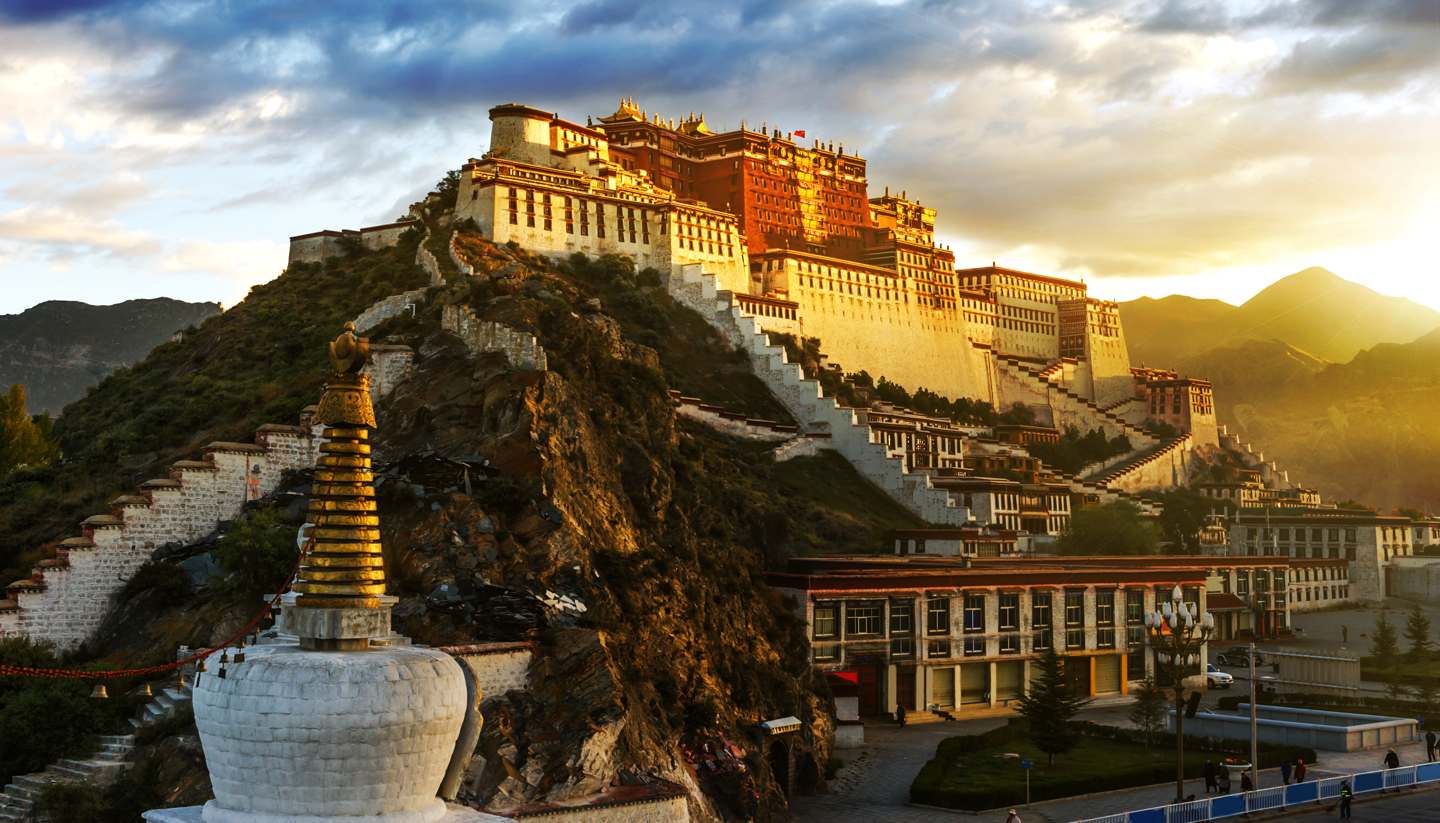
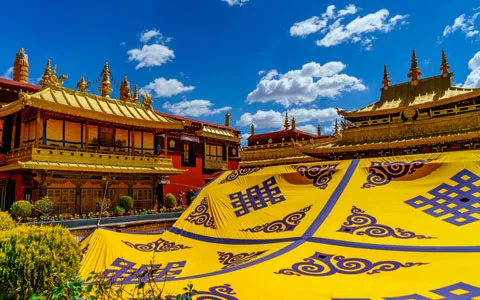
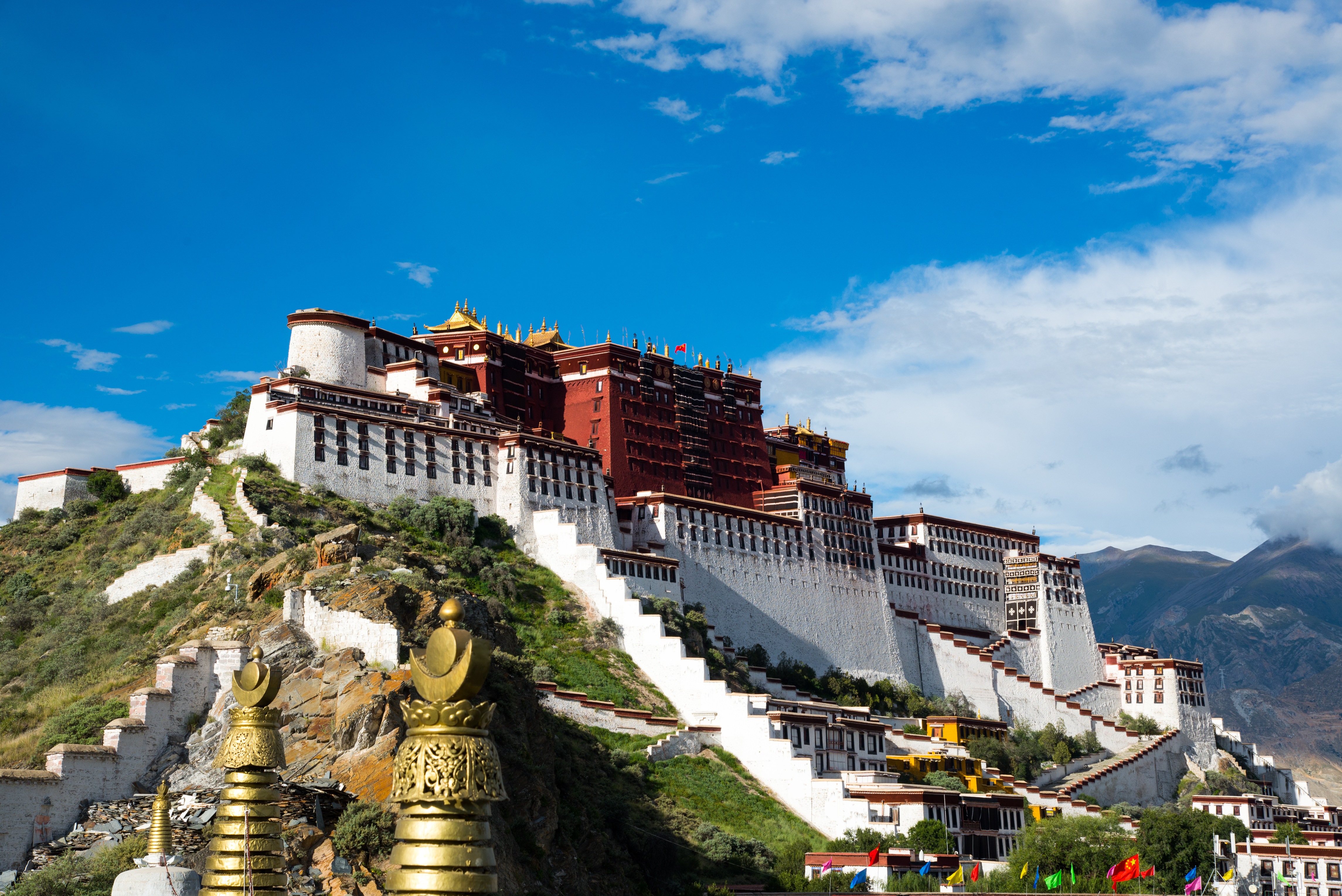
A typical trip for Tibet culture goes to several well-known stops in Lhasa. Most trips begin at the Potala Palace. After that, travelers often go to the Jokhang Temple. Many schedules also add Sera Monastery and Drepung Monastery. Later, you walk around Barkhor Street, where the stalls stay busy most of the day. These places show up a lot in Tibet packages. They cover Tibetan sites, religious life, and daily routines in one journey.
When to set up a Tibet culture tour
Many travelers choose the months from April to October. In that window, May, June, September, and October are picked most often. Skies can be more reliable in those months. Travel routes are usually less of a hassle. You also tend to find easier access to cultural spots and local happenings.
Best time for the trip
If you are planning a Tibet culture tour, April through June is usually a good stretch. After the rains end, September and October also work well. In these periods, the air feels calmer, and rain stays low. That helps for visits to temples and for events outside.
Clearer sights near major spots
If your main goal is good views near Potala Palace and Barkhor Street, plan for September or October. The sky often looks sharper once the monsoon season passes. This makes it a common pick for people who want photos and long walks.
A simpler choice for first timers
If this is your first trip, you can look at If you are planning a Tibet culture tour, April through June is usually a good stretch. After the rains end, September and October also work well. In these periods, the air feels calmer, and rain stays low. That helps for visits to temples and for events outside.
What People Often Miss About Culture
If you are planning a trip, timing matters more than you think. Look at the calendar before you book. Start by checking the main festival days first. Save the rest for later.
In Lhasa, a few festivals change the whole feel of the place. The Saga Dawa Festival often falls in May or June. The Shoton Festival usually happens in August. The day and timing can move, so it is smart to verify the exact dates.
When the festivals are close, the city is not the same. Monasteries feel more active, and the streets seem busier. You may notice ceremonies, dancing, and pilgrim walks. A lot of travelers never see these things because they do not come at the right time.
So many choose their Tibet Lhasa tour around these dates. They want a trip that feels more true to local culture.
Monastery ritual schedules: Sera Monastery has set times for its well-known monk debate sessions. People can plan their trip for those afternoon hours, and that choice can make a Tibetan heritage visit feel more grounded.
Altitude and acclimatization still matter because Lhasa is over 3,600 meters. Planning rest days at the start makes it easier to see cultural places without feeling wiped out.
Timing can change the whole trip. In July and August, the Potala Palace gets busy. April and the end of September tend to feel calmer, and the sites are still just as interesting.
Tibet travel packages run on fixed dates. Permits link to those dates, so it is smart to book early to prevent setbacks.
Months are not usually tidy. Still, many people who travel to Tibet say certain months feel right. May, June, September, and October are often mentioned. Those weeks can have clearer skies. Day-to-day weather may also feel less wild.
Some travelers want a trip that stays focused on Lhasa culture. Others choose a longer route. They aim to see Tibetan heritage across a wider area. If you can, plan around big festivals. Also try to travel when the weather stays fairly steady.
When conditions are stable, you can notice daily life more easily. You might also spend time around the Potala Palace. You can visit Jokhang Temple, too. Sera Monastery is another common stop. Drepung Monastery is often added as well. Many trips include Barkhor Street as a place to walk and watch.
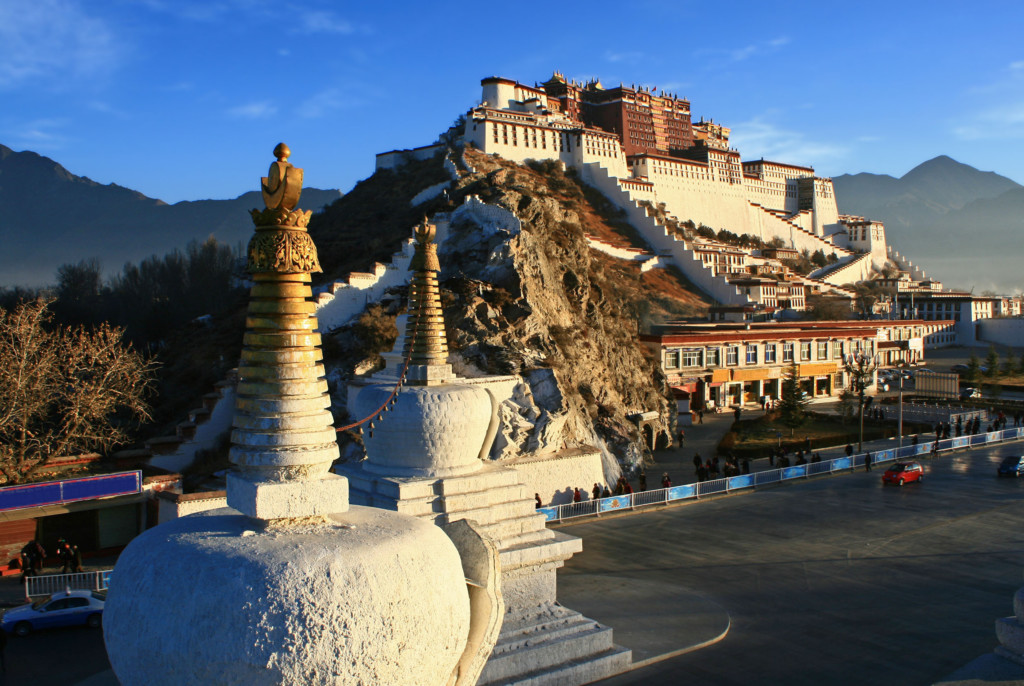
Potala Palace: Go to the old home of the Dalai Lama. It is a UNESCO World Heritage Site. You can see beautiful buildings, holy relics, and wide views over Lhasa.
Jokhang Temple and Barkhor Street: Watch worshippers bow and pray at the spiritual center of Tibetan Buddhism. After that, walk through busy stalls and narrow lanes nearby.
Samye Monastery: See the first Buddhist monastery in Tibet. It was built in the 8th century. The grounds have a layout that feels like a mandala, and the design stands out.
Yamdrok Lake: Look at the bright blue water of this sacred lake. You can view it from Kamba La Pass. In the distance, snowy high peaks and rugged mountains fill the horizon.
Drepung and Sera Monasteries: Step into monastic routines and feel the daily pace. At Sera, you can also catch group debate sessions in the open courtyard. The setting feels quiet but full of energy.
Start From
Get personalised guidance for any Nepal adventure — with expert planning and safety support.
We offer expert advice, flexible options, and tailor-made itineraries.

The Tibet Culture Tour was a fascinating journey through some of Tibet's most important cultural and historical sites. Visiting Lhasa, Gyantse, and Shigatse gave us a wonderful opportunity to learn about Tibetan Buddhism, traditional architecture, and local customs. Tashilhunpo Monastery was particularly impressive, with its peaceful atmosphere and beautiful religious artwork. Our guide was knowledgeable and explained the history and culture in an easy-to-understand way. Himalayan Smile Treks organized the transportation, accommodation, permits, and sightseeing smoothly, making the entire journey comfortable and memorable.
Our Tibet Culture Tour was an unforgettable cultural experience. Lhasa was the highlight, especially visiting Potala Palace, Jokhang Temple, and Barkhor Street. We enjoyed learning about Tibetan traditions, Buddhist practices, and everyday life from our local guide. The journey to Gyantse and Shigatse added another dimension to the trip, with historic monasteries and beautiful mountain scenery along the way. The guide was friendly, patient, and very informative. Himalayan Smile Treks handled the itinerary and travel arrangements professionally, making our Tibet journey relaxed and enjoyable.
The Tibet Culture Tour offered a wonderful combination of history, spirituality, and Himalayan scenery. Exploring Lhasa and visiting its famous monasteries gave us a deeper understanding of Tibetan culture and Buddhist traditions. We especially enjoyed the visits to Jokhang Temple and Tashilhunpo Monastery. The drive between Lhasa, Gyantse, and Shigatse was also memorable, with dramatic mountain landscapes along the way. Our guide provided excellent explanations and helped us understand the significance of each site. Himalayan Smile Treks organized the tour very efficiently from beginning to end.
The Tibet Culture Tour was a beautiful and meaningful travel experience. We explored historic monasteries, traditional streets, and important Buddhist sites while learning about Tibet's unique cultural heritage. Lhasa was fascinating, and visiting Potala Palace and Jokhang Temple was a memorable part of the journey. The trip to Gyantse and Shigatse provided beautiful scenery and opportunities to experience a different side of Tibet. Our local guide was knowledgeable and welcoming. Himalayan Smile Treks took care of the travel arrangements professionally and made the tour comfortable throughout.
I thoroughly enjoyed the Tibet Culture Tour. The itinerary provided an excellent introduction to Tibetan history, Buddhist culture, monasteries, and traditional life. Lhasa was especially impressive, while the visits to Gyantse and Shigatse added fascinating historical and cultural experiences. Tashilhunpo Monastery was one of my favorite stops, and the mountain scenery during the road journeys was spectacular. Our guide was informative and always happy to answer questions. Himalayan Smile Treks provided well-organized transportation, accommodation, and sightseeing arrangements, making this a very memorable cultural journey.



↑
.png "NTB")
.png "Pata")