Price Table
| 1 | 2 | 3 | 4 | |
| USD 535 | USD 390 | USD 370 | USD 360 | |
| USD 625 | USD 480 | USD 460 | USD 445 |

Country
Nepal
Duration
3 days
Maximum altitude
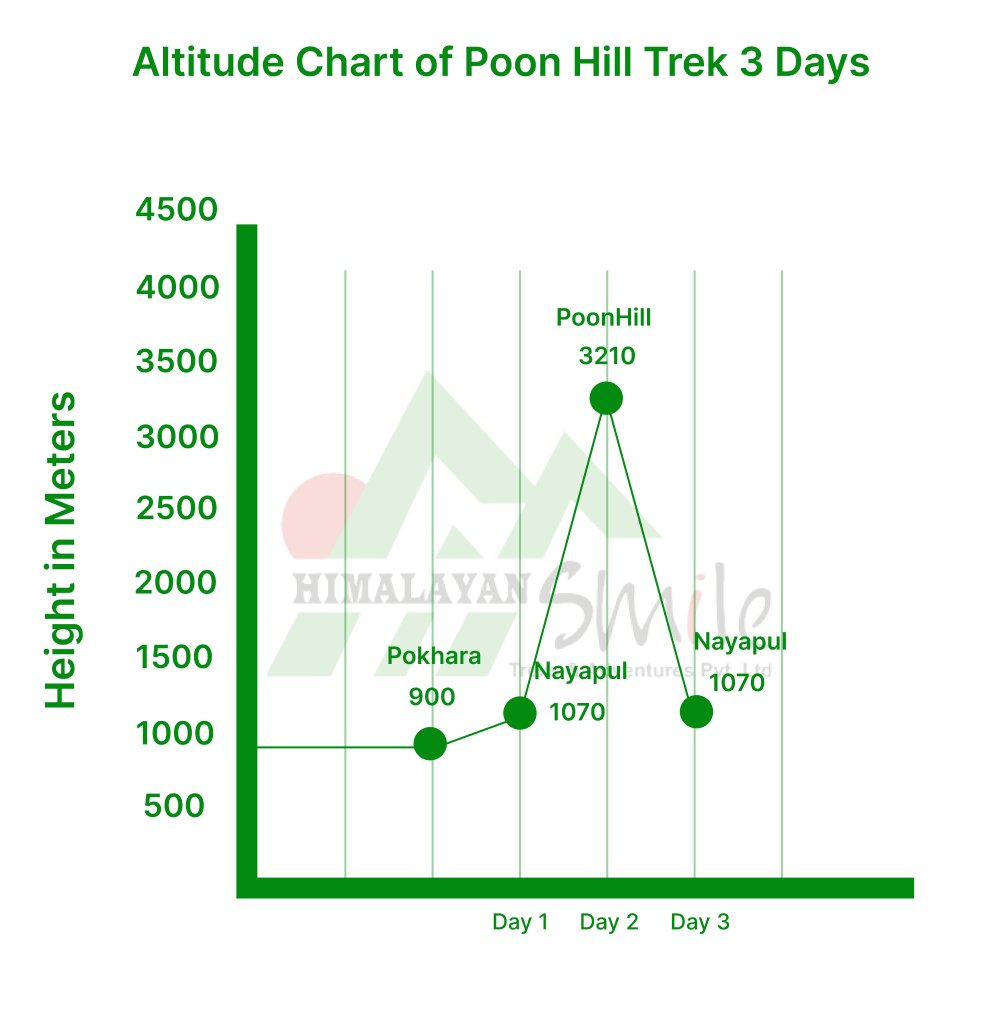
3210m/10528ft
Activity
Trekking
Difficulty
Moderate / Strenuous
Best Season
October, November, December, February, March, April
Accomodation
Mountain Lodge
Meals
Excluded
Start/End Point
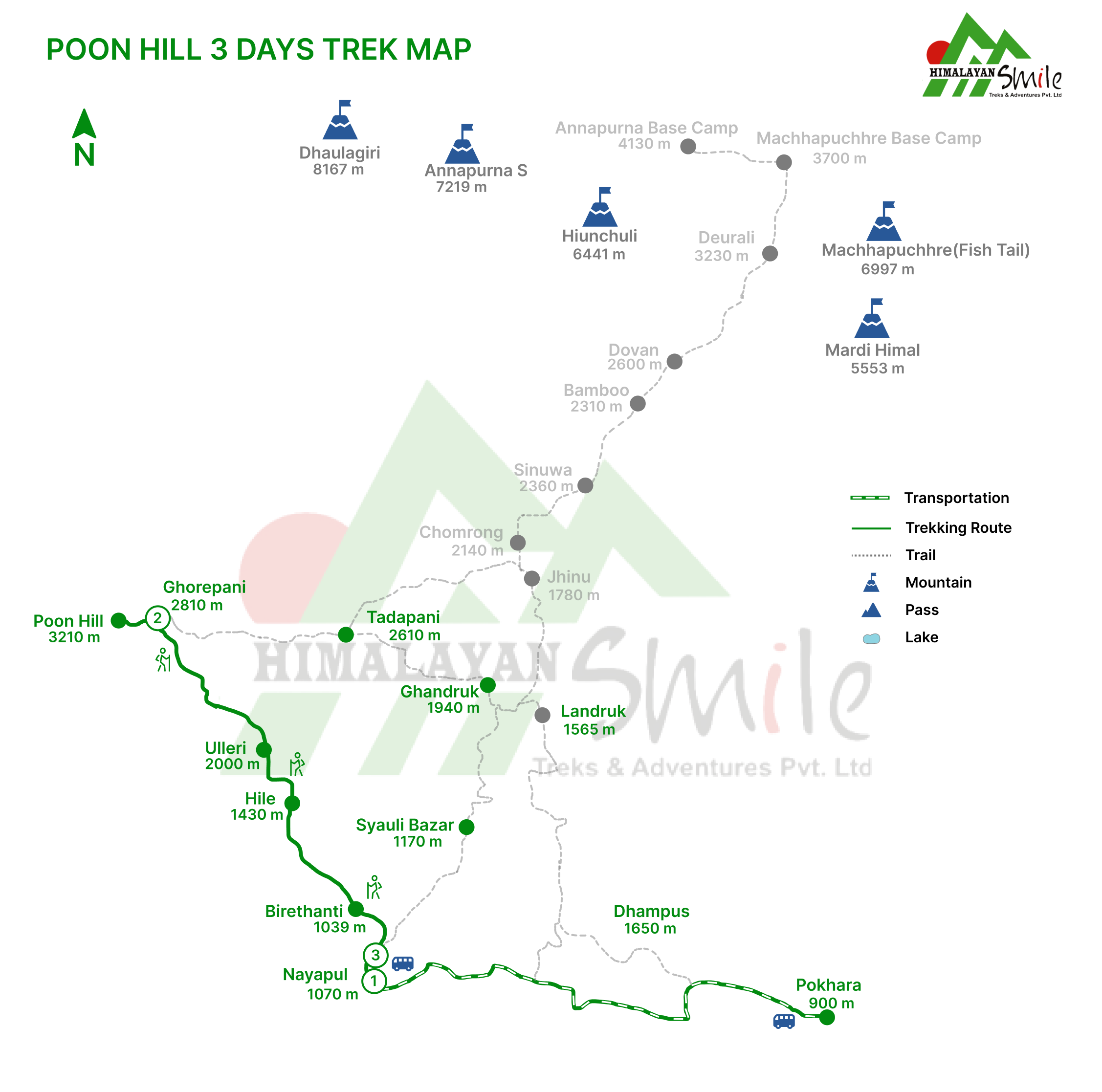
Nayapul (1070m/3510ft)

The Poon Hill Trek 3 Days is the best short adventure trip in Nepal, offering breathtaking views of the Himalayas at sunrise, delightful mountain hamlets, and memorable experiences within three days only. The trek is perfect for unfledged and experienced hikers with limited time since it provides an ideal mix of difficulty and ease. View the sun shining on the peaks of Annapurna and Dhaulagiri from the elevation of 3,210 meters, stroll in the rhododendron forests during their blooming period, and be a part of the Gurung community—all this without having to spend weeks away from your place.
The Ghorepani Poon Hill 3 Days trek immerses you in the Annapurna region, where each step reveals a new marvel. This expertly crafted trail optimizes your mountain experience but still makes the trek doable for people with different fitness levels. Right from the start of the trek up through terraced farms, the unforgettable pre-dawn hike up to the iconic Poon Hill viewpoint, and every moment of your 3-Day Poon Hill Trek is overflowing with the stunning scenery and cultural wonders that make Nepal one of the top trekking places on earth.
The Poon Hill Ghorepani Trek 3 Days is really and truly amazing because of its ability to replicate the total experience of Himalayan trekking in such a short time. It is through the use of local family-run teahouses for sleeping, Nepali food prepared at home for tasting, and walking on trails that have linked mountain communities for hundreds of years that a very strong and genuine impact is made. The Poon Hill Sunrise Trek 3 Days is not only about getting to a certain place; it is also about getting to know a very fantastic place where snow-covered mountains are above deep valleys with a hot climate, where prayer flags are dancing in the wind coming from the mountains, and where you are made to feel part of a very different culture through the hospitality of the locals because of the warmth that is given to you.
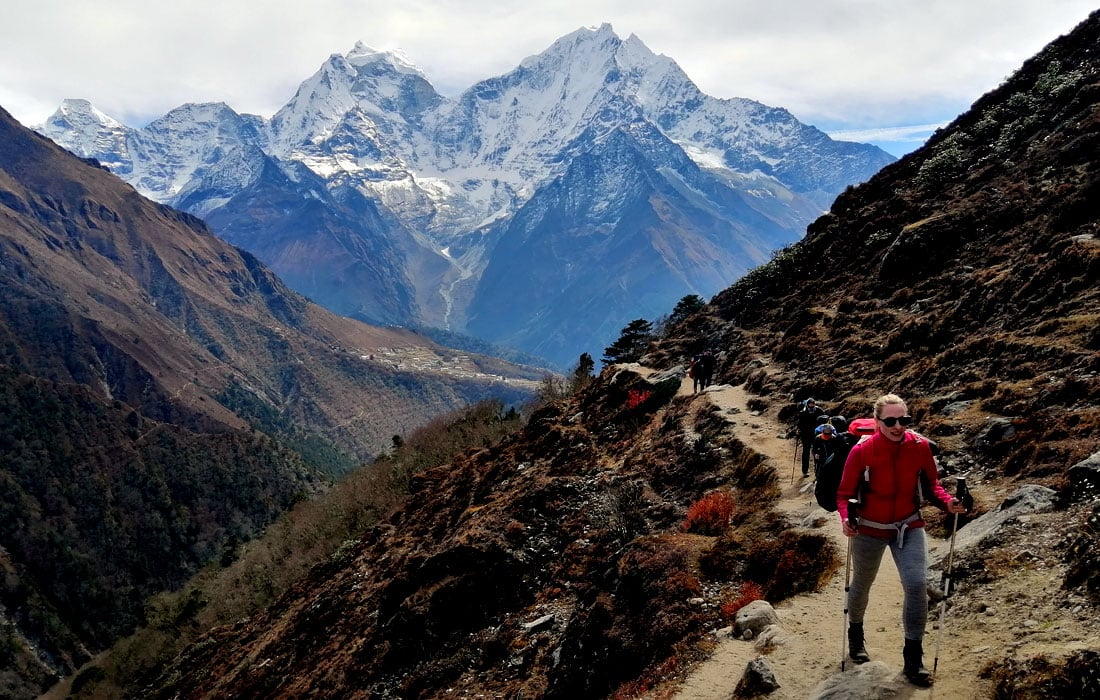
The Poon Hill hike for 3 days is fantastic because it is an adventure that is really fun to do. You will not need any climbing skills, but then again, the hike is physically challenging enough to let you feel very proud of yourself. The famous stone stairs going up to Ghorepani will test your strength, and the pre-dawn summit will push your willpower, but these hardships are actually what change the simple walk into a meaningful journey. When you are on top of Poon Hill at the break of dawn, witnessing the Himalayas and the world's highest peaks coming out of shadow and getting golden light, you will feel the same as the thousands of trekkers who pick this route every year and even more who come to this magical spot again and again to live the same extraordinary experience that has been so close to their hearts, proving that you do not need weeks to totally love the mountains of Nepal.
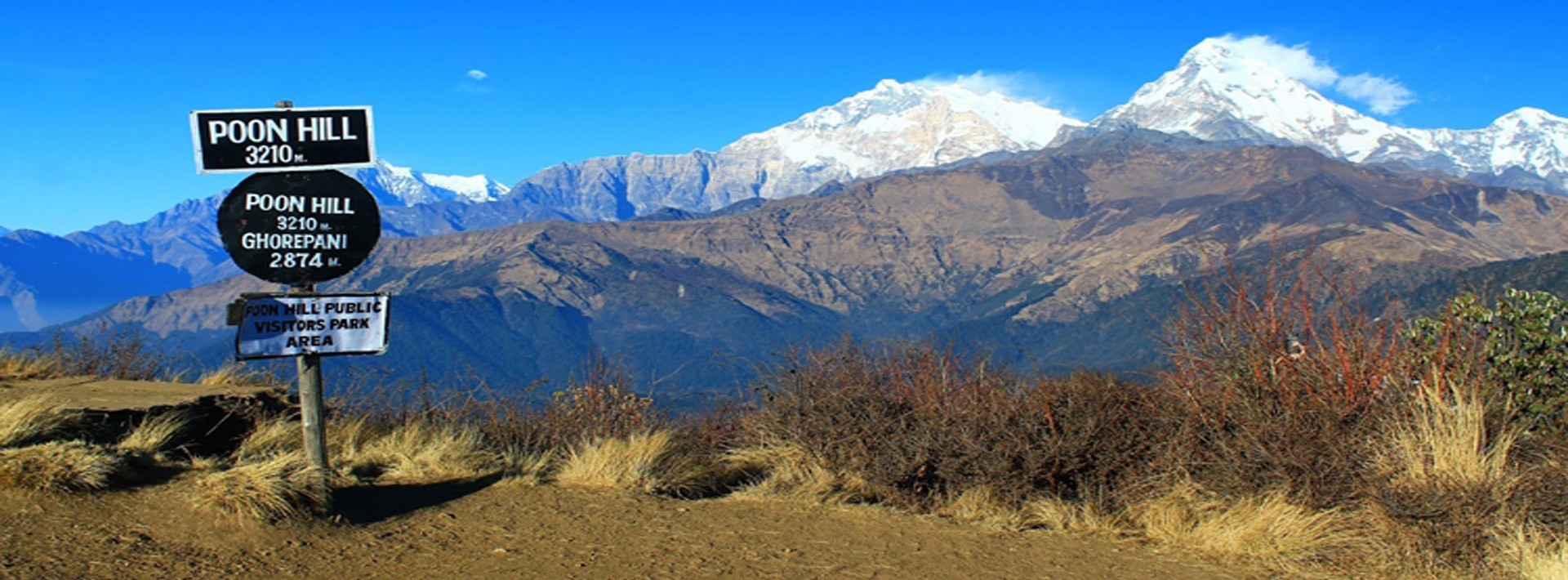
Poon Hill (3210 m): A Fantastic Himalayan Viewing Point.
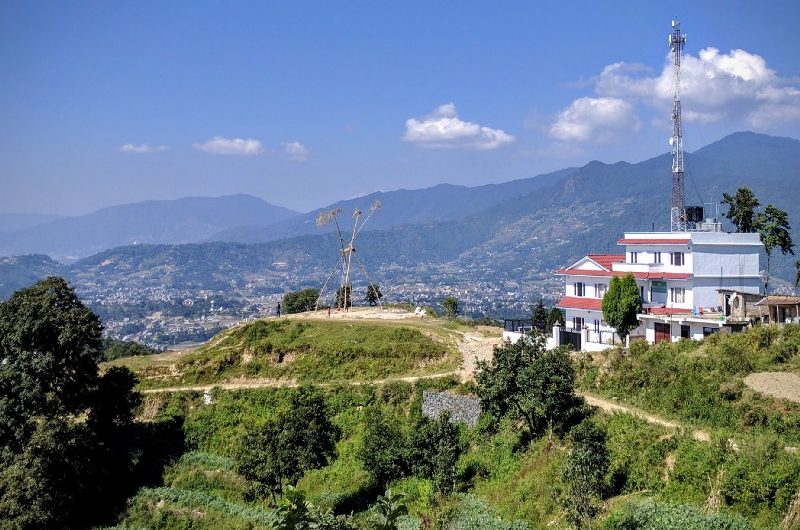
Poon Hill (3210 m) is a tourist place for trekkers and photographers alike. Situated in the western part of Nepal in the Dhaulagiri Zone, Poon Hill is a viewpoint where one can witness the strikingly beautiful mountain scenery and sunrises of the entire Himalayas. Poon Hill does not have any teahouse accommodations, so hikers/trekkers will sleep in Ghorepani, which is about 300 meters lower than Poon Hill. Trekkers leave Ghorepani for Poon Hill in the morning, which takes 45 minutes to 1 hour, and then the view is simply breathtaking.
The trek route is available with 3 to 5 days of itineraries, and you can tailor it according to your desires of what to stress and in what manner to finish the trek. Moreover, it is a short trek that is financially effective, not beyond Pokhara. The ideal trekking conditions are in autumn and spring, but you can walk the trail anytime except during the monsoon rains.
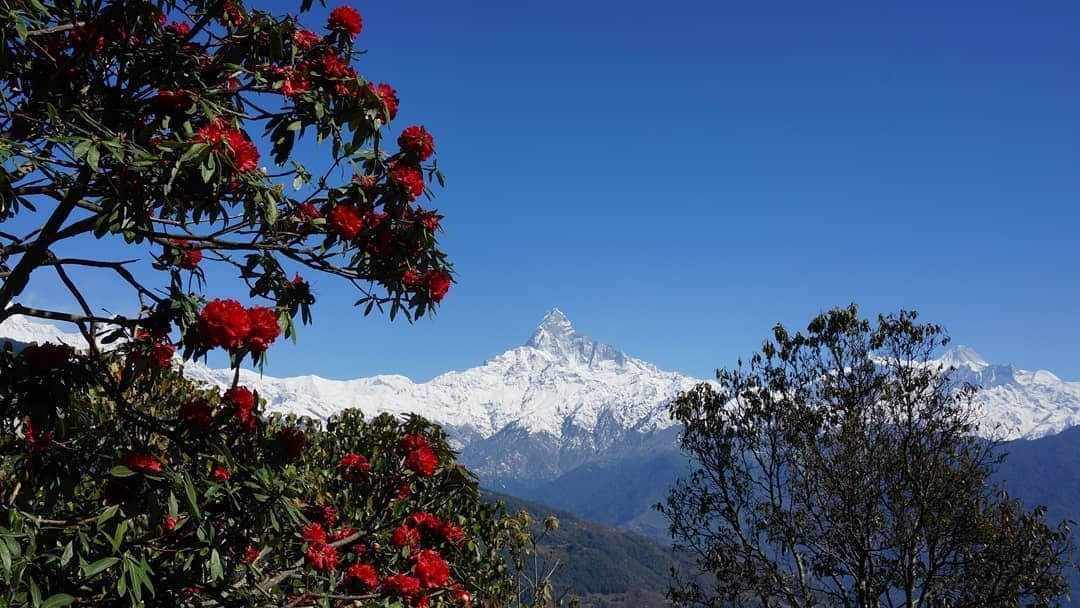
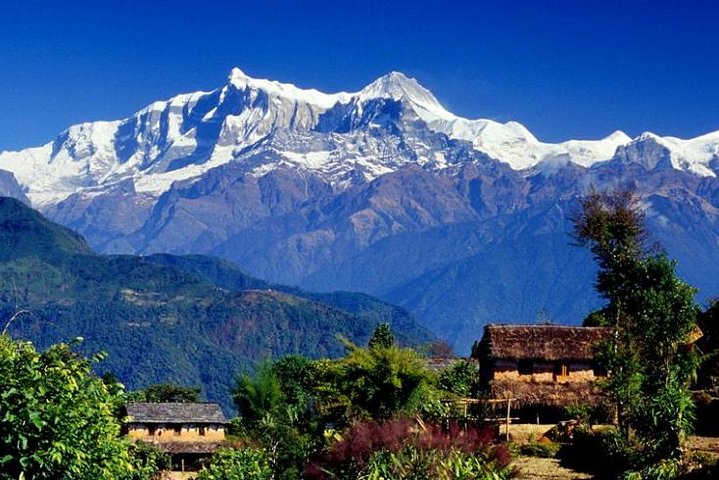
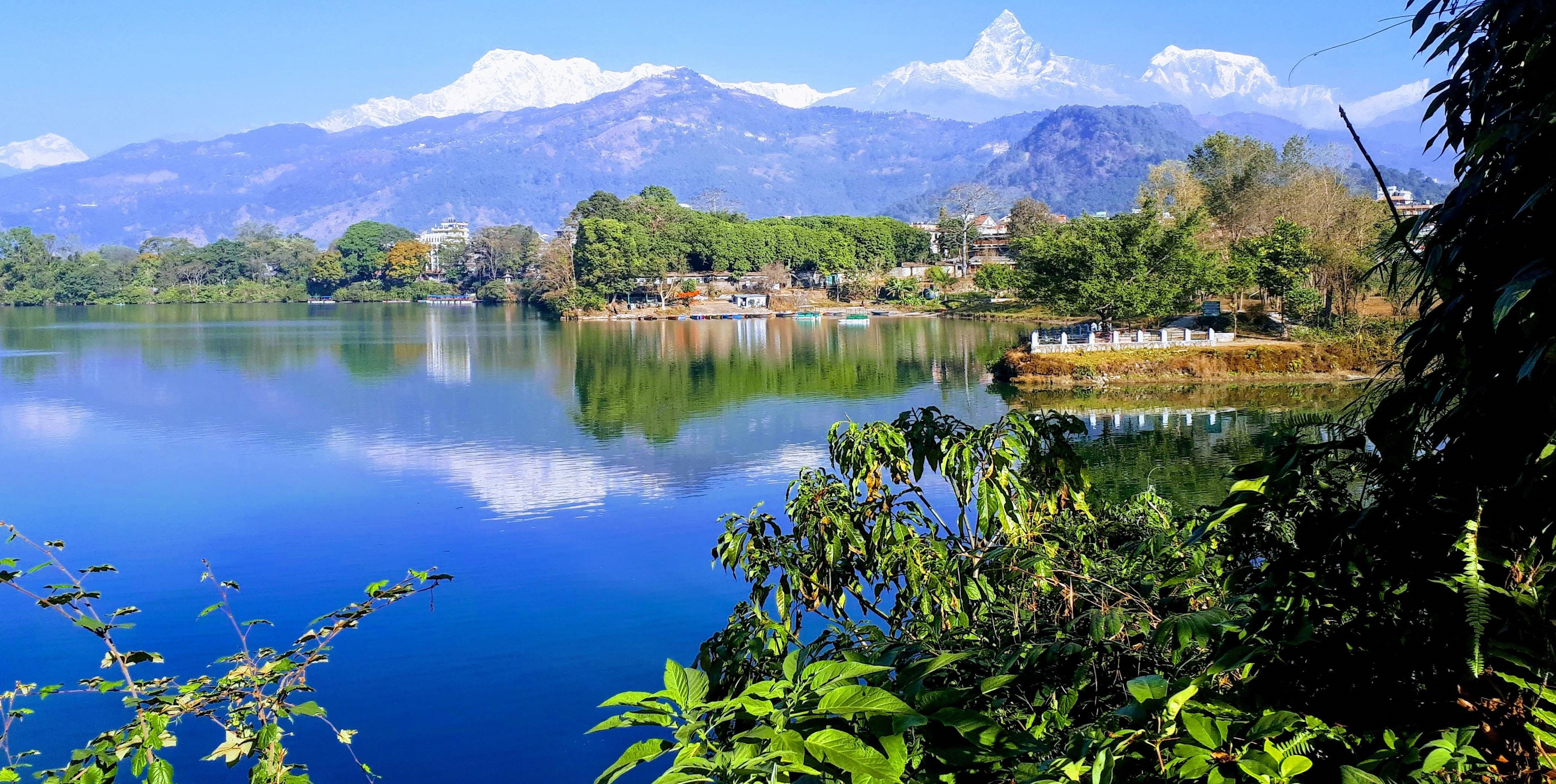
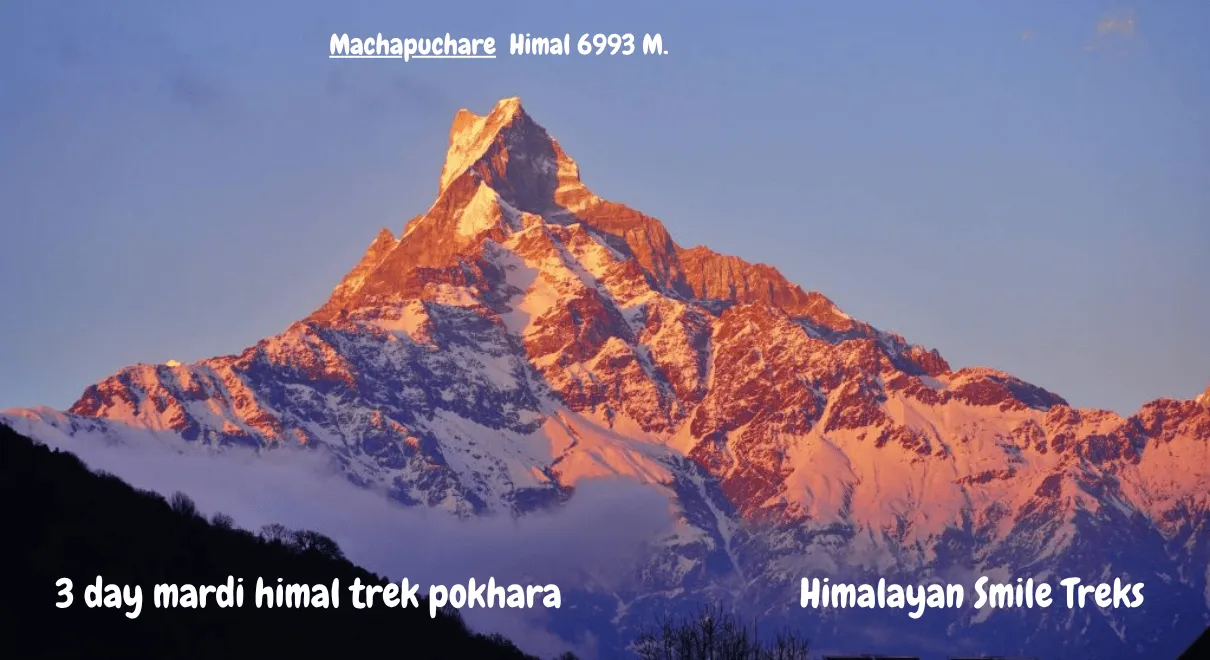
From Poon Hill, you will observe the classic panorama of the southern face of Annapurna and all the other summits. The trek from Ulleri will proceed, and the climbers will encounter an hour of a hard uphill climb to Banthati (2300 m/7544 ft.), and then the marvelous view of Mt. Fishtail (6996 m/22946 ft.) with its endless view of verdant valleys also opens up to you. Next, you will keep going up, and the temperature will drop, and you will be in the middle of the forest. You will continue your climb through enchanted rhododendron and magnolia forests to Ghorepani Deurali.
How to Reach Pokhara from Kathmandu: The 3-Day Poon Hill Trek
Pokhara is located 200 kilometers away from Kathmandu. You may choose to travel to Pokhara either by air or by land. Public buses, as well as microbuses, run regularly from Kathmandu to Pokhara. However, we advise you to take a tourist coach, as it will be the most comfortable and safest journey. The tourist bus departs from Kathmandu at 7:00 am, and it takes around 6-7 hours to reach Pokhara. If you are planning to fly, it would be a 30-minute flight from Kathmandu to Pokhara.
Accommodation on the Poon Hill trek
While trekking, you can rely on teahouses for all your meals and places to stay. Each teahouse has a menu that includes various kinds of Nepali and international food together with tea, coffee, and snacks. Menus are somewhat alike in most tea houses. The “Tourism Management Community” determines the menu prices. Prices go up as you slowly get up to the higher altitudes. Tea houses offer rooms with twin sharing and single beds, which seem to be small but are actually quite comfortable for sleeping. For each bed, one blanket is given. The toilets available in the teahouses are either squat-type or Western-style.
Drinking water:
In numerous locations, you will see tube wells supplying water; locals consume it directly from the tap, but visitors might face difficulties with the tap water. The use of water purifier tablets like chlorine, Euroguard, sterilizers, etc., is recommended. Or you can purchase treated water, popularly known as safe drinking water.
Best Seasons for Poon Hill Trek—Weather and Climate Overview
The Poon Hill trek is a rather short trek of three days and has less altitude and a shorter duration. It can be done the whole year round, though the season might affect your experience.
Four types of climate in Poon Hill
Autumn: Autumn lasts from mid-September to late November. The weather is just perfect, as the temperature is neither too hot nor too cold. One of the most attractive times for the Poon Hill trek is during autumn.
Winter: The cold season begins in the last days of November and extends up to March. It is possible that during the trek, Ghorepani will get covered by snow; nevertheless, if you are properly equipped, you will still be able to reach Poon Hill. The sky will be free of clouds during the early morning and around noon.
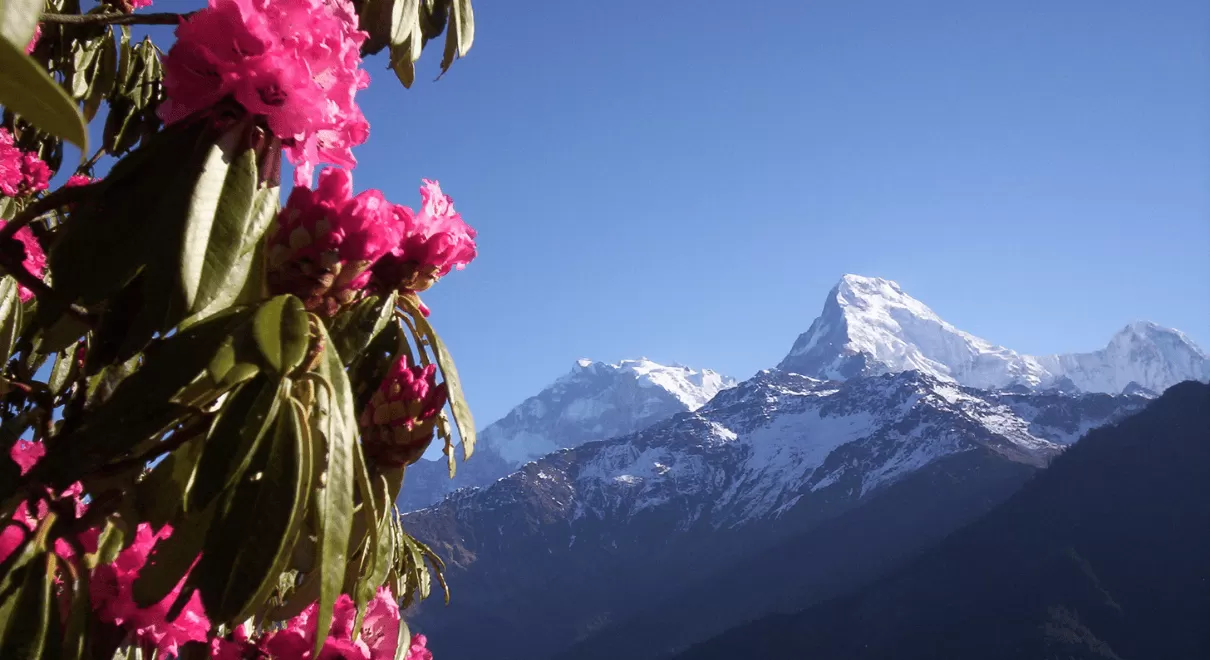
Spring: Springtime spans from the middle of March until May. It is the second most favorable season for Poon Hill trekking. The season of flowers is here. The blooming of the rhododendron up the hills can be seen along the trail. The atmosphere is less veiled by mist, and the heat of the sun is more bearable.
Summer: The summer period lasts from June through mid-September. Summer in the lowlands is really hot. However, trekking to Poon Hill is still possible, as rain usually falls during the night and in the evening. The rain usually clears the sky and makes the views of the lush forests even more beautiful. During this period, we should be fully equipped for leeches and rain.
Poon Hill Trek: Wildlife, Birds, and Botanical Wonders
Trekking the Poon Hill 3-day trek promises to be a delightful experience for nature lovers, wildlife observers, and mountain view admirers. During this trek, people will experience a climate that is hot in the lowlands and cold in the highland areas. The most prominent plant among all is rhododendron, while we also encounter other species like orange, different oaks, pines, bamboos, maples, wild orchids, Himalayan white violet, grand viburnum, etc.
The yellow-throated martens, the orange-bellied Himalayan squirrels, the leopard cats, and the barking deer, among others, are still the commonest inhabitants of the trek, and rare animal viewing is only one of the activities offered by the region. Interestingly, the Poon Hill area is an excellent spot for birdwatching, and among the birds that can be seen are the long-tailed minivet, Bulbul, Black Eagle, Black-throated Tit, Blue whistling thrush, Eurasian Cuckoo, Golden-throated Barbet, green-backed tit, Green-tailed Sunbird, Hill Partridge, Himalayan Griffon, Kalij Pheasant, Forktail, Oriental Turtle Dove, rufous-gorged flycatcher, etc.
Cultural Experience on the Poon Hill Trek – Villages and Local Life
Nayapul (1,010 m): Your journey to Poon Hill begins at Nayapul. In case you left out some essential trekking gear, you can still get it by shopping. Nayapul, being situated along the Pokhara Baglung Highway, makes it easy for any group to travel overland comfortably. The transportation to and from Nayapul to Pokhara is organized by the company.
Birethanti Village: A small village next to the Madi River is where this is located. On the way to Hille, every hiker has to first lay aside their Annapurna Conservation Area permits at the entrance of Birethati. So, maybe even take a small break to have some tea or coffee.
Tikhedhunga: You will be at an altitude of 1,480 meters. It will take approximately 3-4 hours to arrive at Tikhedhunga from Nayapul. A lot of trekkers add Poon Hill to their Poon Hill Trek itinerary. The attractions around are the nearby waterfall, streams, suspension bridges, and Gurung villages with their simple lifestyle.
Ulleri (2,020 m): The majority of the population residing in Ulleri are from the Pun and Magar tribes. These are ethnic groups that are present in Nepal. It is very much possible to experience the original lifestyles and customs of the Pun Magars. The most challenging part of Poon Hill is going uphill in Ulleri; thus, you can also take a Jeep that will bring you directly to Ulleri.
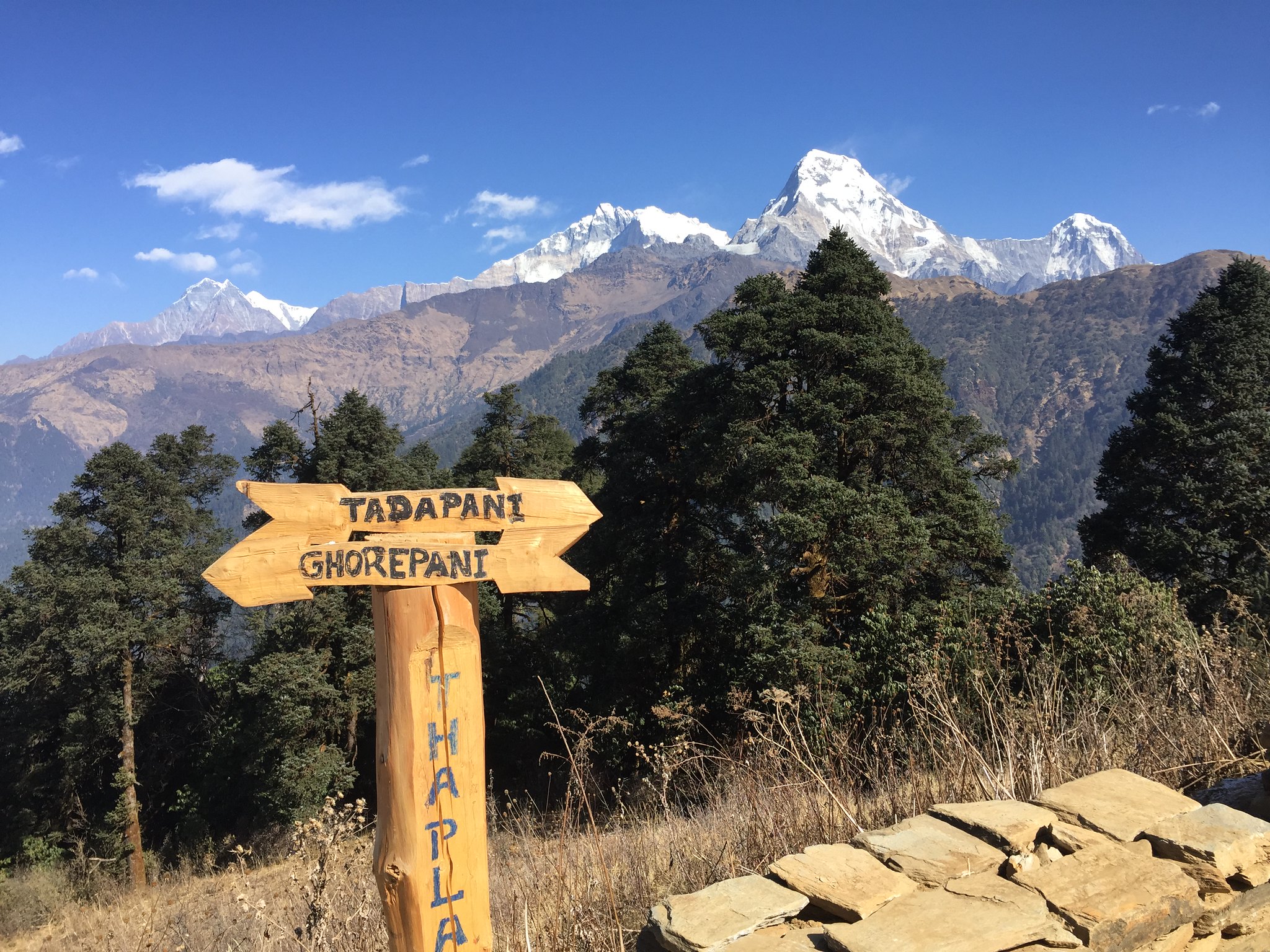
Ghorepani (2,775 m): The term "Ghorepani" was derived from the place where horses were given water. As Ghora stands for horse and Pani stands for water, the location on the trek was aptly called Ghorepani. Today, Ghorepani is a destination admired for its views of the mountains and a stopover for the Poon Hill Trek. The majority of visitors rise early in the morning to catch the sun rising from Poon Hill. Hikers can also reach the ABC Trek Via Poon Hill and the Tatopani route. It takes approximately 5 hours to go from Ulleri to Ghorepani.
Poon Hill Trek: 3 days Frequently Asked Questions
Q: What is Poon Hill?
Poon Hill, a famous viewpoint in the world, is located at a height of 3,210 meters (10,531 feet) in the beautiful Annapurna region of Nepal. It has gained a reputation for presenting one of the most stunning panoramic sunrise views not only in the Himalayas but in the whole world as well. The view from the point is so beautiful that it includes the whole mountain range of Annapurna and Dhaulagiri, which makes it a prime destination for thousands of trekkers from all over the world every year. It is the most visited point in Nepal, which is considered to be the easiest to reach among all the Himalayan viewpoints. Thus, it is very much suitable for beginners, families, and others who just want to have a leisure walk to see the mesmerizing mountains without going through the pain of high altitude or a technical climbing route.
Q: Which mountain ranges can be seen from Poon Hill?
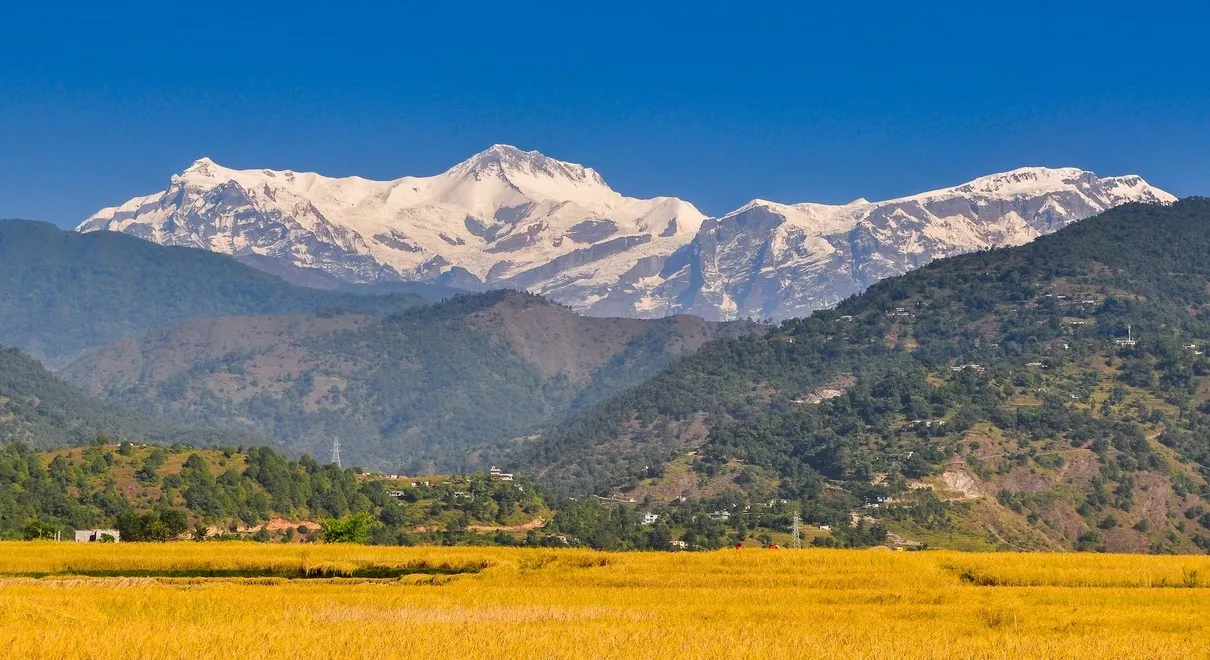
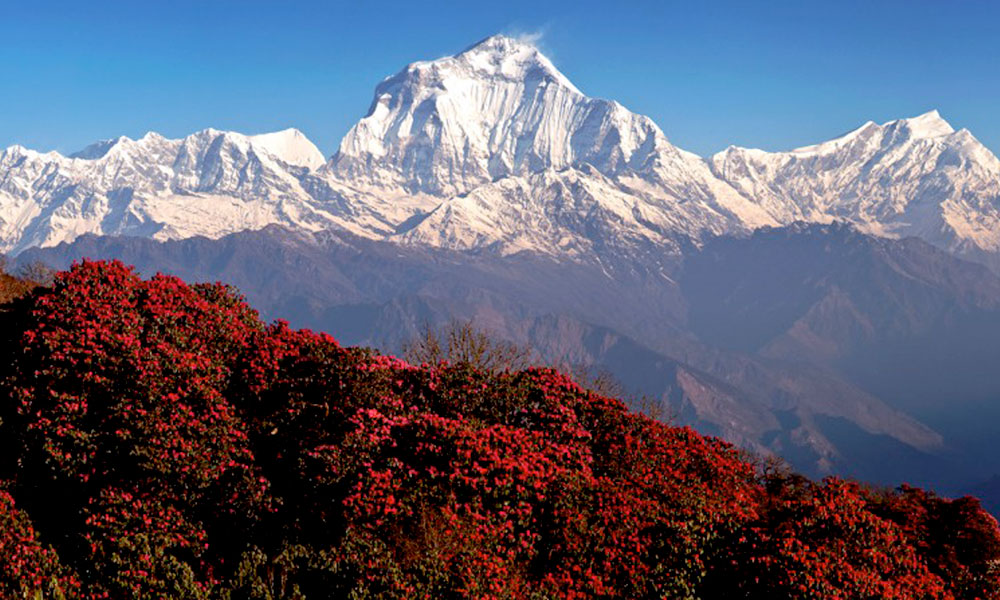
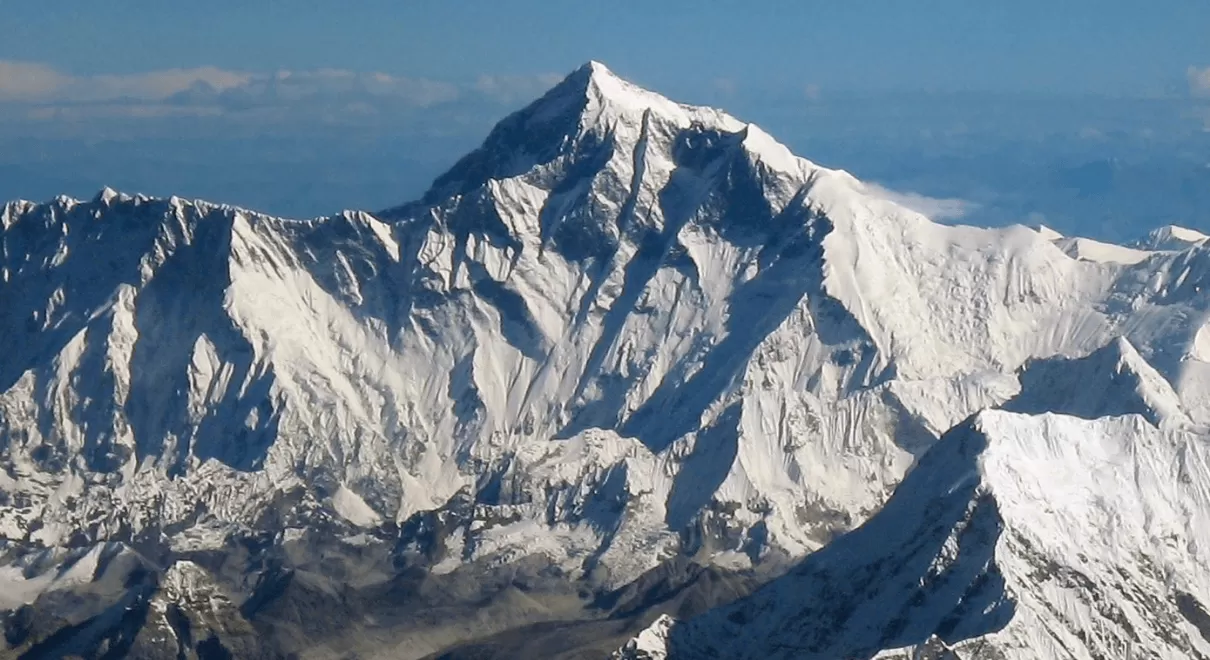
The top of Poon Hill is where you will see an amazing 360-degree view of more than 20 peaks of the Himalayas. Including the whole Annapurna range in the view are Annapurna I (8,091 m), Annapurna II, III, and IV, and Annapurna South. And not to forget Dhaulagiri (8,167m, the world's seventh-highest mountain), the uniquely shaped Machhapuchhre, or Fishtail Mountain (6,993 m), Nilgiri, Hiunchuli, Lamjung Himal, and last but not least Manaslu all the way out there. The morning light would wash these summits in magnificent golden and pink tones, which unveil a scene that is perfect for photographers and unforgettable memories.
Q: How far are the mountains from Poon Hill?
The closest significant summits such as Annapurna South and Hiunchuli are about 20-30 kilometers from the Poon Hill viewpoint. The more remote peaks like Dhaulagiri and Manaslu are also included in the great panoramic view, but they are at different distances, and some even reach 40-50 kilometers away from the viewer. Yet, the very crystal-clear air at high altitude and the enormous size of these 6,000-8,000-meter giants turn them to be very close, finely-detailed, and dominantly impressive. The unrestrained views bring about an almost unreal sensation of closeness to these huge Himalayan mountains.
Q: What time is sunrise at Poon Hill?
The sunrise time at Poon Hill is greatly influenced by Nepal's geographical position and the tilt of the Earth's axis. During the winter months (December-February), sunrise takes place around 6:45-7:00 AM. The spring season (March-May) will come with an even earlier sunrise, approximately between 6:00 and 6:30 AM. The summer and monsoon months (June-August) will have the sun rising at the earliest, around 5:30-6:00 AM. The autumn season (September-November) wakes up the sun at around 6:15-6:45 AM. The Ghorepani tea house staff will inform you of the exact sunrise time for your trekking date, thus allowing you to plan your departure well in advance for the best viewing conditions.
Q: What time should I start climbing Poon Hill in the morning?
The majority of hikers start their ascent before dawn, between 4:30 and 5:30 AM, to secure a spot at the top of Poon Hill at sunrise. The steep walk from Ghorepani village will take about 45-60 minutes to complete, which is affected by the fitness level of the walker, his/her pace, and the time spent on taking breaks. Early rising is important not only to see the whole sunrise, including dark to bright periods, but also to get a good place at the viewpoint tower, which is usually occupied by hundreds of trekkers during the peak season mornings that see the mountains transforming.
Q: Is it dark when starting the climb to Poon Hill?
Absolutely, darkness reigns supreme in the pre-dawn ascent to Poon Hill, as you are beginning your journey well ahead of the sun showing off its rays. A dependable headlamp or a super-bright flashlight is the most important gear and the only option, as the stone staircase and path are totally dark without even a single artificial light. Nevertheless, darkness will not be your only company—you will be mingling with hundreds or even thousands of fellow hikers who, during the high season, ascend to the same place as you in a very beautiful and fascinating way by the lights of their headlamps, creating a glowing winding trail up along the mountain slope. The pre-dawn group hike to the sunrise forms a remarkable, almost enchanting, setting which is characteristic of the Poon Hill experience.
Q: How far is it from Ghorepani to Poon Hill?
The distance from Ghorepani village to Poon Hill summit is about 4 kilometers (2.5 miles), and you have to gain about 400 meters of elevation. The way goes by a well-built stone stairway, which was built in a zigzag manner, through lovely rhododendron and oak woods. Average-fitness trekkers usually take 45-60 minutes for the uphill climb, whereas those who walk faster can reach the top in 35-40 minutes. The descent back to Ghorepani is considerably faster, and it usually takes only 30-40 minutes, so the round-trip journey is not hard for most fitness levels, even in pre-dawn darkness.
Q: Can I get food at Poon Hill?
At Poon Hill's viewpoint, small basic tea stalls operate for sunrise hours (approximately 5:30-8:00 AM), serving hot beverages like tea, coffee, hot chocolate, instant noodles, biscuits, and simple snacks to cold trekkers. The prices are significantly higher compared to the villages because of the high costs of location and transport. Nevertheless, no full, proper meals can be had at the summit itself. Most of the trekkers, after sunrise with views, will be on their way back to Ghorepani village, where lots of restaurants and lodge dining rooms have comprehensive breakfast menus that include eggs, pancakes, porridge, Tibetan bread, and traditional Nepali dal bhat.
Q: Can I spend the night at Poon Hill?
No, overnight camping or sleeping at Poon Hill summit is not allowed because of conservation regulations, extreme cold exposure, and lack of facilities. Tourists have to stay overnight in Ghorepani village, which is about a 45-minute downhill walk from the viewpoint. Ghorepani has many nice tea houses and lodges with warm dining rooms, proper beds, and food served. All trekkers stay overnight in Ghorepani and make the pre-dawn climb for sunrise, returning afterward for a hot breakfast. This procedure has been very successful for decades, keeping the delicate summit environment safe while at the same time providing safety and comfort to the trekkers in decent accommodations.
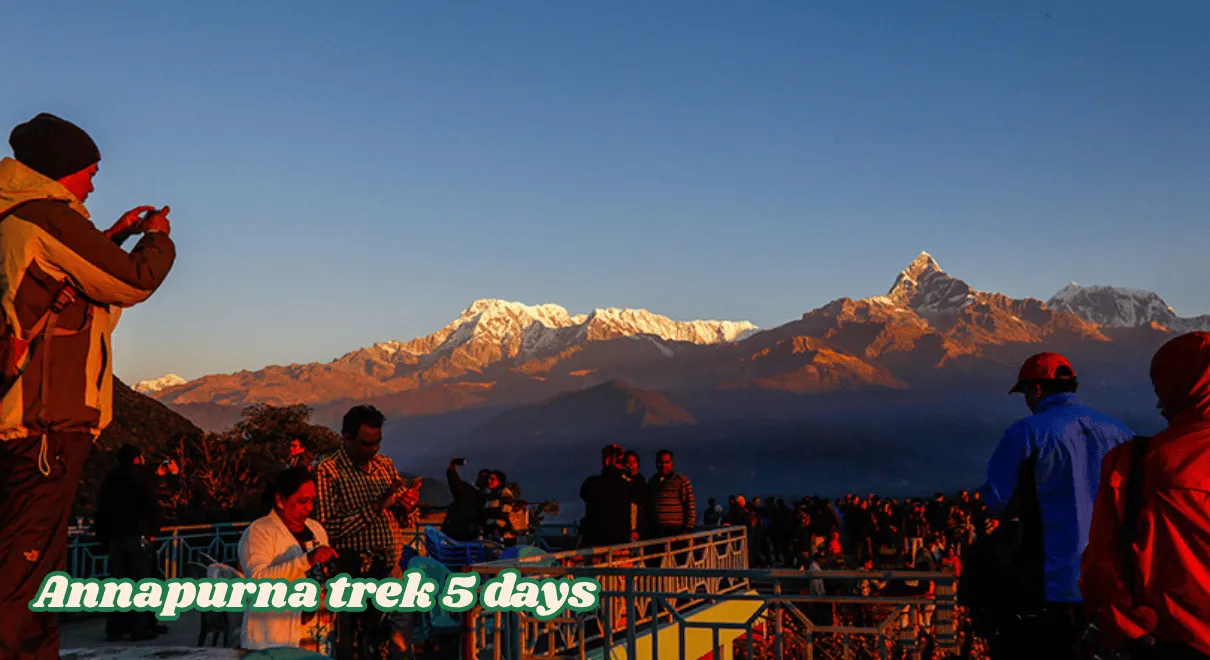
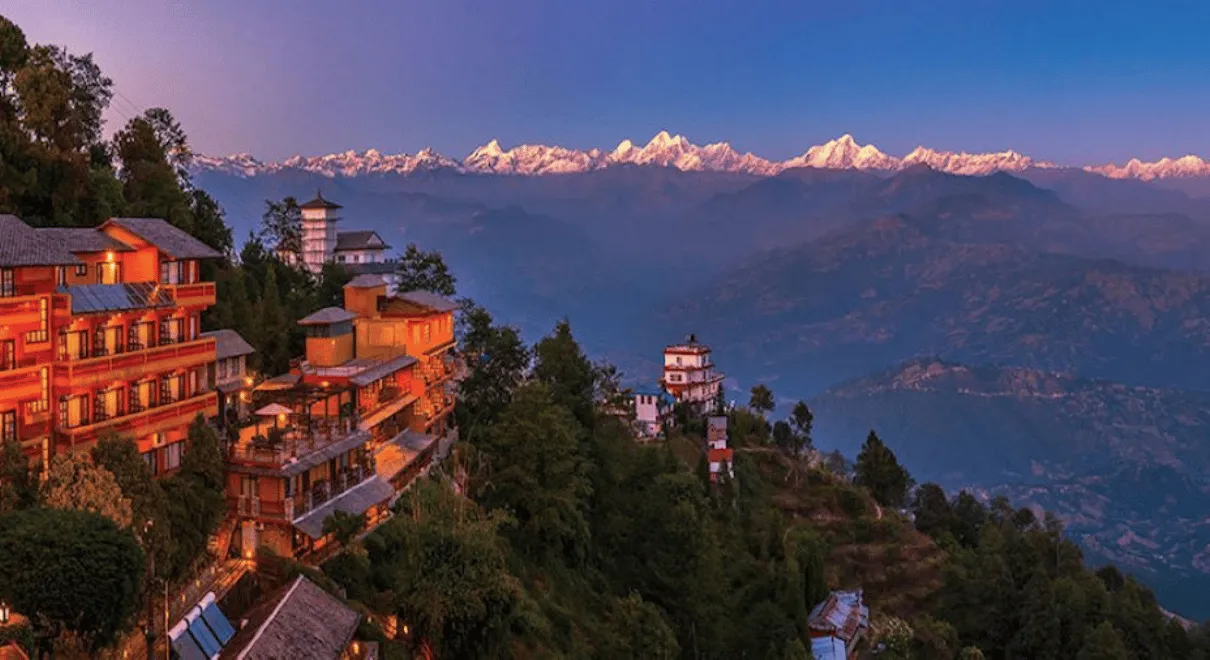
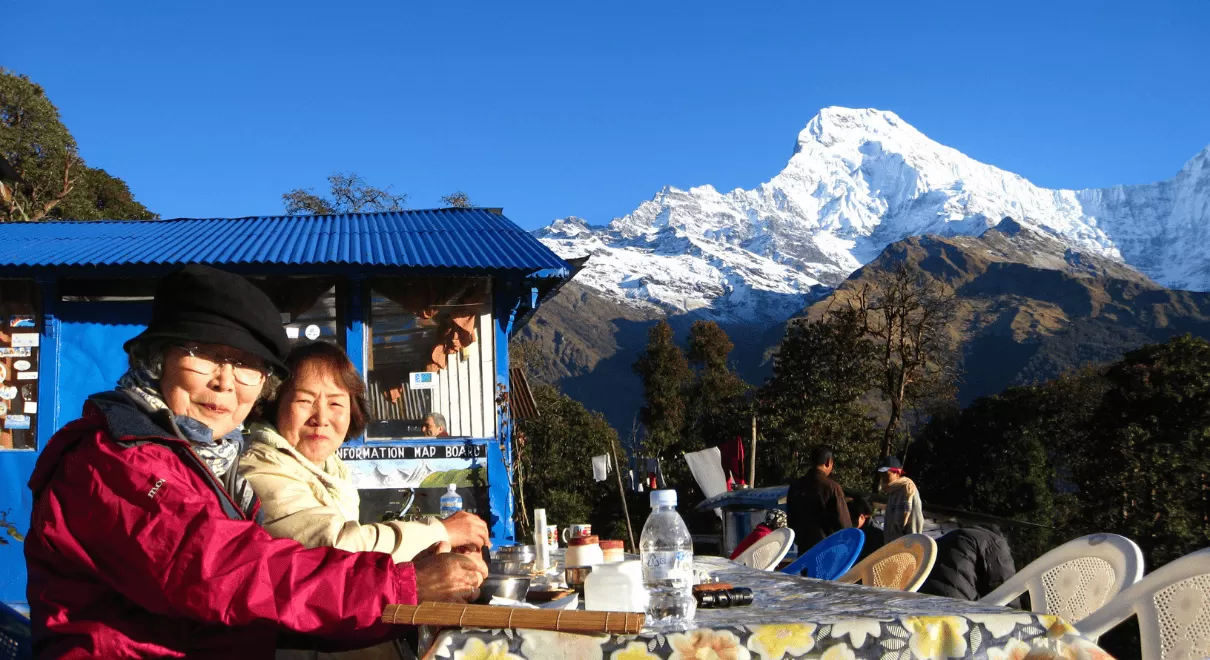
Enjoy a mesmerizing sunrise over Annapurna and Dhaulagiri ranges from Poon Hill, where golden morning light reveals more than twenty majestic Himalayan peaks in breathtaking panoramic beauty.
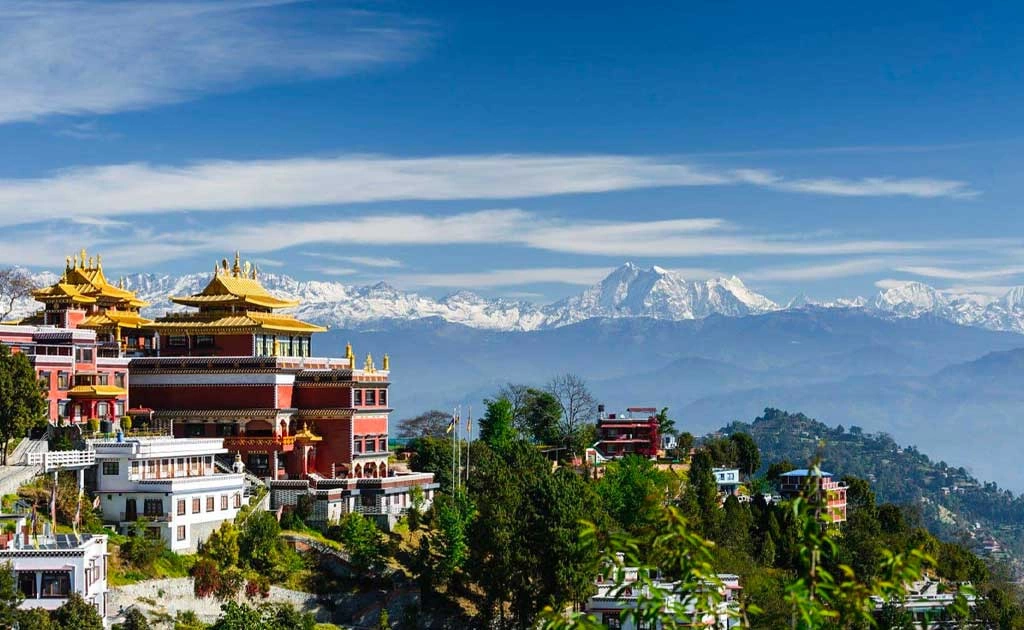
Wonderful Magar and Gurung villages - Enjoy walking through beautiful Magar and Gurung villages with terraced fields and stone houses, experiencing great local customs, as well as a wonderful warm welcome from Nepal’s mountain culture, while on a wonderful trek through rural Nepal.
Great Trekking experience on Limited Time - This is a perfect short Himalayan trek that has amazing mountain views and cultural interactions and teahouse comforts for those on a limited time want to have a meaningful and terrific trekking experience!
Wonderful Poon Hill Sunrise experience - Get up early and climb to 3,210 meters to see a wonderful sunrise view over a shining and glowing annapurna and Dhaulagiri, one of the great and amazing spiritual experiences available only in the Himalayas, and which brings trekkers back to Nepal.
Trek Through Amazing Rhododendron Forests - Enjoy the amazing views of incredibly colorful flowers in rhododendron forests with moss-covered trees and birds creating a magical trekking area which appears to be on another planet, especially when there are so many flowers blooming from March to April.
Discover Indigenous Magar Cultures and Traditions Spend time with the Magar people, learn about their traditions, architecture, and mountain lifestyle, and enjoy cultural exchanges through traditional meals and warm hospitality in their mountain villages.
Comfortable Teahouse Trail System ; Sleep in cozy teahouses that have meals, hot showers, and social warmth, enjoying comfort and connection with culture along Nepal’s best and friendliest trekking expedition.
Perfect Introduction to Himalayan : Trekking Enjoy an ideal beginner-friendly trek with moderate climbs and safe altitude for stunning scenery, all the while building your confidence, experience, and inspiration for future snowcapped hikes through the trails of the Himalayas.
| 1 | 2 | 3 | 4 | |
| USD 535 | USD 390 | USD 370 | USD 360 | |
| USD 625 | USD 480 | USD 460 | USD 445 |
Start From
Get personalised guidance for any Nepal adventure — with expert planning and safety support.
We offer expert advice, flexible options, and tailor-made itineraries.

The 3-day Poon Hill Trek was ideal for a short stay in Nepal. Watching the sunrise from the hill was a truly magical experience! Our guide was friendly, knowledgeable and made the experience enjoyable and easy. Himalayan Smile Treks did an excellent job. I highly recommend this company especially for beginners and travelers with limited time.
"Awesome little trek with phenomenal views! The trail was well paced and Himalayan Smile Treks made sure we were comfortable the whole time. Watching the Annapurna range at sunrise from Poon Hill is an experience I will never forget. Great hospitality, great experience, will definitely come back for a longer trek next time!"
This is a delightful place if the view is clear but a 400m climb from the nearest beds will make you disappointed if cloudy. The climb is up well maintained steps. It will cost 100Rs to enter the climb which I believe is a recent cost to maintain the site. There are toilets and a tower at the top as well as a monument detailing its history. Worth the climb if you are passing by.
Trekking to Poohill up to the hill before sunset and next morning to get sunrise, up there twice and you must be felt so small to this world, not only because you are in front of Himalaya. Date of experience: June 2018
Amazing, experienced the change of forest in different altitude ! Probably one of the highlight of my trip to Nepal, it took 4days3nights to finish the whole trekking. From Nayapul at 1050m sea level to Poon Hill 3210m sea level, different sea level offer the changes of forest tree species & views ! Date of experience: April 2019 Thank
Amazing In 2017 As first time, Me and my friend went to Nepal and Trek Poon Hill with Utsav. He was such an amazing guide, friendly and very knowledgeable mountain guide. He helped us all the way, I hope to get back soon and see him and his lovely family Show less Date of experience: May 2019
Hard but great I recommend you take a guide even if you will survive without to be able to explore the shortcuts, have someone who can manage your bookings while knowing the best places to go. Date of experience: May 2019
This involves as you have probably read getting up at 04.00 and trekking for just under an hour in the hope that the sky will clear and provide good views. You will be stood with about five to six hundred people chatting away, the odd pony which has brought up the really lazy ones and a coffee shop. This to me is not an idyllic experience. we got at 05.45, walked out of our front door, the guide brought us tea and we watched the most beautiful mountain scenery come to life with about ten other people, very peaceful and idyllic , I will definitely this trekking and company.
We are looking for short Annapurna trekking and we search internet, that time we found Himalayan Smile Treks Poon hill 3 days trek itinerary. This 3 days Poon hill trek is perfect for us. We decide to contact Himalayan Smile trek and we trustworthy and reliable company. We booked our first adventure trip to Himalaya. We met our guide in Pokhara hotel. The guide Pasang and Porter Shanker very friendly. He is very knowledgeable, encouraging and attentive company. Really thankful for Pasang and all the Himalayan Smile Treks team who made this one of the best experiences in my life. I advise to use Nepal Hiking Team for your treks in Nepal.
Me and my family willing to go short and interesting trekking in Annapurna region, we found 3 days poon hill trek. It looks quite interesting and match our schedule. We decide to contact Himalayan Smile Treks. The communication with Mr. KP Subedi was very professional and we felt in good hands from the very beginning. He provide us very completive family price and flexible trek itinerary and more trek route options for Poon hill trek. We decide to book trek with Himalayan Smile treks. The trek was fantastic. We had very good weather in Poon hill for sunrise with panoramic view of Annapurna and Dhaulagiri mountain range. Our guide Sabin and porter Krishna was wonderful people. He was tremendously friendly and helpful during and being a local to the mountains - knew most of the folk we passed on route! If you are planning a trekking for Annapurna region. I highly recommend doing this trek and doing it with Himalayan Smile Treks

$
$330.00
$
$575
$95
$390
$375
$
$250
$
$940.00
$
$300
$1010
$950
$260


↑
.png "NTB")
.png "Pata")