Price Table
| 1 | 2 | 3 | 4 | 5 | 6 | |
| USD 1460 | USD 1105 | USD 1090 | USD 1080 | USD 970 | USD 965 | |
| USD 1790 | USD 1435 | USD 1420 | USD 1320 | USD 1315 | USD 1310 |
Country
Nepal
Duration
14 Days
Maximum altitude
5545m
Activity
Trekking
Difficulty
Moderate / Strenuous
Best Season
September, October, November, December, February to April
Accomodation
Meals
Excluded
Start/End Point
Kathmandu

The Everest Base Camp Trek in December and January ranks among the most stunning and yet most challenging adventures in the Himalayas, offering brave trekkers a unique opportunity to enjoy superbly clear mountain views, as well as the experience of great solitude on trails that are normally crowded with people at other times. Winter trekking to EBC in these months entails freezing temperatures, snow-covered trails, and a few teahouses open. However, for those who are well-equipped, the benefits are fabulous.
Understanding the Everest winter conditions is very important before going on this winter EBC trek. The weather at EBC in December usually offers the most stable conditions, and the temperatures during the day are around 5°C to 5°C near Namche Bazaar, but they drop considerably as you go up. On the other hand, the EBC January temperature is a bit lower, but this drawback offers great visibility of the highest peaks and the clearest blue skies, which makes them look even sharper and more beautiful.
The Everest trek in cold weather is very demanding, and the first thing one has to do is to make a suitable packing list for the winter, which of course includes a sleeping bag rated for -20°C, an insulated down jacket, several thermal layers, and face protection from the cold winds. The winter Everest tour itinerary must have buffer days for bad weather delays and a trekking pace that is slower due to snow and ice. The majority of winter trekkers do the journey in 12-14 days, but it is advisable to include extra acclimatization days when your body has to work hard to keep the core temperature at altitude.
The December Nepal trekking route demands the same permits as during the other seasons: the Sagarmatha National Park permit and the TIMS card. During the winter months, flight availability to Lukla is very unpredictable, so it is necessary to incorporate flexibility into your schedule to manage potential weather-related delays efficiently.
According to real trekkers, the Khumbu Region in winter shows an otherworldly beauty that hardly ever appears: one can see frozen waterfalls, hear prayer flags crackle against the cold wind, and experience the deep quietness that comes when the snow covers all the valleys. The difficulties are significant: very low temperatures, the danger of frostbite, and delays on flights to Lukla, but trekkers who are well-equipped and trained always consider winter as their most unforgettable experience among the Himalayas. Moreover, as there are no tourists, the visitors can spend more time in close contact with Sherpa families and lodge owners who kindly and patiently provide them with stories and cultural insights
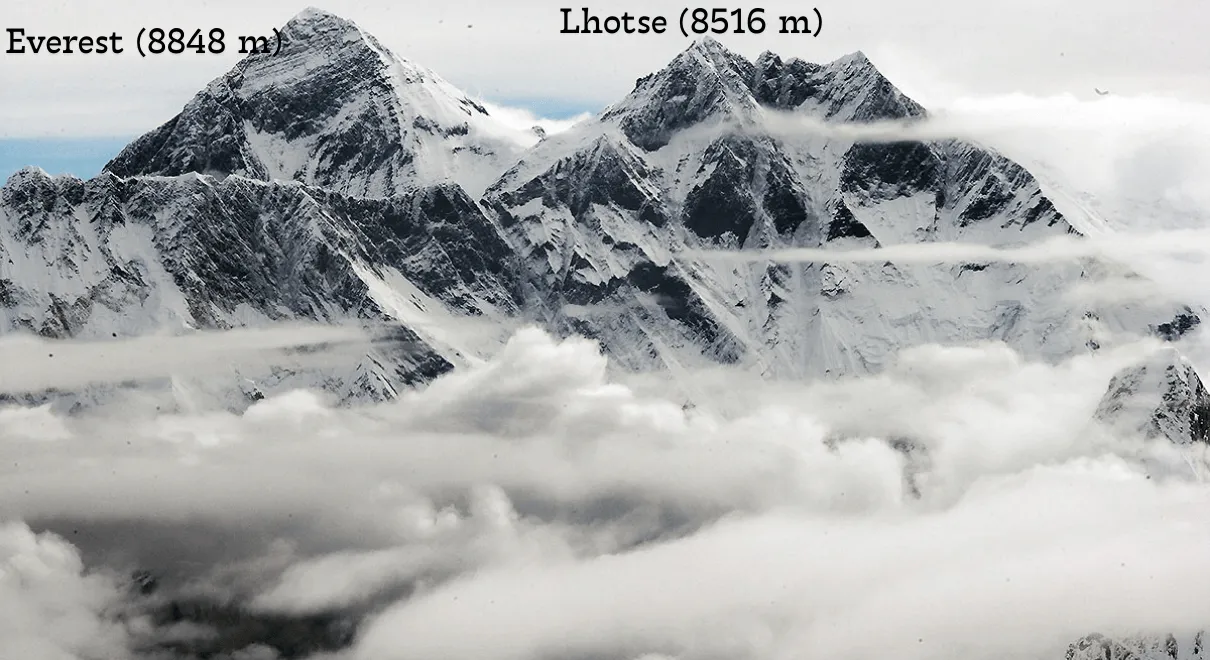
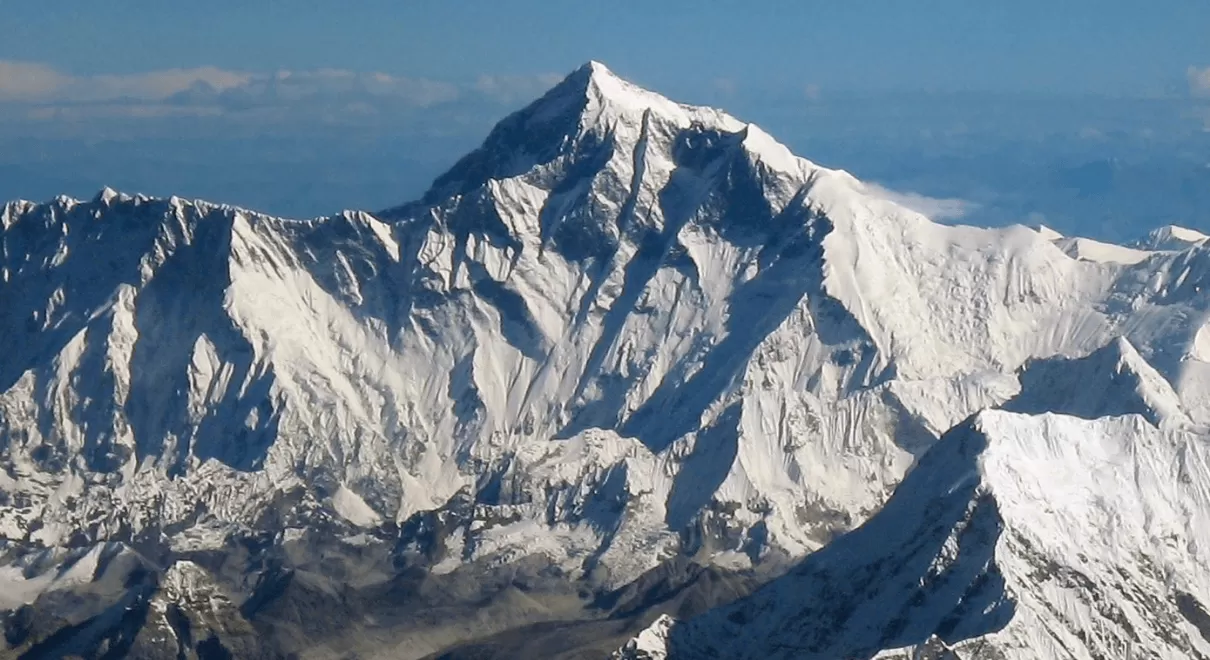
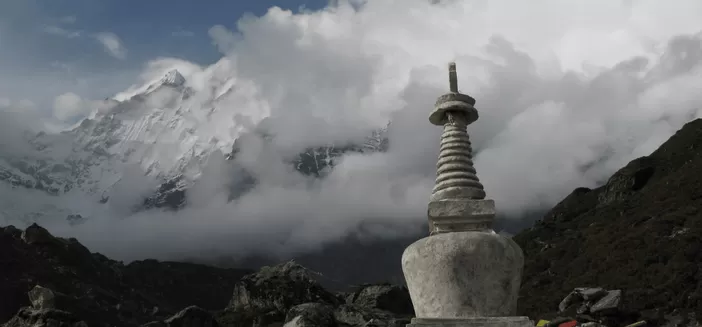
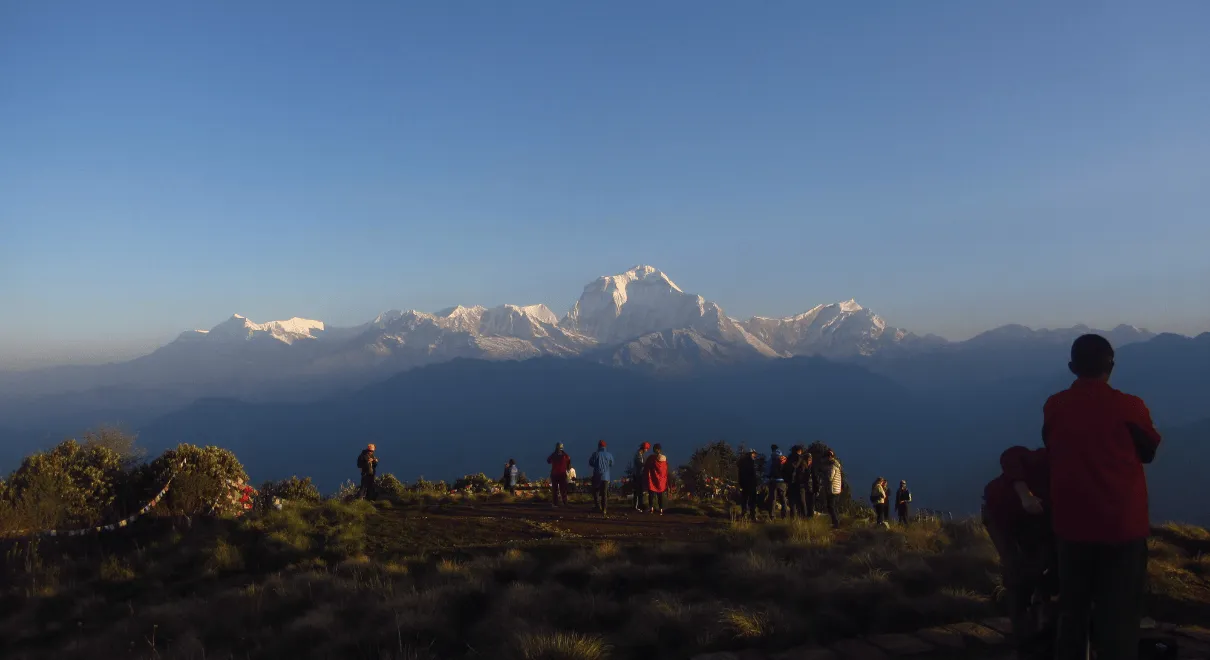
Enjoy unprecedented visibility during the winter season when crystal-clear skies present breath-taking and unobstructed views of Mount Everest, Lhotse, Nuptse, and countless Himalayan giants, including the majestic Ama Dablam, bathed in their most pristine colors.
Enjoy the quiet ambience of trekking with fewer crowds, which are fewer during winter due to fewer trekkers, and have a more authentic cultural experience interacting with the Sherpas.
Reach the legendary Everest Base Camp, at the foot of the highest mountain peak in the world, and fulfill your mountaineering ambitions amidst the majestic Khumbu Icefall and ice cliffs.
In witness to the most spectacular sunrise panorama, climb to the top of Kala Patthar, which gives unbeatable views of Mount Everest bathed in the golden light of first light.
Hike through the majestic Sagarmatha National Park, which is also a World Heritage Site, and witness the varying landscapes, ranging from forests of rhododendron to high-altitude glacial areas during winter.
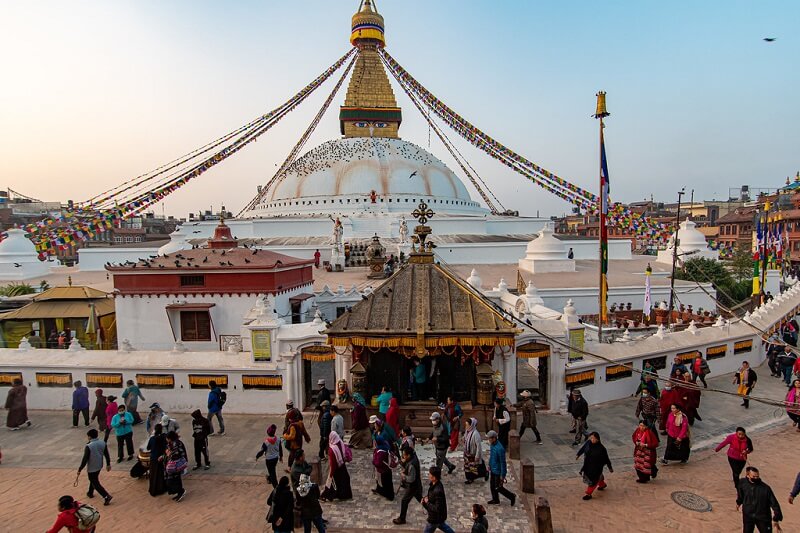
Go to the largest and most revered Buddhist monastery in the region, Tengboche, and take part in the unforgettable prayer ceremonies while basking in the mountain views amidst winter silence.
Experience the true Sherpa hospitality and culture, and indulge yourself in the villages of Namche Bazaar, Pangboche, and Dingboche, and learn about the rich mountaineering history.
Capture breathtaking winter scenes with snow-dusted treks, ice-covered waterfalls, pristine white mountain ranges, and colorful prayer flags against a deep blue sky—making once-in-a-lifetime photographs of Himalayan splendor
| 1 | 2 | 3 | 4 | 5 | 6 | |
| USD 1460 | USD 1105 | USD 1090 | USD 1080 | USD 970 | USD 965 | |
| USD 1790 | USD 1435 | USD 1420 | USD 1320 | USD 1315 | USD 1310 |
Start From
Get personalised guidance for any Nepal adventure — with expert planning and safety support.
We offer expert advice, flexible options, and tailor-made itineraries.

Name: Email: City/Country: , Review: Winter trekking to Everest Base Camp was wonderful. The journey was unforgettable with clear skies, silent roads, and stunning snowy views. The cold was harsh, but our guide was always there with his support and encouragement. If you are someone who loves trekking in silence with no crowds around December is the time for you!
The winter EBC trek was an amazing experience for me! January presented the best mountain views I have ever encountered. It was freezing, but the teahouses were warm and comfortable. Our guide made sure we were always well-prepared. A great adventure for winter people.
Winter EBC trekking presented the possibility to have, so to speak, the whole world to oneself when it comes to the snow-covered landscape, as the trail was very quiet. The cold was very bad, but it was not totally unbearable thanks to our good gear. Plus our guide was great, and he/she really made the trip unforgettable and at the same time safe.
Trekking in December was magical—snow-covered scenery, fewer crowds, and beautiful sunsets. The route was tough but rewarding. The guide took care of us and made sure each moment was safe and nice. A lovely winter experience.
January’s clear skies made every mountain view incredible. The cold nights were worth it for peaceful trails and amazing scenery. An excellent guide and a well-managed trekking experience by Himalayan Smile Treks.
Breathtaking was the winter EBC trek. Snow-dusted paths and peaceful teahouses were the special things. The guide was informed and helpful all the time during the trip. It is a great place for people who want both beauty and isolation.
Winter trek to EBC was freezing but wonderful. Unobstructed mountain vistas, tranquil paths, and friendly locals turned the journey into a lifetime experience. Our guide was managing everything in an ideal way. Strongly suggested.
The winter landscape was beautiful—snowy trails, empty towns, and the sight of Everest turned out to be great. Trekking in January was tranquil and secure, as our guide was very skilled. An extraordinary winter experience!
The winter EBC trek was amazing. Cold mornings turned into beautiful, clear skies. The path was quiet, and our guide made sure we were always warm and safe. Unbelievable experience.
The January hike gave us splendid views. The snowy scenery was like a fairy tale, and our guide kept us supported all the time. Even with the frost, the trip was easy and cozy. A lovely winter hike.
Unforgettable was the winter trek to the Everest Base Camp. The mountain views with the clear skies and snow were amazing and unbelievable. The warmth of the teahouses and the help of our guide made it all very smooth and fun.
The trek to EBC in December was a tranquil experience with gorgeous views of snow-covered peaks. With the right equipment, the cold weather was tolerable. Himalayan Smile Treks did a perfect job in organizing everything, and we had a great guide.
The January EBC trek was amazing. Perfect trekking conditions were created by the bright visibility, valleys filled with snow, and deserted paths. The guide team was very attentive to our needs. An excellent experience of trekking in winter.
It was a spectacular experience trekking to Everest Base Camp in winter. The unique aspects of the trip were the snowy peaks, tranquil mornings, and the lack of people on the trails. The very low temperatures were tough, but the heated lodges were a big help. wonderful winter adventure.
The December EBC trek was among my top adventures. Amazing winter scenery all around. It was cold but bearable. Our guide took care of our safety and comfort. Winter trekking in Nepal is a must-do activity, and I will certainly recommend it.



↑
.png "NTB")
.png "Pata")