Price Table
| 1 | 2 | 3 | 4 | 5 | 6 | 7 | 8 | 9 | 10 | |
| USD 1330 | USD 930 | USD 990 | USD 890 | USD 880 | USD 855 | USD 860 | USD 780 | USD 770 | USD 755 | |
| USD 1450 | USD 1050 | USD 1100 | USD 1000 | USD 990 | USD 975 | USD 970 | USD 900 | USD 895 | USD 875 |
Country
Nepal
Duration
10 Days
Maximum altitude
3210 m
Activity
Trekking
Difficulty
Easy / Moderate
Best Season
September to May
Accomodation
Mountain Lodge
Meals
Excluded
Start/End Point
Pokhara

The Tihar Festival of Lights & Annapurna Trek offers a special way to experience Nepal, combining the beauty of the Himalayas with one of the country’s major festivals. Travelers can join in the Tihar festival of lights and take a scenic trek through the Annapurna region. This trip is an excellent option for anyone seeking to experience both local culture and mountain adventures. Tihar, which is similar to Diwali, takes place in autumn and brings villages and cities to life with lights, music, and rituals that show Nepal’s rich spiritual traditions.
The Tihar Festival of Lights and the Annapurna Trek both highlight the harmony among nature, people, and tradition. During Tihar, people honor animals like crows, dogs, cows, and oxen to show respect for all living beings. The festival ends with Bhai Tika, a celebration of the special bond between brothers and sisters. Participating in these traditions while trekking through the Annapurna region transforms an ordinary trip into a rich cultural experience and a memorable Himalayan festival adventure.
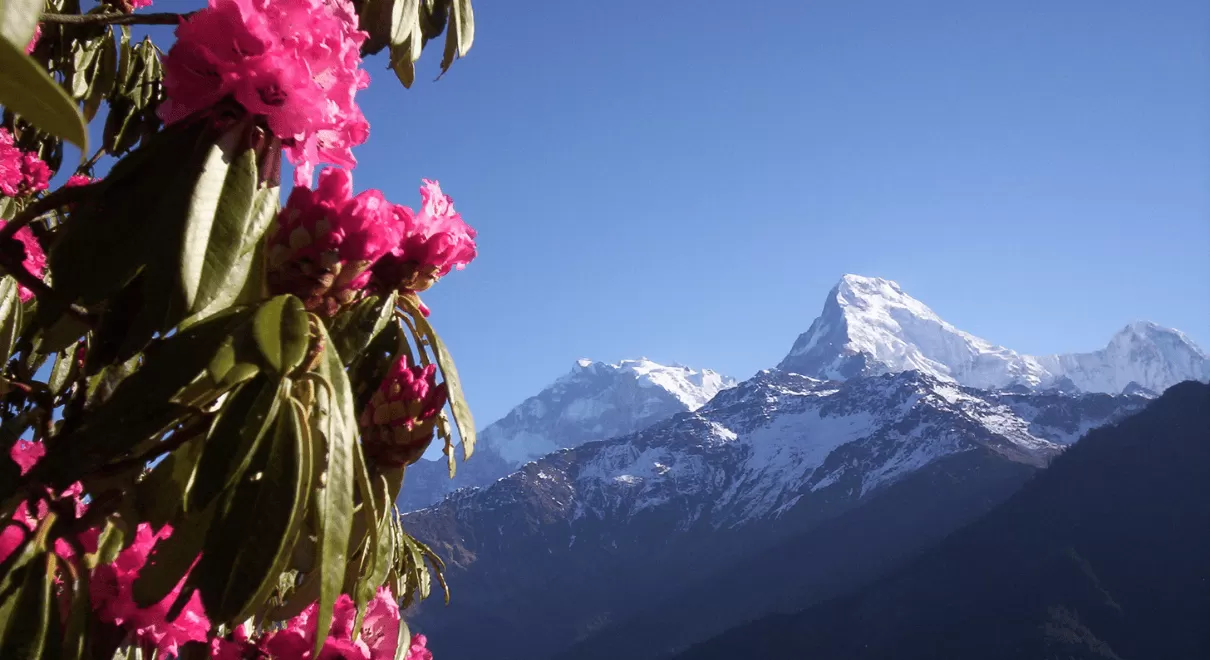
The Tihar Festival of Lights & the Annapurna Trekking tour typically begin with the Kathmandu Tihar event, where oil lamps, flowers, and colorful mandalas are the main attractions in homes. Travelers after that move to Pokhara for the much-expected festival tour, which is relaxing before the start of the famous Annapurna Poon Hill trek. The route not only takes you through lovely settlements but also through rhododendron gardens to reach Ghorepani. The sunrise trek to Poon Hill is the main attraction, where one can simultaneously enjoy the beautiful Himalayan views and the serenity of the festival season. This Ghorepani Tihar trek route is of moderate difficulty, well-marked, and suitable for both novices and experienced trekkers.
From a professional and hands-on point of view, the Tihar Festival of Lights and the Annapurna Trek deal with the actual trekkers’ issues. The festival season can result in overcrowded routes and scarce hotels, but good organization will take you through comfortably. Based on the local expertise, this Tihar trekking package has advanced lodge reservations and flexible itineraries, including Bhai Tika, which are to be used in order to avoid delays. Real trekkers’ feedback reveals that trekking with Tihar significantly improves cultural learning and also the overall satisfaction of the trek.
The Tihar Festival of Lights and the Annapurna Trek, which are especially precious, are in sync with traveler search intent, which makes them valuable. It combines short trekking days, rich cultural interactions, and magnificent Himalayan views in one trip. Such a trip would surely provide travelers looking for the Nepal Diwali trek, the Bhai Tika celebration trek, and the like of the Nepal cultural trekking package with unforgettable experiences. The Tihar Festival of Lights and Annapurna Trek is not simply a trek but a festival of light, tradition, and the everlasting beauty of the Annapurna Himalaya.
Join the entire spectacular five-day celebration of lights in Nepal starting from Kathmandu and ending in the countryside. Be part of the holy Laxmi Puja, enjoy Deusi-Bhailo plays, and witness the real Bhai Tika rite together with an indigenous mountain-people family.
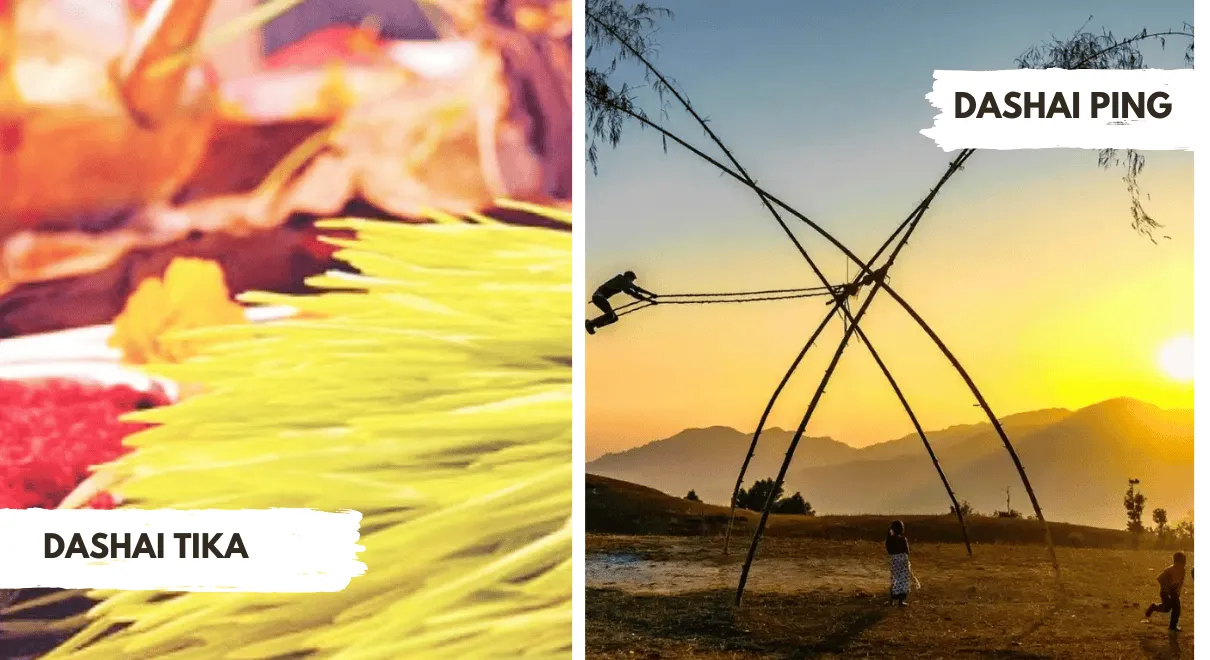
Rejoice the holy relationship between brother and sister with the classic Bhai Tika ritual in Birethanti village located at the beginning of the trek. Get the seven-color tika blessings from the villagers and enjoy the unforgettable experience of being part of the local culture in the Himalayan foothills.
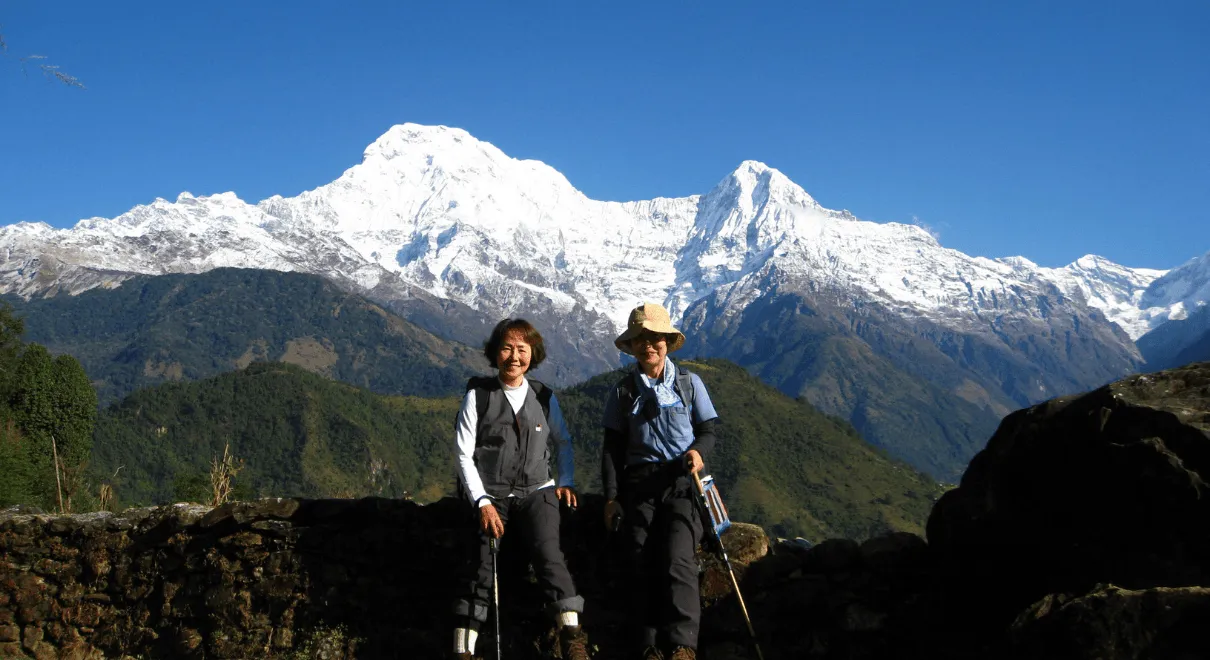
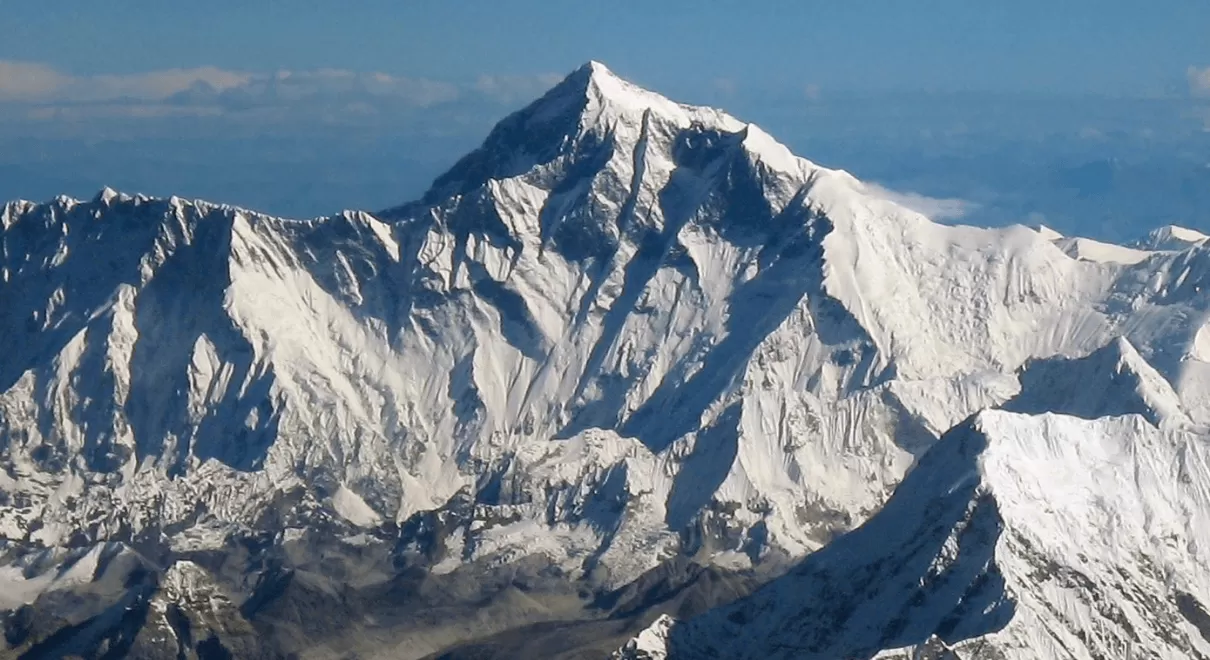
The dawn breaks with great splendor and the first light of the day can be seen from the Poon Hill viewpoint situated at an altitude of 3,210 meters. Witness the majestic Dhaulagiri, the Annapurna massif with its highest peak, Machhapuchhre or Fishtail and other huge mountains of the Himalayas getting their golden hue with the sunrise.
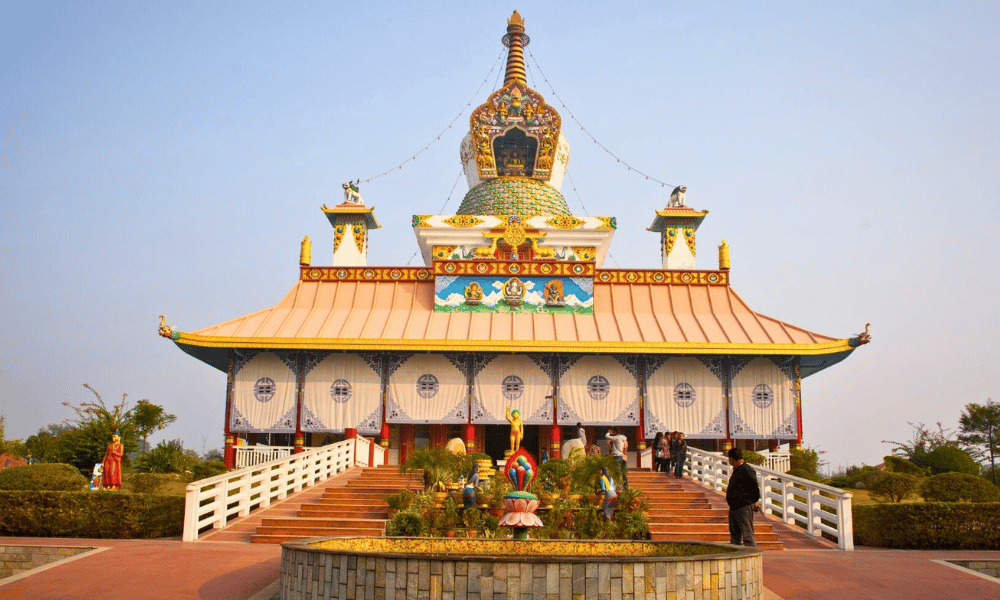
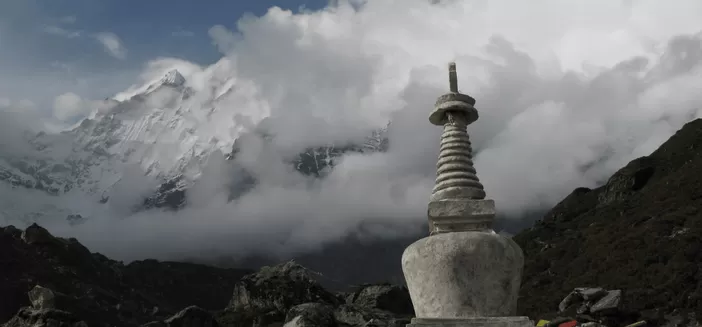
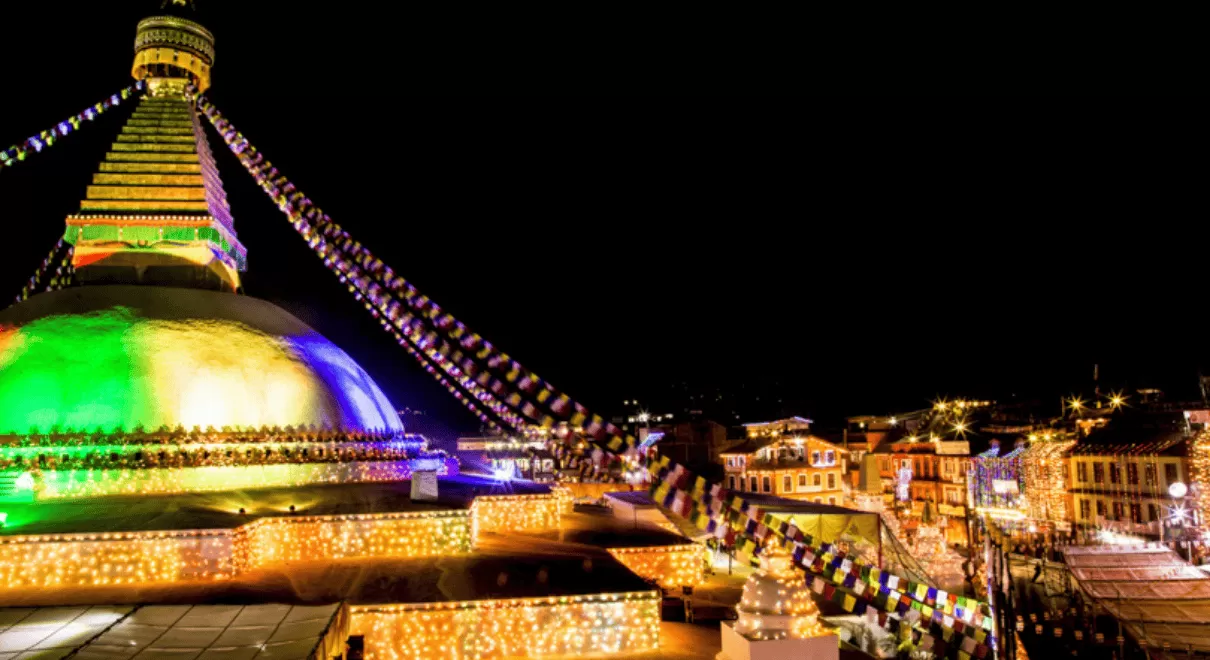
Discover the ancient treasures of Kathmandu Valley such as Swayambhunath Stupa, Kathmandu Durbar Square, and optional excursions to Patan, Bhaktapur, Boudhanath, and Pashupatinath. Unveil the secrets of the past through the ancient temples, palaces, and living cultural traditions of the valley.
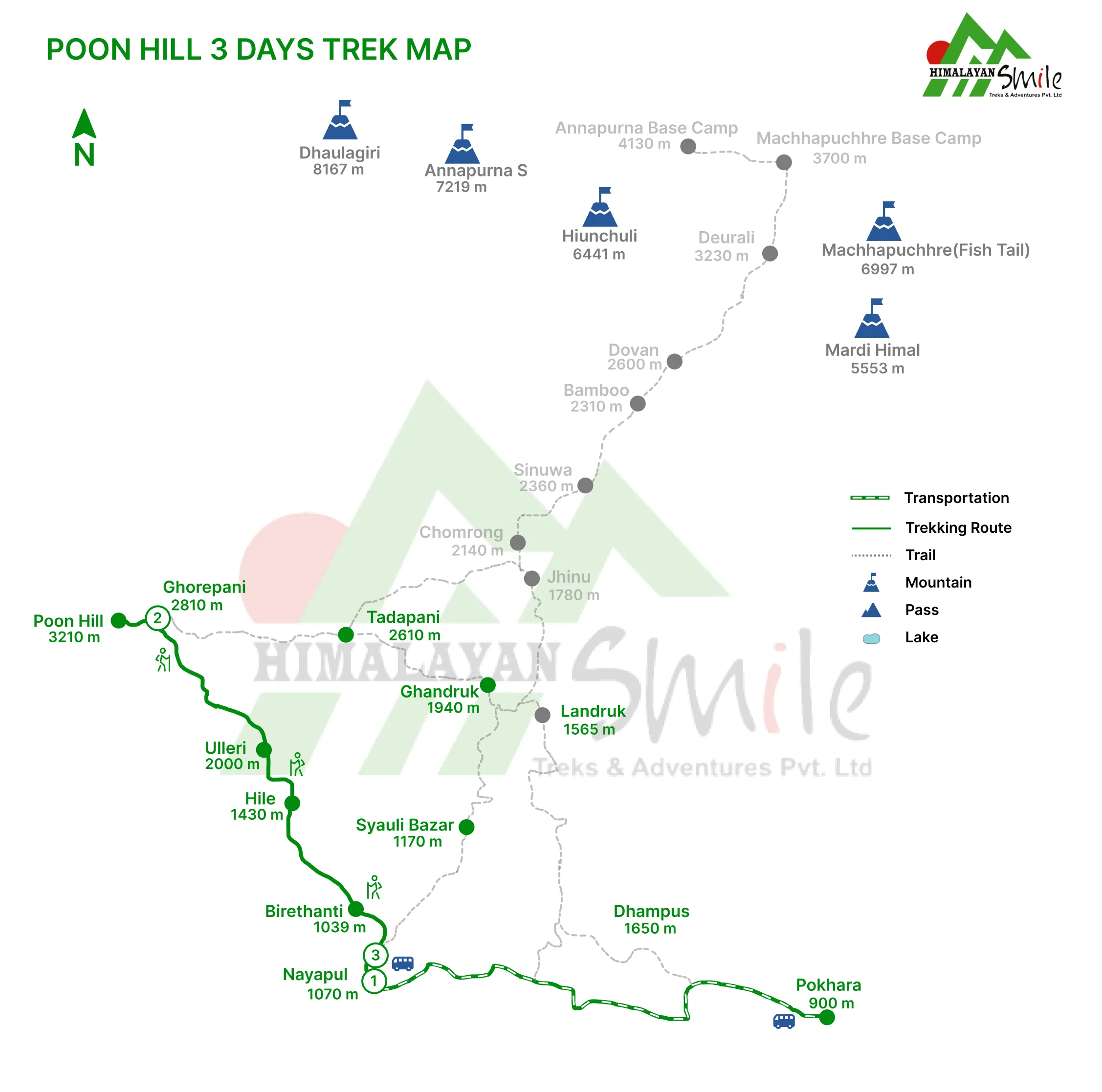
Hike through the Gurung and Magar villages of Ulleri, Ghorepani, Tadapani, and Ghandruk, which are still traditional areas. Spend the night at the tea houses run by the locals, share your meals with the people from the area, and get to know the real Himalayan hospitality and the old mountain customs.
This is an absolute wonderland for both absolute beginners and very experienced trekkers. A total of 4 days will be spent trekking at a moderate pace through the jungles of rhododendron trees, over terraced fields, and along the mountain paths. No technical skills are necessary—the only requirements are good fitness level and a bit of adventurous spirit.
Tihar's charm is experienced in two different places: the lively old streets of Kathmandu decorated in a lavish way and the quiet lakeside of Pokhara lit up with thousands of oil lamps whose light is mirrored on the peaceful waters of Phewa Lake.
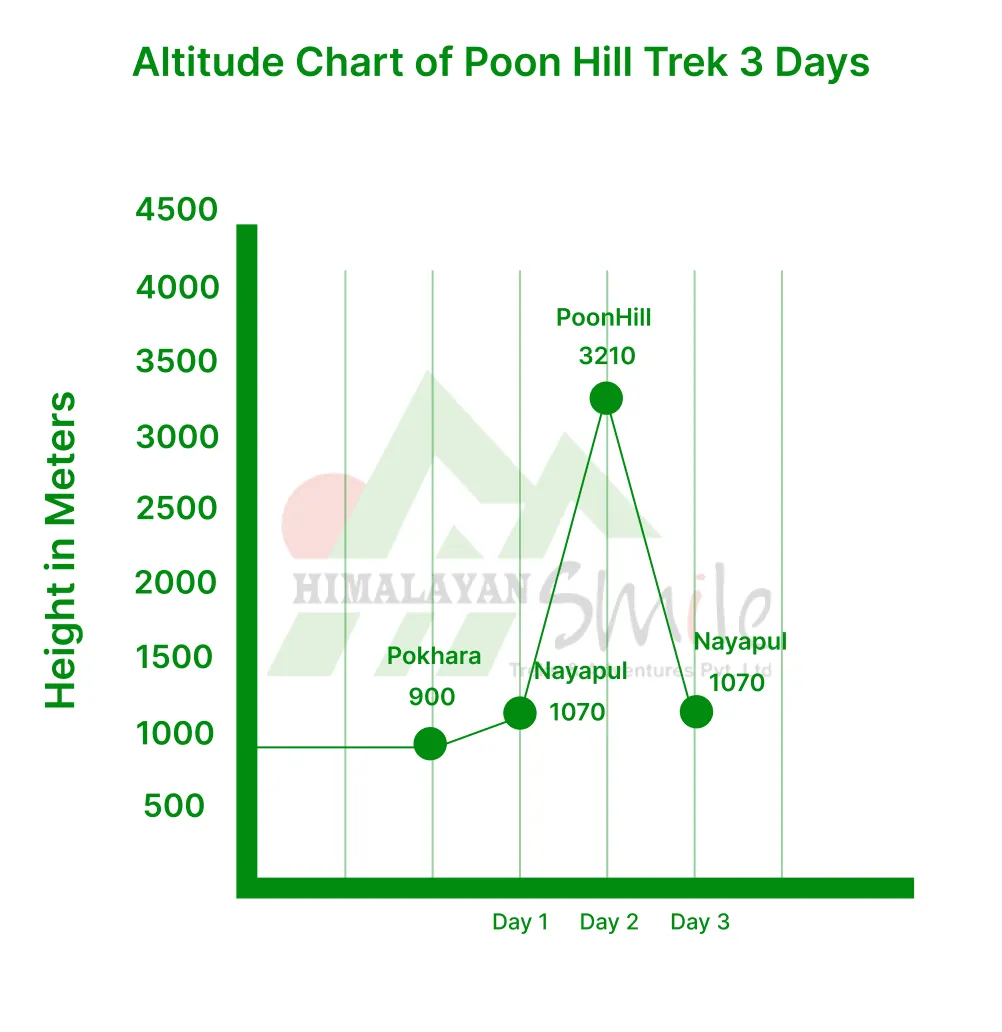
Embark on a trip through the subtropical Pokhara, which is 822 meters high, up to the snow-capped Poon Hill, which is 3,210 meters high. Experience the shifting of the landscape, different types of plants and animals, and the entire diversity of Nepal in one small adventure.
| 1 | 2 | 3 | 4 | 5 | 6 | 7 | 8 | 9 | 10 | |
| USD 1330 | USD 930 | USD 990 | USD 890 | USD 880 | USD 855 | USD 860 | USD 780 | USD 770 | USD 755 | |
| USD 1450 | USD 1050 | USD 1100 | USD 1000 | USD 990 | USD 975 | USD 970 | USD 900 | USD 895 | USD 875 |
Start From
Get personalised guidance for any Nepal adventure — with expert planning and safety support.
We offer expert advice, flexible options, and tailor-made itineraries.

Getting to experience the Tihar festival while trekking in Annapurna was a dream come true. The lights, music, and rituals in the villages gave a rich cultural meaning. Besides, the mountain views made this trek warm, joyous, and unforgettable.
The Tihar Festival was an amazing highlight of our Annapurna trek. The colorful decorations, the friendly locals, and the peaceful trails made it a perfect blend of culture and nature. I hugely recommend this unique experience in the Himalayas.
Trekking in Annapurna during Tihar was a luxurious experience. It was happiness, traditions, and emotions all at once, and a really touching and unforgettable journey in the mountains!
This trail was the best way to mingle holiday culture with Mother Nature's most beautiful gifts. The Tihar festival in the foothills, the tranquillity of the dirt roads, and the spectacular Annapurna scenery all contributed to a really enriching experience.
It was a great experience to celebrate Tihar in the Annapurna trekking area. The candles, the blessings, and the cheerful people made the trip more pleasant, and the mountains seemed to be more holy than usual because of the festival.
The Tihar Festival was a big factor in the change of our Annapurna trek from good to great. A loud and colorful background with few people around and splendid nature made a tranquil and at the same time happy Himalayan experience.
Trekking in Annapurna during Tihar was a great experience. The traditional festivals, the shining oil lamps, and the hospitable people made the cultural dimension of the beautiful mountains even greater.
Combining Tihar festivities with trekking to Annapurna was the most beautiful thing to do. The culture, the tranquillity of the paths, and the magnificent sights of the mountains were the highlights of this exceptional journey.
Trekking in Annapurna at the time of Tihar was like a fairy tale. The lights in the evening, the rituals in the villages, and the magnificence of the Himalayas were all together giving rise to an experience of happiness, contemplation, and a link with the culture.
The festival trek was nothing short of amazing. The warmth and the meaning of Tihar in the mountain villages during the trek to admire Annapurna surpassed the beauty of the landscapes themselves.
Tihar time was a peaceful and vibrant encounter in the Annapurna trek. Cultural rites, the warm-hearted people, and breathtaking mountains were the things that made the Himalayan trip well-rounded and unforgettable.
The Tihar Festival was the main attraction of our Annapurna trekking trip. The shining lights, the music, and the local people's way of celebrating together with nature and trekking were such a wonderful experience!
Celebrating Tihar during the Annapurna trek was very nice. The festive atmosphere, sharing of cultures, and the views from the mountains all contributed to making memories that I will keep forever.
This trek provided not only beautiful sights but also Tihar festivities that brought vibrancy, significance, and bonding to the Annapurna journey. Amazing and broadening experience.
A trekking experience in Annapurna during Tihar was a beautiful and peaceful one. Festival lights, amiable villagers, and mountain trails offered a great mix of culture and adventure.
It was rather extraordinary to have the Tihar Festival experience together with the Annapurna trek. The cultural warmth, the silence of the trails, and the beautiful Himalayan mountain views turned it into a delightful experience.



↑
.png "NTB")
.png "Pata")