Country
Tibet
Duration
13 Days
Maximum altitude
6714m.
Activity
Tour and Trek
Difficulty
Challenging
Best Season
September to October
Accomodation
Mountain Lodge and Hotel
Meals
Included
Start/End Point
Lhasa / Gyirong

Lhasa Mount Kailash Tour commences with a short, scenic flight to Lhasa city. We spend the first few days are spent in Lhasa that help us to absorb with the atmosphere. In Lhasa, we will visit many sights of historical interest. Then we commence our overland trip to Sangsang via Gyantse, Shigatse and Sakya. From Sangsang we have a choice of taking either the Northern or the Southern highway to Mt. Kailash, returning on the other route. This pilgrimage tour takes 20 days.
What Is the Best Time to Do a Lhasa Mount Kailash Tour?
Planning a Lhasa Mount Kailash Tour starts with one essential question: when should you go? Timing shapes everything from road access to visibility of the sacred peak, so travelers researching a Tibet Kailash tour need clear, practical facts before booking.
Tibet's climate varies dramatically by season, and choosing the right window makes your Mount Kailash pilgrimage far more comfortable. Broadly, the region experiences four seasons, but only two offer favorable travel conditions for a Lhasa to Kailash journey.
Best time, in terms of weather
For a Kailash kora trip, May to October is usually the best stretch. Days are not too hot, the land is easier to walk on, and the routes do not get blocked by snow. Rain is also limited, except for the late July and August monsoon period.
Top month window for a Lhasa to Mount Kailash trip
If you want the most comfortable days, aim for late April through early June. Another good choice is September through October. These months miss the heavy rain season and also avoid the cold of winter. That makes them a safer bet for a spiritual journey in Tibet.
Best time to see Kailash clearly
Kailash looks sharpest when the sky is steady. September and October are usually the best windows. After the monsoon, the air feels dry and crisp. From there, views along the Mount Kailash Manasarovar tour route tend to be much better.
Best months for first timers
If you are new to this trek, pick May, June, or September. These months often feel easier than the peak season. The weather stays more bearable. You also get fewer crowds. That combination can make a Kailash trekking tour simpler for beginners.
When not to go
Winter can be very harsh, with biting cold. Roads may also shut down for long stretches. July and August bring heavy monsoon rains. That can lead to slippery paths and landslide risks on mountain routes. For this reason, those months are not a good fit for your Tibet pilgrimage package.
Plan early. Try to book your permits about two months before you travel.
When you get to Lhasa, set aside two days to get used to the altitude before you head out.
Also, pick your travel dates based on the season you want. That helps your Lhasa sightseeing trip go more smoothly.
For the Mount Kailash part, the best time is usually from May to October.
If you want the best balance, September is a solid choice. The views are often clearer, and it is usually easier to get around.
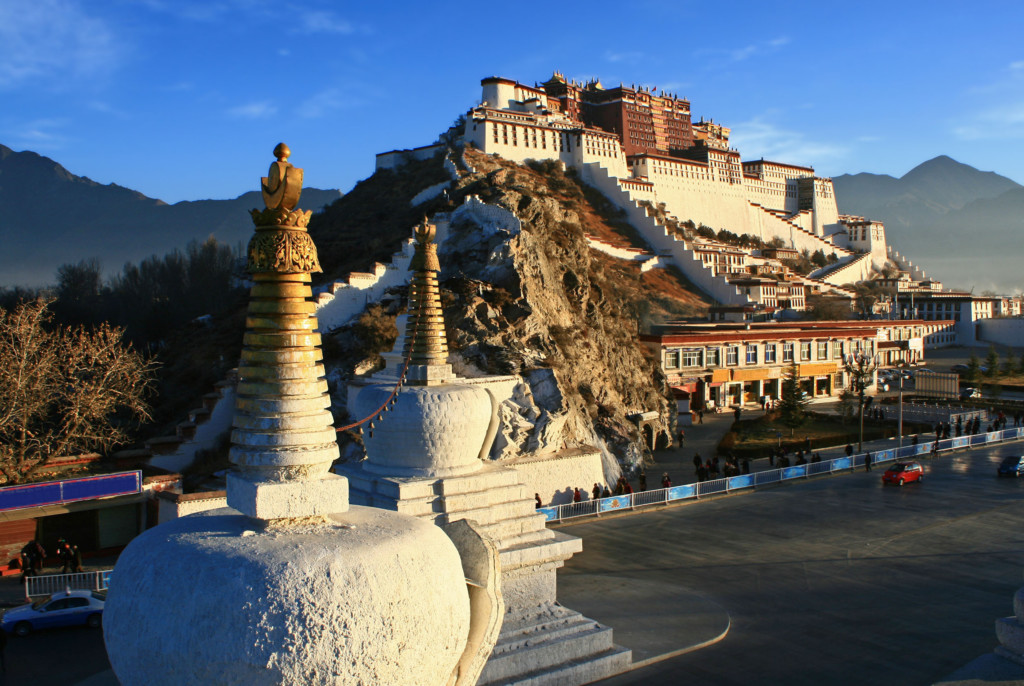
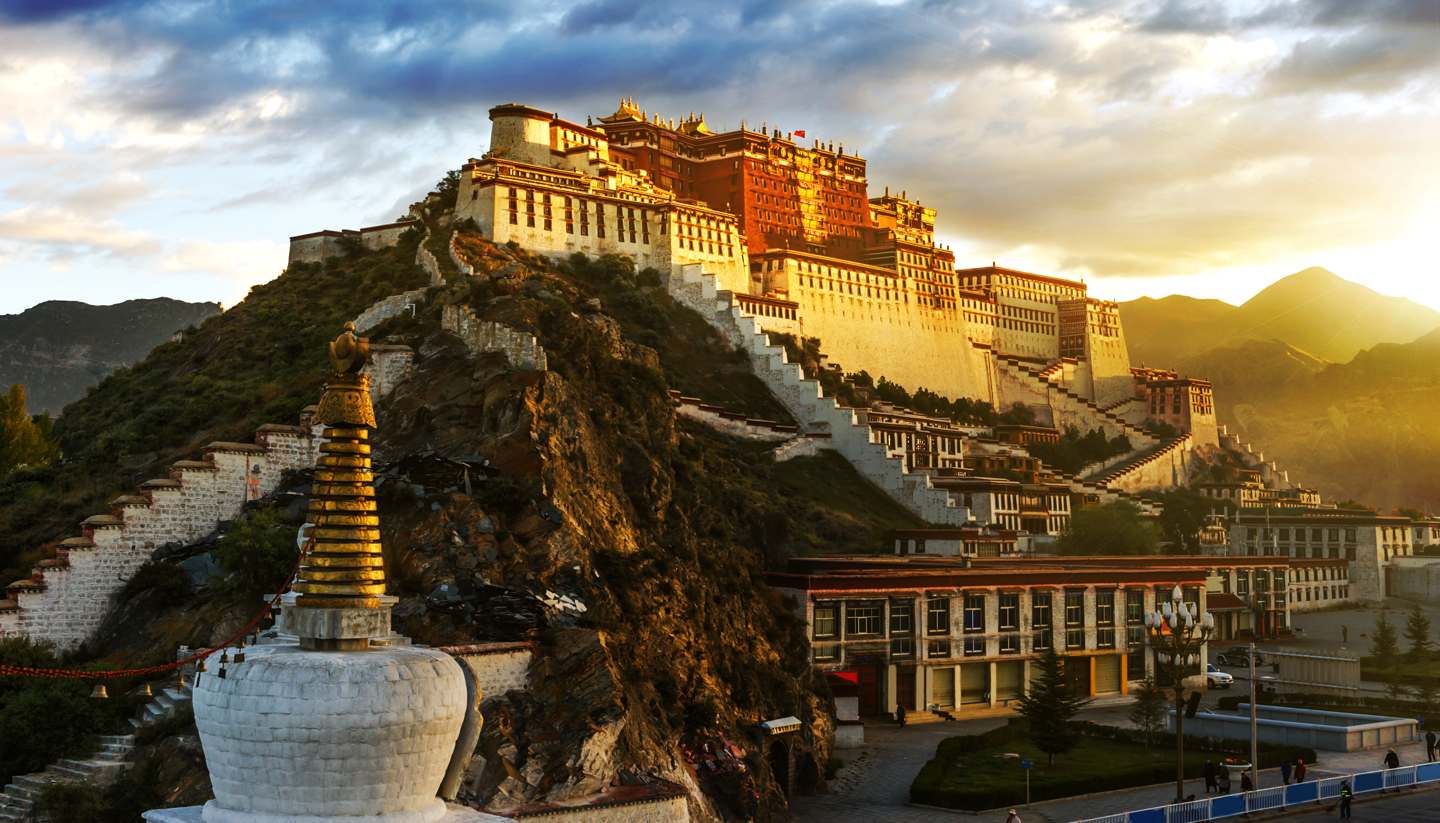
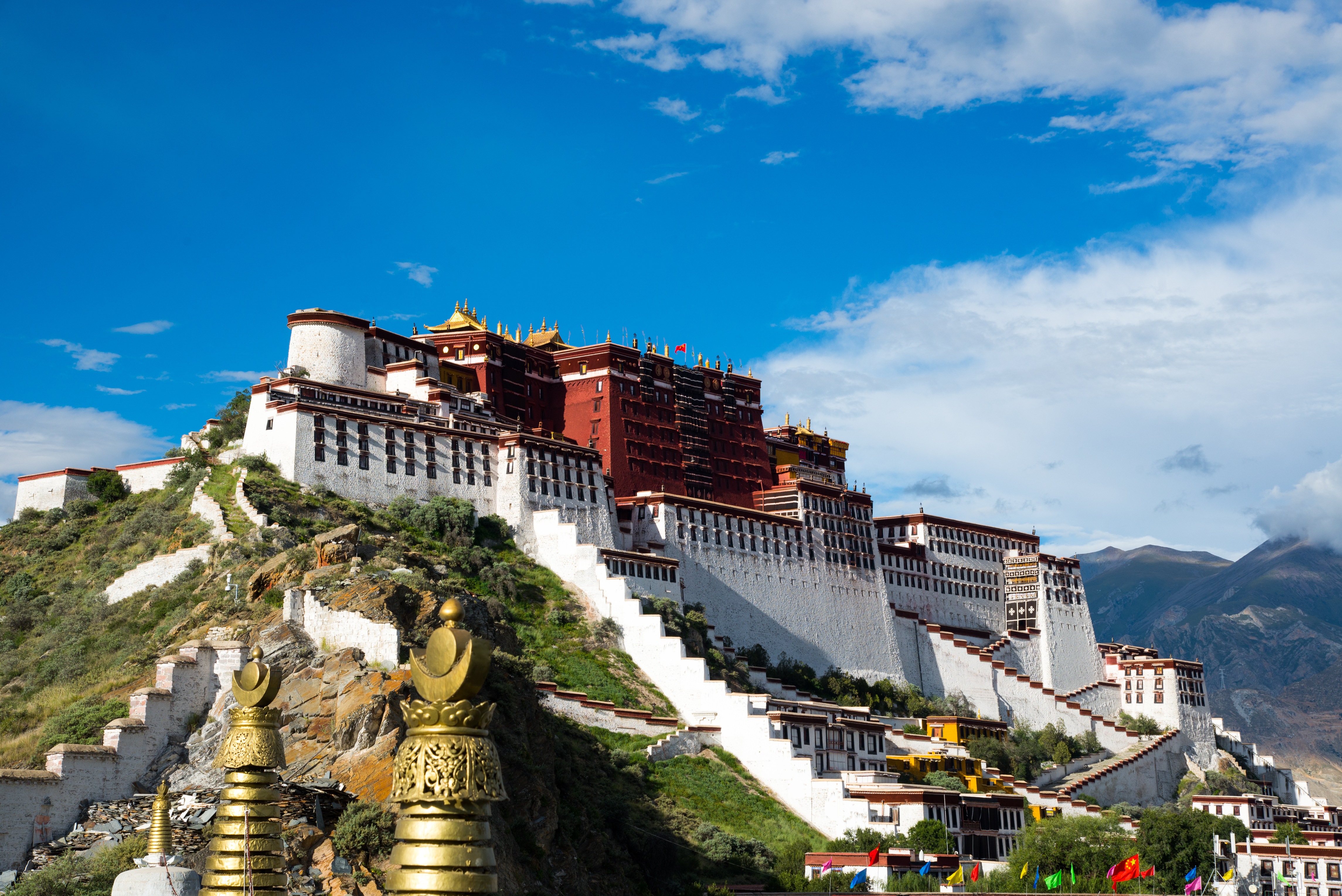
Potala Palace. See the old home of the Dalai Lama. This UNESCO site has beautiful buildings. It also holds sacred relics. From here you can take in wide views.
Lake Manasarovar. Go to this holy water and bathe. Many people say it clears away past sins. You will also get your first clear sight of Mount Kailash.
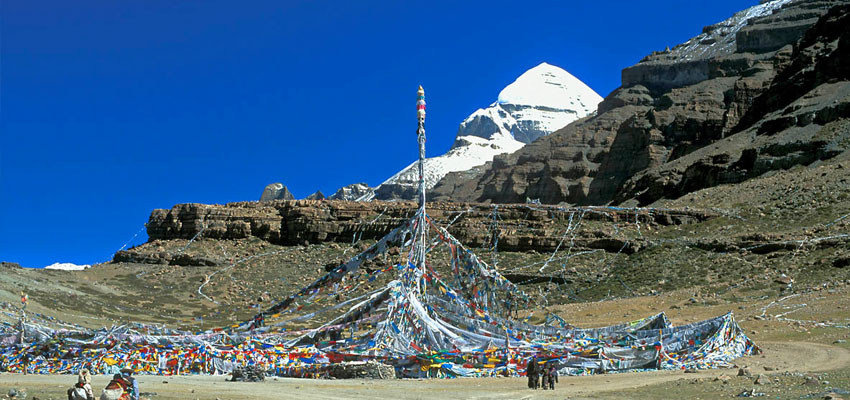
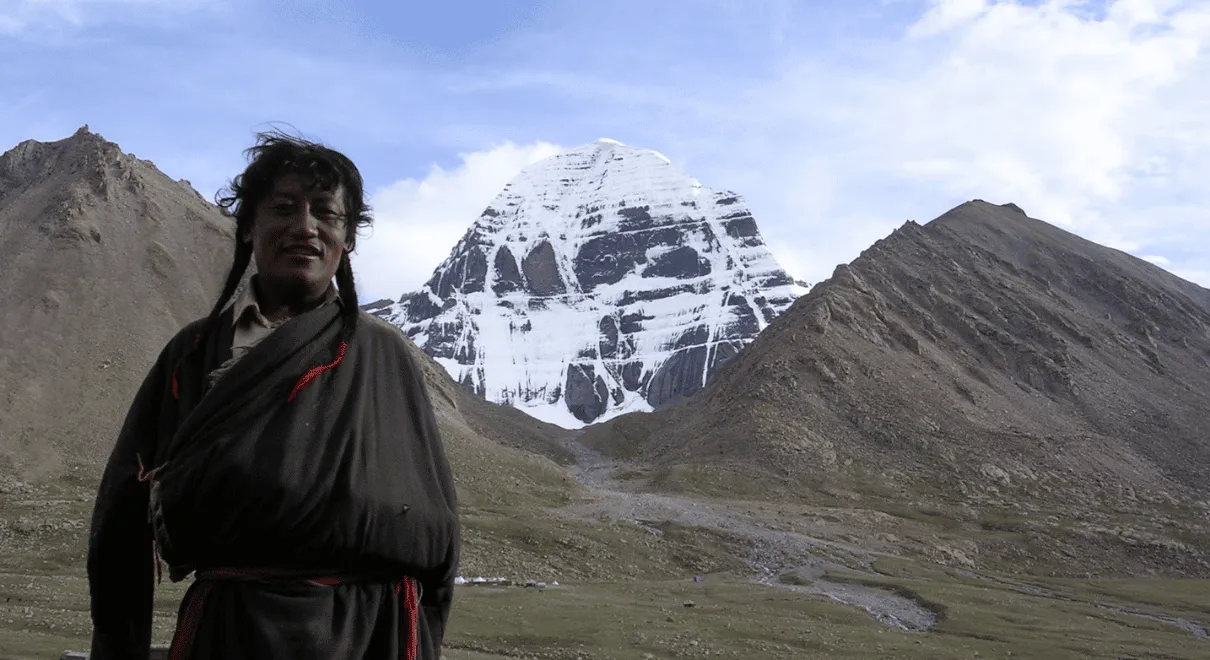
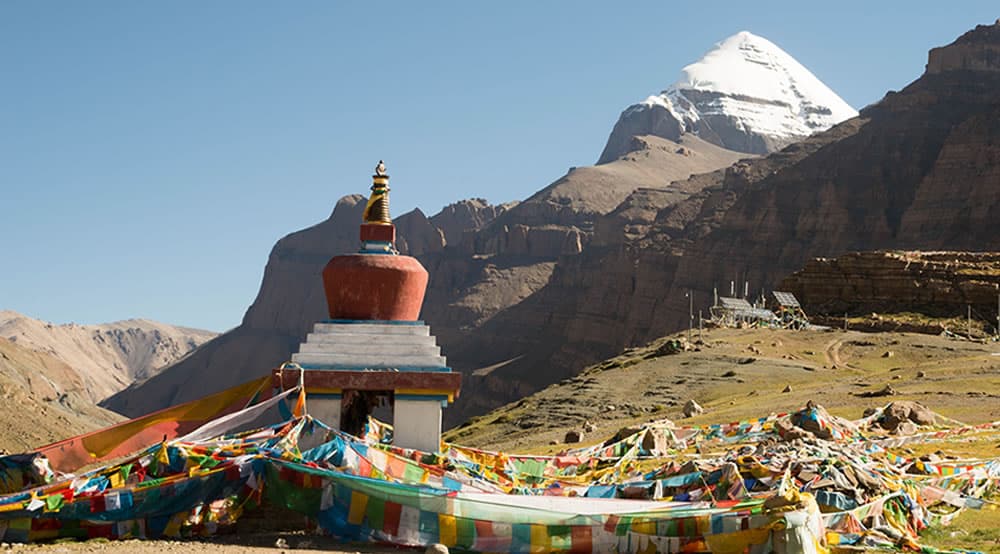
Mount Kailash Kora. Do the full 52 km loop around Kailash. This path is part of a sacred pilgrimage. You will cross Dolma La Pass. It sits at 5,630 meters. The climb is tough but it is part of the route.
Yamdrok Lake. Stop and look at the bright blue turquoise water. View it from Kamba La Pass. The lake sits under high Himalayan peaks. Snow is common on the surrounding mountains.
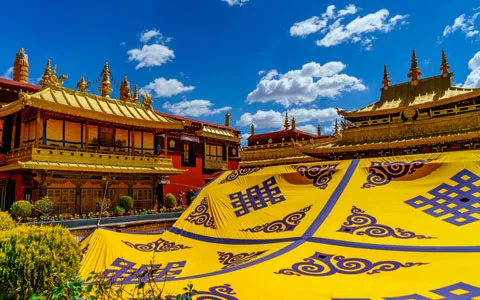
Jokhang Temple and Barkhor Street. Spend time at the spiritual center of Tibetan Buddhism. Watch pilgrims pray and walk around. Then head to the nearby market lanes. You can browse many lively stalls.
Start From
Get personalised guidance for any Nepal adventure — with expert planning and safety support.
We offer expert advice, flexible options, and tailor-made itineraries.

The Lhasa Mount Kailash Tour was an unforgettable journey through Tibet. Visiting Lhasa first gave us time to explore the Potala Palace, Jokhang Temple, and other important cultural sites before traveling toward Mount Kailash. The landscapes became increasingly spectacular as we crossed the Tibetan Plateau. Our guide was knowledgeable, organized, and helpful throughout the journey. The visit to Lake Mansarovar and the views of Mount Kailash were truly remarkable. Himalayan Smile Treks managed the transportation, accommodation, permits, and itinerary very professionally, making the experience comfortable and memorable.
Our Lhasa Mount Kailash Tour was a remarkable cultural and high-altitude adventure. We enjoyed exploring Lhasa and learning about Tibetan history and Buddhist traditions before continuing toward Mount Kailash. The journey across the vast Tibetan Plateau offered breathtaking scenery, mountain passes, and peaceful landscapes. Lake Mansarovar was especially beautiful, and seeing Mount Kailash in the distance was a memorable moment. Our guide provided useful information throughout the trip and helped us understand the local culture. Himalayan Smile Treks organized the journey smoothly and professionally.
The Lhasa Mount Kailash Tour was one of the most memorable journeys I have experienced. Starting in Lhasa was an excellent way to become familiar with Tibetan culture and altitude before traveling toward the Kailash region. Potala Palace and Jokhang Temple were fascinating, while the drive across the Tibetan Plateau offered incredible mountain scenery. Lake Mansarovar and Mount Kailash were the highlights of the trip. The journey involved long drives and high elevations, but our team was well organized and supportive. Himalayan Smile Treks provided excellent transportation, accommodation, and travel arrangements.
The Lhasa Mount Kailash Tour offered a wonderful combination of Tibetan culture, spirituality, and spectacular Himalayan landscapes. Exploring Lhasa before heading west was a highlight, especially visiting the Potala Palace and Jokhang Temple. The journey toward Mount Kailash took us through vast plateaus, beautiful lakes, and dramatic mountain scenery. Lake Mansarovar was breathtaking, and seeing the sacred Mount Kailash was a truly special experience. Our guide was friendly and knowledgeable, and Himalayan Smile Treks handled the itinerary and logistics very efficiently
The Lhasa Mount Kailash Tour was an extraordinary experience. I enjoyed beginning the journey in Lhasa, where we visited important Buddhist and historical sites and learned about Tibetan culture. Traveling across the Tibetan Plateau toward Mount Kailash was equally impressive, with vast landscapes, high mountain passes, and beautiful Lake Mansarovar. The altitude and long road journeys made the tour challenging at times, but our guide provided excellent support and information. Himalayan Smile Treks organized the transportation, permits, accommodation, and itinerary professionally. Seeing Mount Kailash was an unforgettable highlight of the trip.



↑
.png "NTB")
.png "Pata")