Top 5 place to visit in Nepal
Top 5 Places to Visit in Nepal: Complete Travel Guide
Nepal, the country that hosts the majestic Himalayas, serves as an ideal travel destination for people who seek adventure and spiritual experiences and want to witness the country's natural beauty. The top 5 places to visit in Nepal will help you make the most of your journey, whether you are visiting for the first time or returning to explore more. The temples, which date back to ancient times and exist in busy urban areas, combine with the peaceful mountain hiking paths and the jungle areas, which teem with wildlife, to create permanent memories for visitors to Nepal. The complete guide will show you the most attractive tourist destinations in Nepal, which will help you create an exceptional travel experience through this remarkable Himalayan country.
Why Visit Nepal?
Nepal stands out as one of the world's most diverse travel destinations. This small country contains eight of the world's fourteen highest peaks, which include Mount Everest, and offers many different experiences within its small geographical area. The Nepal tourist places range from UNESCO World Heritage Sites steeped in centuries of history to pristine national parks teeming with wildlife.
The unique Himalayan landscapes create breathtaking backdrops for every adventure. The natural beauty of Nepal always meets expectations, whether you hike through rhododendron forests, white-water raft down mountain rivers, or take a peaceful boat ride on a tranquil lake.
What makes Nepal truly special is its rich cultural heritage. The ancient temples and ornate palaces, together with the vibrant festivals, display a living culture that has developed over more than 1000 years. The famous places in Nepal aren't just tourist attractions—they're sacred sites where locals continue their spiritual practices, which create an authentic cultural experience.
The best tourist destinations in Nepal offer a variety of adventure activities. Travelers can choose from trekking, paragliding, jungle safaris, mountain flights, and cultural tours, which provide options for all types of travelers. Nepalese people treat visitors with warm hospitality, which creates a friendly atmosphere for all guests. Nepal stands as one of the most budget-friendly travel destinations in Asia because it provides visitors with excellent value while maintaining high-quality travel experiences.
Top 5 Places to Visit in Nepal
1. Kathmandu – Cultural and Heritage City
Our first recommended destination in Nepal is Kathmandu, which serves as the active capital of Nepal. The city functions as the main entry point to Nepal while presenting visitors with a captivating combination of its historical customs and contemporary urban lifestyle. The city operates as a historical museum, which showcases its ancient past through its narrow streets from the medieval period that connect to its decorative temples and the street food vendors who create a unique incense aroma.
Main Attractions in Kathmandu:
Pashupatinath Temple exists as one of the holiest Hindu temples throughout the entire world. The UNESCO World Heritage Site located by the Bagmati River receives daily visits from thousands of worshippers and tourists. The temple complex displays beautiful pagoda-style buildings, which feature roofs made of gold and doors constructed from silver. The evening aarti (prayer ceremony) performance at this location creates a deep spiritual connection that affects the inner being of viewers. The temple grounds feature ghats, which serve as Hindu cremation sites, providing visitors with an understanding of the Hindu belief system regarding life's continuous cycle.
Boudhanath Stupa, another UNESCO World Heritage Site, stands as one of the largest spherical stupas in Nepal, which serves as a main center of Tibetan Buddhist practice. The enormous mandala structure ranks among the largest mandalas that exist throughout the globe. The stupa displays Buddha's all-seeing eyes, which appear to observe the entire cityscape. People find meditative tranquility through the practice of walking around the stupa in a clockwise direction while operating prayer wheels. The area around the monument contains Tibetan monasteries, shops that sell traditional crafts, and rooftop cafes that provide views of the impressive structure.
The royal heritage of Nepal is displayed at Kathmandu Durbar Square. The complex, which includes palaces, courtyards, and temples, shows the artistic talent and architectural skills of Nepalese craftsmen. The Kumari Ghar presents an intriguing building that serves as the residence for the Living Goddess Kumari. The Living Goddess, worshipped as a deity, will be seen by you if you are fortunate enough to see her. The square still maintains its historic charm because restoration efforts have succeeded in restoring most areas that suffered damage during the 2015 earthquake.
Best Time to Visit Kathmandu: The capital experiences pleasant weather throughout the year, but visitors should schedule their trips during October to November and March to April because those periods have clear skies and comfortable temperatures. These months are perfect for outdoor activities and photography work.
Why Tourists Love Kathmandu: The city delivers a genuine cultural experience that no other place can provide. The cityscape presents a duality of chaos and beauty because motorcycles create noise while they travel through space that contains ancient temples and monks dressed in orange who walk through contemporary streets. The culinary scene offers outstanding dining options, which include both traditional Nepali dal bhat and global food choices. Many treks and adventures throughout Nepal start from Kathmandu as their base point.
2. Pokhara – City of Lakes and Mountains
The best places to visit in Nepal include Pokhara, which people refer to as the country's tourism capital. The lakeside city functions as a gateway to the Annapurna region, while it provides visitors with breathtaking mountain views. Pokhara offers visitors a peaceful atmosphere that resembles a resort because they can relax in the presence of natural surroundings, which differ from the busy environment of Kathmandu.
Major Attractions in Pokhara:
The main attraction of Pokhara exists because Phewa Lake functions as its central feature. The freshwater lake provides a clear reflection of the Annapurna and Machhapuchhre (Fishtail) peaks during peaceful weather conditions, which creates absolutely stunning views. Visitors must experience the activity of renting a colorful wooden boat to row between the lake's islands and Tal Barahi Temple. The lakeside area contains cafes, restaurants, and shops, which create an ideal environment for people who want to walk through the area at a relaxed pace.
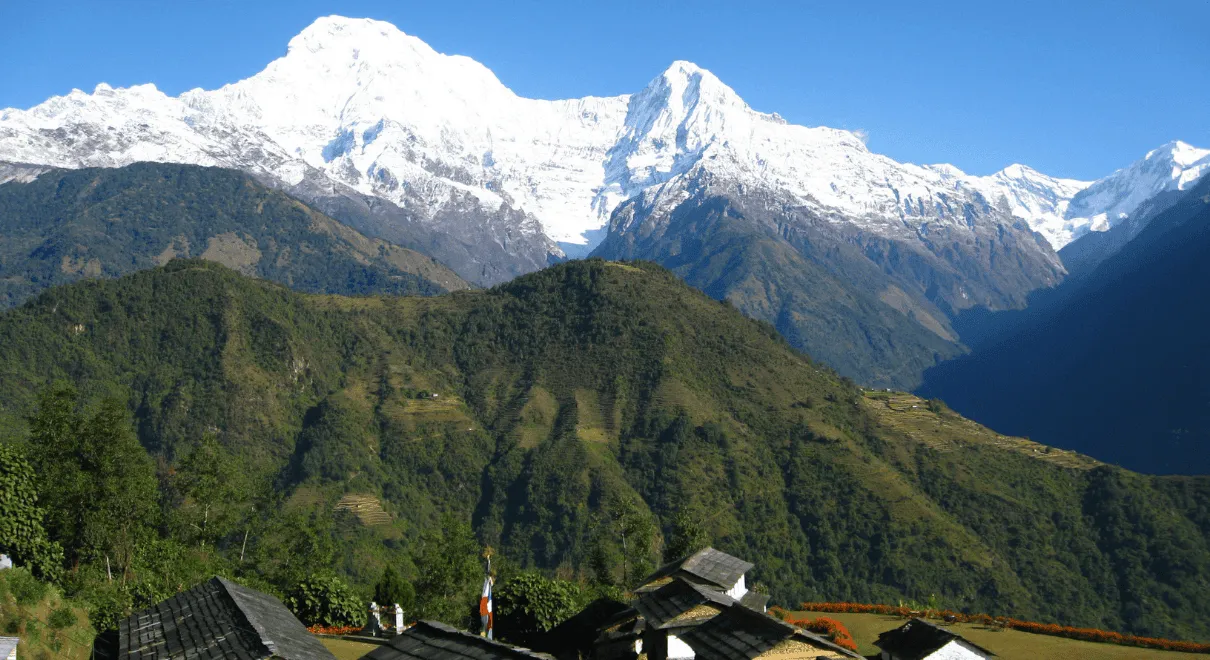
Sarangkot provides one of Nepal's most breathtaking sunrise experiences. This viewpoint, located at 1,600 meters, offers visitors complete panoramic views of the Annapurna range, which includes Dhaulagiri, Manaslu, and Machhapuchhre. Many travelers wake up before dawn to catch the first rays of sunlight painting the snow-capped peaks in shades of orange and pink. Sarangkot serves as a popular location where people launch their paragliding activities.
The World Peace Pagoda (Shanti Stupa) stands on a hill that provides a view of Phewa Lake. Japanese Buddhists constructed this white Buddhist stupa to serve as a peace monument. The short hike to the destination takes hikers through forest paths, which lead to a vantage point that offers complete views of the Himalayas and the lake, and the Pokhara valley.
Pokhara serves as a center for adventure sports activities while offering various outdoor activities. People who want to experience paragliding at its best will find that Pokhara provides them with an experience that lets them fly through the air while viewing the Himalayan mountains. People who want to see aerial views can choose between ultralight flights and motor-powered flights. The city functions as a departure point for well-known trekking routes, which include the Annapurna Base Camp trek and the Poon Hill trek.
3. Everest Base Camp—World Famous Trekking Destination
Everest Base Camp (EBC) stands as an essential destination for any Nepal travel guide that seeks to present its best five tourist spots. The trek serves as the ultimate goal for all trekking fans throughout the world. The base of the world's highest peak offers visitors a bucket-list experience that combines physical challenges with breathtaking scenic views.
Overview of Everest Base Camp: Traveling to Everest Base Camp offers equal value to reaching the final destination. The trek begins with an exciting flight from Kathmandu to Lukla, which ranks among the most hazardous airports in the world. The path proceeds through Sherpa settlements and suspension bridges, which display prayer flags and Buddhist monasteries and glacial valleys.
Trekking Experience and Mountain Views:
The expedition takes about 12 to 14 days to complete its round trip, which reaches an elevation of 5,364 meters at Everest Base Camp. The trek offers hikers direct views of several 8,000-meter mountains, which include Everest, Lhotse, Nuptse, and Ama Dablam. The territory changes from dense green forests to mountain fields, which lead to the complete unearthly splendor of the high Himalayas.
The major locations of the journey consist of Namche Bazaar, which serves as the Sherpa capital; Tengboche Monastery, which presents visitors with its beautiful mountain view; and Kala Patthar, which provides visitors with superior Everest views than the base camp. The daily activities present both difficulties and benefits, which include walking across unstable suspension bridges while observing Himalayan animals such as musk deer and Himalayan tahr.
Sherpa Culture:
The EBC trek allows visitors to experience the complete Sherpa cultural experience. The Sherpa people, who have built their reputation as legendary mountaineers, demonstrate their ability to endure high altitudes through their welcoming nature. The travelers experience a deep cultural experience through their stay at Sherpa tea houses, which are operated by Sherpa families, and their exploration of ancient monasteries and their study of Buddhist traditions.
Best Trekking Seasons:
The Everest Base Camp trek reaches its peak between the spring period from March to May and the autumn period from September to November. Springtime brings flowering rhododendrons together with rising temperatures, while autumn delivers its most transparent skies together with its most predictable climatic conditions. The winter season brings extreme cold temperatures, while the summer monsoon period creates rainy weather, together with cloud cover that prevents mountain viewing.
4. Chitwan National Park – Best Wildlife Safari Destination
Chitwan National Park shows a different aspect of Nepal, which needs to be recognized as one of the main destinations to visit in Nepal. The Chitwan subtropical jungles provide visitors with a new experience after they have already explored the mountain landscapes and cultural heritage of the area. The first national park in Nepal, which exists as a UNESCO World Heritage Site, stands as one of Asia's most intact natural sites.
Introduction to Chitwan:
Chitwan National Park occupies 932 square kilometers, which includes forested areas, grassland regions, and riverine ecosystems in the Terai lowlands of southern Nepal. The park was established in 1973 to protect the endangered one-horned rhinoceros and the Royal Bengal tiger. The park currently supports more than 700 animal species and 500 bird species.
Jungle Safari Experience:
Chitwan provides visitors with different options to discover its natural areas. Elephant-back safaris let visitors travel into the deep elephant grass areas where rhinos feed. Jeep safaris enable you to travel greater distances while improving your chances of observing different animal species. Canoe rides on the Rapti River enable visitors to observe gharial crocodiles marsh mugger crocodiles and various waterbird species.
The experienced guides who lead walking safaris through the wilderness help you track animals using footpaths which create a thrilling experience that connects you to nature in its most basic form. The Tharu cultural program in the evening showcases the traditions of the indigenous Tharu people who have lived in harmony with this forest for generations.
Animals to See:
The Chitwan National Park functions as the primary location to observe the greater one-horned rhinoceros. The prehistoric creatures from ancient times can be easily seen because they feed on grasslands and they bathe in marshlands. The Royal Bengal tiger remains difficult to identify because of its secretive nature, yet visitors might catch a rare glimpse of this majestic creature during their time in the park.
The park features a diverse range of animals, which includes leopards, sloth bears, wild elephants, spotted deer, sambar deer, wild boar, monkeys, and the endangered gharial crocodile. Bird enthusiasts will be thrilled with species ranging from the giant hornbill to colorful kingfishers, paradise flycatchers, and numerous storks.
Activities Available:
Chitwan National Park provides more than safaris because it offers jungle walking, bird watching, elephant breeding center tours, and sunset viewing from its watchtowers. The resorts provide village walking tours, which enable visitors to experience the traditional life of rural Nepalese communities and learn about Tharu cultural practices.
5. Lumbini – Birthplace of Buddha
The birthplace of Lord Buddha at Lumbini serves as our final destination because it holds great religious value. The holy site attracts visitors who practice Buddhism and those who seek peace from all parts of the globe. Lumbini provides visitors with a peaceful environment that allows them to reflect and experience spiritual growth, which sets it apart from the adventure-based attractions that we include in this list.
Historical and Spiritual Importance:
Buddhist tradition states that Queen Maya Devi gave birth to Prince Siddhartha Gautama, who later became Buddha in 623 BCE at the Lumbini gardens. The site was lost for centuries until it was rediscovered in 1896 when an ancient pillar erected by Emperor Ashoka in 249 BCE was found. Today, Lumbini serves as a UNESCO World Heritage Site and one of the most significant pilgrimage destinations for Buddhists.
Maya Devi Temple:
The Maya Devi Temple marks the exact spot where Buddha was born. The temple houses the marker stone, which shows the exact location of his birthplace together with ancient archaeological remains, which experts have dated to the 3rd century BCE. The Sacred Garden, which surrounds the temple, contains a holy pond that Queen Maya Devi used as her bathing place before she gave birth.
Monasteries from Different Countries:
The Monastic Zone of Lumbini establishes a unique identity because various countries constructed their own Buddhist monasteries within its boundaries. The Myanmar Golden Temple, Thai Monastery, Chinese Monastery, German Monastery, and many others create a fascinating display of diverse Buddhist architecture and art. Each monastery shows a unique viewpoint about Buddhist practices and beliefs.
The monastery zone provides visitors with a tranquil experience through its walking and cycling paths. The site maintains its peaceful atmosphere because people can only use electric carts to move around the area, which prohibits any other vehicles.
Peaceful Travel Experience:
Lumbini provides visitors with a quiet escape from the popular tourist destinations of Nepal. The location maintains a slow pace, which creates a peaceful atmosphere for visitors. The tranquil gardens of the site attract visitors who engage in meditation and reflection, and garden appreciation. The location becomes especially emotional during sunrise and sunset when gentle light illuminates both the historical ruins and contemporary monasteries.
Best Time to Visit Nepal
Travelers to Nepal should know the seasons for tourist attractions to select the best time to enjoy these scenic views.
Spring (March to May): This is one of the two best times to visit Nepal. The warm and pleasant weather creates conditions which enable most areas to maintain temperatures between 15°C and 25°C. The Spring season displays its most beautiful features when rhododendron forests start to bloom and create red, pink, and white floral displays that cover the hillsides. The visibility conditions show good results, but they do not achieve the perfect clarity that autumn provides. The period marks the start of pre-monsoon trekking activities.
Autumn (September to November): The autumn season serves as the peak tourist period, which provides visitors with the most reliable weather conditions and the best mountain sighting opportunities. The fresh air and deep blue skies emerge after the monsoon rains. The temperatures create pleasant conditions which enable people to engage in trekking activities and sightseeing. The period includes major festivals like Dashain and Tihar, which enhance the cultural experience of your visit. Visitors should make their accommodation and trek bookings in advance because this period represents the peak tourist time.
Winter (December to February): The winter months bring pleasant weather to lower Kathmandu, Pokhara, Chitwan, and Lumbini because temperatures remain between 15 and 20 degrees Celsius during the day. High-altitude treks experience extreme cold conditions because temperatures descend to levels that go beyond the freezing point. Mountain passes experience blockages because snow creates obstacles in their paths. The winter season provides optimal conditions for Chitwan wildlife observation because animals emerge to bask in the sunlight.
Summer/Monsoon (June to August): The monsoon season delivers intense downpours during the afternoon and evening hours. The trails become dangerous because they turn into muddy paths, which also enable leeches to travel. Cloudy weather conditions create obstacles for observers who want to see mountain peaks. Rain-shadow regions such as Upper Mustang and Upper Dolpo experience their best visiting conditions during this time. The period attracts fewer visitors because tourist locations become less crowded while prices decrease.
Travel Tips for Nepal
Visa Information: The system has been developed to understand information that was accessible until October in the year 2023. At Tribhuvan International Airport in Kathmandu or through land border crossings, most nationalities are able to obtain tourist visas. The visa fees require payment of $30 for 15 days, $50 for 30 days, and $125 for 90 days. Bring passport-sized photos and cash in USD form. The online visa application system enables you to submit your application before your arrival, which will help you complete the process more efficiently.
Transportation: Domestic flights serve as vital links between major cities, which enable travelers to access trekking areas in the Everest and Mustang. The tourist bus system provides comfortable and economical transportation between important travel sites. Private taxis and local buses operate for passengers who need transportation over brief distances. Pathao operates as an effective ride-sharing service in urban areas.
Safety Tips: Tourists can explore Nepal because the country maintains safe conditions for visitors. The basic safety rules require you to avoid displaying expensive possessions, while you should protect yourself in busy places, take registered taxis, and hire guides for your remote area treks. You should monitor weather conditions because they change during the monsoon period. You need to buy complete travel insurance that provides coverage for high-altitude trekking and emergency evacuation.
What to Pack: The different temperature ranges between various locations and their different elevation levels require you to pack multiple clothing layers. Essential items include comfortable walking shoes, a warm jacket, rain gear, sun protection (hat, sunscreen, sunglasses), a reusable water bottle, and any personal medications. Your trek needs good sleeping equipment, together with trekking poles and high-altitude equipment. People should dress in accordance with local customs to show respect for religious sites.
Suggested 7-10 Day Nepal Travel Itinerary
Day 1-2: Kathmandu - Arrive, visit Pashupatinath, Boudhanath, and Durbar Square. Explore Thamel for shopping and dining.
Day 3-5: Pokhara - Fly or drive to Pokhara. Visit Phewa Lake, Peace Pagoda, catch sunrise at Sarangkot, and try paragliding.
Day 6-7: Chitwan - Drive to Chitwan National Park. Enjoy jungle safaris, canoe rides, and cultural programs.
Day 8: Lumbini - Visit the birthplace of Buddha (can be combined with Chitwan or as a separate trip).
Day 9-10: Return to Kathmandu - Last-minute shopping, visit any missed sites, and explore Patan or Bhaktapur if time permits.
The Everest Base Camp and Annapurna Circuit require 10 to 21 days for trekking enthusiasts who want to complete these trails. Therefore you should create your schedule to match this duration.
Conclusion
Nepal's greatest strength derives from its diverse population. The top 5 places to visit in Nepal—Kathmandu, Pokhara, Everest Base Camp, Chitwan National Park, and Lumbini—represent different facets of this incredible country. Nepal provides its visitors with a complete travel experience, which includes ancient temples, mountain peaks, jungle safaris, and spiritual sites.
The famous places in Nepal provide everything you need, whether you want to experience adventure, learn about different cultures, observe wildlife, or achieve spiritual development. Travelers should include Nepal on their bucket list because the country combines natural beauty with its cultural heritage and friendly hospitality.
The current moment provides an ideal opportunity for you to begin organizing your Nepal expedition. Research these must-visit places in Nepal, decide which experiences resonate most with you, and begin your journey to the roof of the world. Nepal opens its doors to welcome visitors who will create lasting memories.
FAQs – Top 5 Places to Visit in Nepal
1. What are the top 5 places to visit in Nepal?
The top 5 places to visit in Nepal are Kathmandu, Pokhara, Everest Base Camp, Chitwan National Park, and Lumbini. The destinations provide visitors with an ideal combination of cultural experiences, mountain landscapes, wildlife encounters, and spiritual activities that represent the finest aspects of Nepal.
2. What is the best time to visit Nepal?
The best time to visit Nepal is during spring, which lasts from March to May, and autumn, which lasts from September to November. The seasons provide clear skies together with pleasant weather conditions and perfect mountain viewing opportunities. Springtime brings rhododendron flowers to bloom while autumn offers the best visibility, which happens to match major festival dates.
3. How many days are enough to visit Nepal?
You can visit all the important tourist sites in Kathmandu, Pokhara, and Chitwan within a 7 to 10-day trip. The duration of your Everest and Annapurna trekking plan requires 10 to 21 days because multiple trek options exist.
4. Why is Nepal famous for tourism?
The international recognition of Nepal comes from its possession of Mount Everest, combined with its exceptional trekking routes, its historical UNESCO World Heritage Sites, its top-quality wildlife safaris, and its display of Buddhist and Hindu heritage. The destination ranks among the top worldwide locations because it offers both adventure activities and cultural experiences, which draw millions of tourists each year.
5. Is Nepal safe for tourists?
Yes, Nepal is considered a safe country for tourists. The Nepalese people display their friendly nature through their hospitality toward others. The popular tourist areas operate with security measures and proper maintenance systems. The standard precautions, together with high-altitude trek travel insurance, represent the recommended safety measures for travelers.
Yes, Nepal has a reputation as a safe destination for visitors. The Nepalese people show their friendly character through their hospitality practices with others. The popular tourist areas operate with security measures and proper maintenance systems. The recommended safety measures for travelers include standard precautions and high-altitude trek travel insurance.
6. What is the most beautiful place in Nepal?
Pokhara is beautiful because it combines peaceful lakes with stunning mountain views, which make it the most attractive city in Nepal. The high Himalayas near Everest match the beauty of Kathmandu because different people have different opinions about what they find beautiful.
7. Do I need a visa to visit Nepal?
The majority of travelers to Nepal need a tourist visa for entry into the country. Tourists can obtain their visas at two locations, which include Tribhuvan International Airport and multiple border entry points throughout Nepal. Visitors must pay different visa fees for three different visa durations, which are 15 days at 30 dollars, 30 days at 50 dollars, and 90 days at 125 dollars.
8. What are the best things to do in Nepal?
The best activities in Nepal include trekking in the Himalayas, exploring UNESCO World Heritage Sites, jungle safaris in Chitwan, cultural tours of ancient cities, paragliding in Pokhara, mountain flight views of Everest, white-water rafting, and visiting Buddhist and Hindu religious sites.
Begin planning for your trip to these incredible Nepal travel destinations today-
The mountains call, and adventure awaits you in every corner of this magical Himalayan kingdom!

.png "NTB")
.png "Pata")