Everest Base Camp Trek Cost
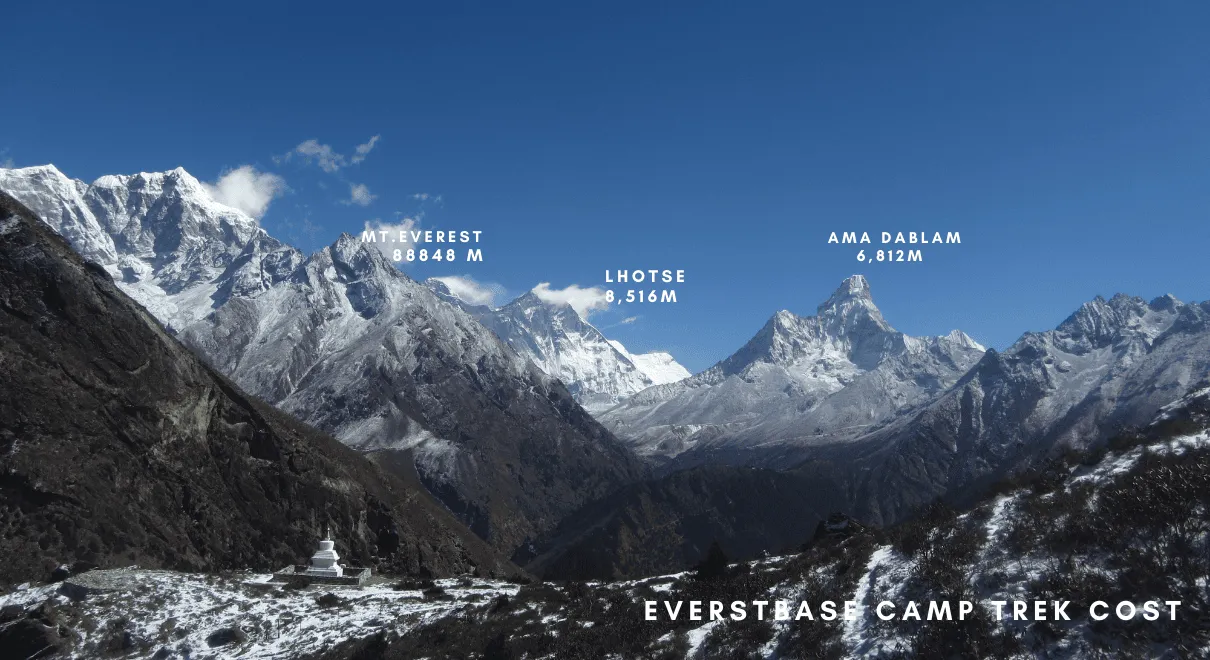
Planning your Everest Base Camp trek for 2026? The Everest Base Camp Trek Cost requires understanding because it serves as the basis for budget planning. The total cost depends on several factors, including services selected, group size, and whether you book with a local operator or an international company. This complete guide provides genuine knowledge that the author gained through his extensive experience in trek organization to assist beginner trekkers in understanding all expenses of this famous Himalayan trek.
What is the Everest Base Camp Trek Cost 2026?
The Everest Base Camp Trek Cost 2026 refers to the complete financial investment required to reach the base of the world's highest mountain. The package includes all necessary expenses, which cover permits, flights, accommodation, meals, guide services, and transportation. The costs show large differences because customers choose different levels of comfort and different types of service, with budget options starting at about USD 1,200 and premium packages going over USD 5,000. The cost breakdown information enables trekkers to create their budget plans, which prevents them from facing unexpected costs during their trek.
How Much Does the Everest Base Camp Trek Cost?
Here's a realistic price range for the Everest Base Camp Trek Cost in 2026:
- Budget Trek: USD 1,050–1,200 (basic services, larger groups, tea house accommodation)
- Standard Trek: USD 1,550–2,500 (experienced guides, better lodges, smaller groups)
- Luxury Trek: USD 3,500–5,000+ (premium services, helicopter options, superior accommodation)
The listed price ranges display total package costs from Kathmandu, which actual customers will need to determine through their selected travel dates and personal travel selections.
Everest Base Camp Trek Cost Breakdown
Transparency is essential when it comes to transactions, and so is clear communication. By knowing where your money goes, you will never be kept in the dark about something that can protect you; this is a situation wherein your own awareness is extremely important. Transparency also helps you to make better decisions.
- Permits: Sagarmatha National Park Entry Permit (approx. USD 30) + TIMS Card (USD 20)
- Lukla Flight: Round-trip Kathmandu-Lukla (USD 450–470 per person)
- Guide & Porter: Guide (USD 30–35/day), Porter (USD 25–30/day)
- Accommodation: Tea houses (USD 3–10 per night, increases with altitude)
- Meals: Breakfast, lunch, dinner (USD 25–35 per day, prices rise higher up)
- Transportation: Kathmandu airport transfers and ground transportation (USD 50–100)
Everest Base Camp Trek Cost by Group Size
Group size dramatically impacts the Everest Base Camp Trek Cost 2026:
Solo Trek Cost: USD 2,500–3,500—You must pay all expenses for guides, permits, and transportation, which makes this option the highest cost per person. The expenses of guides and permits, transportation needs to be paid by you, which results in this option becoming the most expensive choice for each person.
2–4 People: USD 1,800–2,200 per person—Costs are distributed among fewer people, which gives a nice blend of personalized service and cost.
Group Joining (5+ people): USD 1,200–1,600 per person—Likewise, comprehend the fact that an all-inclusive organized tour is the most budget-friendly option. Earning the significant advantage from this option could cover transportation fees, licensing issues, guide hirings, and field excursion charges; these will be cross-sectioned and split among a greater number of aspiring trekkers collectively.
Booking with friends or joining scheduled group departures significantly reduces your individual expense.
What Is Included in the Package Cost?
When booking your Everest Base Camp trek, a comprehensive package typically includes:
- Airport to hotel pick-up and drop-off by private vehicle
- Two nights' hotel accommodation in Kathmandu (three-star category, bed & breakfast)
- Accommodation in mountain lodges run by local people during the trek
- Full board meals (breakfast, lunch, and dinner) with a cup of tea/coffee at each meal during trek
- One dinner with typical Nepali cultural show in Kathmandu
- One highly experienced mountain guide and porter
- Down jacket, four-season sleeping bag, duffel bag, and trekking map (down jacket and sleeping bag to be returned after trip completion)
- Accommodation, food, drinks, salary, insurance, and transportation for trek guide and porter
- Group medical supplies (first aid kit)
- All necessary paperwork and Sagarmatha National Park entry permit
- TIMS Card (Trekker's Information Management System)
- All additional government taxes
- All ground transportation by private vehicle
- Kathmandu/Lukla/Kathmandu airfare for trekkers and guide
What Is Excluded from the Package Cost?
Understanding exclusions prevents budget surprises during your trek:
- Nepal entry visa fee (USD 25 for 15 days/USD 40 for 30 days from date of issue)
- International airfare to/from Nepal
- Personal trekking gear and equipment
- Personal medical kits and prescriptions
- Hot drinks beyond included tea/coffee (dessert, soup, cocoa, hot chocolate, specialty coffee)
- Travel insurance (mandatory and highly recommended)
- Alcoholic and cold drinks
- Extra night accommodation in Kathmandu due to early arrival, late departure, or early mountain return
- Boiled water, hot showers, mineral water, battery charging, and hot drinks (in pot)
- Lunch and dinner in Kathmandu (approximately USD 10–12 per meal)
- Bar bills, telephone bills, and personal expenses (shopping/laundry)
- Tips for guide and porter (customary and appreciated)
- All expenses due to unavoidable events (personal illness, strikes, weather delays)
- Helicopter evacuation charge in case of emergency
- Drinking water on trek (USD 1–3 per bottle, increasing toward base camp; alternative: water purification tablets for USD 2)
- Wi-Fi in tea houses (USD 3–5 per hour)
- Hot showers in lodges (approximately USD 4 per shower)
- Battery charging (approximately USD 1.50 per hour)
- Unforeseen costs due to flight cancellations or weather conditions, including extra hotel nights (USD 30/night) and meals in Kathmandu
For detailed information, visit our Everest Base Camp trek page: click this link: https://www.himalayastrek.com/trek/everest-trekking/everest-base-camp-trek
For contact: info@himalayastrek.com
WhatsApp numbers: +977 9851361235
Best Time to Trek to Everest Base Camp and Its Cost Impact
The Everest Base Camp Trek Cost fluctuates based on the season:
High Season (March–May, September–November): The best time to hike occurs during the peak trekking period when weather conditions remain stable and outdoor visibility remains unobstructed. The cost of your trip will increase by 10–15% because more people will want to book flights, guides, and accommodation services. The price of Lukla flights has increased, and travelers must book their tickets in advance.
Shoulder Season (Early March, Late November–December): The weather remains mild throughout the day while fewer people are present. The costs decrease between 5–10%, which allows you to enjoy less crowded paths while experiencing good trail conditions.
Off-Season (December–February, June–August): The total expenses for the project showed major savings between 20–30%. Winter brings extreme cold but clear skies, whereas the monsoon brings rain and leeches at lower elevations. The product meets the needs of budget-conscious trekkers who possess experience and want to navigate difficult trekking conditions.
The perfect timing can save you hundreds of dollars without having to compromise on the greatness of the experience.
Why Booking with a Local Operator Reduces Cost
Engaging a local Nepali operator for one's Everest Base Camp Trek offers some significant advantages:
No Middleman Markup: Local operators achieve cost savings through the elimination of international agency commissions, which leads to a 20–40% reduction in expenses while they continue to deliver quality services.
Direct Communication: You should collaborate with the trek organization team to establish clear expectations, which will enable them to address your inquiries and any problems you encounter with swift solutions.
Better On-Ground Support: Expeditions will be well organized with an office in Kathmandu. While the trek may cost a little more from a local point of view, the company will spend much more hiring very well-paid guides, cooks, porters, and others, and obtain all necessary trekking permits.
Fair Guide Wages: When you book with us, we assure that a worthwhile third of your money benefits guides and porters rather than profits the corporate edifice; we sponsor local communities and guarantee employment for staff motivated by fair compensation.
Authentic Experience: Local providers truly bridge the gap between travelers and genuine cultural experiences, something most international booking platforms can hardly achieve.
Our company operates from Kathmandu because we provide customers direct access to our services while maintaining transparent pricing, which international corporations cannot replicate.
Hidden Costs to Know Before Booking
So many trekkers forget to account for these additional costs that are usually not included in package prices.
Tips for Guide and Porter: The project's total budget should stay within USD 150 to USD 250. Restaurants follow a tipping system as standard practice, and customers should tip when they receive excellent service. The recommended tip amounts to approximately USD 10 to USD 15 for guides and USD 8 to USD 10 for porters.
Hot Showers: Tea houses charge between USD 3-5 for each shower. The accessibility of hot water becomes limited with higher elevation. You need to spend between USD 30-50 to complete the whole trek if you want to take hot showers.
Device Charging: USD 1.50–3 per hour. Electricity is minimal in high altitudes; it would be wise to carry power banks or solar chargers for such situations, as it can save money.
Wi-Fi Access: USD 3–7. Customers at tea houses that provide internet access can expect to pay their service fees at an hourly rate. The internet connection at this location is both costly and unreliable. The cost for internet service should be budgeted between USD 30 and USD 60 when you need to access the web on a consistent basis.
Extra Snacks and Treats: USD 50–100. There is a high demand for chocolate bars, energy bars, and even comfort food in the mountain areas.
Bottled/Boiled Water: USD 1–5 per liter (increasing with altitude). Budget USD 50–80 for the trek or invest USD 2 in purification tablets.
Emergency Fund: USD 200–500. Always carry extra cash for weather delays, unexpected Lukla flight costs, or medical emergencies.
Travel Insurance Excess: Check your policy deductibles for helicopter evacuation coverage.
Understanding these hidden costs helps you budget an extra USD 400–700 beyond your package price.
Expert Tips for Managing Your Trek Budget
Based on years of organizing Everest Base Camp treks, here are insider recommendations:
Book During Off-Peak Months: Secure lower rates by booking January-February or June-August departures, though be prepared for weather challenges.
Join Group Departures: Share fixed costs by joining scheduled group treks rather than organizing private expeditions.
Bring Sufficient Cash: ATMs are unreliable beyond Namche Bazaar. Carry USD in small denominations to exchange in Kathmandu.
Invest in Quality Gear: Renting or buying proper equipment in Kathmandu costs less than international markets and prevents discomfort that could end your trek early.
Choose Standard Packages: Budget treks often cut corners on guide experience and emergency support. Luxury packages include unnecessary extras. Standard packages offer the best value.
Purchase Comprehensive Insurance: The USD 100–200 insurance cost is minimal compared to USD 5,000+ helicopter evacuation charges.
Limit Personal Expenses: Set daily spending limits for snacks, charging, and Wi-Fi to prevent budget creep during the 12–14-day trek.
FAQs About Everest Base Camp Trek Cost 2026
Is the Everest Base Camp Trek expensive?
The Everest Base Camp Trek Cost offers reasonable pricing because it provides travelers an extraordinary experience that no other trek in the world can match. The standard packages which cost between USD 1,200 and 2,500 provide exceptional value because they deliver a world-class adventure experience. The total expense represents required services which include permits and remote area flight costs and expert guiding services and mountain accommodations which require porters and yaks to transport all items.
Can I do the EBC trek under USD 1,000?
The situation presents technical possibilities yet actual implementation should not proceed. Ultra-budget trekking costs which go below 1,000 US dollars lead to insufficient guide services and emergency response capabilities and proper insurance protection. My experience with organizing more than 100 treks shows that cost reductions which go below 1,200 US dollars create unsafe conditions which result in hidden expenses that surpass any financial benefits. Essential needs for 5 364 meter elevation include both quality guides and proper support systems.
Is a guide mandatory for the Everest Base Camp Trek in 2026?
Yes, as of April 2023, the Nepalese government requires all trekkers in the Everest region to hire licensed guides. The new regulation prohibits people from trekking alone. The regulation improves safety standards while creating job opportunities for residents and providing trekkers with necessary navigation and emergency support systems. Package prices include guide costs, which become necessary when people plan their trips without assistance.
How much cash should I carry for the Everest Base Camp Trek?
You need to bring USD 500 - 800 as cash, which requires you to bring small denomination bills. This fee includes hot showers which cost between USD 30 - USD 50 and device charging services which cost between USD 30 - 50 and Wi-Fi access which costs between USD 30- 60 and additional snacks which cost between USD 50 - 100 and tips which range from USD 150 -250 and bottled water which costs between USD 50 - 80 and emergency expenses which amount to USD 200. The best exchange rates between USD and Nepali Rupees exist at currency exchange locations throughout Kathmandu. The ATMs that exist outside of Namche Bazaar do not operate properly.
What is the best way to pay for the Everest Base Camp Trek?
The majority of trustworthy local businesses accept payments through bank transfers and credit cards which incur processing costs between (with 3–4% processing fees), and cash payments. The recommended booking procedure requires customers to make a deposit between (20–30%) of the total cost to secure their reservation, while they need to pay the remaining amount 30 days before their scheduled departure. The requirement for official documents demands that people should always obtain official receipts together with written contracts. People should refrain from making complete payments to operators whose credentials remain unverified and through payment methods that lack security.
Are there additional costs for altitude sickness?
Prevention costs little (Diamox medication: USD 10–20), but treatment requires high financial expenses. Mild cases need additional rest time at lodges, which charge USD 30 - 50. The extreme cases require helicopter evacuation, which costs between 4000 - 8000, and should be paid for by complete travel insurance. The trekkers who want to save money choose to overlook their symptoms, which creates a very hazardous situation. Health should always take precedence over financial considerations.
How much does gear rental cost in Kathmandu?
Quality trekking gear rental in Kathmandu costs USD 1–3 per item per day. A complete rental package (sleeping bag, down jacket, trekking poles, duffel bag, gaiters) runs USD 100–150 for a two-week trek. Many operators include sleeping bags and down jackets in package prices. Buying gear in Thamel costs 50–70% less than Western prices—a good down jacket runs USD 80–150 versus USD 300+ abroad.
Does the trek cost include Kathmandu sightseeing?
The basic trekking package includes two nights of stay in Kathmandu, which comes with airport transportation and one cultural dinner. The package does not provide any formal sightseeing excursions. Tourists who wish to visit both the Kathmandu valley and UNESCO World Heritage Sites must pay an additional fee of USD 50 -100 for full-day guided tours. Many trekkers choose to hike by themselves during the time between their two trekking periods. The budget should include additional days of pay, which will cost between USD 50 -100 for the purpose of exploring Kathmandu.
Conclusion
The Everest Base Camp Trek Cost 2026 needs people to understand its details because this knowledge helps them to make better choices, which will protect them from unexpected problems during their Himalayan trek. The budget-friendly option, which costs approximately USD 1,200, and the premium experience, which costs more than USD 2,500, both provide transparent information about their included services and excluded elements, and their undisclosed expenses, which helps customers to establish realistic budgets
The process of booking through a local operator enables customers to avoid extra costs while providing direct support to Nepali communities. The cost breakdown from permits and flights through accommodation and meals shows the actual expenses that experienced trek organizers have calculated to deliver safe and valuable services.
The most affordable choice for mountain climbing at extreme altitudes does not represent the best decision. Your safety and overall experience will benefit from spending money on experienced guides, complete insurance coverage, and high-quality services. Standing at Everest Base Camp while surrounded by the highest peaks in the world created priceless memories that make this adventure worth more than its monetary expense.
Start planning your 2026 Everest Base Camp journey today with confidence, knowing exactly what to expect financially and how to maximize value while minimizing unnecessary expenses.
Contact
Kathmandu, Nepal
info@himalayastrek.com
WhatsApp: 977-9851361235
For detailed information about everest base camp trek, please visit the page; Click here
For the inquiry form Please click here

.png "NTB")
.png "Pata")