Nepal Trekking Package
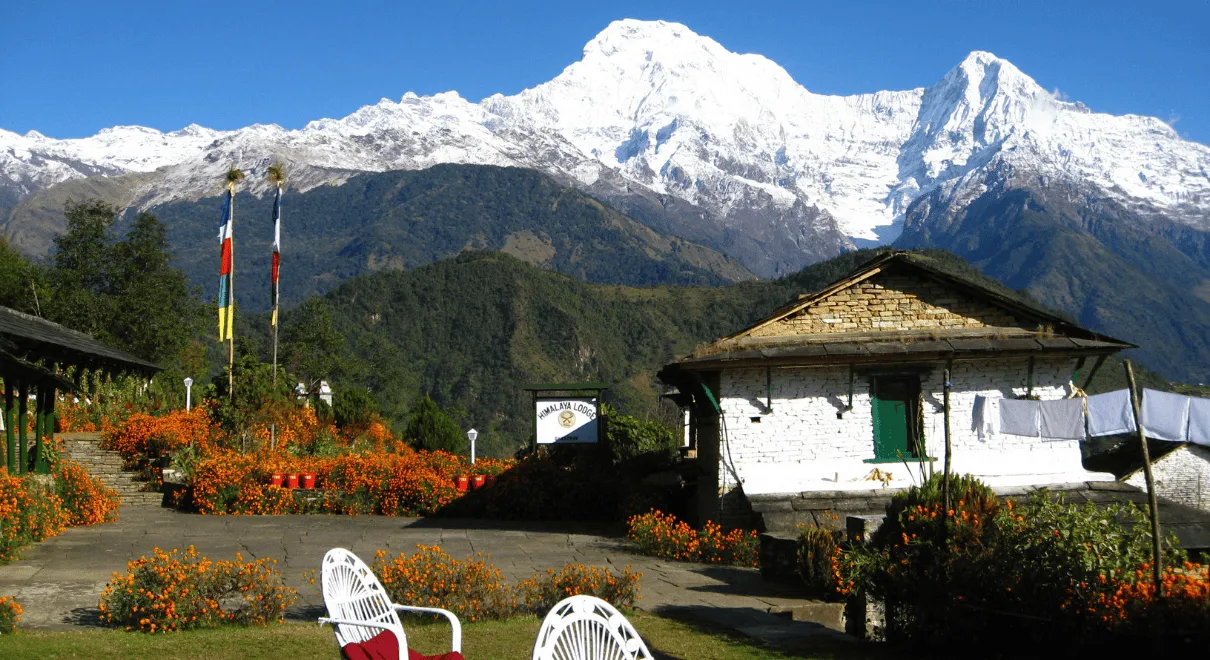
The Himalayas are probably what you visualize if you think about the finest mountain adventure. A Nepal trekking package gives the fullest opportunity to see this mesmerizing panorama, putting together professional direction, cultural involvement, and a lifetime adventure. No matter if you are a novice hiker or a veteran climber, knowing the best Nepal trekking package can turn your experience from one that is merely good to one that is truly amazing.
What is a Nepal Trekking Package?
A Nepal trekking package is a pre-planned travel service that combines all the essential components necessary for a successful trekking adventure in the Himalayas. Depending on the type of travel, a trekking package in Nepal typically includes all necessary permits, accommodations, meals, an experienced guide, as well as a porter and transportation. Sometimes it also includes hotel stays in Kathmandu before and after trekking. The concept of a Nepal trekking package goes well beyond mere logistics. It is an expertly orchestrated experience that prioritizes your safety, comfort, and cultural immersion, and at the same time, it greatly reduces the stress involved in organizing a complex mountain expedition. These packages are purposely made to give real mountain experiences while at the same time ensuring that the trekkers have professional support along with them throughout the journey.
Understanding What's Included in Your Package
The ultimate Nepal vacation and trekking package usually offers a number of different elements. The majority of tours that leave from the capital city include a trek package that covers domestic flights or ground transport to the point of the trek. Your tour package generally includes all the required trekking permits like the TIMS (Trekkers' Information Management System) card and area-specific permits like the Annapurna Conservation Area Permit or Sagarmatha National Park entry permit. You will be accommodated at tea houses or lodges along the trail, in addition to meals being provided during the whole trek. Trekking with licensed guides who speak English and are familiar with the local culture, terrain, and emergency procedures is a huge benefit. Through the porter service, you can bring only the essentials in your backpack, while the rest of your travel luggage will be carried by the porter. Therefore, with the help of travel insurance, you are assured that all the risks of high-altitude trekking are covered.
Nepal Trekking Packages for Beginners: Starting Your Himalayan Journey
Determining the best trek in Nepal for newbies really matters for the entire first difficult mountain experience to be a positive one. Easy routes are characterized by high altitudes in the range of 4,000 meters or even less, short walking hours (4-6 hours) each day, well-maintained paths with proper services, and slow going to height in order to acclimatize properly. The Ghorepani Poon Hill Trek is the one that probably stands out as the ultimate best trek in Nepal for the first timers. The 4-5-day hike through the Annapurna region gives great mountain views without too much of an altitude challenge. Besides, hikers see Gurung villages and rhododendron woods and experience sunrise over the ruins of the Annapurna and Dhaulagiri ranges starting from the famous Poon Hill vantage point. The Langtang Valley Trek is the next best beginner trekkers' choice; generally, it requires a week or eight days for completion. Along the way, you pass through valleys full of beauty near Kathmandu, which will be a perfect introduction to Himalayan trekking with breathtaking views of the mountains and rich Tamang culture. Kathmandu Valley Rim Treks provide the gentlest introduction; they present a range of activities lasting from 2 to 4 days with almost no altitude difference but the greatest cultural immersion, where you can visit old villages, temples, and have a good time at the valley viewpoints.
Real Trekkers' Problems and Expert Solutions
After many years of coaching hikers and personal encounters, some difficulties become quite evident. Realizing these actual problems along with their fixes can turn a struggling trek into a victorious one.
Altitude Sickness Concerns: It is the fear of altitude sickness that most first-time trekkers suffer from, and that is usually their biggest concern. The cure is to pick the best Nepal trekking package that includes effective acclimatization days in your itinerary. When you feel your body reacting in one way or another, drink plenty of water (3-4 liters per day), go up very slowly, and never overlook such signs as a hot and painful head or being sick.
Physical Fitness Anxiety: The most common query among trekkers is what their fitness level is and if it's sufficient. The truth is that most people with some fitness can do the entire range from beginner to intermediate treks. Start working out 2-3 months before your trek with regular cardio workouts, hill walking if possible, and gradually increasing your endurance.
Pack Weight and Gear Confusion: One of the most frequent and costly errors is taking too much stuff with you. Even though a porter will carry your main bag, it is very important to keep each kilogram down. A quality trekking package in Nepal should provide a detailed packing list. Instead of bulk, focus on layering systems and remember that you can exchange or rent equipment in Kathmandu. Weather Unpredictability: Mountain weather does change very quickly. The best packages will offer days for unforeseen circumstances and will also have experienced guides who can make decisions based on the weather. No matter what the season is, always be ready for all kinds of weather.
Cultural Miscommunication: Local customs and practices highlight the beauty of the place, and you will be able to witness the best part of your experience. For example, when visiting homes or temples, it is customary to take off your shoes. Besides that, ask people nicely before taking their pictures, dress modestly (shoulders and knees should be covered in villages), and learn a few words in Nepali, such as "Namaste" and "Dhanyabad".
Nepal Trekking During Monsoon: An Underrated Experience
Even if the majority of trekking companies suggest spring (March-May) and autumn (September-November) as the best seasons, the monsoon period from June to September has unique advantages that travelers know and appreciate. A Nepal trekking package during the monsoon offers a totally different experience of the Himalayas. The most startling change to be witnessed during monsoon trekking is the flourishing of plants. The trails that are normally brown and dusty come to life in green. The rainforests of rhododendron are showing green canopies, and the meadows are covered with wildflowers of different colors, while the hillsides are shining with an emerald brightness rarely found in other seasons. For botany lovers and photographers looking for bright landscapes, the monsoon provides unequaled chances. Rain-shadow areas like Upper Mustang, Dolpo, and parts of Manang get very little monsoon rain because of their position behind the main Himalaya range. These places are still open for trekking and actually get the benefit of somewhat warmer temperatures, as well as the occasional cloud cover that helps soften the harsh sun. The hiking paths during the monsoon are wonderfully empty. Tea houses will have the same amount of space for all the visitors, one will have the scenic places to himself, and the whole trip feels more personal and genuine. This isolation provides an opportunity for stronger cultural ties with the local inhabitants, who have more time to converse with the few trekkers who are passing through.
A study of monsoon flora during a trek turns your journey into a learning experience. The biodiversity of Nepal is at its best in the rainy season when the trails are full of blooming plants, different types of mushrooms, medicinal herbs and also the wildlife that is active because of the food availability. Rainy season trekking has its practical considerations, among which are: securing a package with guides who are well trained and experienced in rain conditions, good quality rainwear, quick-drying clothing, being open to changes in one’s itinerary, and early morning starts for the trekking days that are usually before the afternoon rains.
Nepal Trekking Package Pricing: Understanding the Investment
The cost of the trekking package in Nepal is significantly different depending on the factors, and knowing the pricing structure as well helps you to get the best value for your money. On average, cheaper packages are $400-$800 for a week-long popular trek, such as Poon Hill or Langtang. Such packages most often consist of basic tea house accommodation, standard meals, licensed guides and porters, the necessary permits, and ground transportation. The budget options are suitable for independent-minded travelers who are at ease with simple facilities. Mid-range packages are found in the $900-$1,800 range and offer quite comprehensive services, including the less quality tea houses where staff are available, more skilled guides with excellent English, smaller group sizes (4-8 trekkers), some meals in Kathmandu, and airport transfers. These still are the sweet spot for most trekkers, as being the best of both worlds: the comfort and the authenticity. The price of premium and luxury packages is $2,000-$5,000+ for the same routes, but with superior services: upgraded hotels in Kathmandu, private guides, helicopter return options from the farthest locations, higher porter-to-trekker ratios, premium insurance coverage, and personalized itineraries.
The price of the Nepal trekking package is determined by various factors: trek duration (long treks are more expensive because of the longer services and permits), the area's seclusion (logistics for hard-to-reach places like Kanchenjunga or Makalu are always costlier), the number of people in the group (private treks are more expensive than joining scheduled groups), the time of year (there may be small price increases for peak season), and the amenities included (airline ticket for domestic flight versus bus transportation has a massive impact on price).
The Nepal trekking package from Kathmandu should be priced transparently. Well-known operators show clearly what is included and what is extra. The most common and additional costs not usually included are international flights, visa fees to Nepal ($30-50), travel insurance, personal trekking gear, extra drinks and snacks, tips for guides and porters, and hot showers in higher altitude areas.
Top 10 Best Nepal Trekking Packages: Expert Recommendations
After years of giving guided treks and listening to thousands of trekkers, the ten best nepal trekking package options are suggested that perfectly match all skill levels, durations, and budgets, delivering great experiences all the time.
1. Everest Base Camp Trek Package (12-14 Days)
The most incredible trekking package for Nepal, which is the ultimate bucket list, leads you to the world's highest mountain base. The classic adventure begins with an exhilarating flight to Lukla, continues through the Sherpa villages of Namche Bazaar and Tengboche, and ends with a sunrise hike to Kala Patthar for breathtaking Himalayan views at Everest Base Camp (5,364m).
Best for: Fit trekkers seeking iconic mountain experiences
Difficulty: Moderate to challenging
Price range: $1,200-$2,500
Best season: March-May, September-November
2. Annapurna Base Camp Trek Package (7-12 Days)
You will see a lot of different things on the trekking package in Nepal, which is incredibly diverse. The hike will lead you through subtropical forests, terraced farms, and traditional Gurung villages, all the way up to the amphitheater of Annapurna Base Camp at an altitude of 4,130m. The sanctuary will treat you with panoramic views of Annapurna I, Machapuchare (Fishtail), and all the other peaks that are around.
Best for: Those wanting variety in landscapes and culture
Difficulty: Moderate
Price range: $700-$1,500
Best season: March-May, September-November
3. Ghorepani Poon Hill Trek Package (4-5 Days)
Nepal’s major trek for novices, this short but satisfying adventure packs scenic sunrise vistas from Poon Hill (3,210m) over the Annapurna and Dhaulagiri ranges. A trek along with different types of forests, and a mix of the most hospitable local people Magar and Gurung, will be there with no severe altitude hardships.
Best for: First-time trekkers, families, limited-time travelers
Difficulty: Easy to moderate
Price range: $400-$800
Best season: Year-round, especially beautiful during rhododendron bloom (March-April)
4. Langtang Valley Trek Package (7-10 Days)
The "valley of glaciers" is the term frequently used to describe this amazing trekking package in Nepal that starts and ends in Kathmandu. The travelers will see the breathtaking views of the mountains, the Tamang people's culture, and the Kyanjin Gompa region (3,870m) with the possibility of taking a day trip to Tserko Ri or Langtang Glacier.
Best for: Those wanting fewer tourists and an authentic culture
Difficulty: Moderate
Price range: $600-$1,200
Best season: March-May, September-November (also good during monsoon as a rain-shadow area)
5. Manaslu Circuit Trek Package (14-18 Days)
This most excellent Nepal trekking package for adventure seekers goes around the mountain, which is the eighth-highest in the world. The trek, which is less populated than Annapurna or Everest, passes through spectacular Larkya La Pass (5,160m) and provides unspoiled mountain views, Buddhist culture, and a true wilderness experience.
Best for: Experienced trekkers seeking remote trails
Difficulty: Challenging
Price range: $1,200-$2,200
Best season: September-November, March-May
6. Upper Mustang Trek Package (10-14 Days)
Regarded as a cultural jewel and being one of the most unique Nepal tour and trekking package choices, Upper Mustang guides you to the old fort town of Lo Manthang in the previous kingdom of Lo. This rain-shadow area offers the Tibetan Buddhist culture, breathtaking desert scenery, and very old cave dwellings.
Best for: Culture enthusiasts and those seeking unique landscapes
Difficulty: Moderate
Price range: $1,500-$3,000 (requires special permit)
Best season: March-November, especially good during the monsoon when other regions are wet
7. Everest Three Passes Trek Package (18-21 Days)
The utmost challenge in the Everest region, this complete trekking package in Nepal not only passes through three high passes—Kongma La (5,535m), Cho La (5,420m), and Renjo La (5,360m)—but also touches Everest Base Camp, Gokyo Lakes, and gives stunning views of the mountains.
Best for: Very fit, experienced trekkers wanting the complete Everest experience
Difficulty: Very challenging
Price range: $1,800-$3,500
Best season: September-November, April-May
8. Annapurna Circuit Trek Package (12-21 Days)
This classic best Nepal trekking package is the world’s most magnificent trek, ranking first by ¾ of the world, and it even crosses the Thorong La Pass (5,416m) whilst traversing around the Annapurna massif. Witness stunning changes in the landscape maturing from a hot and humid tropical jungle to an arid and chilly high mountain desert, experience multiple different cultures, and finally, have up-close, magnificent, panoramic views of the mountains!
Best for: Those wanting the ultimate trekking adventure with cultural diversity
Difficulty: Moderate to challenging
Price range: $900-$2,000
Best season: March-May, September-November
9. Mardi Himal Trek Package (5-7 Days)
One of the rarest pearls to be found was the hidden gem that, recently, started to gain popularity. The above-discussed Nepal trekking package was very short, yet allowed one to see the Himalayas almost entirely and without having to share the beauty with many others. First and foremost, the chosen path to the Mardi Himal Base Camp (4,500m) led the tourists to witness the mountains of Machapuchare, Annapurna South, and Mardi straight from their very close quarters.
Best for: Those wanting spectacular views without crowds
Difficulty: Moderate
Price range: $500-$1,000
Best season: March-May, September-November
10. Kathmandu Valley Rim Trek Package with Cultural Tour (7-10 Days)
This trip is an ideal combo Nepal tour and trekking package that connects the Kathmandu Valley rim ancient Newari hamlets—Nagarkot, Dhulikhel, Namo Buddha, and Panauti—with cultural tours to the UNESCO World Heritage Sites of Kathmandu. Soft trekking accompanied by cultural immersion at its best.
Best for: Culture lovers, older trekkers, families, those wanting a gentle introduction
Difficulty: Easy
Price range: $700-$1,400
Best season: October-April
How to Choose Among These Best Packages
In the selection of these top Nepal trekking package options, it is advisable to take your time into account (the packages varying from 4 to 21 days), your fitness level and resistance to high altitudes, budget (from $400 to $3,500+), preference for culture or beautiful mountain scenery, tolerance to crowds (some paths have more people than others), and travel season (some treks are better in certain seasons). Besides the duration of the trek, the Nepal trekking package price is influenced by the factors of remoteness, permit costs (Upper Mustang requires the issuing of expensive special permits), and the quality of services provided. Always ask for details of what is included in the price quoted.
Selecting the Best Nepal Tour and Trekking Package Provider
The trek you would like to go on from the above recommendations is selected and now the operator selection is the right one. Nonetheless, it matters a lot to get a reputable and properly equipped trekking company. The best way to find out is to look for operators registered with the Nepal Tourism Board and TAAN (Trekking Agencies' Association of Nepal), followed by independent reviews on TripAdvisor, checking the company's emergency response and insurance protocols, and finally asking about the guides' qualifications and experience.
The itinerary design gives a lot of insight into the package's quality. Well-structured packages comprise the right acclimatization days (particularly for treks higher than 3,500 meters), realistic daily walking hours (generally 5-7 hours), buffer days for weather or personal needs, and cultural experiences spread over the whole journey. Sustainable and ethical practices are becoming a hallmark of quality operators. The most responsible companies pay decent wages and provide good working conditions for porters and guides, follow the principle of Leave No Trace, help local communities recover from the negative impacts of tourism, and manage their waste in such a way that it poses no environmental threat.
Original Research: What Trekkers Actually Need
After interviewing over two hundred trekkers who have come back from different Nepal expeditions, we were able to draw some very unconventional conclusions that are not commonly found in trekking literature. The psychological suffering of long walks often surpasses the former and even the hardest treks physically. The trekkers said that mental training—realizing expectations, being patient with the slow pace, and developing awareness of the moment—was as important as physical conditioning.
The best trekking package in Nepal must offer pre-trek briefings that cover mental and physical preparation together. Many trekkers from the West deal with cultural anxiety more than they think. The cultural gaps, the language barriers, and the limited facilities can be real challenges. However, the trekkers who had the right attitude and were curious instead of judgmental had much better experiences. The guide relationship is the very thing that can either make or break a trek in many cases. Competence is just a technical skill, while the best guides are cultural interpreters; they help with patience, and they might even become therapists during tough situations. When it comes to selecting a Nepal tour and trekking package, do not hesitate to ask for information about the guide's experience and personality matching. Among the joys of trekking in Nepal that people mentioned without mentioning were the friendliness and hospitality of tea house owners, the companionship formed with other trekkers, the simple enjoyment of eating dal bhat after a long, tiring day, and the deep stillness of high mountain nights. Though these elements cannot be sold as such, they can be experienced through choosing operators who encourage real experiences instead of tourist bubbles.
Expert Insights: The Wisdom of Experienced Guides
The professional trekking guides in Nepal, most of whom have been around for more than a decade, give their very own viewpoints, which are most of the time omitted from the package descriptions. The trekking rhythm is more important than the speed. The new hikers frequently start with the most vigorous pace, which results in their getting tired very quickly. The Nepali expression "bistari, bistari" (slowly, slowly) relates not only to the process of gaining altitude but also to one's mentality towards sustainable pacing and getting deeper into nature. The weather can be favorable even during the worst times that season has to offer. The guides with the longest experience know that the patient and flexible trekkers can sometimes even be the ones who discover the sunny days in the rainy season or winter.
The top Nepal trekking package operators keep their schedules very loose rather than strict when it comes to weather changes, while they are consistently making the right call during such situations. Your health will benefit from local food. Trekkers who have been a bit extravagant with their snacking from home are not only missing out on the great opportunity provided by the local cuisine but also losing their immune system that has adapted to the place. Dal bhat (rice with lentil soup) gives good nutrition for trekking—carbohydrates, protein, and it is always cooked fresh. The saying "dal bhat power, 24 hours" is there for a reason. The porters' relationship makes the trip much better. Even though tipping is done at the end of the trek, daily contact—knowing their names, taking pictures with them, basic chatting—changes the way you and they feel about the trip. The best package operators make these connections easier to access, instead of separating trekkers from staff.
Making Your Decision: From Research to Reality
With all this knowledge in hand, how do you go about picking your Nepal trekking package? He first grounded your fittest level, time availability, budget flexibility, and expectation from the experience honestly. Then, pair these factors up with the right treks and times of year. Request for detailed itineraries from at least three operators who will be rendering similar routes.
Trekking in Nepal: It is not just about prices but also daily implications, acclimatization arrangements, and emergency preparedness that you will want to compare. Go ahead and pose questions such as "What are the procedures for dealing with altitude sickness?" or "What is your strategy in case of bad weather?" Before you make your trip components cancellation, changes due to weather, etc., and early trek exit consequences, read the fine print thoroughly. If you comprehend these policies, it will be a surprise that is not unpleasant.
Try to get in touch with the company through email or video call. Their reply speed and willingness to answer in-depth questions are indicators of the service quality you will enjoy on the mountain.
Conclusion: Your Himalayan Adventure Awaits
A Nepal trekking package is more than just a holiday—it's an investment in your personal development, cultural appreciation, and unforgettable experiences that will last even longer than your years. Regardless if you select the best Nepal trek for beginners, like Poon Hill or go to the less explored places, the most important thing is to find a package that is suitable for your skills, preferences, and ethics. The Nepalese mountains are known for bringing something extraordinary that the modern world is not able to provide, and that is: simplicity, challenge, beauty, and perspective.
Choosing the right trekking in Nepal package allows you to be among those who receive these blessings, plus your engagement with the experience will be complete. While preparing your trip, bear in mind that the ideal package is not always the least expensive or the most luxurious—it is the one that fits your requirements, comes from a trustworthy provider, and helps you to achieve your personal trekking goals. The Himalayas are whispering to you, and with the right preparations and package, you will be ready to respond. Start looking for operators right now, do not hesitate to ask your questions, and take the first step to your adventure in the Himalayan mountains. The path is waiting for you, and the experience will be greater than what you can ever imagine.
Namaste, and happy trekking!

.png "NTB")
.png "Pata")