US$ 2100Get OfferEnquire

Everest Base Camp Helicopter Tour

Country
Nepal

Duration
Day 1

Maximum altitude
5545m/18187ft

Activity
Helicopter Tour

Difficulty

Best Season
Around the Year

Accomodation
Excluded

Meals
Excluded

Start/End Point
Kathmandu

Trek Overview

Trek Overview

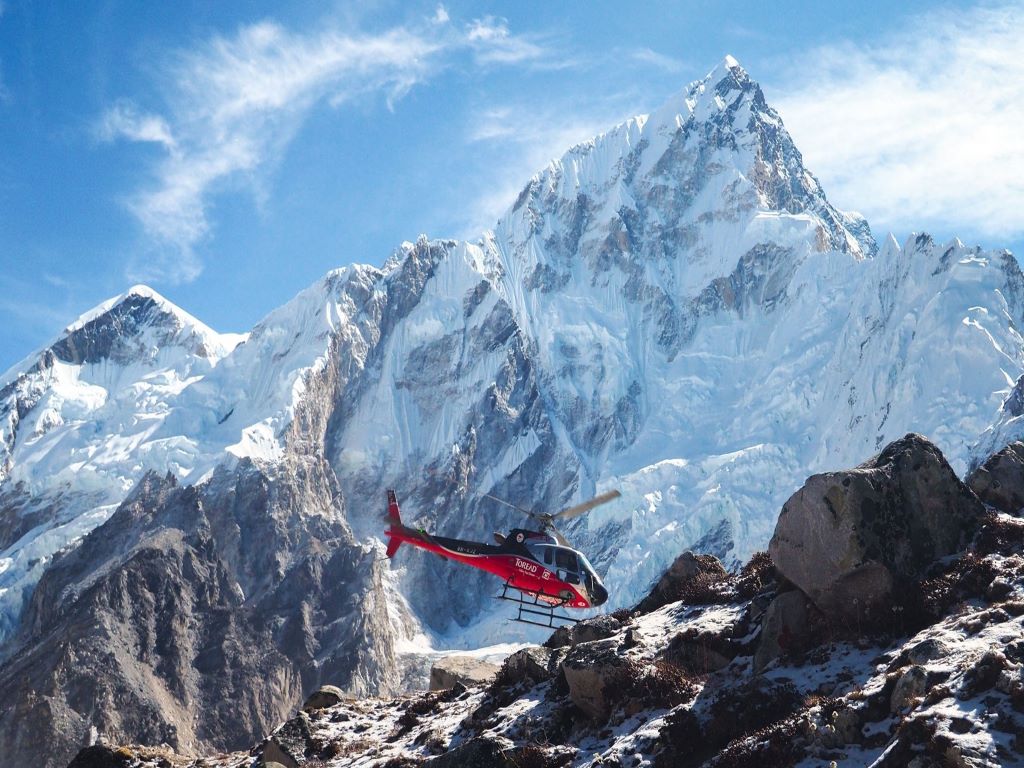
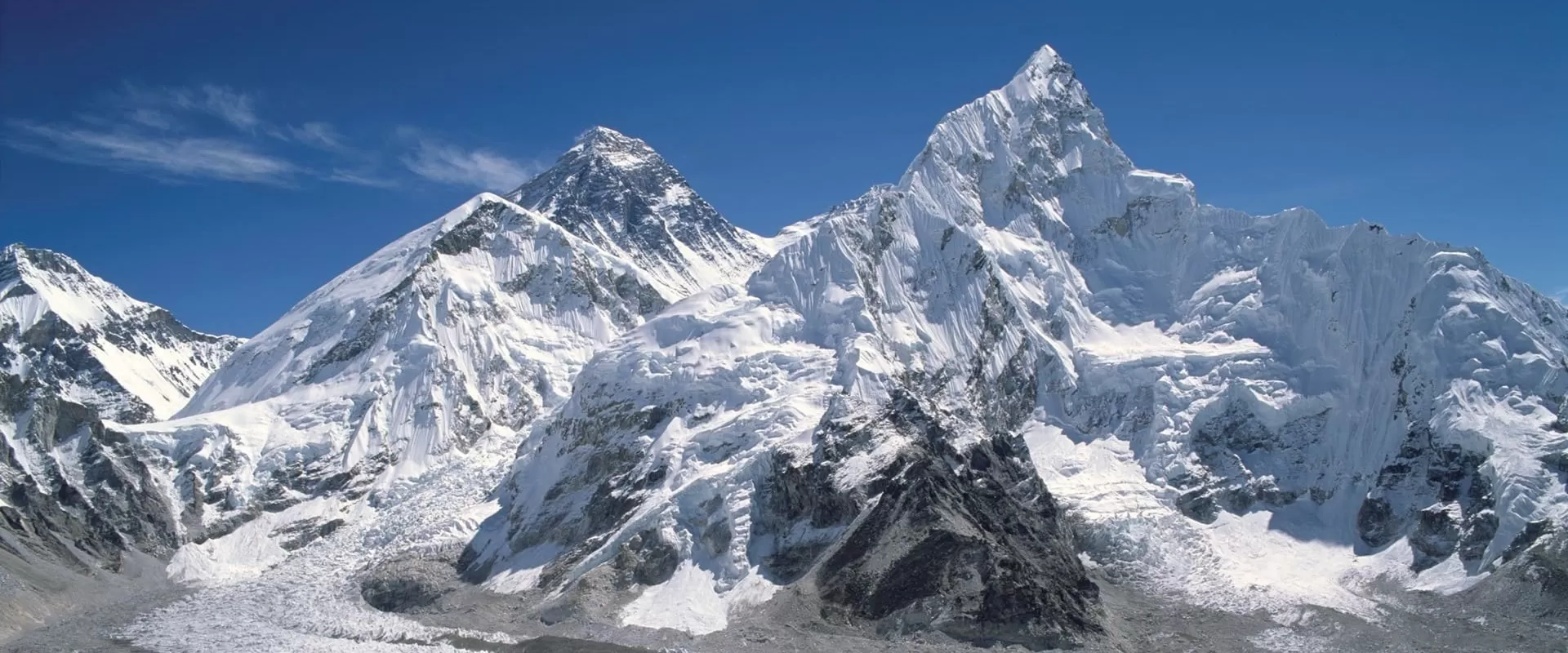
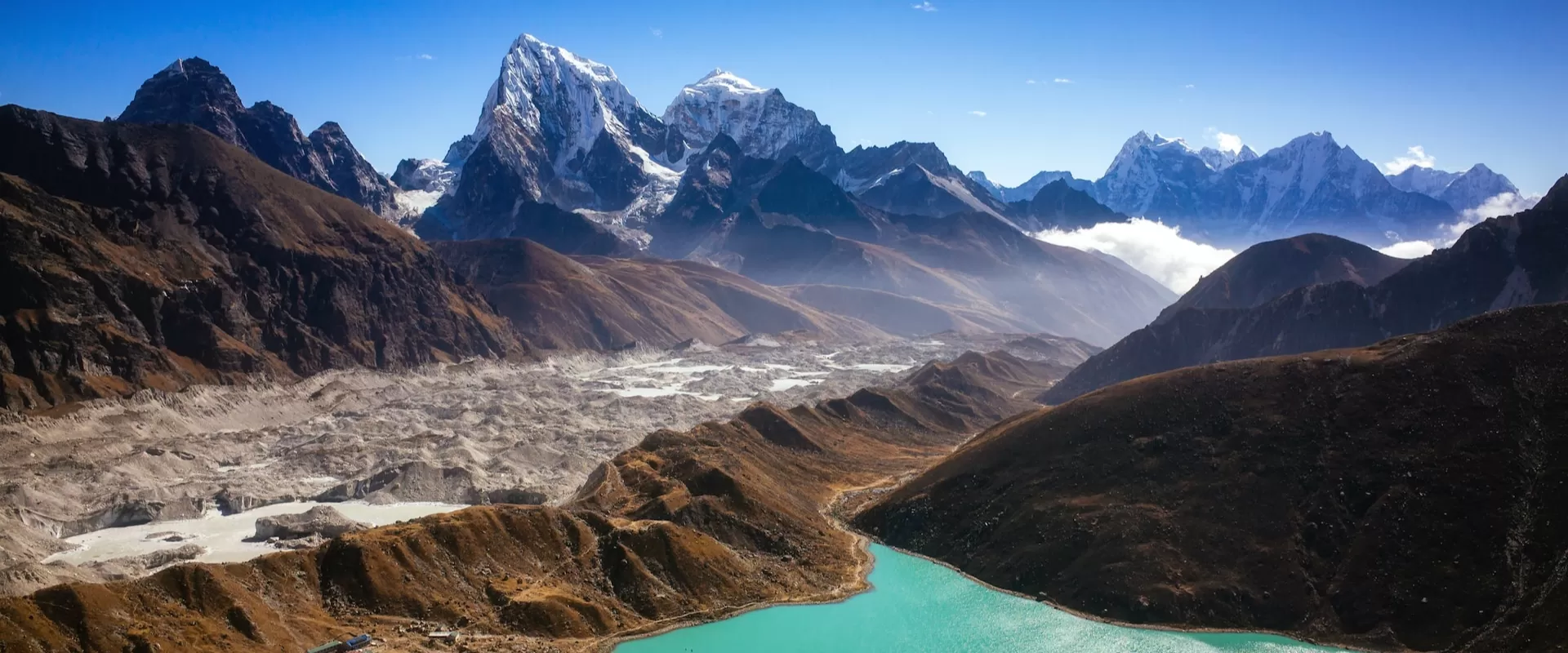
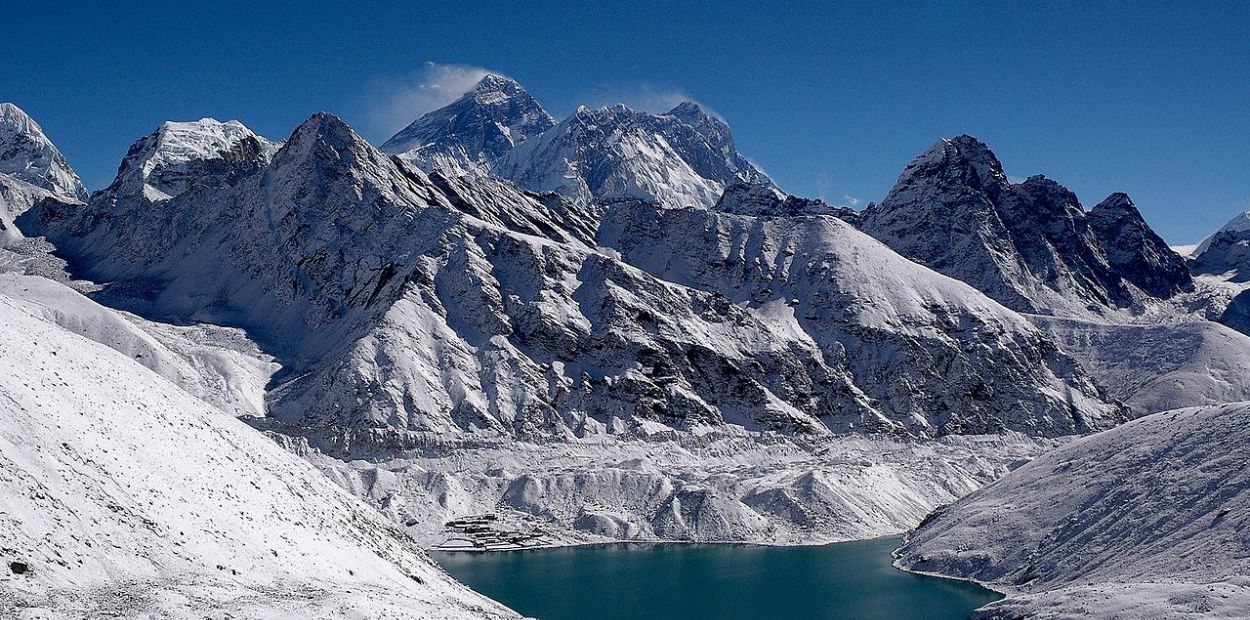
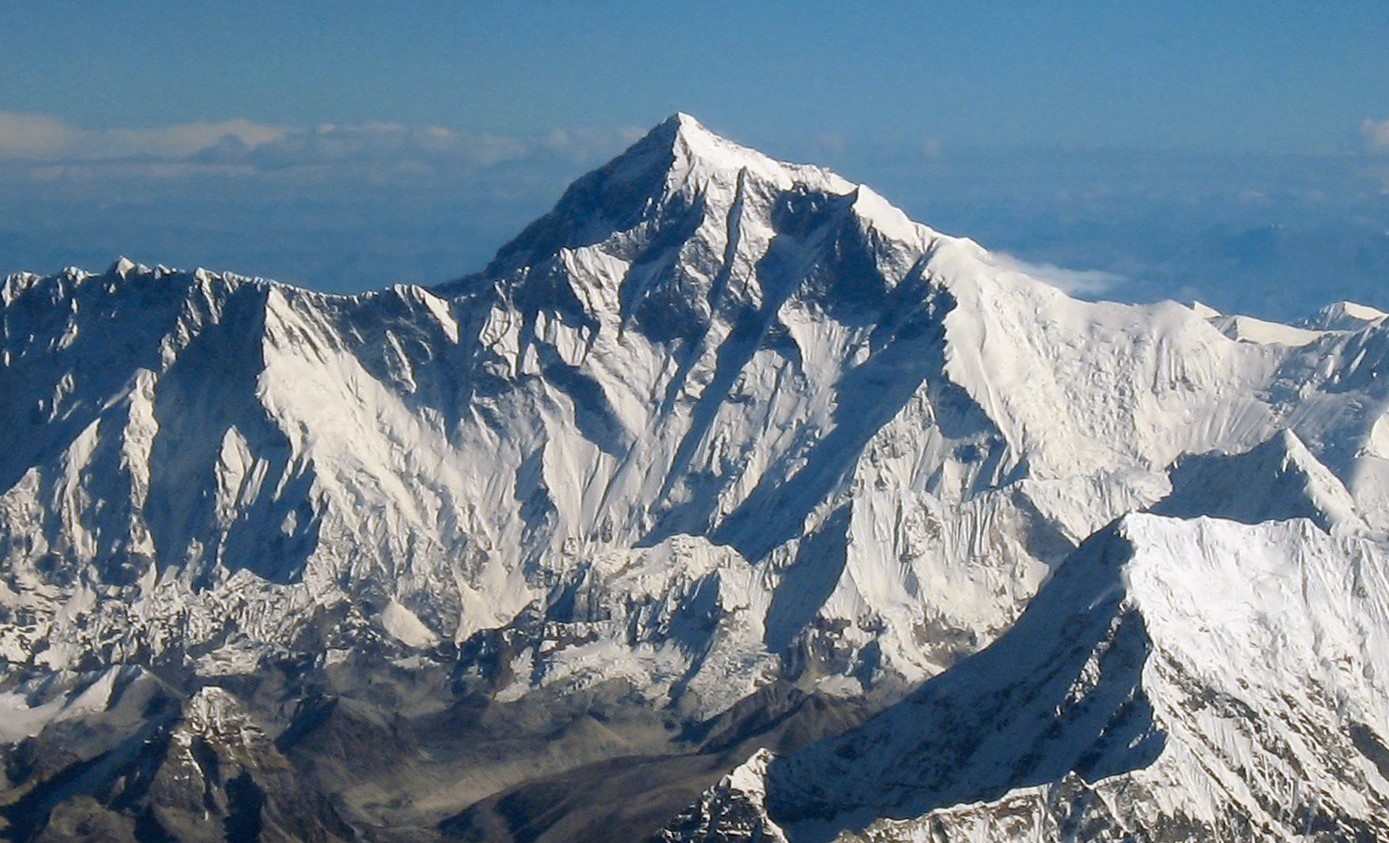
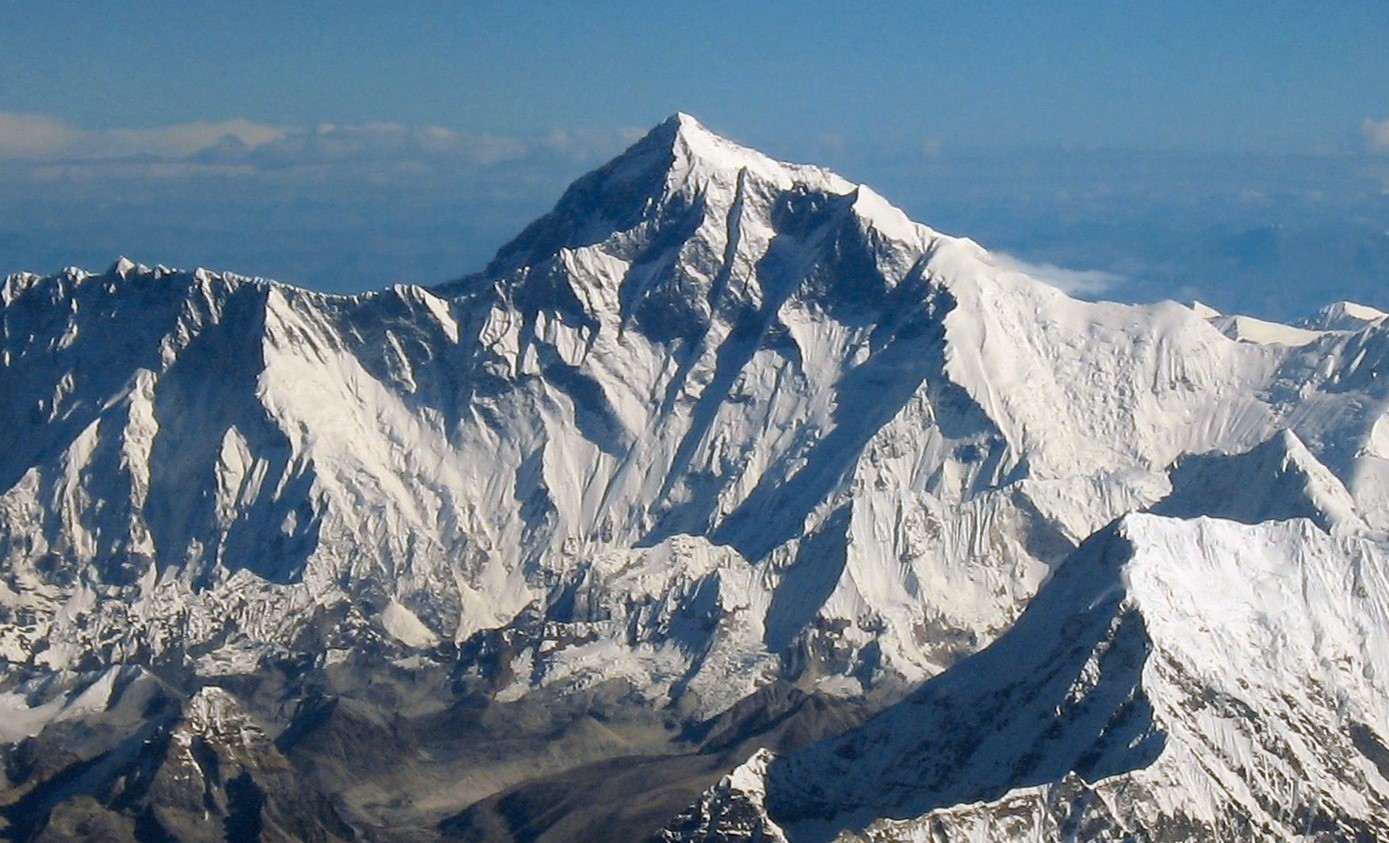
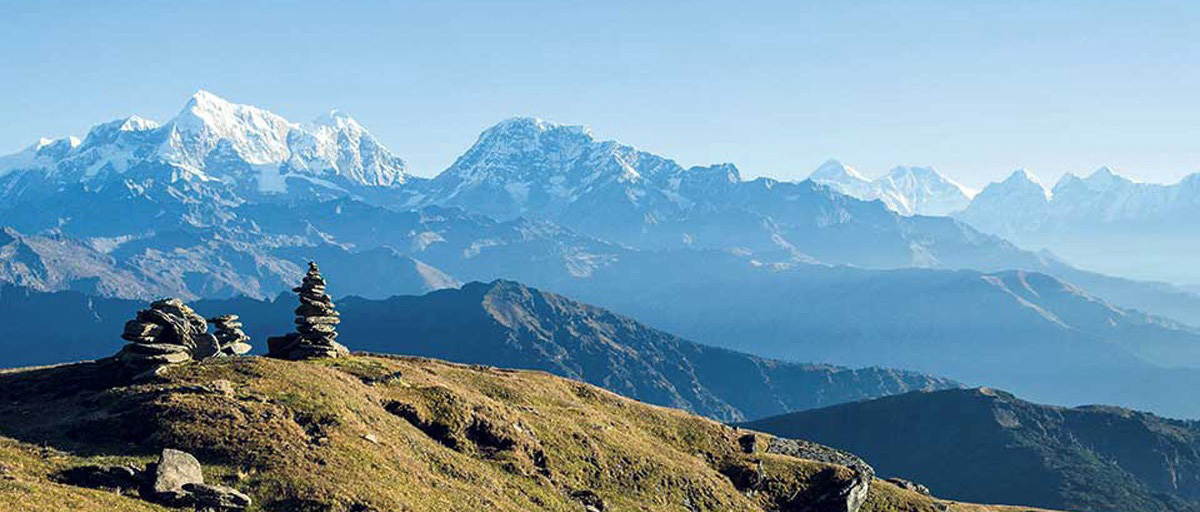
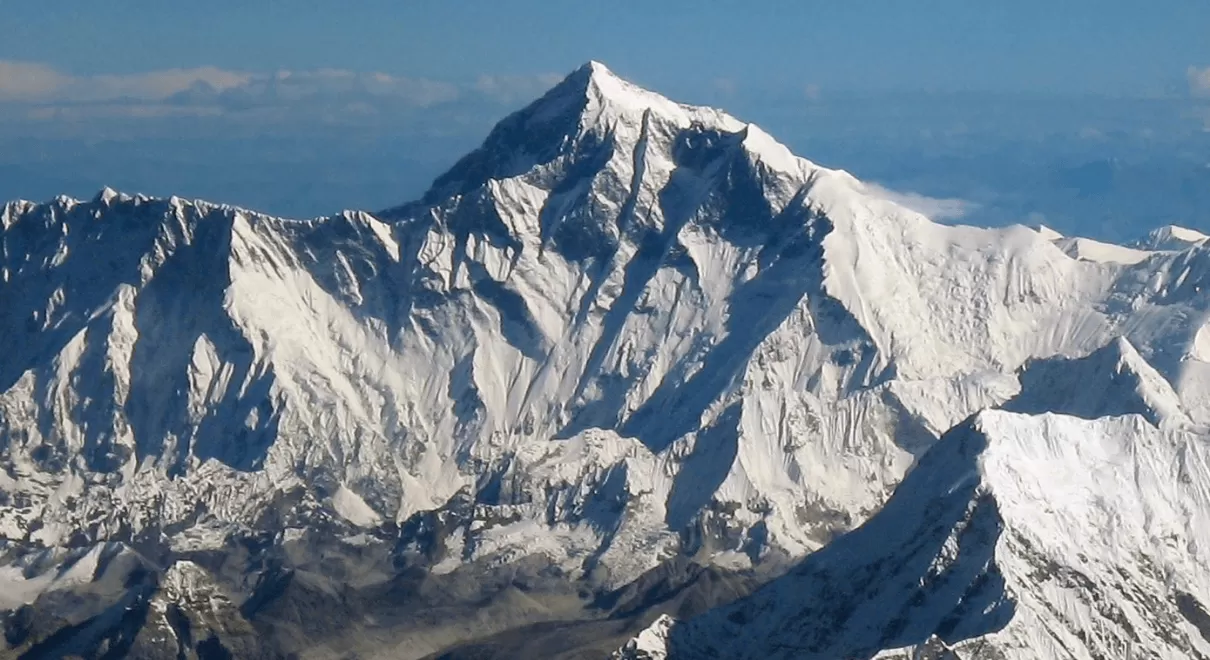
The Everest base camp helicopter tour is one of the most thrilling and popular mountain package tours in Nepal. This tour is literally a different tour package other than trekking and mountaineering. This tour focuses on people who have very limited time to visit Nepal but want to touch the highest peak in the world—Mount Everest (8,848 m). Everest Base Camp helicopter tours offer close-up Himalayan views, including the three highest peaks in the world: Everest (8,848 m), Lhotse (8,516 m), and Cho Oyu (8,216 m), and many towering peaks in the Khumbu region.

An aerial view from the helicopter is definitely an exclusive opportunity to explore the splendors of nature, the High Himalayas, and beautiful scenic countryside views. We assure you that the helicopter we have chosen is among the best in terms of your safety and security and gives you a life experience in Nepal. At the same time, we also make sure that the helicopter will be comfortable and exciting. The pilot of the helicopter is experienced and skilled, and they have good knowledge about the geography, climate, and best viewpoints.

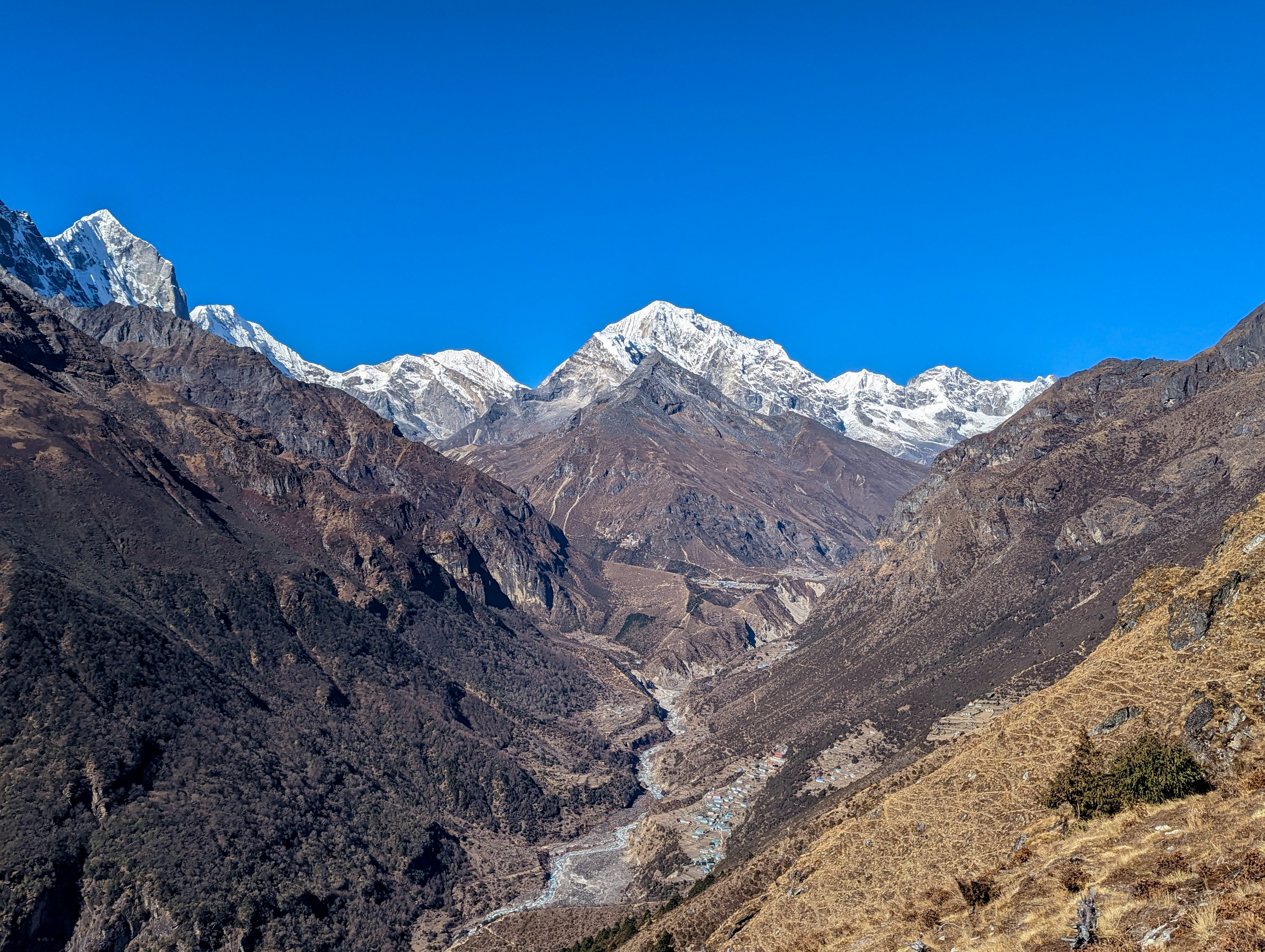
During the helicopter tours, basically, we are seeing the mountains, which are Mt. Everest (8,848 m), Mt. Lhotse (8,516 m), Mt. Cho Oyu (8,210 m), Pumori (7,561 m), Mt. Amadablam (6,856 m), Mera Peak (6,654 m), Chocolate (6,440 m), Lobuche (6,119 m), Island Peak (6,173 m), and Kwangde (6,011 m), and so many unknown peaks. In Addition, the Everest Heli tour also comprises several beautiful and scenic villages like Lukla, Namche, Tengboche, Dingboche, Lobuche, Gosaksheep, etc.

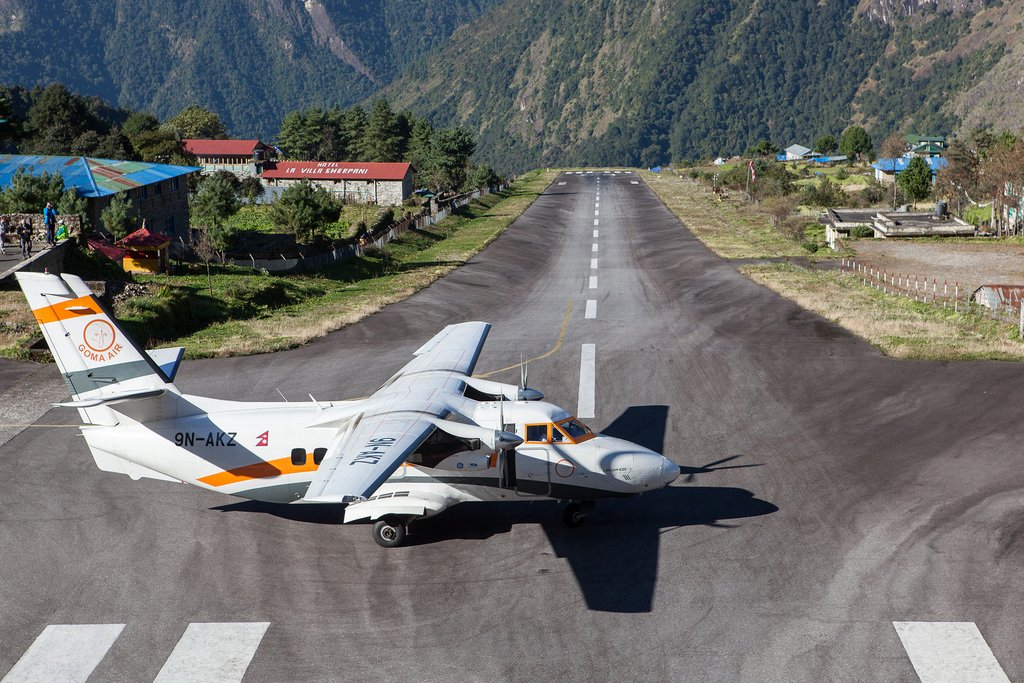
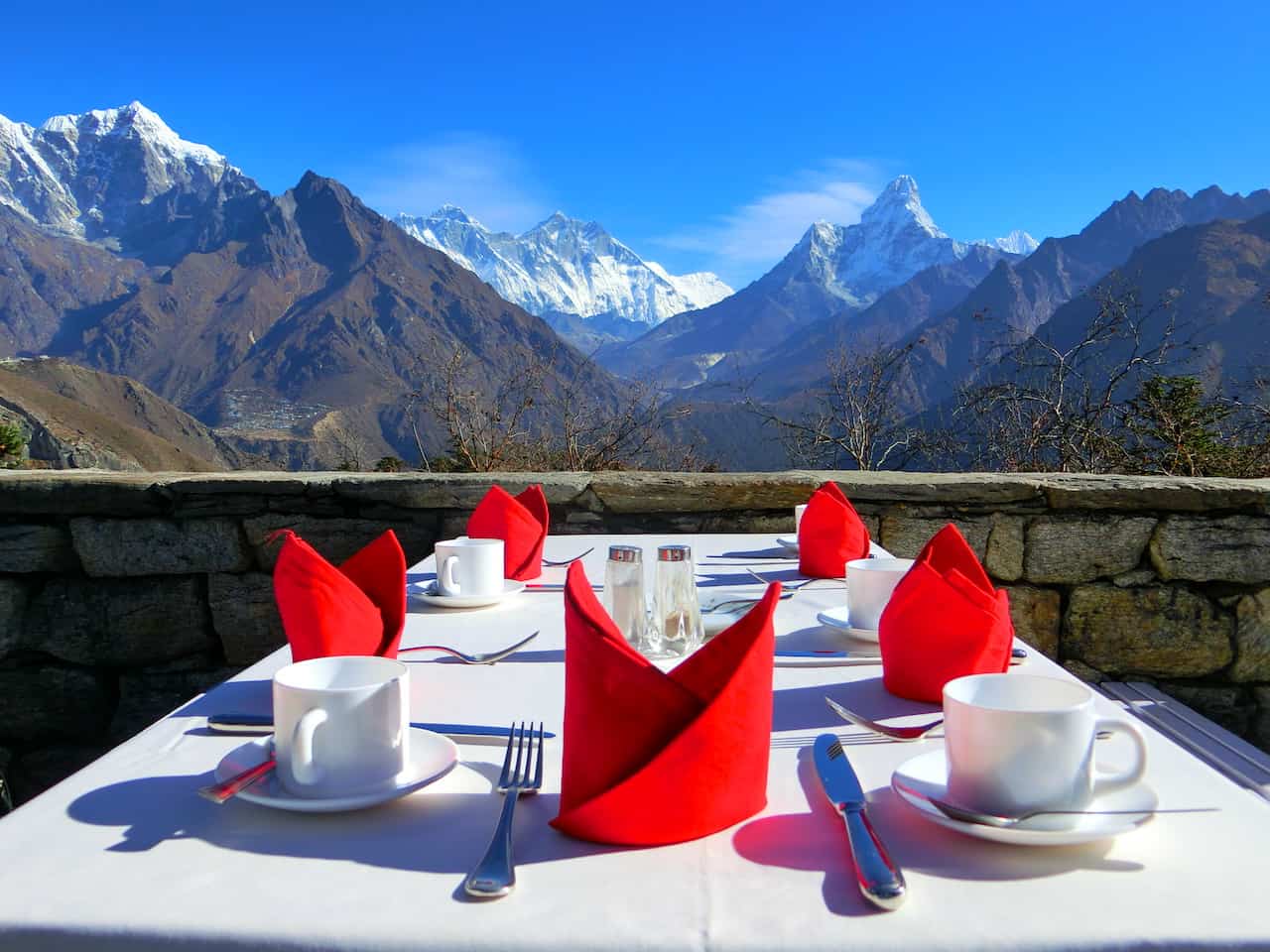
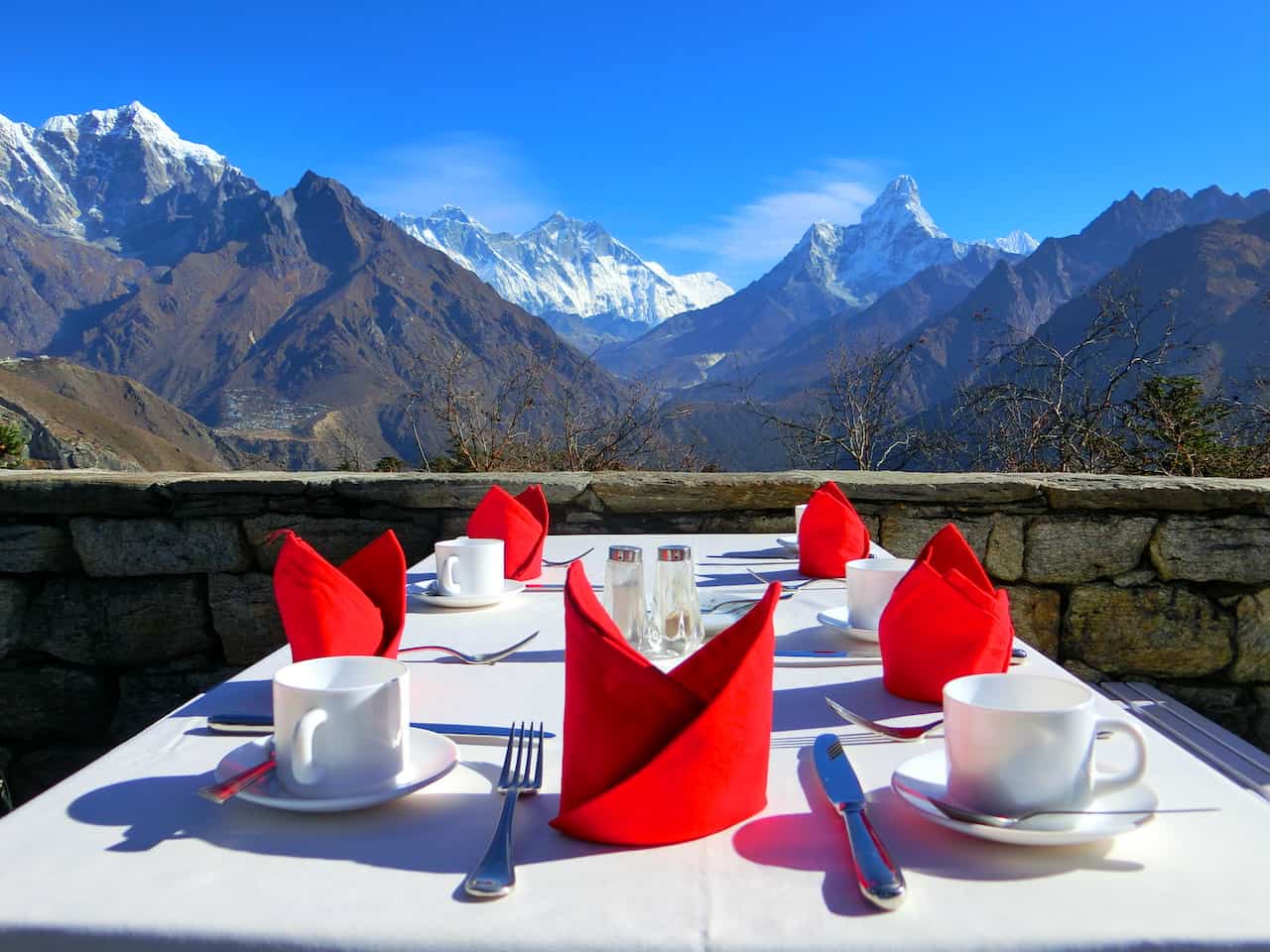
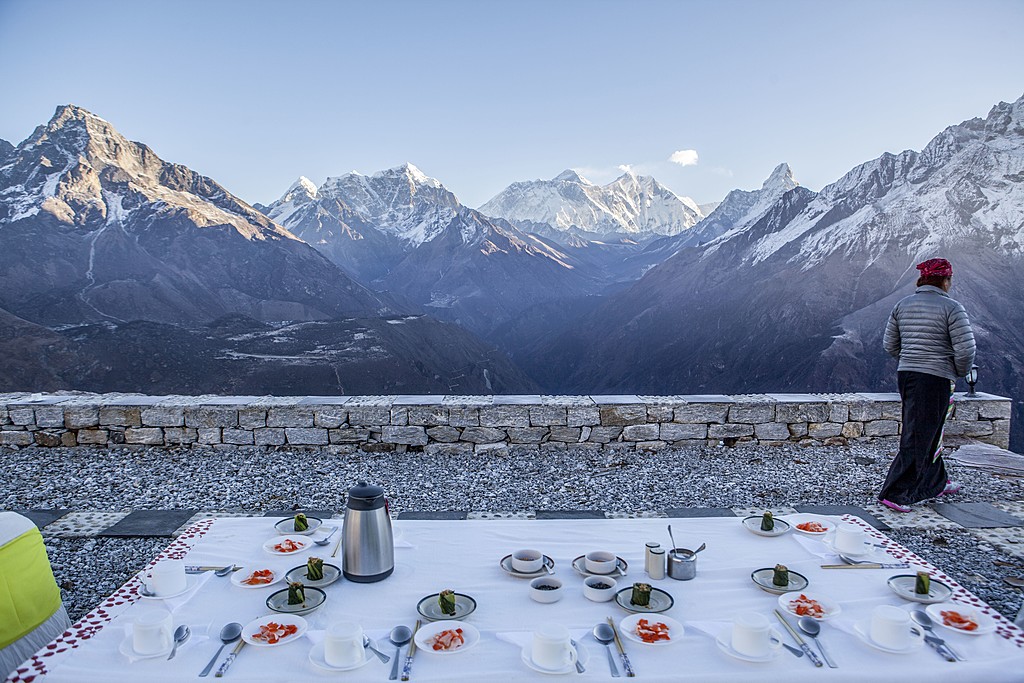
The Everest Base Camp helicopter tour is around three and a half hours long, a day tour. It begins in Kathmandu and ends in Kathmandu too. Early morning flight to Lukla Airport, which is also regarded as Tenzing-Hillary Airport. Refueling the aircraft, we fly to Everest Base Camp and its surroundings. From a viewpoint at Kalapathar, we stop for a few minutes for photos, then continue to fly towards Syanboche (3,780m). Here you will have breakfast at the Everest View Hotel, which is one of the highest-altitude hotels in the world.

Our helicopter flight to Everest Base Camp can accommodate 2 pax to a maximum of 5 passengers with full window seats, allowing you to enjoy amazing views and scenery. But, based on the body weight for the landing at Kalapather, it only allows a 220 kg maximum; if the passenger is 5, around 420 kg body weight, we do 2 times shuttle flights from Pheriche in order to split the body weight 210 kg on average.

Everest Base Camp Helicopter Tour: The Ultimate Guide for First-Time Trekkers

The experience of standing at 5,364 meters above sea level while feeling the wind chill on your cheeks brings you to a point where you can see the highest mountain in the world because you arrived via a helicopter that traveled above glaciers and high mountain ridges. The Everest base camp helicopter tour goes beyond traditional trekking. It is one of the most breathtaking, soul-stirring adventures on the planet, and it is now more accessible than ever before.

The EBC Trek with Helicopter Tour provides two experiences for visitors who want to see the Himalayan mountains because it shows them the Himalayan mountains through actual flight and gives them the royal treatment of an Everest helicopter tour. The guide we created for you will help you accomplish your dream of reaching Everest.

Why Choose the Everest Base Camp Helicopter Tour Package?

The package attracts most people because they want to reach Everest base camp, which requires time to be spent. A traditional EBC trek takes 12 to 14 days round-trip. The Everest Base Camp day helicopter tour operates as a single-day experience, which starts in Kathmandu at dawn and finishes by noon, thus providing visitors with one of the most efficient ways to achieve their travel goals.

This package meets the needs of travelers who face physical challenges, elderly travelers, families with small children, and professionals who need to work and cannot take two weeks off. The experience remains intact because you choose a better and quicker way to reach it.

What Is the Everest Base Camp Helicopter Tour, Exactly?

The Everest Base Camp Helicopter Tour offers an aerial tour which starts from Kathmandu and travels to both Everest Base Camp and Kala Patthar, which serves as the best viewing point to see Mount Everest at its 8848.86 meter height. You land, step outside, experience the thin air of the Himalayas, take photographs, and enjoy one of the most remarkable views on Earth, which exists as a single morning experience.

The helicopter flies above glaciers and Himalayan ridges and the famous Khumbu Icefall and traditional Sherpa villages, which are situated far beneath the aircraft. The morning flight will provide you with more views of Everest than most people will experience throughout their entire lives before you land back in Kathmandu.

When Is the Best Time to Do the Everest Base Camp Helicopter Tour?

The Himalayas require precise timing for optimal functioning. The two ideal windows for the Everest Base Camp day helicopter tour are

Spring (March to May): The most popular season. Helicopter visibility reaches its best level during this period because skies remain clear and temperatures stay moderate. April and early May are peak months for crystal-clear views of Everest's summit.

Autumn (September to November) serves as the second-best season because it provides consistent weather and delivers crisp mountain air and excellent visibility after the monsoon season. October is considered by many seasoned guides to be the single best month for the Everest Helicopter Tour.

The monsoon season, which lasts from June to August, should be avoided because it brings heavy rains and creates low cloud cover that results in frequent flight cancellations. Flights face extreme cold temperatures during the winter season from December to February, which causes weather disruptions that can ground flights for days.

Research and Tips for Trekkers

Before you book, here are the essential facts every traveler should know:

  • The danger of altitude sickness exists because the helicopter tour requires passengers to rise higher than 5000 meters. The night before your flight, you should spend the night at a hotel in Kathmandu, where you can sleep well and drink enough water. 
  • The helicopter operation relies on weather conditions for its function. You should create a buffer day for your schedule because delays will happen during handover periods of the year. 
  • Private helicopter charters cost much more than group helicopter tours, which operate at lower prices. The group booking will make you fly with 4 to 5 other passengers who will share the aircraft with you. 
  • The costs for the service start at approximately USD 1000 and reach above USD 5000 according to your choice between group tours and private tours. 
  • The tours start at dawn because most of them have early morning departure times. Morning flights provide the best views of Everest because clouds do not develop until after 10 AM.

What Are People Afraid Of — and What Mistakes Do Beginners Make?

Your training data extends until the month of October in the year 2023. The primary fear people have is their ability to control altitude sickness. Visitors who come to the Himalayas for their first experience do not realize that high altitude causes their bodies to suffer from headaches, nausea, dizziness, and dangerous fluid buildup, which leads to severe health risks. The Everest Base Camp Helicopter Tour actually mitigates this risk significantly because the tour restricts your time spent at high altitudes to short intervals, which they control. You should always pay attention to the initial warning signs of your health condition.

The most common beginner mistakes include:

The cheapest option needs to be approved after checking the operator's background. The safety protocols that helicopter tour companies follow differ between different organizations. You should select a licensed operator who has good reviews and operates according to the Civil Aviation Authority regulations of Nepal.

Travel insurance needs to be forgotten. This requirement cannot be changed. Your policy needs to explicitly include high-altitude helicopter evacuation coverage because standard travel insurance does not provide this service.

Some travelers need to skip their early morning flight because they want to sleep in late. The majority of travelers who request later flights to sleep in will experience cloudy skies, which results in bad observations. The dawn departure exists to serve an essential purpose. 

People make two mistakes when they go skiing because they need to learn about high-altitude cold conditions. The temperature at Kala Patthar reaches extreme lows during spring and autumn because it drops below freezing. The temperature at Kathmandu's departure time requires visitors to wear multiple warm, windproof layers, which they should use for their entire stay.

Real Challenges and How to Solve Them

The problem occurs when flights get canceled because of adverse weather conditions. 

The solution requires travelers to choose flights through a trustworthy travel agency that provides customers with flexible rebooking options while maintaining partnerships with certified helicopter services. Travelers should include extra time in their trip plans to prevent unexpected delays.

The problem arises when people experience altitude sickness during their descent from high altitudes. 

The solution requires you to exit the helicopter at Kala Patthar by moving at a slow pace. The solution requires you to cease all physical activities because your body must rest. Breathe deeply and steadily. The upcoming time period from your arrival time lasts for 20 to 30 minutes, so you should spend it in a peaceful manner.

The problem occurs when low visibility conditions stop people from observing the entire Everest view. 

The solution requires flights to operate at dawn because it is the only time when planes can take off. The reason why reputable tour operators schedule their departures between 6 and 7 AM is that morning air maintains its clear condition while remaining calm.

The problem arises when people feel Base Camp. 

The solution requires you to select a package that provides an extended landing time at Kala Patthar because it will allow you to stay for 20 to 30 minutes on the ground instead of experiencing a brief flyby. The operator should provide you with confirmation before you make your booking.

A Personal Experience Worth Sharing

The moment when the helicopter turned left, and Everest appeared to fill our entire window view, remains unforgettable to me. The pilot directed his finger toward the Khumbu Icefall, which spread out below us as an uncontrollable frozen waterfall that had defeated many of history's top climbers. The wind created complete silence upon our arrival at Kala Patthar because there were no other sounds present.

The meter distance to 5,550 meters showed me why people spend their entire lives to reach this location. I accomplished the task within one morning while my thermos still contained hot coffee. The Everest Base Camp Helicopter Tour creates an experience that combines wonder with humility and disbelief for every traveler who visits the site.

Offering Real Value: Is This Tour Right for You?

You should choose this package if:

  • You want to see Everest, but you have limited time.
  • You want to experience the Himalayas with luxury or semi-luxury amenities but need to avoid the physical demands of a two-week trek.
  • You are traveling with elderly family members who need special assistance, young children, or people who have difficulty walking.
  • You want to experience a new, breathtaking view of the world after walking EBC.

You should consider the full 12-day trek instead if:

  • You want to experience the entire journey, which includes overland travel through villages and trails and the gradual ascent to your destination.
  • Your main concern is your financial needs.
  • You want to experience deep cultural immersion in Sherpa communities.

There is no wrong answer — there is only the adventure that fits your life right now.

Expertise, Authority, and Trust: Choosing the Right Operator

Your Everest Helicopter Tour reservation requires you to select operators who hold registration with the Nepal Tourism Board and membership in the Trekking Agencies Association of Nepal TAAN and who have verified customer reviews on TripAdvisor and Google. Actual businesses provide complete information about their services and limitations, operate contemporary helicopters that meet safety standards, and will never pressure customers to take flights during dangerous situations. The trustworthy operators will inform you of current weather conditions that make flying impossible, because their truthful information is more valuable than any available discounts.

Complete Detailed Day Schedule


 PRE-DAWN — HOTEL

5:00 AM — Wake Up

  • Rise and freshen up
  • Dress in layers — base layer, fleece mid-layer, and a windproof outer jacket
  • Apply sunscreen (UV is intense at high altitude even in the morning)
  • Put on comfortable trekking boots or sturdy shoes
  • Pack your daypack: camera, extra battery, water bottle, light snacks, sunglasses, lip balm

5:10 AM — Light Breakfast

  • Eat something small and light — toast, banana, or a light snack
  • Avoid heavy, oily, or dairy-heavy food to prevent nausea at altitude
  • Drink water but do not overhydrate
  • No alcohol the night before or morning of the flight

5:20 AM — Final Check

  • Double-check your passport or ID (required for domestic check-in)
  • Confirm you have your booking confirmation / voucher
  • Leave heavy luggage at the hotel — only carry your daypack
  • Reminder: total weight per passenger (body + bag) is strictly limited, typically 80–90 kg

 5:30 AM — DEPART HOTEL

  • Private vehicle picks you up from the hotel lobby
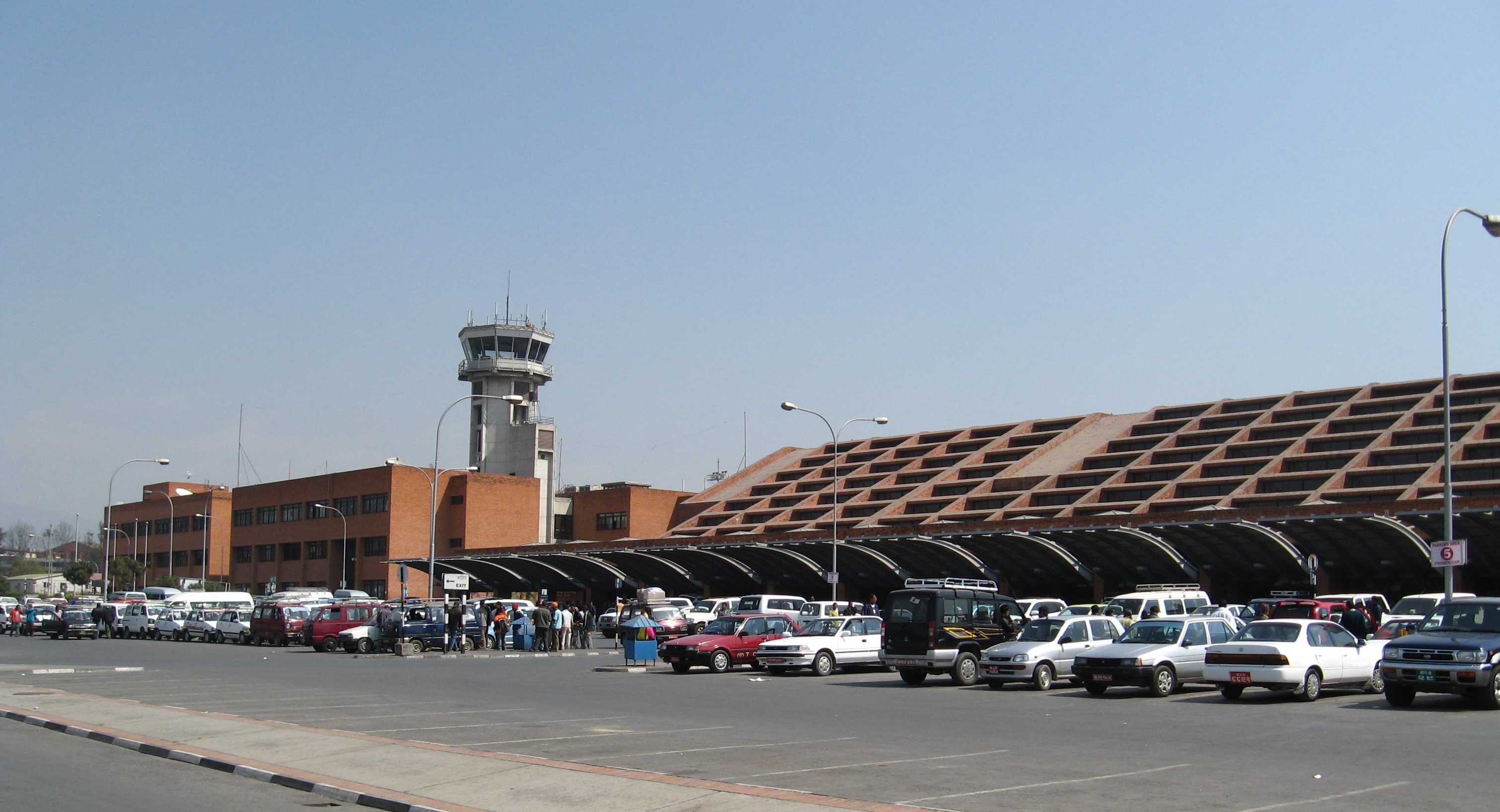
  • Drive to Tribhuvan International Airport domestic terminal
  • Journey takes approximately 20–30 minutes depending on Kathmandu traffic
  • Enjoy the quiet city streets before Kathmandu wakes up

 6:00 AM — AIRPORT ARRIVAL & CHECK-IN

6:00 AM — Arrival at Domestic Terminal

  • Meet your tour guide / ground crew at the designated meeting point
  • Hand over your booking documents and ID

6:05 AM — Weigh-In

  • You and your daypack will be weighed together
  • This is mandatory for all helicopter flights — no exceptions
  • Excess weight may incur extra charges

6:10 AM — Safety Briefing

  • Tour guide walks you through helicopter safety procedures
  • How to board and disembark safely
  • What to do at altitude (move slowly, no running, deep breathing)
  • Emergency protocols and communication
  • Weather conditions update for the route

6:15 AM — Weather Clearance Confirmation

  • Pilot receives final clearance from air traffic control
  • Morning is the best window — clouds and wind build rapidly after 10 AM
  • In rare cases of bad weather, departure may be delayed 15–30 minutes

6:20 AM — Board the Helicopter

  • Walk to the helipad with your guide
  • Typically a 5–6 seater helicopter (e.g., Airbus H125 or similar)
  • Assigned seating — window seats for the best views
  • Fasten seatbelt, put on headset for communication with the pilot
  • Pilot runs pre-flight checks

6:30 – 7:00 AM — TAKE OFF FROM KATHMANDU

Altitude: 1,400m

  • Helicopter lifts off and heads northeast out of the Kathmandu Valley
  • The city spreads out below you — temples, rooftops, and winding roads
  • Cross the rim of the Kathmandu Valley and enter the Himalayan foothills
  • The landscape transitions quickly from green terraced hills to rocky high-altitude terrain
  • First distant glimpses of snow-capped peaks appear on the horizon
  • Pilot narrates key landmarks through the headset

 7:00 AM — FLYING OVER LUKLA

Altitude: 2,860m

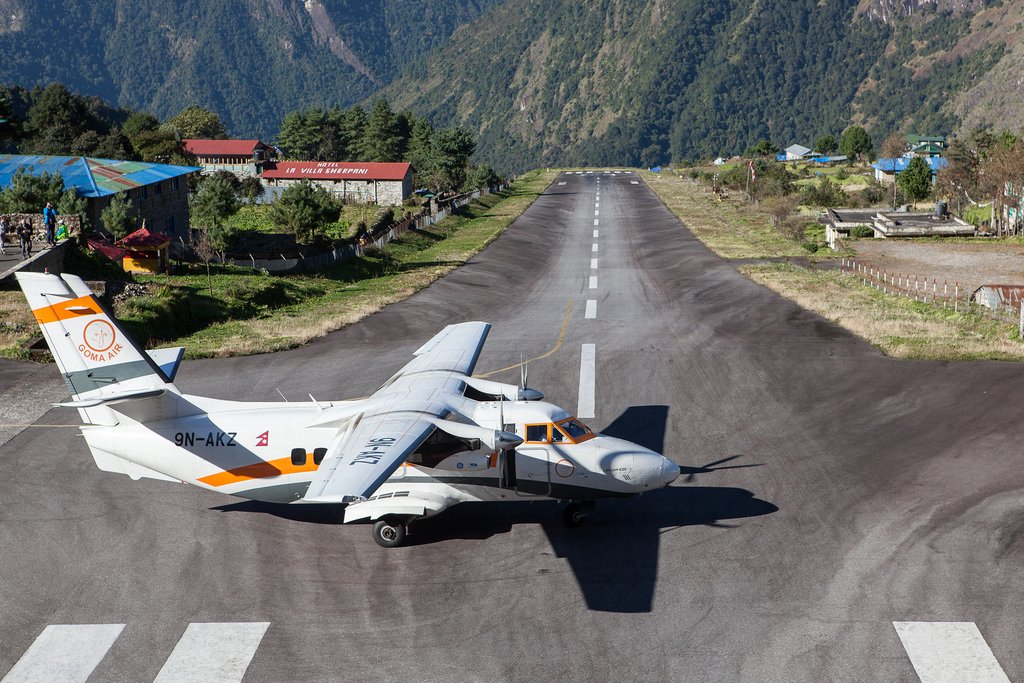
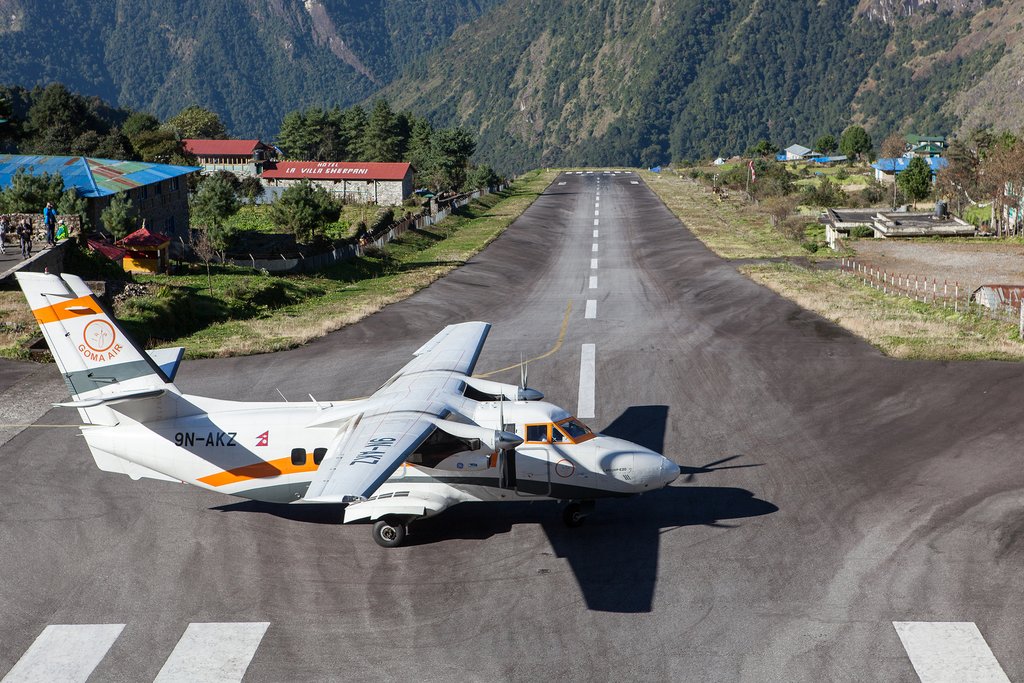
  • Pass over the famous Tenzing-Hillary Airport at Lukla — one of the world's most dangerous airports with its short cliff-edge runway
  • The Dudh Koshi River valley stretches below in deep gorges
  • Traditional Sherpa villages dot the ridgelines
  • Dense rhododendron and pine forests give way to bare rock and ice above

7:10 AM — FLYING OVER NAMCHE BAZAAR

Altitude: 3,440m

  • Aerial view of the famous horseshoe-shaped Sherpa trading town
  • You can see the densely packed stone houses carved into the hillside
  • The Sagarmatha National Park headquarters visible on the ridge above town
  • Views of Kongde Ri and surrounding peaks opening up to the north

7:20 AM — FLYING OVER TENGBOCHE MONASTERY

Altitude: 3,867m

  • The ancient Tengboche Monastery comes into view — the most famous Buddhist monastery in the Khumbu region
  • Surrounded by a spectacular amphitheater of peaks
  • Ama Dablam (6,812m) — one of the world's most beautiful mountains — appears in full glory
  • The glacier-carved valley narrows as you ascend higher into the Khumbu

7:30 AM — APPROACH TO KALA PATTHAR

Altitude rising to 5,545m

  • The terrain becomes stark, rocky, and dramatic
  • The Khumbu Glacier stretches out — a vast river of ancient ice below
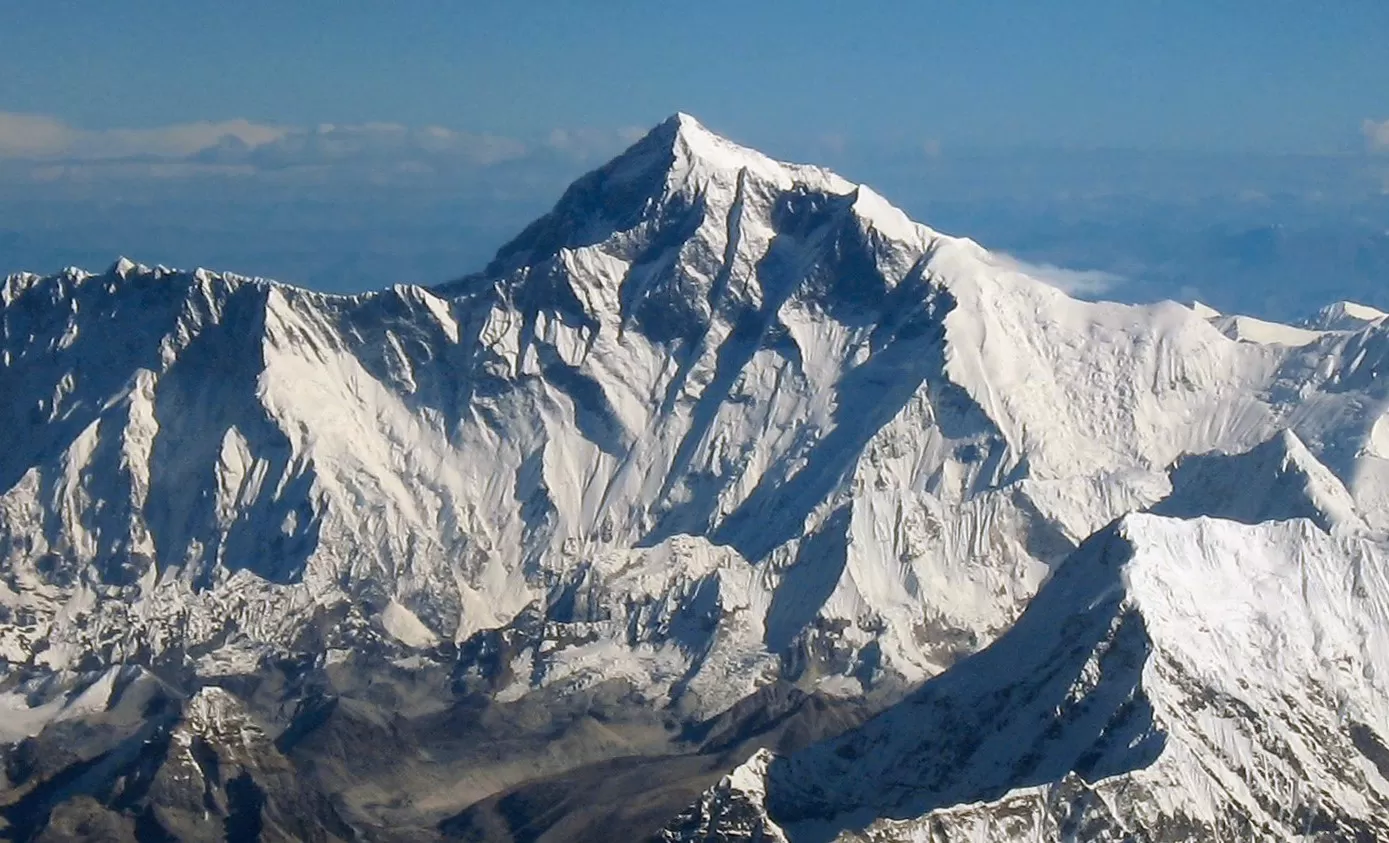
  • Everest's distinctive black pyramid summit comes into clear view for the first time
  • The helicopter makes a careful approach to the Kala Patthar landing point
  • Passengers are reminded to move slowly upon landing

 7:35 AM — LAND AT KALA PATTHAR

Altitude: 5,545m — Highest point of the tour

7:35 AM — Disembark

  • Step out carefully onto the rocky ridge
  • The cold wind hits immediately — zip up all layers
  • Altitude is intense — take slow, deliberate steps from the moment you land

7:40 AM — Summit Experience (30–40 minutes)

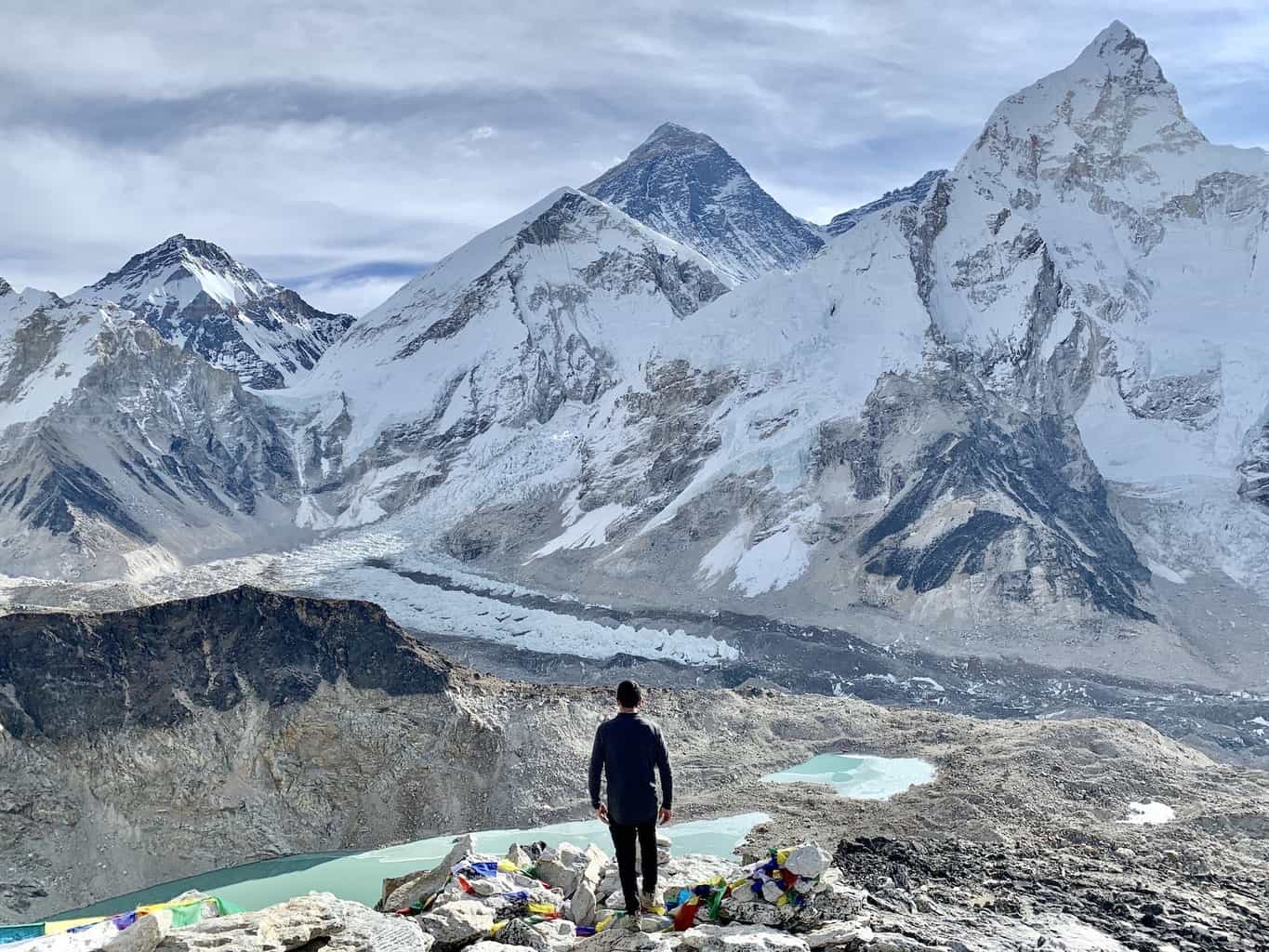
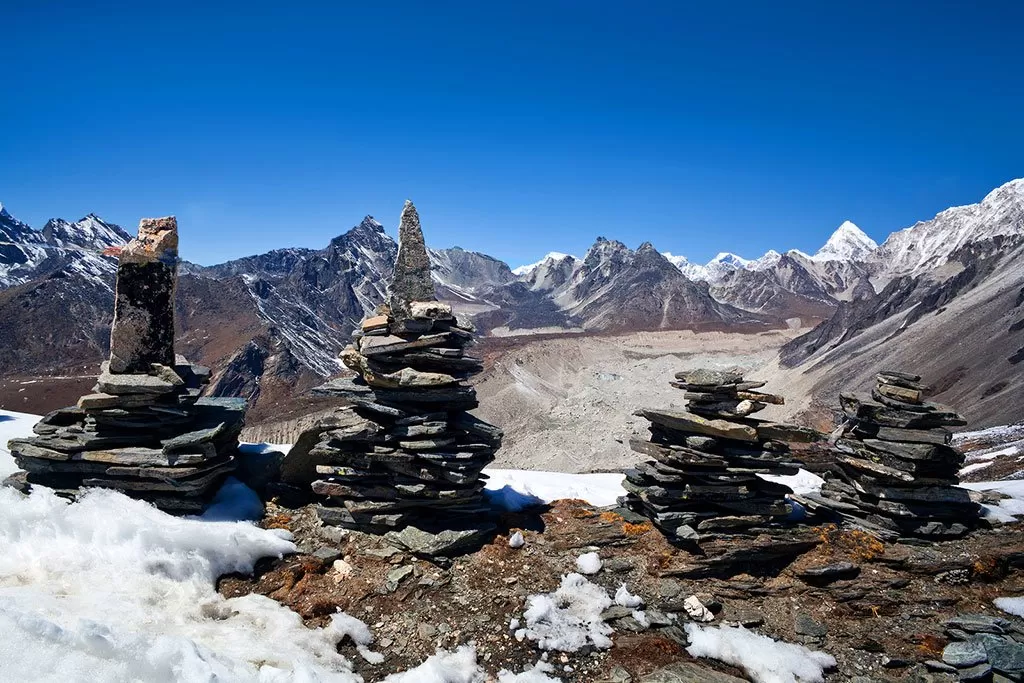
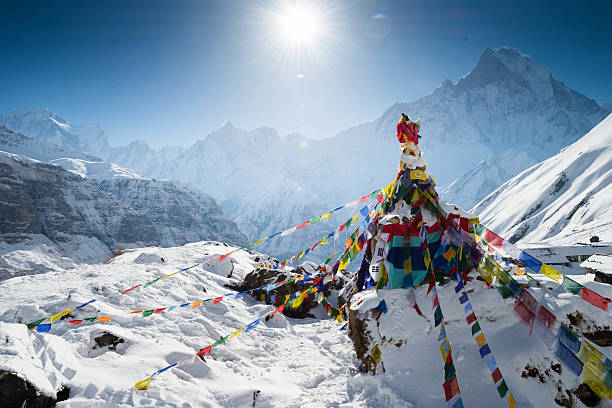
  • Walk slowly to the iconic Kala Patthar viewpoint markers and prayer flags
  • Mt. Everest (8,849m) towers directly in front of you — the closest most non-trekkers will ever get
  • Surrounding peaks visible: Lhotse (8,516m), Nuptse (7,861m), Changtse, Pumori (7,161m)
  • The full sweep of the Khumbu Glacier and Icefall stretches below
  • Take your time with photos — tripod shots, panoramics, portrait shots with Everest behind you
  • Your guide will point out key landmarks and share stories about the mountain
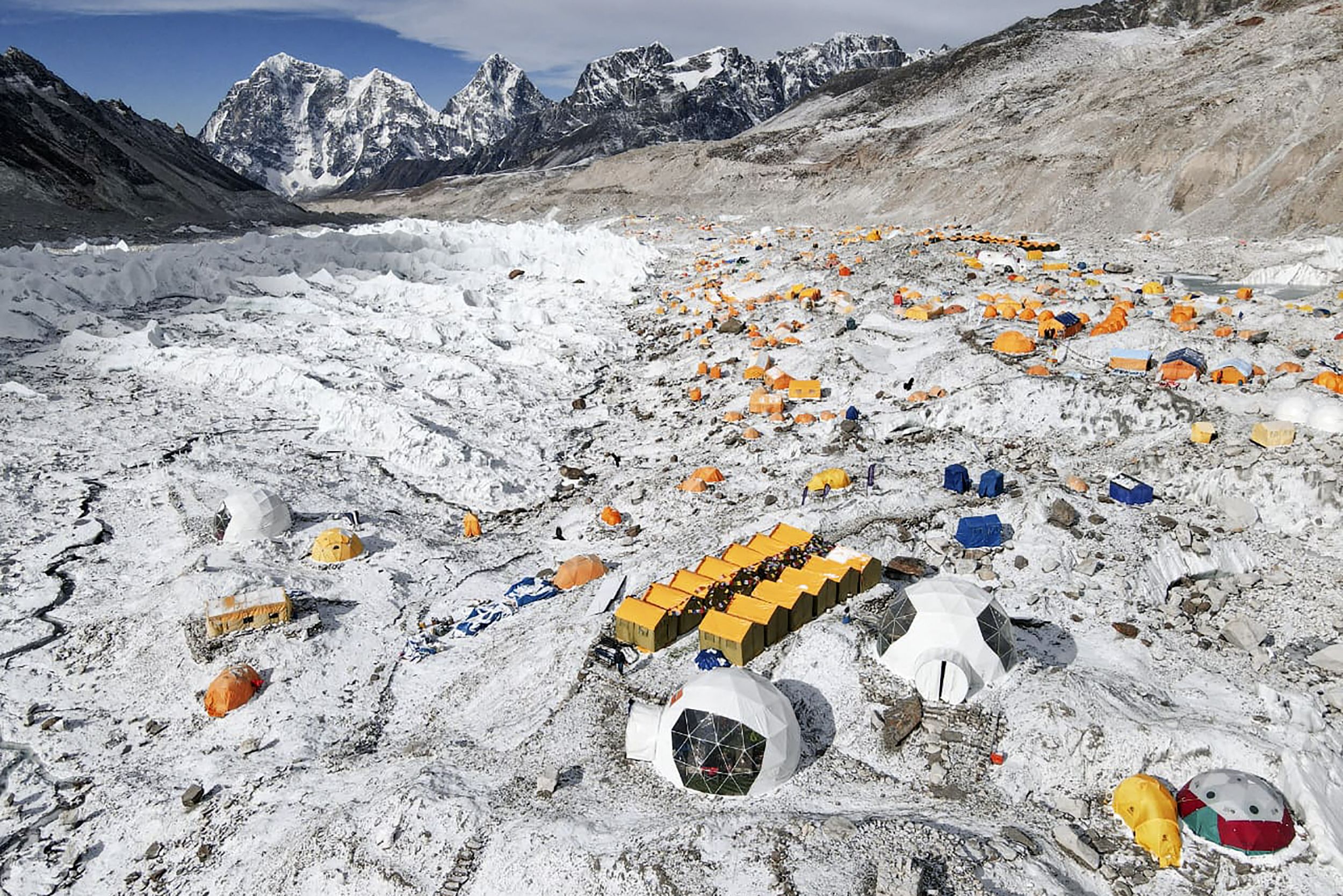
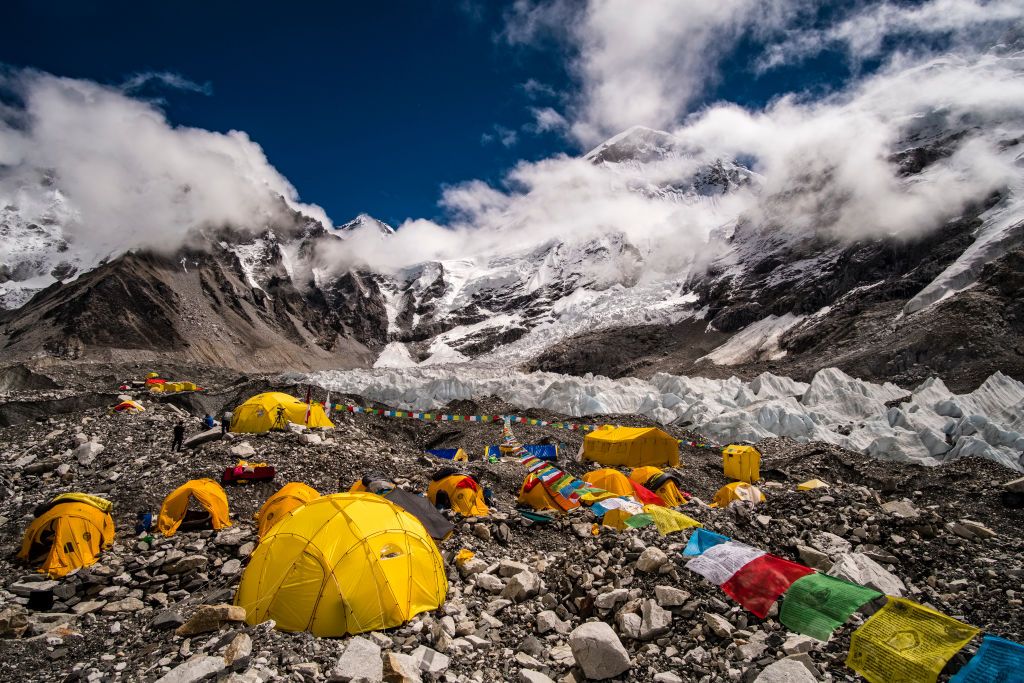
  • Look down to spot Everest Base Camp — visible as a cluster of colorful tents on the glacier

What to expect physically:

  • Shortness of breath is completely normal — the air has ~50% less oxygen than at sea level
  • You may feel a mild headache, lightheadedness, or tingling fingers
  • Move slowly at all times — do not run under any circumstances
  • If you feel severe dizziness, chest pain, or nausea, return to the helicopter immediately

8:15 AM — Reboard the Helicopter

  • Guide assists everyone back on board
  • Pilot performs a safety check before liftoff

 8:20 AM — FLY OVER EVEREST BASE CAMP

Altitude: 5,364m

  • Helicopter descends slightly and makes a low pass over Everest Base Camp
  • See the labyrinth of tents, ropes, gear, and the Base Camp community up close from the air
  • The Khumbu Icefall — one of the most dangerous sections of the Everest climb — is jaw-dropping from above
  • A maze of crevasses, ice towers (seracs), and shifting ice blocks
  • If permits allow and weather is perfect, a brief landing at Base Camp may be possible
  • Incredible photo opportunity as the helicopter hovers low

 8:45 AM — LAND AT HOTEL EVEREST VIEW, SYANGBOCHE

Altitude: 3,880m

  • Arrive at the legendary Hotel Everest View — the world's highest-altitude hotel
  • Perched on a ridge with an unobstructed, panoramic view of Everest, Ama Dablam, and Thamserku
  • Sit down to a well-earned hot breakfast, which typically includes:
    • Hot tea or coffee (Nepali milk tea or black)
    • Toast, eggs, or local bread
    • Fresh fruit and light snacks
  • Relax on the terrace and soak in the surreal views
  • Final chance for photos with Everest as the backdrop in beautiful morning light
  • Chat with your guide about what you've just experienced

9:30 AM — Reboard for Return Flight


9:30 AM — RETURN FLIGHT TO KATHMANDU

  • Retrace the route southward back down the Khumbu Valley
  • A completely different perspective on the return — you now recognize every landmark
  • Flying back over Tengboche, Namche, and Lukla
  • The landscape transitions back from stark high-altitude rock to lush green Himalayan foothills
  • Kathmandu Valley comes into view as you descend

10:30 AM — LAND BACK IN KATHMANDU

Altitude: 1,400m

10:30 AM — Land at Domestic Terminal

  • Disembark the helicopter and collect your belongings
  • Take a few moments — the contrast from 5,500m to 1,400m is immediate

10:45 AM — Certificate & Wrap-Up

  • Your tour operator presents you with a Certificate of Achievement
  • Group photo opportunity with the helicopter and crew
  • Guide shares final tips and answers any questions

11:00 AM — Transfer Back to Hotel

  • Private vehicle returns you to your hotel
  • Arrive back in time for a second, proper breakfast or early lunch

REST OF THE DAY — FREE TIME IN KATHMANDU

Late Morning Options:

  • Return to hotel for a rest — altitude can make you tired even after descending
  • Enjoy a full brunch at a Thamel rooftop cafe

Afternoon Options:

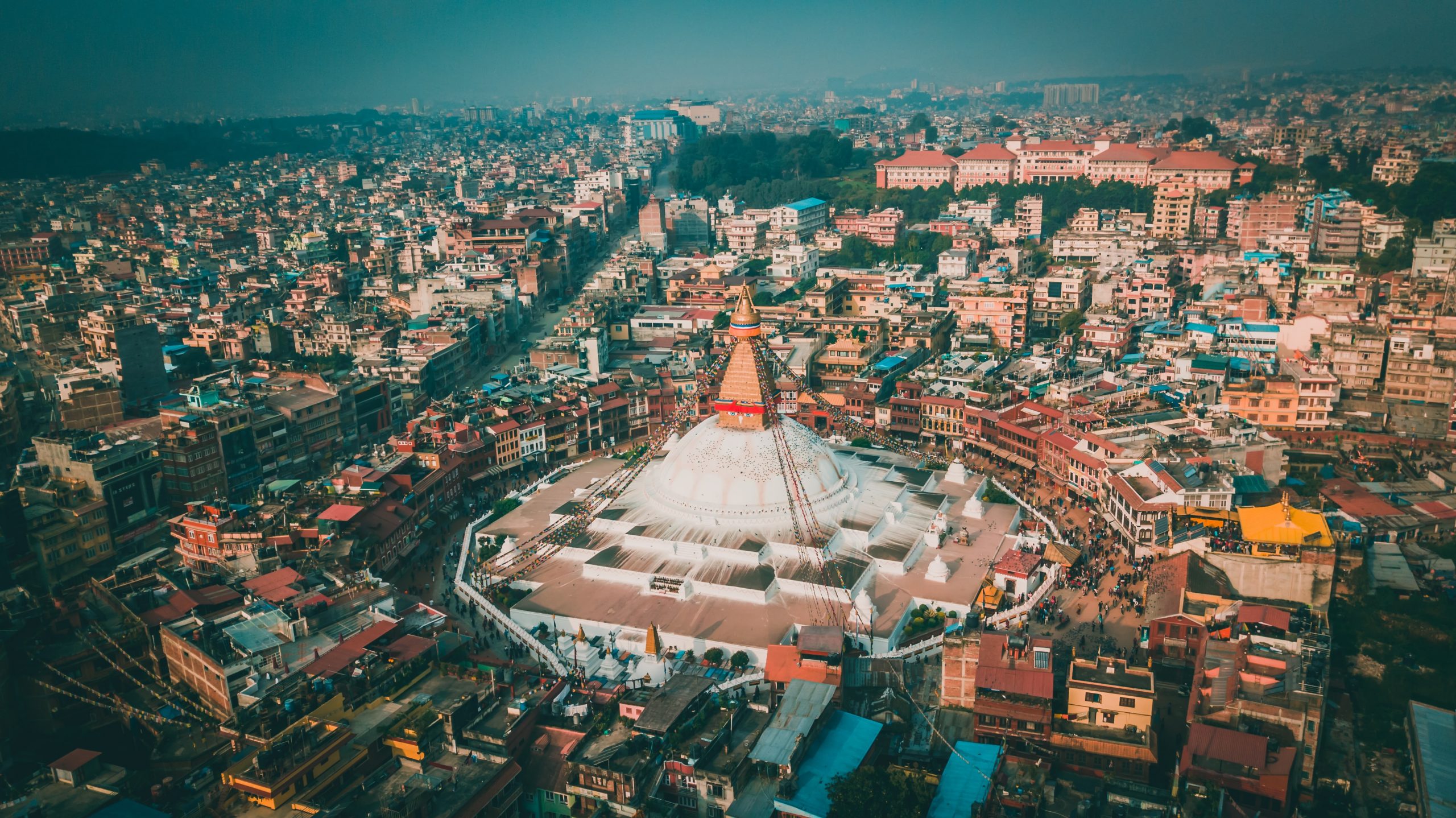
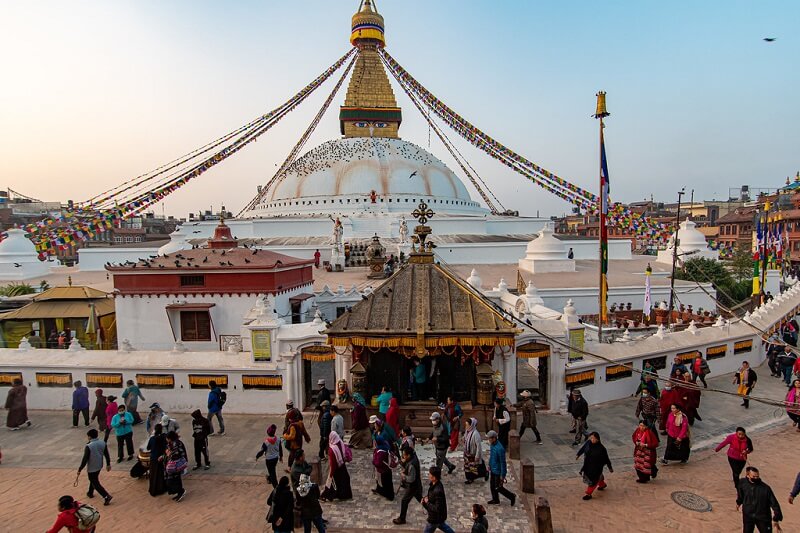
  •  Visit Boudhanath Stupa — one of the largest Buddhist stupas in the world
  •  Visit Pashupatinath Temple on the banks of the Bagmati River
  •  Shop in Thamel for trekking gear, pashmina, thangka paintings, and souvenirs
  •  Walk through Durbar Square (Kathmandu or Patan)
  •  Celebrate with a traditional Nepali Dal Bhat dinner in the evening

 COMPLETE TIME SUMMARY

Time

Activity

5:00 AM

Wake up, dress, pack

5:10 AM

Light breakfast at hotel

5:30 AM

Depart hotel by vehicle

6:00 AM

Airport arrival & check-in

6:10 AM

Safety briefing

6:20 AM

Board helicopter

6:30–7:00 AM

Take off from Kathmandu

7:00 AM

Fly over Lukla

7:10 AM

Fly over Namche Bazaar

7:20 AM

Fly over Tengboche Monastery

7:35 AM

Land at Kala Patthar (5,545m)

7:40–8:15 AM

Summit experience & photos

8:20 AM

Fly over Everest Base Camp

8:45 AM

Land at Hotel Everest View

8:45–9:30 AM

Hot breakfast with Everest views

9:30 AM

Depart for return flight

10:30 AM

Land back in Kathmandu

10:45 AM

Certificate & group photo

11:00 AM

Transfer back to hotel

Afternoon

Free time in Kathmandu


Pro Tips: The best practice requires travelers to choose their first available flight. The morning sky above Everest shows its maximum clarity during its most peaceful hours. Travelers to Kala Patthar need to bring hand warmers. The night before you need to charge all your camera batteries to their maximum capacity. Most people consider this experience to be one of the most amazing things they can experience on Earth.

Trek Highlights

Trek Highlights

Close-up view of the tallest peak in the World – Mount Everest.

Landing helicopter at best Everest viewpoint on Kalapather airstrip.

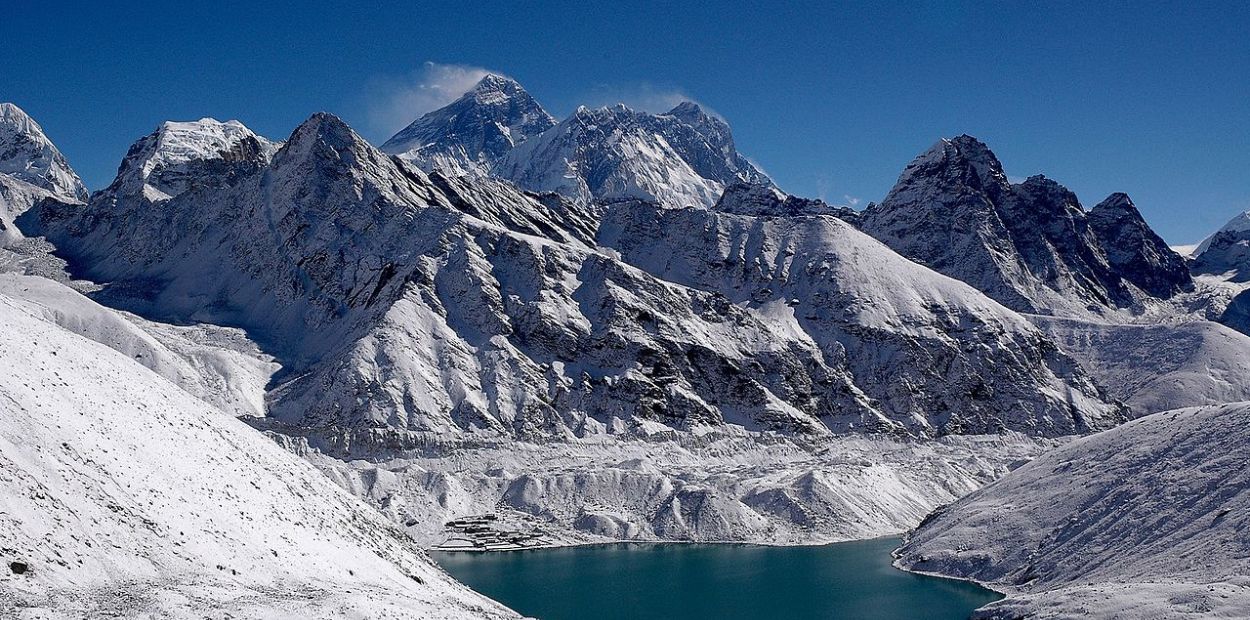
The comprehensive view of Everest, Lhotse, Cho Oyo, Pumori, Thamserku, Ama Dablam, Mera peak, Cholaste, Lobuche, etc.

Have breakfast in one of the highest hotels in the world at Everest Panorama Hotel.

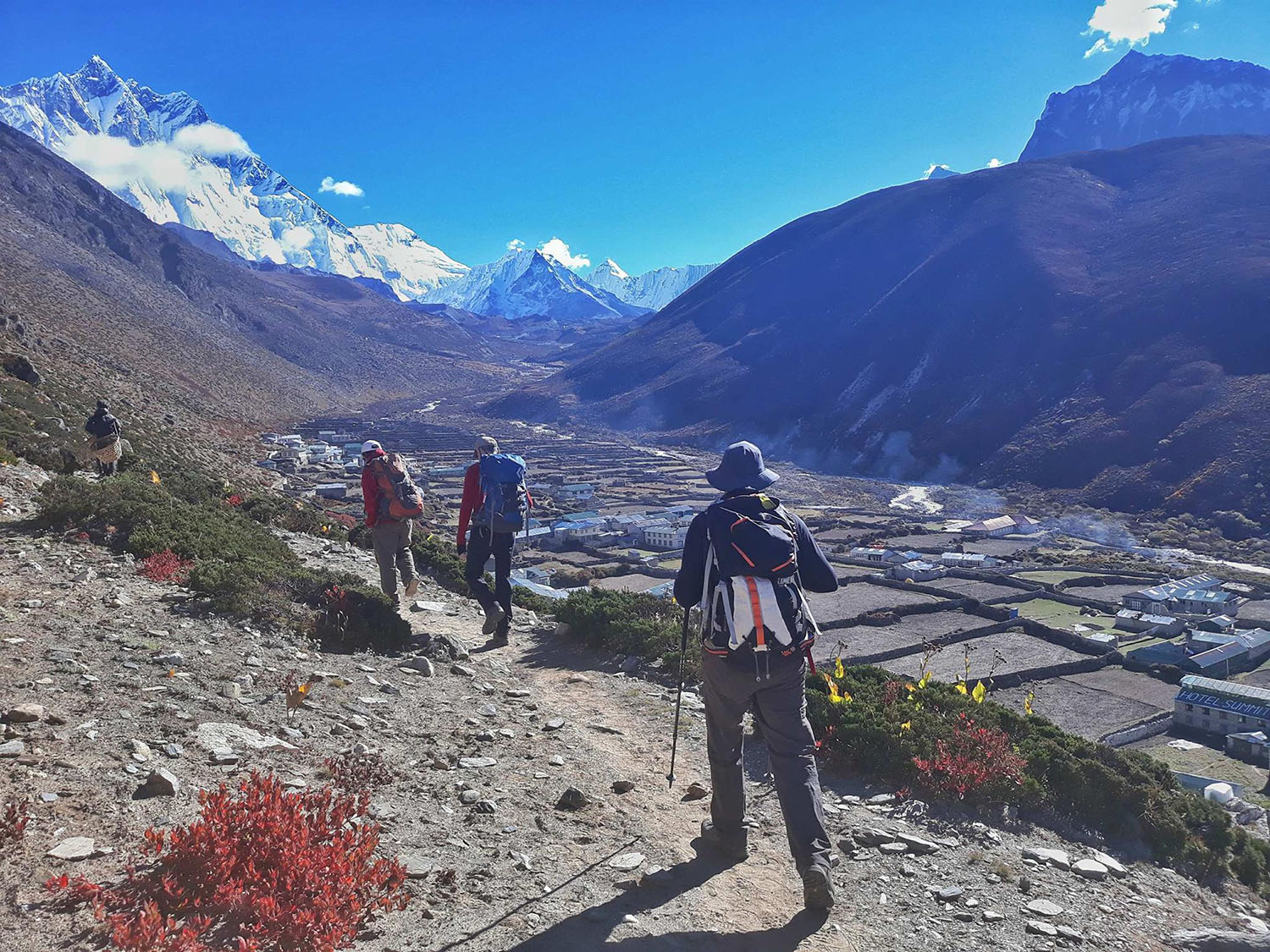
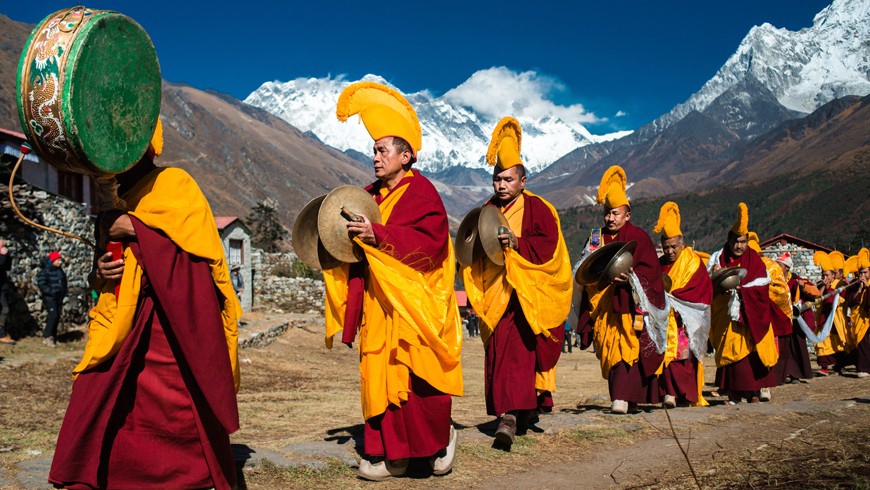
Observation of the Sherpa Settlement at Namche, Tengboche, Dingboche, Phakding etc.

Sagarmatha National Park also the world heritage site inscribed as Natural world heritage site since in 1979.

A shortstop at Lukla airport(2,860 m)which is located in the lap of a hill.

Package Price

Package Price

Price Table

Travelers 1 2 3 4
Day Activity USD 5000 USD 2500 USD 1850 USD 1500

  • Charter Helicopter for entire tours.
  • Hotel to airport  drop and Airport to Hotel Pick up by private vehicle
  • Breakfast at Syanboche, Everest Panorama Hotel
  • Conservation fee and Khumbu permit fee

  • International airfare
  • Travelers insurance
  • Helicopter evacuation charge in case of emergency whilst tours
  • Unforeseen cost due to flight cancellation, weather conditions etc. You are responsible for extra hotel nights ($30/night) and meals in Kathmandu for any extra days in Nepal due to flight delays.

Detailed Itinerary

Detailed Itinerary
5:30 – 6:30 AM

5:30 – 6:30 AM

Included
See More
6:30 – 7:00 AM

6:30 – 7:00 AM

Included
See More
7:00 – 8:00 AM: Fly to Lukla (2,845 meters)

7:00 – 8:00 AM: Fly to Lukla (2,845 meters)

Included
See More
8: 00 – 8:15 AM: Flight Refueling at Lukla Airport

8: 00 – 8:15 AM: Flight Refueling at Lukla Airport

Included
See More
8:15 – 8:30 AM: Fly to Kala Patthar (5,450 meters)

8:15 – 8:30 AM: Fly to Kala Patthar (5,450 meters)

Included
See More
8:30 – 8:45 AM: Land and Explore around Kala Patthar (5,450 meters)

8:30 – 8:45 AM: Land and Explore around Kala Patthar (5,450 meters)

Included
See More
8:45 – 9:00 AM: Fly to Syangboche (Everest View Hotel) (3,950 meters)

8:45 – 9:00 AM: Fly to Syangboche (Everest View Hotel) (3,950 meters)

Included
See More
9:00 – 9:30 AM: Breakfast Time at Everest View Hotel

9:00 – 9:30 AM: Breakfast Time at Everest View Hotel

Included
See More
9:30 – 10:00 AM: Fly to Lukla and Refuel

9:30 – 10:00 AM: Fly to Lukla and Refuel

Included
See More
10:00 – 11:00 AM: Fly back to Kathmandu

10:00 – 11:00 AM: Fly back to Kathmandu

Included
See More

Trek FAQs

FAQs
The Everest Base Camp Helicopter Tour offers passengers a premium flight service that takes them to view both Everest Base Camp and the famous Kala Patthar viewpoint. The tour provides visitors with stunning aerial views that show the complete Himalayas throughout a short duration that requires no more than three hours to complete. The journey begins at either Kathmandu or Lukla before it proceeds to fly above snow-covered mountains and glaciers and isolated Sherpa communities while making a breakfast stop at the famous Everest View Hotel to create an exceptional high-end mountain experience.
The Everest Base Camp Helicopter Tour usually requires 4 to 5 hours to complete its entire route. The total flight duration includes all flights from Kathmandu and Lukla, plus the landing at Kala Patthar for photographs and sightseeing and the breakfast break at Everest View Hotel in Namche Bazaar. The actual flying time depends on both route selection and current weather conditions, yet the entire experience is structured to make every moment count. The tour offers great value for travelers who want to see beautiful landscapes, as it showcases numerous scenic views in its brief duration.
The tour uses the name "Everest Base Camp," but helicopters actually arrive at Kala Patthar instead of the base camp. The environmental protection measures, together with the difficult terrain conditions and safety issues, create restrictions that prevent access to high-altitude fragile areas. The 5,545-meter-high Kala Patthar mountain peak serves as the best spot to see Mount Everest because it provides an unobstructed view of the mountain summit, which Base Camp cannot deliver. The helicopter stop lets passengers exit to take beautiful pictures while they experience the breathtaking natural beauty before they return to their journey.
The best times to visit the Everest Base Camp on a helicopter tour are from March to May during spring and from September to November during autumn. The time period between these two dates provides two essential conditions that make flying safe and pleasurable because pilots can see through clear skies and observe good weather patterns. The spring season brings visitors the chance to see rhododendrons blooming throughout the lower hillsides, while autumn presents visitors with fresh air and breathtaking mountain views that emerge after the monsoon period. The two seasons attract many visitors, so you should reserve your tour package early to get your desired travel dates and departure times.
The Everest Base Camp Helicopter Tour operates at high safety standards when licensed companies with experienced pilots conduct their operations. The company operates its flights with modern helicopters, which receive regular maintenance for their specialized high-altitude functionalities. Pilots flying these routes are highly trained professionals with extensive knowledge of Himalayan weather patterns and mountain terrain. The company conducts its tours according to existing weather conditions because unsafe conditions will prevent any flight from taking place. Operators maintain their commitment to aviation safety through the implementation of advanced safety protocols, which they execute during all operational procedures. The tour provides safety precautions to passengers through an educational briefing, which helps them understand how to maintain their comfort and safety during the entire journey.
The Everest Base Camp Helicopter Tour uses helicopters with a maximum passenger capacity of five people plus one pilot. However, the actual capacity of the aircraft depends on the total weight of passengers and their belongings, because weight restrictions at extreme altitudes must be followed to maintain safe flight operations. The operator will schedule shuttle flights to transport passengers in different groups when their combined weight exceeds established limits. Private charters allow you to have the entire helicopter to yourself or your group, which provides you with more flexible options and a customized high-altitude sightseeing experience.
The Everest Base Camp Helicopter Tour price changes according to your selected reservation method. The group-sharing tours, which allow you to share a helicopter with other passengers, provide a more affordable option for solo travelers and couples. Private charters provide customers with exclusive service and operational freedom, yet they charge customers more for this privilege. The total cost generally includes permits, breakfast at Everest View Hotel, and all necessary arrangements. The cost of services needs to be assessed because it varies according to different operators, seasonal changes, and specific routes. The best way to choose a package is through package comparison, while you should only book with certified tour operators that you trust.
The Everest Base Camp Helicopter Tour requires specific permits because its flight path needs to traverse protected Himalayan areas, which have established mining restrictions. The most commonly required permits include the Sagarmatha National Park entry permit and relevant local area permits. The tour operators who have a good reputation usually include these permits in their package prices because they will manage all necessary documents for you, and you will not need to obtain them yourself. You should check with your operator about the included permits before you make your booking, because this will help you avoid unexpected problems at the last moment.
The Everest Base Camp Helicopter Tour requires passengers to wear suitable clothing because high-altitude temperatures remain extremely cold throughout the year. Passengers should wear multiple warm layers, including thermal base layers, a fleece mid-layer, and a windproof or insulated outer jacket. The helicopter at Kala Patthar requires passengers to wear sturdy, comfortable shoes, which they should choose according to their planned activities. Passengers need to bring two essential items, which include high-quality sunglasses for protection against intense high-altitude UV radiation and gloves, together with a warm hat. The high-altitude environment requires sunscreen because it provides stronger sun protection than people experience at lower elevations.
The Everest Base Camp Helicopter Tour displays its best views of Mount Everest on clear days because the tour provides visitors with direct access to the mountain's most elevated point, which stands at 8,849 meters. The aerial vantage point provides a perspective that is impossible to achieve from the ground, allowing passengers to take in the sheer scale and majesty of the mountain alongside neighboring giants such as Lhotse, Nuptse, Ama Dablam, and Cho Oyu. The best clarity is typically experienced during early morning flights when the air is crisp and free from afternoon clouds or haze. You should bring a good camera to capture memories that you will cherish forever.
Most Everest Base Camp helicopter tour packages include breakfast as part of their package. The standard itinerary includes a stop at the world-famous Everest View Hotel, located near Namche Bazaar at an altitude of approximately 3,962 meters. This iconic hotel is renowned for offering one of the finest panoramic views of Mount Everest and the surrounding Himalayan range, making it an exceptional place to enjoy a warm meal. The breakfast stop allows passengers to rest, acclimatize briefly, and soak in the stunning scenery before continuing the journey. The experience brings a luxurious element that creates unforgettable moments during the exceptional high-altitude journey.
The Everest Base Camp Helicopter Tour has a shorter duration than multi-week treks, which reduces its chances of causing serious altitude sickness among passengers. The tour reaches heights above 5,000 meters, which causes some passengers to develop mild symptoms that include headache and dizziness, and shortness of breath. The itinerary limits extended time at high altitudes because it includes only short periods of high-altitude landings. People who have experienced altitude health problems or who have respiratory or cardiac issues should visit their doctor before making any travel plans, and they should tell their tour operator about upcoming health problems.
Himalayan weather patterns show unpredictable behavior, which causes helicopter tour operators to prioritize flight safety above all other considerations. Your flight will be delayed to the next clear day when weather conditions become unsafe, and visibility drops below acceptable levels on your scheduled tour date. Most operators provide full or partial refunds according to their cancellation policy when your travel schedule prevents any possibility of rescheduling. Travelers should arrange their travel plans with additional days in Kathmandu because high-altitude weather delays tend to happen without warning.
The Everest Base Camp Helicopter Tour provides its most significant benefit because people from all age groups and fitness levels can participate in the tour. The helicopter tour requires no physical effort from participants because they need no previous trekking experience, and the tour provides complete accessibility to them. The system provides complete accessibility for elderly travelers and young children who want to explore the Himalayas without facing trekking difficulties. The aerial adventure provides complete comfort and safety to families, honeymooners, senior citizens, and travelers who have time or mobility restrictions.
People who decide to take helicopter tours instead of trekking to Everest Base Camp through traditional routes will discover multiple worthwhile benefits. The trek demands 12 to 14 days of trekking, which requires trekkers to maintain advanced fitness levels, but the helicopter tour provides travelers with identical Himalayan views within a few hours. This service caters to travelers who need quick access, people who want to experience high-end travel, and individuals who cannot handle demanding mountain walks. Helicopter flights provide exceptionally powerful aerial perspectives that enable viewers to see areas that remain inaccessible to people who walk on foot. The helicopter tour provides travelers with an exceptional Himalayan adventure because it provides direct access to beautiful natural landscapes that can be found in the region.
Best Price Offer

Start From

US$ 2100 Person

Speak with a Nepal Adventure Travel Expert

Get personalised guidance for any Nepal adventure — with expert planning and safety support.

Ask Now

We offer expert advice, flexible options, and tailor-made itineraries.

Average Reviews Write a review

5 /5

Very Good

From 5 reviews

Cleanliness

5/5

Service

5/5

Facilities

5/5

Location

5/5

Value for money

5/5

Traveler Review

Traveler Review