Is Nepal Safe for Solo Travelers?
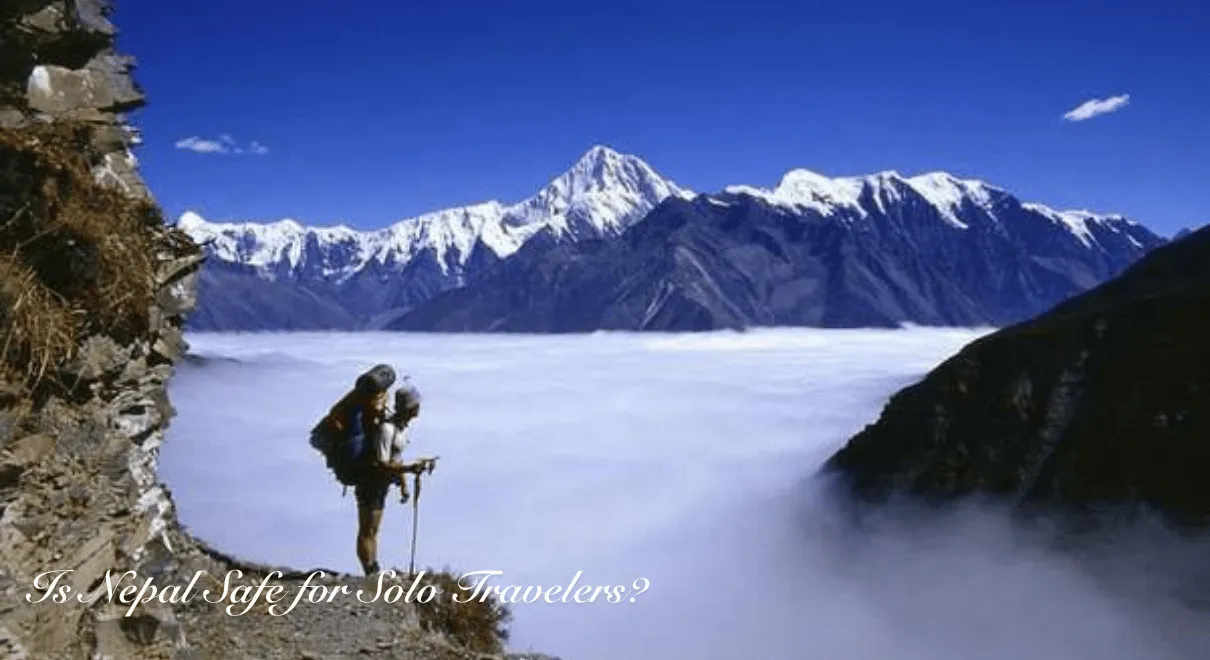
You’ve been staring at photos of Everest Base Camp, the Annapurna Circuit, and Kathmandu’s kind of maze-like streets—and your gut is already halfway packed. But your head keeps doing the same thing: ok, is Nepal safe for solo travelers though?
Let's just get to it: Yes, Nepal is safe for solo travelers, and honestly, it has been welcoming independent adventurers for decades. That said, “safe” doesn’t mean “zero problems.” Nepal tends to pay back the person who shows up prepared. This little guide gives the real, researched, traveler-tested answer: no rose-tinted filters, no scare tactics, and no fluffy talk.
Whether you’re a first-time solo trekker or a more experienced backpacker thinking about the next Himalayan adventure, this Nepal Solo Travel Safety Guide will take you through every real fear, real challenge, and real solution you should expect to deal with.
What Are People Most Afraid Of? (Let's Name Them)
Before jumping into data and quick tips, I guess it's worth admitting the worries that haunt solo travelers at night, when the mind starts wandering toward Nepal:
1. Getting lost or stranded on a remote trail, and just sort of stuck there
2. Altitude sickness that spirals into something more serious, way faster than expected
3. Scams and touts around tourist hubs like Thamel, you know, those too-pushy people
4. Road accidents on mountain highways: Sometimes, roads just feel unforgiving.
5. Solo female safety concerns—harassment or worse; sadly, it happens more than people think.
6. Political instability or natural disasters can change everything overnight.
7. Medical emergencies far from a hospital or proper clinic, no quick help nearby
Every single one of these fears is valid. And every single one of them has a practical and manageable answer, like not in some big, magical way but in a real, doable sort of manner. That’s kind of what the rest of this guide delivers.
The Facts: What the Data Says About Safety in Nepal
Is Nepal safe for solo travelers and trekkers? Here's what the numbers say:
- Nepal, in 2023, welcomed over 1 million international tourists, and a big share of them were solo travelers, so it really felt personal in a way.
- The Nepal Tourism Board says most trekking incidents are altitude-related, not because of crime, which is a pretty important distinction, honestly.
- On the Global Peace Index, Nepal keeps showing up as one of the safer countries across South Asia, not just once but pretty consistently.
- Violent crime targeted at visitors is rare. Still, you can run into petty theft, like pickpocketing or bag snatching, especially in crowded places, but it’s not widespread.
- So what are the issues people report most often? Overcharging, permit confusion, and altitude sickness. But the good news is they’re all avoidable, with solid preparation and some basic planning.
The picture that sort of emerges is this: Nepal is a low-crime, high-adventure destination; the risks are real, but for most of it, they’re manageable, really. Overall, it feels almost doable, and yeah, there’s a certain thrill to it.
Nepal Safety Overview by Region
Not all of Nepal carries the same risk profile. Here's a quick breakdown:
|
Region |
Safety Level |
Key Notes |
|---|---|---|
|
Kathmandu Valley |
Moderate |
Watch for touts, traffic, and petty theft |
|
Pokhara |
High |
Very traveler-friendly, low crime |
|
Annapurna Region |
High |
Well-trekked, teahouses everywhere |
|
Everest Region |
High (Altitude Risk) |
Altitude is the main hazard |
|
Chitwan / Bardia |
High |
Wildlife safety briefings required |
|
Remote Far-West |
Moderate |
Less infrastructure, go with a guide |
The most popular trekking routes, like Annapurna, Everest Base Camp, and Langtang, are pretty well-patrolled, well-signed, and kind of packed with teahouse infrastructure. For safe solo travel in Nepal, honestly, it is most achievable on these established corridors and routes.
How Is Trekking in Nepal for Solo Travelers?
Trekking in Nepal as a solo traveler is frankly one of those really incredible things you can do on this planet. The trails thread through ancient villages, Buddhist monasteries, and some of the world’s highest peaks. Still, here’s the plain truth: you know how it is.
The Good:
- With teahouse trails, it feels like you’re never really alone; there’s lodging, meals, and other trekkers every so often.
- Locals are surprisingly warm and genuinely welcoming in a quite natural way.
- On the main routes, English is widely used, so you can usually communicate without too much friction.
- Hiring porters and guides is fairly affordable, and it brings a big extra layer of safety, seriously
The Reality Check:
- Mountain weather changes fast, and sometimes without warning
- Trail signs can get confusing on lesser-known routes, even when you think you are following them correctly.
- Altitude doesn’t really care how “ready” you feel; it hits new folks and seasoned hikers alike.
- Cell coverage vanishes for long stretches, like it decides to disappear.
So what is the single best move for a solo trekker? Simply hire a licensed guide. This is not a flaw or a weakness; it’s local know-how, emergency support, and cultural enrichment, all packed into one person.
When Is the Best Time for Solo Travel in Nepal?
In Nepal, it’s all about timing. Like, really, when you go matters a lot, and solo travelers should keep these windows in mind, especially since it can feel safer or less safe depending on the season.
Spring (March–May) — BEST
- Clear skies and the rhododendrons are blooming, which makes the whole hike feel brighter, almost like a festival. This is great for Everest Base Camp and Annapurna.
- You’ll meet more people on the trail, too, so the mood is more communal. More company, and honestly, it feels steadier for solo days
Autumn (September–November) — BEST
- After the monsoon, the air usually gets cleaner, visibility improves, and the weather tends to behave better.
- It’s peak trekking season, so trails are busy. That is a good thing for solo safety, because there are more footsteps, more voices, more chances to ask quick questions
Winter (December–February) — MANAGEABLE
- Expect cold temperatures, and at higher altitudes, there may be snow. Still, it can be calm, quiet, and peaceful.
- Some lower mountain routes may shut down, so you might need to plan changes and extra gear for the chill
Monsoon (June–August) — AVOID for trekking
- Heavy rain, leeches, landslide risk, and mountain views that get swallowed by clouds. Not the best combo.
- Not recommended for solo first-timers unless you have solid experience with wet trail conditions
What Problems Do Solo Trekkers Actually Face in Nepal?
Here’s where it gets real. The most common problems solo travelers report in Nepal, like, really, day-to-day stuff, are
1. Altitude Sickness (AMS)
Acute mountain sickness can hit anybody above 2,500 m, even if you feel “fine” at first. Usual symptoms include headache, nausea, fatigue, and dizziness. The idea is pretty straightforward: ascend slowly, and descend right away if symptoms get worse. If your doctor approves it, carry Diamox. But don’t, like, don’t try to power through AMS by yourself.
2. Permit and Paperwork Confusion
In Nepal, you need several permissions depending on your route (TIMS card, national park permits, and restricted area permits). First-timers often get tangled up at the checkpoints, especially when they’re tired or rushed. Get your permits in Kathmandu or Pokhara before you start moving; don’t gamble with it like, "We'll handle it later."
3. Overcharging and Scams around Thamel
Thamel, Kathmandu, is like this tourist bubble where inflated prices are just the norm. You’ll be told about a “best price” on… everything, kind of. Usually, you should agree on the price before any service starts. A lot of agencies, the proper ones, are registered with the Nepal Trekking Agencies Association, NTAA, so always verify, ok.
4. Transportation Hazards
Nepal’s mountain roads are narrow, winding, and kind of dramatic. Bus rides to trailheads can be nerve-racking, so that part is not great. For key routes, book tourist buses rather than local ones. For flights to Lukla, always plan buffer days, because weather delays are routine, everyone says this.
5. Weak Trail Navigation
If you do not take a guide or you don’t have a GPS app (Maps.me and Gaia GPS work offline in Nepal), solo hikers may miss a junction, turn… you know. Before leaving any Wi-Fi zone, download offline maps.
What Mistakes Do Beginners Make?
This section could save your trip — or your life:
- Skipping acclimatization days to save time (altitude sickness doesn't negotiate)
- Packing too heavy—rental gear in Kathmandu and Pokhara is excellent and cheap
- Trusting unlicensed guides found on the street rather than vetted agency staff
- Ignoring travel insurance—helicopter evacuation from altitude can cost $4,000–$10,000 USD
- Changing money on the street—always use licensed money changers or bank ATMs
- Leaving permits behind at the guesthouse—you'll need them at every checkpoint
Is Nepal Safe for Solo Female Travelers?
This really deserves its own section and a kind of direct, honest answer.
Yes, Nepal is often considered one of the safer places in Asia for solo female travelers. Still, gender-based harassment does exist, especially in cities and also on overnight buses.
Practical tips for solo female travelers in Nepal:
Dress modestly when you’re outside trekking trails—keep shoulders and knees covered, especially around temples and villages; it looks proper, and it keeps things easy.
- Book reputable guesthouses; look for solid reviews from other solo women (Hostelworld and Google Maps, honestly, are your friends).
- Listen to your gut—if something feels off, just leave; no long explanations needed, like not even a “sorry.”
- Trekking in a group, or going with a licensed female guide, ups your safety and also adds cultural depth in a way you would miss alone.
- Hook up with solo female travel communities like Women on the Road or Girls Love Travel—and take the Nepal-specific advice from women who’ve already been there; that’s pure gold.
Many solo female travelers, this guide’s author included, rate Nepal as one of their most positive solo travel experiences anywhere worldwide.
Health & Altitude Sickness: The #1 Safety Priority
Altitude is Nepal’s biggest safety variable, kind of. The figures don't lie either; over 75% of the trekking incidents on the Everest and Annapurna routes include altitude-related sickness or illness, basically.
The Golden Rules:
- Ascend no more than 300–500m per day above 3,000m
- "Walk high, sleep 'low'—acclimatize by hiking up and sleeping at a lower elevation
- Hydrate constantly—dehydration accelerates AMS
- Know the signs of HACE (High Altitude Cerebral Edema) and HAPE (High Altitude Pulmonary Edema)—both are medical emergencies requiring immediate descent
- Get travel insurance that covers helicopter evacuation—non-negotiable
Money Safety, ATMs & Scams
Nepal runs mostly on cash (Nepali rupees), so keep that in mind. In Kathmandu and Pokhara, the ATMs are pretty dependable. But on the trails, cash is the monarch… because lots of teahouses don’t take cards, or not reliably, even if you try.
- Withdraw enough cash in Kathmandu or Pokhara before heading to the mountains
- Standard teahouse costs: NPR 300–800 per night for a room; NPR 400–800 per meal
- Never exchange money with unofficial dealers
- Use a money belt or hidden pouch in crowded city areas
- Credit card skimming is rare but possible—use bank-affiliated ATMs inside buildings
Real Challenges & How to Solve Them
|
Challenge |
Real Solution |
|---|---|
|
AMS hitting hard |
Descend 500m immediately; don't push through |
|
Lost on the trail |
Offline GPS (Maps.me), ask locals, turn back |
|
Overcharged at the teahouse |
Check prices at entry; ask for a written menu |
|
Weather stranding you |
Always buffer 2 extra days on your Lukla flight |
|
The guide feels unreliable |
Use NTAA-registered agencies only |
|
Medical emergency |
Pre-save CIWEC Clinic (Kathmandu) and HRA numbers |
Tips from Real Trekkers: Research-Backed Advice
These tips come from aggregated, solo trekker experience, not marketing copy, really. I mean, it’s more like what a bunch of lone hikers keep learning on the trail and then repeating informally, so you know, less polished, more real.
- Register with your embassy before entering remote areas
- Carry a first aid kit with blister care, rehydration salts, and altitude medication
- Learn 5 Nepali phrases—even "Namaste" and "Dhanyabad" (thank you) open doors immediately
- Join a teahouse dinner table—solo travel in Nepal is social by nature; you'll rarely eat alone
- Check the KEEP (Kathmandu Environmental Education Project) website for current trail conditions
- Get a local SIM card (Ncell or Nepal Telecom) — data is cheap and lifesaving on trails
A Story From the Trail
Picture this: Day 6 of the Annapurna Circuit. You've just crossed Throng La Pass at 5,416m — the highest point on the route. Your legs feel like they've been replaced with wet cement. The wind is cutting. And then you hear it: a fellow solo trekker from Belgium, laughing and saying, "I don't know whether to cry or buy everyone tea."
You end up doing both.
That's Nepal. The challenge is real. The community that forms around shared hardship is realer. Is Nepal safe for solo travelers who embrace that kind of adventure? Absolutely — and those who come prepared leave changed.
Picture this: day 6 of the Annapurna Circuit. You’ve just crossed Throng La Pass at 5,416m, the top of the whole route. Your legs feel like they've been swapped out for wet cement, honestly. The wind is biting. And then you hear it, this other solo trekker from Belgium—laughing, sort of saying, “I don’t know whether to cry or to buy everyone tea.
So yeah, you end up doing both.
That is Nepal. The struggle is genuine. The bond that forms around shared hardship is… even more real. Now, is Nepal safe for solo travelers who want that sort of experience? Absolutely. And the ones who show up ready, with the right mindset and gear, leave differently.
Emergency Contacts & Resources
Bookmark these before you land:
- Himalayan Smile Treks and Adventures: +977 9851088960
- Nepal Tourism Board: +977-1-4256909
- CIWEC Clinic (Kathmandu): +977-1-4435232
- Himalayan Rescue Association (HRA): +977-1-4440292
- Tourist Police (Kathmandu): +977-1-4226359
- Emergency: 100 (Police), 102 (Ambulance)
- Travel Insurance Hotline: Keep your policy number in your phone AND written on paper
Why Nepal Should Be on Your Solo Travel List
So we’re back at the beginning. Is Nepal safe for solo travelers? The answer, backed by data, real firsthand stuff, and, honestly, thousands of solo explorers before you, is a confident yes, but only with some preparation.
Nepal has something that feels, well, more and more rare: actual adventure along with genuine kindness. In the Himalayas, no one cares how fit you are today, like nobody is counting reps. The teahouse aunties just keep serving dal bhat until you’re like, okay, okay, enough. The routes can be tough and quite humbling, yet they are absolutely, totally worth it.
Sure, there are risks, altitude, weather, and petty crime, and yes, they’re real, but they’re manageable if you’re paying attention and moving smart. The payoff is a trip that sticks with you in your bones for the rest of your life.
Your Next Step
So you’ve made it this far, which kind of means you’re actually serious about doing solo travel in Nepal. Nice. Next steps, more or less, look like this:
- Pick your route: Annapurna Circuit (15–21 days), EBC (12–16 days), or Langtang (7–10 days). Choose based on time and, well, your fitness level.
- Get travel insurance that truly covers helicopter evacuation and altitude-related illness, not just “medical costs” in general.
- Reach out to an NTAA-registered trekking agency, either in Kathmandu or Pokhara. Ask about guide booking and current permits.
- Download Maps.me and save Nepal offline maps right now, before the signal gets weird out there.
- Read a few fresh trip reports on TrekInfo.com or the Lonely Planet Thorn Tree Forum. Three is a solid start.
- Book your flights, and for any Lukla connection, add two buffer days. Just trust this part.
Nepal is waiting, and honestly, you’re more ready than you think.

.png "NTB")
.png "Pata")