Can Tourists Drink Alcohol in Nepal Trekking?
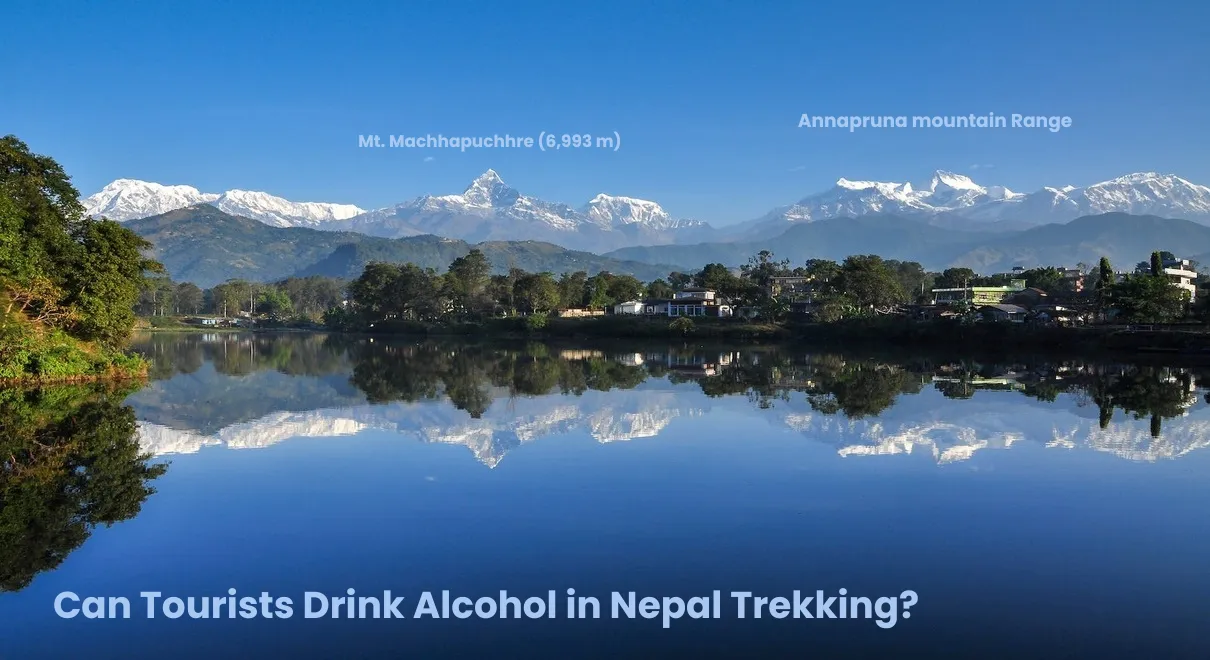
So, can tourists drink alcohol in Nepal while trekking? I mean, it feels like one of those questions that comes up again and again for first-time trekkers heading toward the Himalayas, right? And honestly, the answer isn't a clean yes or no; it’s more like it depends on where you go, how strict the rules are that day, and what kind of trek you’re doing.
If you’re thinking about the Everest Base Camp path, the Annapurna Circuit route, or the more mellow Langtang Valley, then knowing how alcohol fits into the rhythm of the trek can matter more than people expect. It could be the difference between a safe climb and a risky mistake, especially when altitude and fatigue are in the mix.
This guide is meant to cut through the confusion. You’ll find real info, small traveler stories, practical tips, and some straight talk so you can decide what works best for your body, your safety, and, well, the whole journey you came for.
Why Travelers Choose Nepal — And Why This Question Matters
Nepal brings in over a million trekkers a year; it’s kind of wild. The huge Himalayas, old Buddhist monasteries, friendly Sherpa hospitality, and those winding paths through some of the most dramatic terrains on Earth—all of that makes it a bucket list kind of place, honestly; no two ways about it.
Yet, Nepal trekking is also pretty punishing physically. You’re heading up to elevations above 5,000 meters (16,400 feet). The air thins out fast, your body is working like it has something to prove, and suddenly, "Can tourists drink alcohol in Nepal trekking?” stops being a casual curiosity—it becomes more like a real safety thing.
People who did not really think it through end up in trouble sometimes. Not because they “broke” some clear rule, but more because they didn’t fully understand how alcohol behaves in the body at altitude.
What Nepal Is Actually Like for Trekkers
Before getting into the whole alcohol specifics, it kind of helps to wrap your head around the trekking setting first.
Nepal’s well-known trekking paths go through villages at different heights. The Everest area (Khumbu) goes past Namche Bazaar at 3,440m, then Dingboche at 4,410m, and later Everest Base Camp at 5,364m. Meanwhile, the Annapurna Circuit takes you over the Thorong La Pass, which is seriously breathtaking at 5,416m.
Along the route, you mostly sleep in teahouses, those small guest places run by local families. They bring you food, a place to rest, and, well, drinks. In practice, most teahouses have local beer (Everest Beer and Gorkha Beer are common choices), tongba (a warm fermented millet drink), raksi (a local spirit made from rice or millet), and chhang (a traditional Tibetan-style barley beer). Sometimes Western spirits and wine show up too, usually at higher prices.
So, for the plain answer, yes, tourists can drink alcohol legally in Nepal while trekking. There isn’t a rule banning it, and it’s easy enough to find. But legality and good judgment are a different story entirely, you know.
The Real Problem: What Alcohol Does to You at Altitude
Here’s what a lot of travel blogs skim past, like it’s no big deal—but honestly, it’s the core of it.
When you’re at high altitude, your body is under strain already. The oxygen partial pressure drops, so each breath you take pushes less oxygen into your bloodstream. Then your pulse speeds up, and your system starts working overtime. In response, your body makes more red blood cells because it needs better transport and that kind of buffering. At the same time, respiration goes up too; basically, you’re breathing harder without even thinking. This whole acclimatization thing doesn’t happen instantly—it usually takes days, and while it’s happening your body can feel a bit exposed, kind of fragile, like it’s adjusting but not fully stabilized yet.
Alcohol at altitude is a serious physiological risk. Here's why:
Dehydration—Alcohol is kind of like a diuretic. It makes you urinate more, and, yes, it accelerates fluid loss. At altitude you are already dehydrating faster because of increased respiration and that dry mountain air, so the whole thing stacks up. Dehydration then makes altitude sickness symptoms worse in a pretty dramatic way.
Impaired acclimatization—Alcohol messes with your body’s production of erythropoietin (EPO), the hormone that tells your system to make more red blood cells for altitude adaptation. Even one or two drinks can slow down the exact process your body most needs.
Sleep disruption—Good sleep matters a lot for acclimatization. Alcohol fragments REM sleep, drops oxygen saturation while you’re asleep, and can also make altitude-related breathing irregularities even more noticeable, like Cheyne-Stokes respiration.
Masking symptoms—and this is the really tricky part. Alcohol can cover up early warning signs of Acute Mountain Sickness (AMS), things like headache, nausea, and dizziness, so you might think you are fine while your body is still struggling.
When to Travel in Nepal and How It Affects Alcohol Choices
Nepal has two main trekking seasons:
Spring (March–May): mostly clear skies, rhododendrons in full bloom, warm days. It is honestly the most popular stretch of time. Higher elevation treks start to feel workable again. But at base camps and on the high passes, the temperature still drops a lot at night, so some trekkers end up looking for “warming drinks.”
Autumn (September–November): after the monsoon, the air clears, and the viewpoints feel especially bright. Cool temps, crisp air, and less humidity vibes. This one’s also very popular, for obvious reasons.
Monsoon (June–August): heavy rain, leeches, and trails that turn into this endless muddy mess. Most people skip it. Lodge downtime drags on a bit, and alcohol consumption can rise as a result.
Winter (December–February): the trails get quiet, but at altitude, it gets brutally cold. The urge for warming spirits is strongest here, yet it’s also when alcohol becomes the most risky choice, because cold and dehydration kind of team up against you.
Bottom line, the season really shifts your vulnerability. Spring and autumn are usually better for risk handling. Winter, or monsoon, treks mean you need extra caution in your calls. Impaired judgment—Trails in Nepal can be narrow, rocky, and exposed. And poor footing after even a single drink at altitude can turn into serious consequences, fast.
What Problems Do Trekkers Actually Face?
The most common alcohol-related issues on Nepal treks fall into a few categories:
Altitude sickness mismanagement—Most trekkers will grab tea at a lower elevation teahouse (like 3,500 m), sit down, feel fine, and then the next morning they push higher, and later AMS hits them pretty hard. It’s not that they ignore it exactly; more like they don’t connect the cause-and-effect dots in their head.
Falls and injuries — Even a bit of alcohol can mess with coordination and reaction time, so falls, especially on exposed ridgelines or on icy trails, end up being among the most common trekking accidents. One slip, and it can become a whole thing.
Hypothermia risk — Alcohol triggers peripheral vasodilation, so blood vessels near the skin widen. You get this "I feel warm" sensation, but actually your body sheds heat faster. People who drink in cold mountain environments can misjudge the true chill and then underestimate it at the same time.
Dehydration spiral—When someone drinks alcohol instead of water while they’re thirsty, it seems minor, but it’s a surprisingly common mistake. That choice ramps up dehydration, and it can really worsen the next-morning trekking performance too.
Social pressure at teahouses—Teahouse culture tends to be communal. Other trekkers are drinking, and local hosts offer raksi as a sign of hospitality. Saying no can feel awkward, a bit ungrateful, like you’re refusing the vibe. So many trekkers end up having more than they meant to in the first place.
Mistakes Beginners Make
If you're trekking Nepal for the first time, these are the alcohol-related errors to avoid:
- Drinking the night before a huge climb. Even one or two drinks the evening before a serious elevation gain can mess with your acclimatization and how you do the next day, ya know.
- Treating altitude like it is just sea level. Like yeah, a glass of wine at 1,000m affects you a bit. But the same glass at 4,000m hits way harder, somehow. And your tolerance drops fast as elevation climbs.
- Having chhang or tongba just because it's “polite," without actually knowing how strong it is. Those traditional Nepalese drinks can be deceptively potent, and tongba, especially, is basically kept going with hot water over time. So it’s not only one dose, you think it is.
- Using alcohol to “warm up” when you are cold. But like said before, it is physiologically counterproductive, and it can get genuinely dangerous.
- Drinking because you have headaches at altitude. A headache up there is kind of a red flag for AMS. If you treat it with alcohol, it makes things worse, not better. Better choices are rest, hydration, and maybe even descending if it comes to that.
What Experienced Trekkers and Guides Actually Say
Ask around with any seasoned Himalayan guide, and you’ll hear something pretty consistent, like this: under 3,000 m, moderate drinking is usually okay, but over 3,000 m it’s better to leave it alone completely.
The Himalayan Rescue Association (HRA), the group that runs aid posts at Pheriche and Manang—they tell trekkers to skip alcohol while they are acclimatizing. Their doctors have to see, up close, how alcohol can feed into AMS and also how it can drag out the acclimatization process, which is not great.
And if you talk to experienced trekkers who’ve done more than one Himalayan route, they tend to tell it like a familiar story: on the first trek, they’d drink socially, without really thinking. But then later, they’d decide to stop having alcohol past a certain elevation, and after that they’d feel the difference, like better stamina, improved sleep, and faster acclimatization.
Research and Tips for Travelers
Here are evidence-based and field-tested tips for handling alcohol wisely on a Nepal trek:
Set your own personal height ceiling. A lot of folks who trek a bunch end up drawing the line around 3,000 m. . Some people take it more carefully at 2,500m. Whatever you pick, decide it before you move so you’re not stuck doing the math in the moment at some teahouse with cold beer on the menu, you know.
Stay on top of hydration. Aim for roughly 3–4 liters of water each day while you’re on the trail. And if you end up having alcohol, then tack on another 500 ml of water per drink, plus take oral rehydration salts, if you can.
Learn the AMS warning signs, because they show up earlier than people think. A stubborn headache, nausea, fatigue that feels way too big for the effort you put in, loss of appetite, and dizziness are the usual early clues. If any of that happens, stop drinking right away and take a hard look at how you’re doing.
Pick lower elevation rest days if you really want social drinking. If your plan has acclimatization days down low, that’s when moderate social drinking fits, not the night before you push upward to a higher camp.
Respect local culture too. In certain religious villages, and especially close to monasteries, alcohol (and smoking) is frowned upon or seen as plain disrespect. Always read the local signs and pay attention to what people are doing around you.
Also, tell your trekking guide. If you plan to drink, say it up front. A solid guide will keep an eye on whether alcohol is messing with your acclimatization, and they’ll call it out honestly instead of pretending nothing is happening.
What Are People Afraid Of? Addressing Real Concerns
Trekkers have two common fears around this topic:
Fear #1: "If I don't drink, I'll miss out on the social experience."
This is understandable. The teahouse culture is genuinely warm and communal; it feels sort of nearby, you know. But most trekkers who have abstained above 3,500 m say the clarity, the energy, and the quality of sleep they gained were way more than any little social trade-off. You can still sit around the fire, tell your stories, and keep the vibe with tea, warm lemon, or a hot chocolate.
Fear #2: "I don't want to seem rude when hosts offer me raksi."
Nepalese hosts are genuinely gracious, but they also get it, and they respect that trekkers have different needs. A sort of polite warm decline, with a hand over the heart, plus a smile, is usually understood anywhere. You can say, "Dhanyabad tara malai altitude le asaro garchha," which is kind of like, “Thanks, but the altitude impacts me badly.” Most guides can help you with the right wording, and if you feel awkward, just breathe, nod, and keep it simple.
Personal Experience: What a High-Altitude Trek Teaches You
On the Everest Base Camp trek, right somewhere between Namche Bazaar and Tengboche, a fellow trekker went ahead and ordered a round of Everest Beers to “celebrate” reaching Namche, like it was a little victory lap. Most of the group said, "Sure, why not?" and half of them actually joined in; no big deal, they said. But then the next morning, three of those same trekkers came back with pretty significant headaches, plus that heavy, drained fatigue. Meanwhile the rest, who stayed with water and tea like sensible people, reported feeling solid and fine.
It wasn’t this huge, dramatic medical emergency, nothing like that. More like a very clear, real-time little demonstration of what the research has been saying for ages. Altitude doesn’t really forgive the small stuff the way sea-level trips can. Up here, the mountain keeps score, and it does not negotiate.
So the lesson wasn’t “no fun ever again” or abstinence forever. It was just awareness. Below Namche, a cold beer after a long, dusty slog can feel genuinely satisfying. Above that line, though, the numbers change—the whole equation turns, and you feel it.
Offering Real Value: A Practical Framework
Use this simple framework to decide whether to drink alcohol on any given night of your trek:
| Situation | Recommendation |
|---|---|
| Below 2,500m, no ascent tomorrow | Moderate drinking is generally fine |
| 2,500–3,500 m, acclimatization day | One drink maximum, extra hydration |
| Above 3,500m | Avoid alcohol entirely |
| Any sign of AMS symptoms | No alcohol; seek assessment |
| The next day is a major ascent | No alcohol regardless of elevation |
| Rest/recovery day at any altitude | Use judgment; hydrate aggressively |
The Bottom Line: Honest and Trustworthy Advice
Can tourists drink alcohol in Nepal trekking? Sort of yes and sort of no, but mostly yes. The short answer is yes, legally and relatively easy. The honest answer is it depends on where you are on the trail, how your body is acclimatizing, and also how much respect you give to what the mountain is asking from you, not just from your plans.
Nepal’s paths really reward preparation, patience, and this kind of quiet self-awareness. The trekkers who end up having the best moments are usually the ones who treat the mountain like a true companion, not only as scenery. In practice that means checking in with your body, staying properly hydrated, getting solid sleep, and being ready to say no to the beer when it counts. Sometimes “count” is right after a hard climb; sometimes it is the evening before a higher pass, you know.
The mountains will be there. Your health is what gets you to the top.
What to Do Next
If you’re thinking about a Nepal trek, here are some next steps that make life easier, kind of.
First, talk to your trekking company or local guide about altitude and alcohol before you even start. I mean really, ask them, not just assume.
Then get a pre-trek medical checkup, and bring up any cardiovascular or respiratory worries with your doctor. That way you’re not guessing later, ya know.
Also, book a teahouse itinerary that already includes acclimatization days. Those “rest” moments are where sensible, moderate social drinking can fit in if you decide to drink at all, but keep it low-key.
Make sure you download the TIMS card (Trekkers' Information Management System) and that your trekking permits are sorted. Getting organized up front keeps stress down on the trail, seriously.
Finally, read up on acute mountain sickness from the Wilderness Medical Society or the HRA website. It helps you recognize early symptoms and know how to respond quickly.
Nepal is extraordinary, and the whole thing feels better when you go prepared, go smart, and go healthy.

.png "NTB")
.png "Pata")