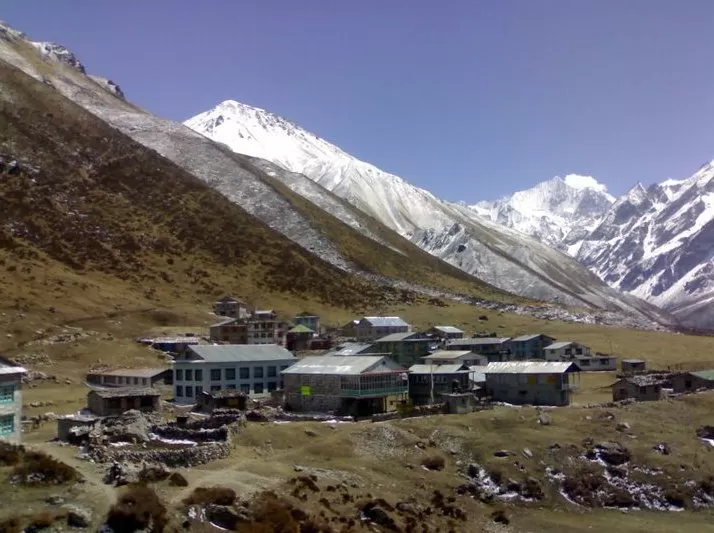
Langtang village
Langtang Village: From Tragedy to Recovery—A Complete Guide
Langtang village, situated in the breathtaking Langtang Valley in Nepal, is an incredible representation of the enduring human spirit and strength of the people of the Himalayas. This community of a few hundred people, located at an altitude of around 3,430 meters (11,253 feet), has gone from tragedy to recovery, moving from the earthquake of 2015, which devastated this area and the surrounding region, to hope for the future in the ten years afterwards.
Langtang Village Before the 2015 Earthquake
Before April 2015, Langtang village was a bustling center for trekkers, climbers, and climbers going inside Langtang National Park. Langtang village had around 55 traditional houses and many more tea houses, and amidst it all, a hub of local Tamang people who had lived in their original families high in the mountain paradise for generations. Langtang was also a milestone stop for trekkers travelling up to Kyanjin Gompa and further ahead in the valley.
Aspects of its central location as a waypoint on the popular Langtang Valley Trek made the use of the term milestone applicable. Trekkers have magnificent, panoramic views of snow-capped peaks such as Langtang Lirung (7,227) and Gang Chhenpo (6,388). Families usually ran the guesthouses and teahouses, creating a genuine welcome that brought thousands of overseas visitors a year.
The Devastating 2015 Earthquake Impact
On April 25, 2015, a devastating earthquake of 7.8 magnitude hit Nepal, centered in the Gorkha district. As a result, Langtang village experienced one of the most horrifying consequences of this natural disaster. Because of the tremor, an avalanche hit the village, completely burying it in ice, snow, and debris.
Langtang Village Deaths and Human Cost
There was a loss of life in Langtang village, which was one of the highest single-location losses of life within the 2015 Nepal earthquake's death toll. Langtang was destroyed in the earthquake, while there were around 300 people present. These people included local villagers, trekkers, trekkers with guides, and porters. The suddenness and immense force of the avalanche made rescue efforts impossible for a significant duration. Families all over the world were searching for loved ones.
Recovery and Rebuilding Process
The burning question, "Is Langtang village rebuilt?" is a question most people have had on their minds since the tragedy. The 2015 earthquake is history now that 7 years have passed. Langtang village is in the recovery process and will soon be comparable to or better than before, as the rebuilding is a cooperative effort involving the Nepali government, international NGOs, and a resilient local community.
For the locals, after 4 years of losing their village to the devastating earthquake, it is on its way to reclaiming the title of one of the best trekking destinations of Nepal; locals have made major progress in rebuilding the village, repairing and maintaining the trek routes, and reconstructing the teahouses, making Langtang village trek-worthy again.
Langtang Village Today and Now
Langtang village represents a strong narrative of human resilience today. The new village has new earthquake-resistant buildings and combines the traditional with the modern and safe.
Langtang village has been mostly rebuilt and now also has a deeper significance because this rebuilt village is now a memorial to all those who passed away.
The new Langtang village contains better teahouses, guesthouses, and facilities for trekkers, and people can use to enjoy and experience the natural outside while staying safe and comfortable. The community is now working to restore the famous hospitality that the area was known for, and has been working hard to restore more than just the physical buildings.
Langtang Village Trek Information
The Langtang village trek is one of the best trekking destinations in Nepal. There are plenty of spectacular mountain views, wonderful cultural experiences, and some utterly breathtaking scenery to explore and discover. Generally, the trek takes around 7-10 days to complete, depending on how many side trips/routes you explore. You will walk through an impressive selection of places, everything from subtropical forest through alpine meadows and beautiful high altitude surroundings to lush valleys and more.
You can trek and explore the valley thanks to the rebuilt trekking infrastructure supporting the visiting trekkers and the local economy. Since the major 2015 earthquake, several trail areas have had clear markers put back in place, and the required areas were meticulously maintained and adequately covered again with important facilities across the whole valley.
Langtang Village Elevation and Geography
The elevation of Langtang village is about 3,430 m (11,253 ft) above sea level. Langtang is a prominent acclimatization point for trekkers bound for higher elevations. At the height of Langtang village, a spectacular panorama of Himalayan peaks can be enjoyed while not staying at a dangerous altitude for the evening.
Langtang village is located in the Langtang Valley, an area in Langtang National Park. Langtang is Nepal's first Himalayan national park, established in 1976. The protected area covers 1,710 square kilometers and is a potentially rich repository of biodiversity, as the valley, "Langtang," is historically and culturally unique.
Distance to Kyanjin Gompa
If you're thinking about Langtang Village to Kyanjin Gompa, you're looking at about 6-7 kilometers in distance, and it will typically (depending on how you manage your acclimatization to the altitude), take 2-3 hours to trek. Kyanjin Gompa is a beautiful village at an altitude of 3,870 meters (12,696 feet) and is the last destination on the Langtang Valley trek. This part of the trek offers wonderful views and the beginning of your journey to more alpine destinations.
Accommodation and Weather Conditions
Langtang village hotels and teahouses have been restored to provide trekkers with adequate and comfortable lodging. The accommodations offered are basic but sufficient lodging, food/hydration, and limited, sometimes warm showers. Langtang village temperature varies significantly by season, varying from an enjoyable 15-20°C in spring and autumn to below-zero temperatures in the winter months. The ideal time for a visit will be located in the pre-monsoon (March–May) and post-monsoon (October–December) when trekking conditions are best and mountain views are at their clearest.
Future of Langtang Village
More than a rebuilt village, Langtang is a symbol of hope and resilience and represents the enduring connection between people and place in the Himalayas. It is a village that continues to evolve, seeking to strike a balance between tourism interventions and the need to protect both the culture of the region and the environment.
The community has adopted a sustainable tourism model to ensure their descendants can continue to call this beautiful valley home while also sharing its beauty with visitors from around the world. With rebuilding ongoing and with tourism now slowly returning, Langtang village demonstrates both the incredible force of nature and what is possible when human beings need to engage their resilience to rebuild and renew.
Today's Langtang village is a living memorial of what has come before while also projecting a sustainable future, meaning it is a trekking destination, but it is also a powerful memorial of the human spirit's ability to endure unimaginable hardship.

.png "NTB")
.png "Pata")