Country
Nepal
Duration
6 Days
Maximum altitude
2,523 meters
Activity
Birdwatching Tour
Difficulty
Leisure / Moderate
Best Season
All year round
Accomodation
Kathmandu hotel
Meals
Included
Start/End Point
Kathmandu

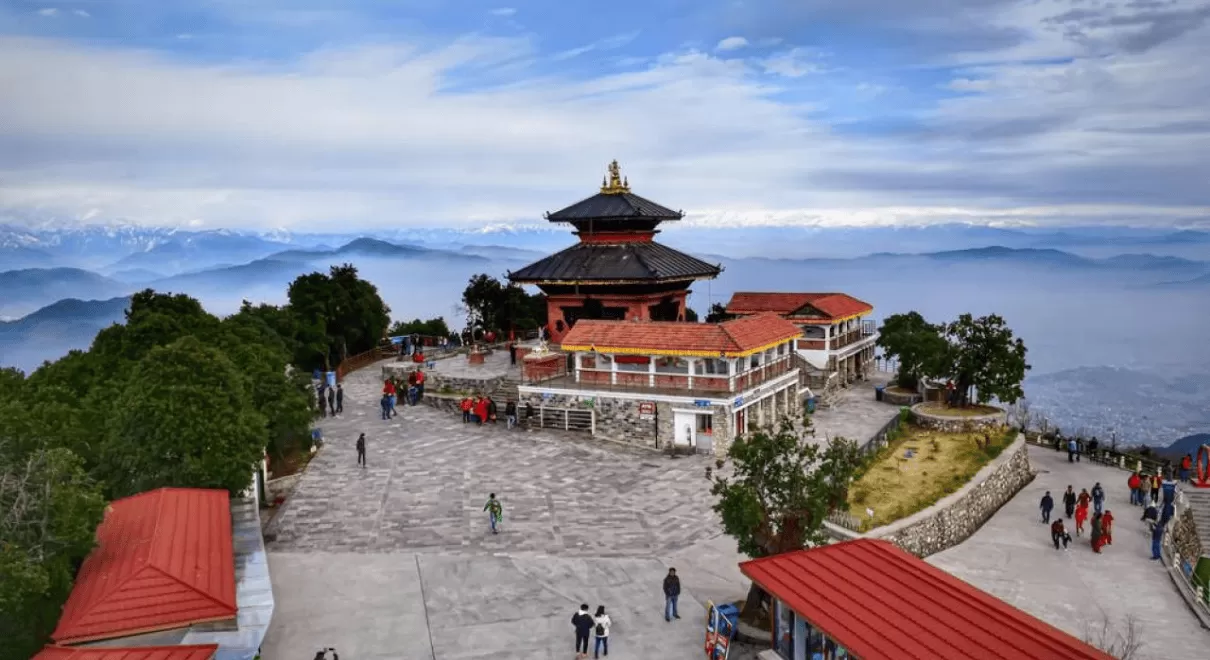
Kathmandu Valley bird watching tour for interested bird lovers and ornithology people: a wonderful trip visiting the best spots for bird watching and overwhelming views around Kathmandu Valley with an array of the snow-capped mountain range, the tour leads with some short walks and hikes to the hills of Phulchoki at 2,759 meters, the highest point of this trip, with the 2nd highest point at Shivapuri at 2,523 meters, both hilltops offering awesome scenery of Kathmandu Valley and mountains with rolling green hills in the midst of alpine forest with birds and other wildlife.
The journey extends to visiting charming areas of Nagarjun Forest and the exotic Godavari Botanical Garden, where you can visit and marvel at the quiet, peaceful, tranquil environment enriched with various plants, vegetation, herbs, and various colorful flowers from tropical to alpine species. Kathmandu, although a busy metropolitan city, is a wonder with the city limit that is surrounded by wilderness within the tranquil surroundings, which is hard to believe in a short driving and walking distance. This makes this place a perfect holiday spot for a few days to a week.
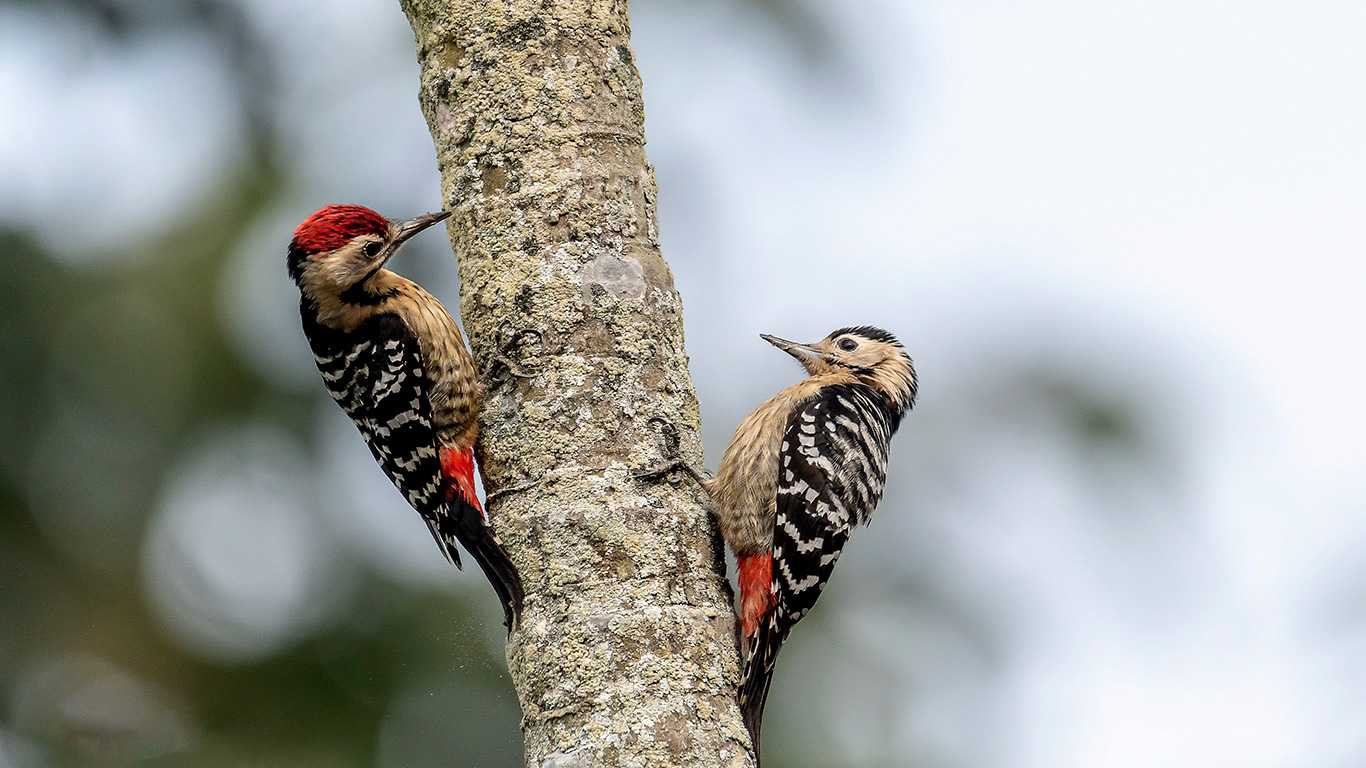
In our “Kathmandu Valley Bird Watching Tour," we offer the best possible areas for bird watching with some wildlife and mountain views all in one wonderful spot, where some 200 species of birds have been recorded around the valley itself, such as the Asian Paradise Flycatcher, bee-eaters, woodpeckers, whistling thrush, sunbirds, hoopoes, eagles, hawks, and magpies, and the list carries on as per the season of migration, making it one of the best bird-watching places in close distance and in the comfort of the short, easy drive and walks. The "Bird Watching Tour” is accompanied by expert guides and naturalists who know the area, culture, and abundant bird habitat of Nepal, including migratory birds, and share a wealth of information.
Why Choose Kathmandu Valley for Bird Watching?
Kathmandu Valley sits at about 1,400 meters above sea level, tucked in between forested ridges that sort of herd an extraordinary range of birds through the air. And unlike those remote birding places where you need weeks of trekking, the valley has reachable spots you can reach within an hour from the city center. Because it lies along the Central Asian Flyway, seasonal migrants roll through in really impressive numbers, especially in the right months. The altitude gradient, from the valley floor up toward Phulchoki’s 2,760-meter summit, squeezes multiple ecological layers into a small stretch. So birders can meet lowland species and then switch, without much delay, to Himalayan forest birds within a single day. For beginners as well as seasoned ornithologists, Kathmandu still feels like a strong mix of diversity and relative ease.
What to Bring on the Kathmandu Valley Bird Watching Tour
Good optics are probably your most important investment, like a pair of 8×42 binoculars; they manage a decent field of view while still giving you enough magnification for forest birding. I’d pack a field guide that’s tuned to Nepal or the Indian subcontinent; Grimmett and Inskipp’s guide is still kinda the default reference everyone points to. Wear earth-colored, non-rustling clothing and get sturdy trail shoes, because the forest paths can turn muddy even when the season looks dry. Also, bring a light rain jacket; valley showers can pop up fast, and you don’t want to be stuck. Have a notebook or a birding app for logging sightings, and if photography is your thing, a telephoto camera helps a lot. Water, some snacks, and sunscreen are essentials; no debating that. Starting early, right before sunrise, rewards patience and good timing, so honestly, an alarm set before dawn might be the most useful piece of kit you own.
Which Season is the Best Bird-Watching Season in Nepal?
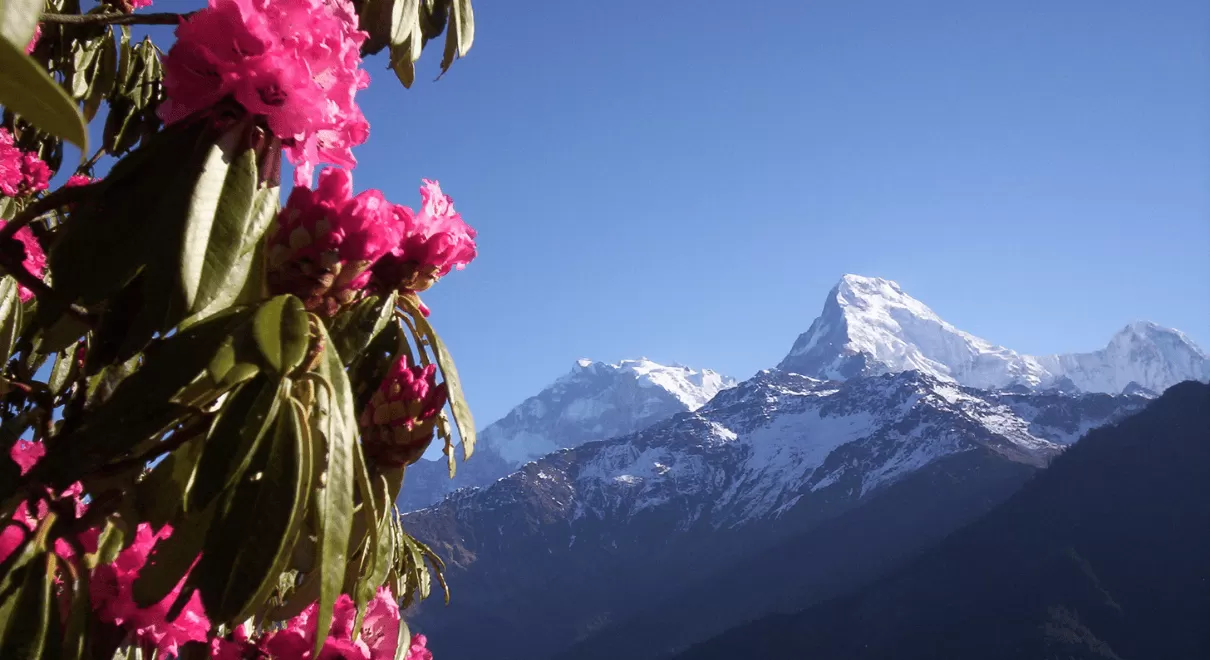
October to April is sort of the prime stretch for birdwatching in Nepal and also around the Kathmandu Valley. In autumn, roughly October until November, you get this migration rhythm where birds drift south, leaving breeding grounds in Tibet and Central Asia. Then winter, December through February, and the valley is packed with resident species in a really active mood, plus you’ll also see a collection of overwintering visitors that come down from higher elevations. By March and April, it gets kind of spectacular, honestly: the rhododendron woods bloom up, the Himalayan breeders start coming back, and the local birds tip into full song. On the other side, June through August, those monsoon months tend to be the least productive for general birding, mostly because of thick foliage and the continual rain. Still, if you’re committed and willing to get rained on, you can spot a few species that depend on wet weather and are rarely noticed at other times.
Which Birds Can Be Seen in Godawari and Phulchoki?
Phulchoki, the tallest point wrapping around the valley, hosts a forest community that feels kind of wild even though it’s so close to Kathmandu. On the higher parts, you might catch sight of the Spiny Babbler, this elusive bird, Nepal’s only real endemic, so it becomes a “go see” stop for twitchers chasing that life list tick. Plus, birders often run into Satyr Tragopan, Himalayan Monal, Chestnut-crowned Bush Warbler, and all sorts of laughingthrushes skittering, or rather rustling, through the underbrush. Down at the base, the Godawari botanical garden is a calmer start, where sunbirds, flowerpeckers, and various flycatchers keep turning up around flowering trees. In spring, Phulchoki’s ridgeline turns into a sort of wall of sound, warblers and thrushes plus pipits edging uphill as the days warm up, and everything just seems to move at once.
Which Birds Can Be Seen in Shivapuri National Park?
Shivapuri Nagarjun National Park sits on the valley’s northern rim, and it sort of blends dense subtropical forest with open stream lines, so the whole place ends up with a big range of habitats. That range helps it host more than 318 recorded bird species, sort of quietly, all along. The Shivapuri watershed in particular feels very productive for raptors; you can see crested serpent eagles, mountain hawk-eagles, and several buzzards circling above the canopy on clear mornings when the light is right.
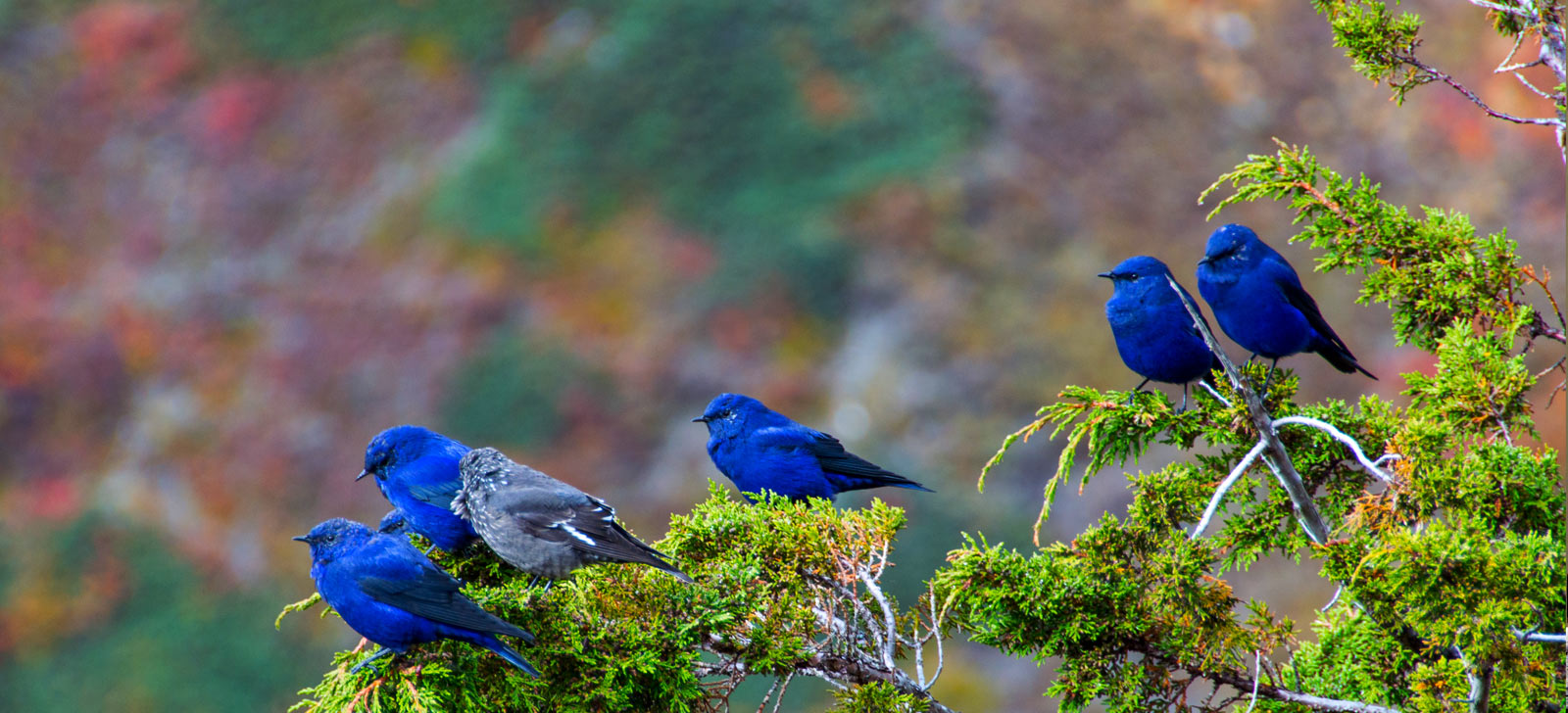
Near the forest streams, the White-capped Water Redstart and Plumbeous Water Redstart often perch out in the open on boulders, which makes spotting them easier than you’d expect. Then, in the dense undergrowth, you get scimitar babblers and wren babblers; they really require patience to even catch a glimpse. Up higher, closer to the Shivapuri peak, the Rufous-bellied Woodpecker and Bar-throated Minla hang around. And in the more open glades, mixed foraging flocks gather, sometimes holding a dozen species at the same time, like a small moving patchwork of sound and wingbeats.
Which Birds Can Be Seen in Nagarjun Forest?
Nagarjun National Park, tucked into the western valley edge, feels like a calmer pick than those more visited northern spots. You get this mix of oak, rhododendron, and pine, and it holds a solid set of woodpeckers, including the Greater Flameback and the Grey-capped Pygmy Woodpecker. Also, the laughingthrush side of things is especially strong here; Spotted Laughingthrush, Variegated Laughingthrush, and White-throated Laughingthrush are all noted regularly. Up in the forest canopy, you might spot the verditer flycatcher, blue-winged Minla, and several nuthatches, all going around the bark for insects, almost constantly. If people visit around dusk, they can hear—and sometimes catch a brief look at—the Collared Owlet and Brown Fish Owl near water. Nagarjun tends to reward slow, patient walking more than quick loops because the trails are quieter, the birds stay less disturbed, and somehow they are easier to approach.
Why Are Godawari, Shivapuri, and Nagarjun Popular for Bird Watching?
There are three things that, kind of, lift these places above most of the other wooded bits around the valley. First altitude range: each site stretches across more than one elevation band, so habitat variety gets sort of compressed, which in many other birding areas would mean you’d be stuck doing full-day drives. Second protection status: all three sit inside formally protected reserves, so the forest stays in decent shape and human disturbance stays at levels people can actually manage. Third accessibility from Kathmandu is really remarkable; birders can be standing there watching Satyr Tragopan on a Phulchoki trail, within ninety minutes of a city hotel, which feels almost unreal. Put all three together, and you get coverage for the valley’s cardinal directions and the elevational extremes, too, so the species lists end up being complementary, and collectively they reflect the wider full range of what this extraordinary Himalayan basin offers.
Spot the Spiny Babbler— Nepal’s only endemic bird— in the Phulchoki forest, you know that place, kinda quiet but with this specific sound.
Explore three kind a different forest ecosystems, Godawari, Shivapuri , and Nagarjun in one day.
Observe over 500 species , sort of boosted by migrants, along the Central Asian Flyway, in general.
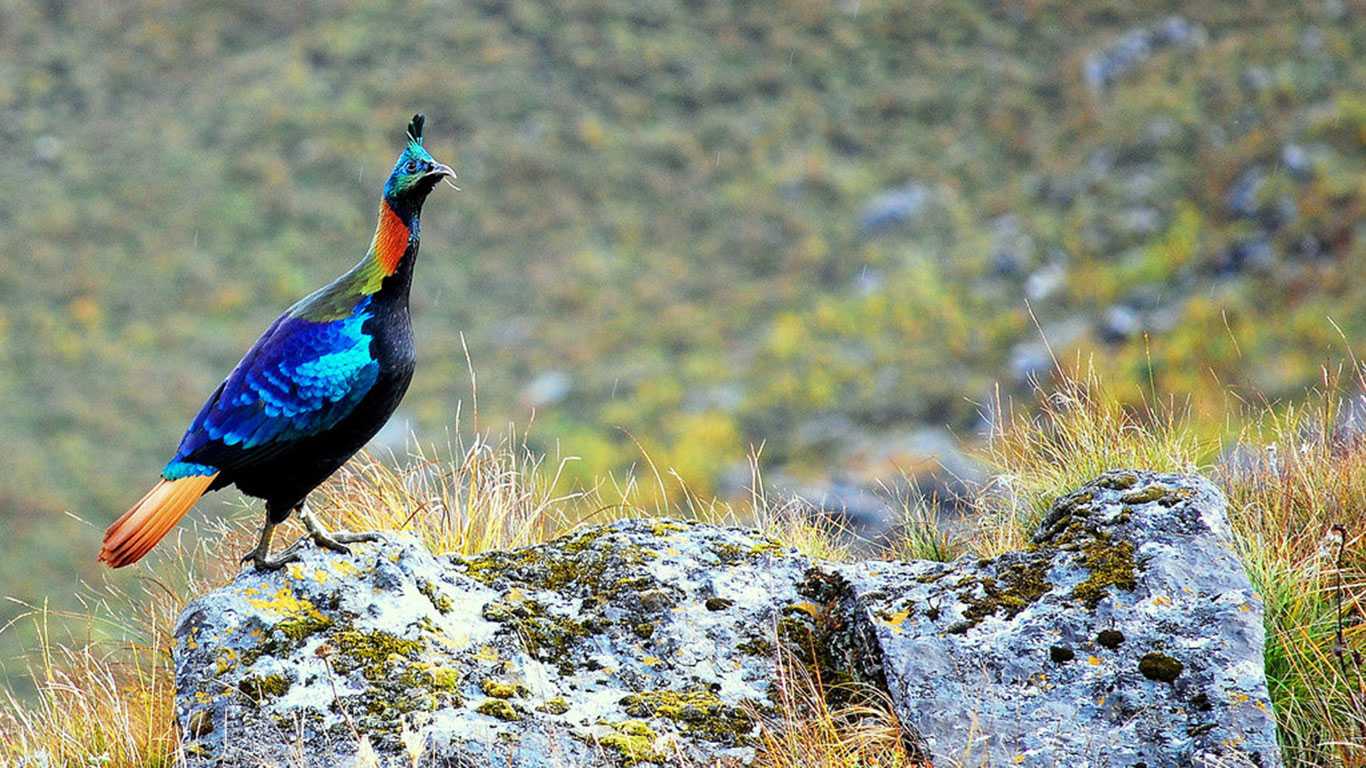
Take a look at the dazzling Himalayan Monal, which is Nepal’s iridescent national bird, hopping along forested ridgelines, almost like it’s gliding, and staying calm in the background.
Many of the prime birding spots are kind of within about 90 minutes from the Kathmandu city centre , and yeah generally they don’t stray far.
Start From
Get personalised guidance for any Nepal adventure — with expert planning and safety support.
We offer expert advice, flexible options, and tailor-made itineraries.

The Kathmandu Valley birdwatching tour with Himalayan Smile Treks was really great, like honestly good, in a way that felt calm but still exciting. The guide, Indra Gurung, was knowledgeable, and he helped us see many bird species around Phulchoki and Godawari. The whole thing was well managed, not messy at all, and also quite educational in a gentle sort of way. We learned a lot, yet it stayed enjoyable, and yes, we did have fun. For bird lovers who are visiting Nepal, this felt like a perfect experience.
Himalayan Smile Treks organized this pretty great Kathmandu Valley Birdwatching Tour, and honestly, it felt kind of smooth from start to finish. Guide Karma Sherpa was patient and experienced, too, like he really knew where to look. We spotted a lot of colorful birds in their natural habitats, while we also learned about Nepal’s rich biodiversity. It went beyond my expectations, and it was really rewarding overall.
Kathmandu Valley Bird Watching Tour with Himalayan Smile Treks was a really memorable kind of trip, for sure. Guide Chiring Sherpa seemed to know every bird call and also where they live, like it was nothing. We went to Phulchoki and Shivapuri too, and we saw quite a lot of different species. The views, fresh air, and that expert guidance made the whole day feel exceptional.
Himalayan Smile Treks gave this kind of really remarkable bird watching trip, around Kathmandu Valley i mean it was great. The guide Dawa Sherpa was friendly, and also kinda informative about everything, you could just feel it. While walking those calm forest trails we got to spot a handful of rare , really striking birds. Overall the whole plan felt solid, and it fit nicely both for people just starting out, and for the more experienced bird watchers too.
My Kathmandu Valley bird watching tour with Himalayan Smile Treks was, honestly, one of the better parts of my Nepal visit. Guide Namel Dherpa seemed very professional but also genuinely excited about bird conservation, and that kind of vibe kept everything feeling smooth, even when the days got busy. The bird variety was impressive, the scenes around it looked stunning too, and the overall organization was great. I left the experience feeling like it was genuinely unforgettable, in that quiet way you remember for a while after.



↑



.png "NTB")
.png "Pata")