Trekking in Nepal information
Trekking Nepal information Literally, the meaning of "trekking" is "gentle walking." The word is derived from South Africa, which means a long journey, especially made my foot. We can say trekking means a journey by walking over the hills and mountains. The elevation of trekking counted from 500 m to 5000 m above sea level. Exceptionally, only the country Nepal offers adventurous trekking up to 5545 m, Kalapathar, in the Everest region. One doesn’t require having any special climbing and mountaineering skills in order to go trekking. Just as you need to have strong passion, desire, and dedication. Trekking is also known as a journey by foot to hike throughout the remote area, crossing the villages and rivers, and enjoying nature. You spend your time away from your home.
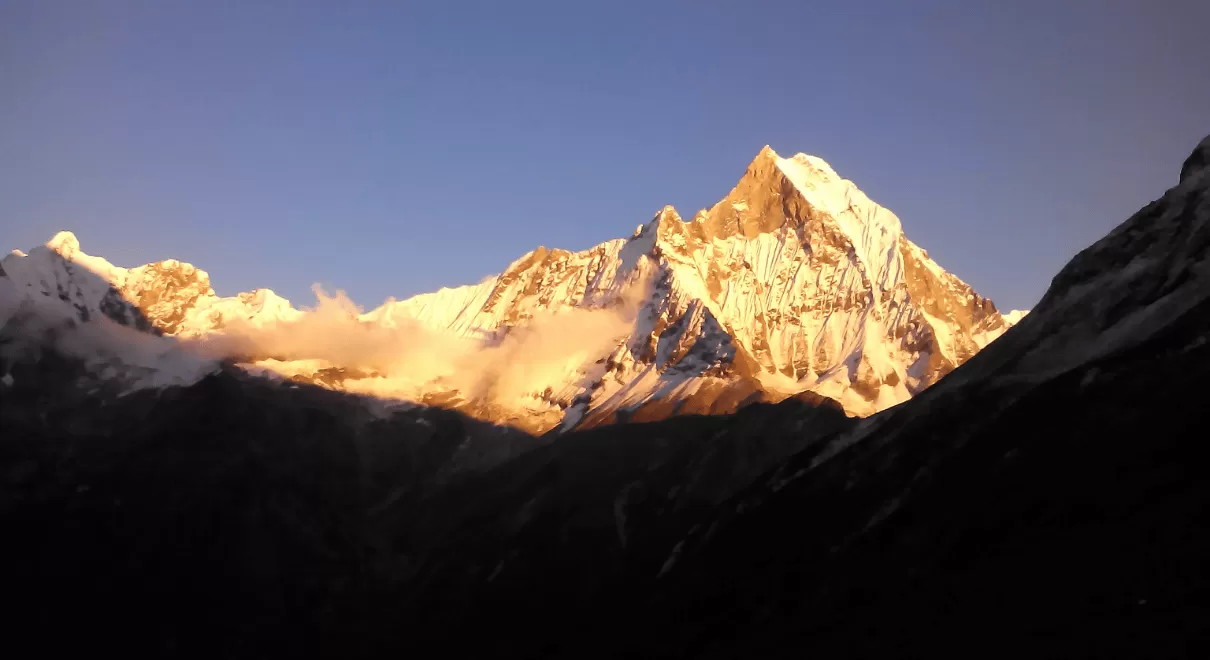
Trekking in Nepal is a great way of exploring the Himalayas, villages, and many unexplored destinations. Nepal is known as “the paradise destination for trekking lovers.” 8 out of 10 of the highest peaks lie in Nepal, including the world’s highest peak, Mt. Everest (8848 m). Along with Kanchanjanga (8586 m), Lhotse (8516 m), Makalu (8485 m), Cho Oyu (8201 m), Dhaulagiri first (8167 m), Manaslu (8163 m), and Annapurna I (8091 m). Similarly, thousands of alpine peaks are recorded; among them, Amadablam, Tseko Ri, Island Peak, Langtang Lirung, Ganesh Himal, and Gaurisanker are among the most popular peaks in Nepal. Some of the peaks, hills, valleys, and villages are still unexplored and far from human settlements. Therefore, throughout the trek, one can explore the untouched destination of Nepal.
Types of trekking in Nepal:
- A) Camping trekking
- B) Tea house trekking or lodge trekking
- A) Camping trekking
Camping trekking is a fully organized trek. All the trekking equipment, gear, and even accommodation are carried by the porter. You're staying overnight near the attraction. Porters, Sherpas, cooks, and trekking guides are the human resources needed to fulfill basic camping services. This trek is organized by the trekking company.
- B) Tea house trekking or lodge trekking
Tea houses and lodges are forms of accommodation in the mountain region. The guests are accommodated in the tea house and lodges. Here, you get the basic facilities and services that urban lodges and hotels have. Tea houses provide you with lunch, dinner, and room facilities. In addition, battery charging, hot shower, laundry, internet facilities, and other services might be provided by some of the teahouses; for that, you will be charged some extra money.
Top 10 Best Trekking Destinations in Nepal
- Everest Base Camp Trekking—13/14 Days
- Annapurna Circuit Trek 10 Days—10 days
- Annapurna Base Camp Trekking — 9/10Days
- Poon Hill Trekking —5/6Days
- Langtang Valley Trekking —7/13 Days
- Manaslu ciricuit Trek —15Days
- Everest Base Camp 3 passes trekking—18 days
- Gokyo Lake Trek—12 Days
- Upper Mustang —14Days
- Upper Dolpo —22Days
What is TIM’s card, and where do you get it?
TIMS stands for Trekkers’ Information Management System (TIMS). It was implemented jointly by the Nepal Tourism Board (NTB) and the Trekking Agencies’ Association of Nepal (TAAN) to ensure the safety and security of trekkers and to control illegal trekking operations. A TIMS card is mandatory to permit any kind of trekker to trek in Nepal.
To obtain the permit card, visit the Tourist Service Center, Bhirikutimandap; the TAAN (Trekker’s Agencies’ Association Nepal) office in Maligaon; and government-registered trekking companies in Kathmandu and Pokhara.
TIMS card fees are as follows: Group trekker: NRs. 1,000; free individual trekker (FIT): NRs. 2,000 per trekking route per person per entry.
For SAARC countries, TIMS card fees are as follows: Group trekker: NRs. 300; FITs: NRs. 600 per trekking route per person per entry. Part of the collection will go into maintaining the trekkers’ database and into the rescue of trekkers in need of emergency services.
Diplomats are not charged for the card.
Which is the best season for trekking?
Generally, two seasons, autumn and spring, are known as the best seasons for trekking in Nepal. However, all seasons are possible to operate trekking with four distinct seasons:
- Spring Season (Between March and May)
The temperature is mildly warm in the lowlands, while moderate in higher altitudes. The rain will have just finished so that the greenery will be seen everywhere. This is also the time of flowers to blossom. Especially, rhododendrons bloom in the Annapurna and Langtang regions.
- B) Summer (Between June and August)
This season is called the monsoon season. The climate will be hot, hazy, and quite wet. Thunderstorms and rain struck occasionally in the evening. Despite wet, in the morning, the sky will be clear so that we can see the astonishing mountain views. Similarly, often the wildflowers, butterflies were seen. Alternatively, people can also do the trek in rain shadow areas like Manang, Mustang, Dolpo, and other places
- C) Autumn Season (Between September and November)
This is one of the peak seasons for trekking. Everest and Annapurna lodges and hotels will be almost fully reserved. Therefore, while trekking, the guide and porter rush to pre-reserve their rooms at the destination. The weather is highly pleasant. The sky will be clear in the daytime and morning so that the mountains open up with glittering colors. Meanwhile, this Hindu’s biggest festivals, Dashain and Tihar, fall in the same season. Trekkers can experience the Nepali culture and lifestyle of the people.
- D) Winter season
The winter is cool, and the sky is clear with occasional snowfall in higher elevations. Morning and night are cold, but daytime is warm when sunny. This is a good season to hike and trek in the lower elevation.
What trekking gear is needed to bring?
What trekking gear and equipment are needed to bring?
The following are the checklists that need to be brought by the trekkers:
Checklist
- Hand sanitizing lotion
- Reading/writing material
- Camera & Binoculars
- First-aid kit (should contain lip salve, aspirin, Band-Aids, antihistamine, Imodium or similar tablets for mild cases of diarrhea, rehydration powder, extra prescription drugs you may be taking, and chlorine dioxide for water sterilization).
- Protein bars, chocolate, dried fruits, candies, and snack foods.
- Travel documents: passport, visa, travel insurance, air tickets
- Money: travelers’ checks/cash/credit card
- Spare Boot Laces
- Sleeping Bag
- Lightweight Towel
- Toiletries
- Daypack to carry your personal needs during the day
- Torch/flashlight—headlamp style is ideal
- Sunscreen and lip balm
- Refillable water bottle—min. 1 liter. Aluminum or Nalgene polypropylene are best
- Hat
- Gloves—wool or fleece
- Scarf
- Wind and waterproof Jacket & Pants
- Umbrella, especially in summer (May to September)
- Comfortable walking shoes
- Socks: thick wool blend and thin cotton to be worn in combination—ensure boots fit
- Running shoes or sandals for the evening?
- Wool jumper/sweater/fleece. Lightweight during summer, 1 heavyweight or 2 lightweights during winter months. Down jackets in winter.
- Fleece Jacket
- T-shirts: 2 or 3
- Shirt—Long-Sleeved
- Pants—lightweight long trousers (jeans are unsuitable)
- Extra warm clothing during winter (December to March), layered clothing
- Etc….
What is AMS?
Acute Mountain Sickness (AMS) is a reaction to the lower amounts of oxygen available at high altitudes (due to the lower air pressure). Our body will respond in various ways to this: some are normal, some are illnesses. The illnesses are a serious health hazard and can be the cause of death if we ignore them. AMS can occur at any age in people, whether he or she is young, old, or a child.
Some Symptoms of AMS:
- fatigue
- dizziness
- loss of appetite
- nausea or vomiting
- confusion
- difficulty walking (called gait ataxia)
- rattling breath
Prevention:
- Acclimatize to the altitude. Increase the altitude only 500 feet per day.
- Drink plenty of water and eat hygienic food
- Descend if the symptoms become severe
- Use Gamo Bag
- Wear the clothes according to the weather
.png "NTB")
.png "Pata")