Dingboche Acclimatization Day on the Everest Base Camp Trek
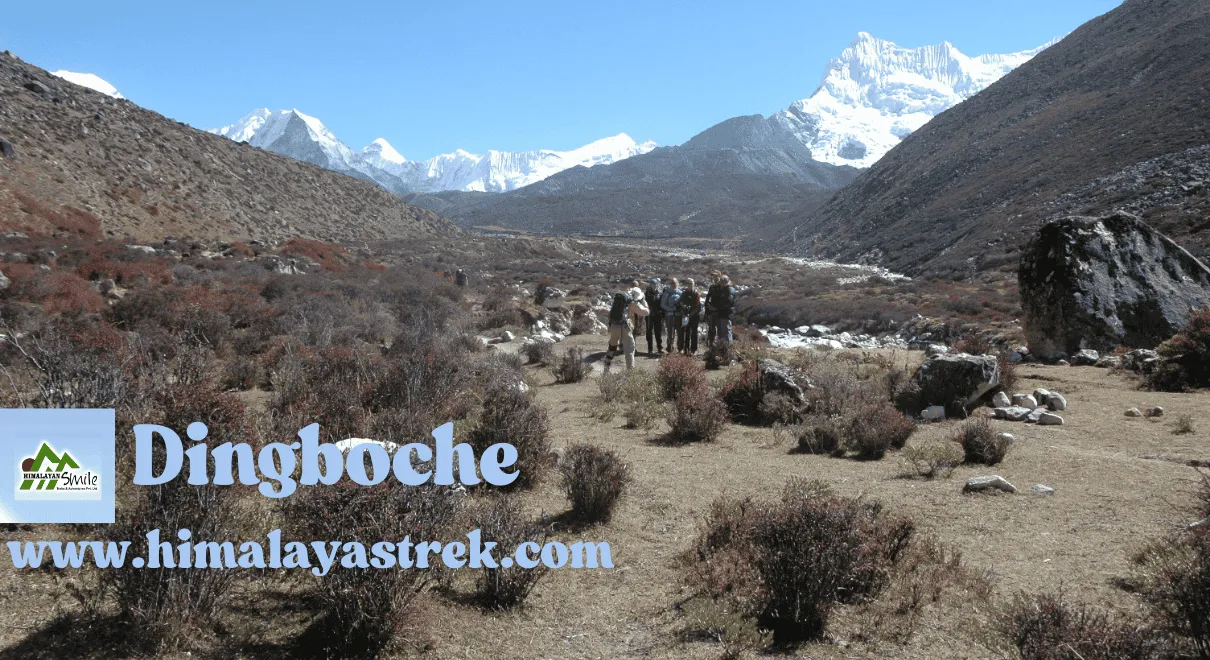
The Dingboche acclimatization day on the Everest Base Camp Trek serves as a vital rest day, which brings hikers the greatest benefits during their trek to Mount Everest Base Camp. The Khumbu region of Nepal features Dingboche at an elevation of 4,410 meters, which serves as a crucial rest point for trekkers who need to acclimate to the region's reduced oxygen levels. The day offers more than just relaxation because it provides an opportunity to ascend to higher locations while experiencing better air quality and enjoying stunning views of Ama Dablam Island Peak and Lhotse, which will help your body get ready for upcoming high-altitude challenges. The essential guide for this day provides everything you need for an unforgettable experience.
1. Introduction: Why Dingboche Matters More Than You Think
The continuous walking of three days has led to your current situation. You have strong legs and high spirits, which make Everest Base Camp seem almost within your reach. The guide announces the magical words that establish our next day as acclimatization time in Dingboche. Some trekkers express their dissatisfaction at first. A rest day? Now? But experienced Himalayan trekkers know better. The Dingboche acclimatization day on the Everest Base Camp Trek is not a delay; it is the difference between reaching your goal and being turned back by altitude sickness.
The complete guide explains the purpose of the day, provides tips for maximum benefit, details the available hiking options, and describes the afternoon activities, and highlights the errors to avoid. It explains the preparations needed to reach Dingboche in a healthy state while showing excitement for future activities.
Note: The guide serves its purpose for all trekkers regardless of their experience level because Dingboche acclimatization day stands as the crucial day that will determine your entire Everest Base Camp trek.
2. Why Choose a Package That Includes a Dingboche Acclimatization Day?
The different trekking packages to Everest Base Camp show a big difference in their scheduled routes. The 10-day fast-track options, which begin after Dingboche, skip the rest day. The solution might seem attractive to people who need to complete tasks quickly. Here is why you should always choose a package that includes the Dingboche Acclimatization Day on the Everest Base Camp Trek:
- Your blood needs time to thicken. Your body responds to high altitudes through increased production of red blood cells, which transport oxygen. The required process duration lasts from 24 to 48 hours.
- Your physical condition does not determine your vulnerability to altitude sickness. The Khumbu region has seen two Olympic athletes who required evacuation. Acclimatization proves essential even though fitness does offer advantages.
- The principle, which states that people should hike at high altitudes and sleep at lower altitudes, has scientific backing. The guides lead you to a day hike that reaches 5,000 to 5,100 meters while you rest at 4,410 m. The process leads to faster red blood cell production and faster hemoglobin adjustment.
- You will truly feel pleasure from it. The best views in the entire Everest region trek come from the ridge that overlooks Dingboche.
A trustworthy trekking company in Nepal includes this day as part of its standard itinerary, which spans 12 to 14 days. You must maintain strict adherence to this requirement.
3. How Does the Trekking Work? Route Overview to Dingboche
The Dingboche Acclimatization Day serves its purpose during the Everest Base Camp Trek through its specific placement within the complete trekking route. The standard 12–14-day itinerary begins with a scenic flight from Kathmandu to Lukla Airport (2,860 m), which continues to ascend through the Everest region on each subsequent day.
Standard 12 Day Trek Route
Day 1: Fly from Kathmandu to Lukla Airport (2,860 m) — Trek to Phakding
Day 2: Trek to Namche Bazaar (3,440 m)
Day 3: Acclimatization day in Namche
Day 4: Trek to Tengboche (3,860 m)
Day 5: Trek to Dingboche (4,410 m)
Day 6: Dingboche Acclimatization Day.
Day 7: Trek to Lobuche (4,940 m)
Day 8: Trek to Gorak Shep — Visit Everest Base Camp (5,364 m)
Day 9: Hike Kala Patthar (5,545 m) and trek to Pheriche.
Day 10: Trek to Namche Bazaar.
Day 11: Trek to Lukla.
Day 12: Fly to Kathmandu.
The Dingboche acclimatization day functions as the second designated rest period on the Everest Base Camp Trek after the Namche stop because it addresses the important phase when travelers reach altitudes above 4000 meters, which heightens their risk of acute mountain sickness.
4. When to Do This Trek: Best Seasons for the Khumbu
The time you choose for your Dingboche Acclimatization Day should be based on weather patterns because Himalayan weather proves to be extremely harsh. The ideal time for trekking occurs twice each year.
Spring: March to May
The most popular trekking window. Clear skies show rhododendrons blooming on the lower trails while trekkers and climbers fill the Khumbu area to prepare for their Everest summit attempts. People who have the right equipment can handle Dingboche's nighttime temperatures, which stay between -5°C and -10°C. The acclimatization hike provides sunny weather during the daytime hours.
Autumn: September to November
The second-best season. Post-monsoon air is crystal clear, offering magnificent panoramic views of the Himalayan peaks. The sun shines on Dingboche during the day, while temperatures at night reach freezing point. Many experienced trekkers prefer autumn for its quieter trails and exceptional photography conditions.
Seasons to Avoid
The monsoon season between June and August creates heavy rainfall, while lower trails become infested with leeches, and continuous cloud cover prevents any mountain vistas. The winter season extends from December to February, which allows outdoor activities but requires extreme effort because Dingboche experiences -20°C temperatures, and teahouses provide only limited functions.
5. Acclimatization Hiking Options on Your Dingboche Day
The Dingboche acclimatization day on the Everest Base Camp Trek functions as an active rest period, which visitors to the trek should understand as their most essential comprehension point. The science of altitude adaptation is built on a deceptively simple principle: climb high, sleep low. Your body achieves maximum benefits from daytime elevation increases, which require you to breathe more intensely during controlled times before you return to sleep at Dingboche's 4,410 meters. Two excellent hiking options make this possible.
Option 1: Hike to Nangkartshang Peak (Nagarjun Hill) — The Classic Acclimatization Climb
The Trail in Detail: The trail begins at Dingboche after breakfast, which starts between 7:00 and 8:00 a.m. when the air remains cool, and the sky shows peak brightness. The path ascends steeply through a barren landscape that contains scattered small bushes and vibrant prayer flags. The route lacks teahouses, which requires hikers to bring water and light snacks from the lodge.
Most trekkers reach the primary viewpoint at approximately 5,083 meters within 2 to 2.5 hours of steady uphill walking. Some guides continue to a higher point at around 5,100–5,200 meters if the group is feeling strong and symptom-free. The complete round trip requires 3 to 4 hours to complete because your speed and the time spent at the summit viewpoint will determine your duration.
The First View You Will Experience from the Summit
The Nangkartshang Peak viewpoint provides its visitors with the ultimate scenic experience, which serves as the best observation point for the Dingboche Acclimatization Day trek to Everest Base Camp. Trekkers who stand on this spot describe it as a pivotal moment when the Himalayas transform from a photograph into a real, physical presence that they can experience with their senses.
- Mount Everest (8,849 m) — visible in the distance, partially framed by the ridgeline
- Lhotse (8,516 m) — the fourth-highest mountain in the world, looming vast and impossibly close
- Makalu (8,485 m) — the fifth-highest peak, a striking, sharp pyramid to the east
- Ama Dablam (6,812 m) — the Khumbu's most photogenic peak, rising like a cathedral spire
- Island Peak / Imja Tse (6,189 m) — a popular trekking peak visible across the Imja Valley
- The Khumbu Glacier—stretching below in sweeping rivers of ancient, fractured ice
Highlights at a Glance
- The pathway leads to an excellent altitude increase, which helps climbers to adjust their bodies to high altitude by climbing above 5,000 meters while they rest at 4,410 meters.
- The EBC route provides its visitors with one of the top 360-degree Himalayan panoramic views that exists anywhere in the world.
- The distance of this route enables trekkers to complete it within a half day, which provides them with sufficient time to rest during the afternoon.
- The trail at Dingboche proves accessible to all trekkers because it enables them to complete the journey even after arriving with mild exhaustion.
Option 2: Day Hike to Chhukung Village — The Scenic Valley Walk
The trek to Chhukung village provides an excellent option for trekkers who want to undertake longer, more difficult trails or who want to turn their Dingboche Acclimatization Day into a complete day trek for the Everest Base Camp Trek. The trail provides a peaceful, less steep path that allows hikers to experience the complete beauty of the Himalayan landscape.
The Trail in Detail
Chhukung (4,730 m) is a tiny, remote settlement nestled in the Imja Valley, roughly 8 kilometres east of Dingboche. The trail follows the valley floor along the north bank of the Imja Khola river, offering a gradual but sustained ascent through wild, open high-altitude terrain. The route to Nangkartshang begins with a steep ridge ascent, whereas this route provides an easier climb, which takes longer and leads hikers to experience the full raw beauty of the Himalayas.
Dingboche to Chhukung requires 3.5 to 4 hours of walking time, which varies based on your current acclimatization status and your actual walking speed. The trail passes through open yak pastures, crosses small glacial streams, and skirts the lateral moraine of the Lhotse Glacier. The valley entrance to Chhukung becomes tighter while two ice-covered cliffs create walls that rise up on both sides.
Chhukung Village
Chhukung exists as a remote and quiet area that contains only several stone teahouses and lodges that serve trekkers who want to reach Island Peak and Chhukung Ri summit. Trekkers who arrive at the site begin their visit by selecting one of the teahouses to enjoy a hot lunch, which includes dal bhat, noodle soup, or pasta while they look at Island Peak and the nearby glaciers. The total round trip requires 6 to 7 hours of walking, which qualifies as a complete day trip.
What You Will See Along the Way
- The southern face of Ama Dablam offers close-up views that display both its dramatic and beautiful features.
- The size of Island Peak (Imja Tse) increases as you move closer to Chhukung.
- The Lhotse Glacier flows through its expansive area, which includes its adjacent lateral moraines.
- Imja Valley depicts its glacially carved landscape, which stands as one of the most striking natural landscapes in the Khumbu region.
- Yak herders and their animals cross high, open pastures, which provide them with uncultivated space to roam.
Highlights at a Glance
- The walking path offers scenic views while enabling trekkers to gain altitude endurance and develop their high-altitude fitness.
- The viewing point provides visitors with close-up views of Island Peak and the Imja Glacier system.
- The lunch takes place at one of the most secluded and tranquil teahouse villages located throughout the entire Khumbu region.
- The trekking route enables trekkers to experience extended physical challenges, which they can complete without facing continuous steep mountain ascents.
Which Option Is Right for You?
Your guide will help you decide on the morning of your Dingboche Acclimatization Day on the Everest Base Camp Trek, based on how everyone slept and whether any early AMS symptoms are present. The following guidelines provide two methods to achieve your objective:
- For maximum altitude gain in minimum time — choose Nangkartshang Peak
- For a longer, more immersive valley experience — choose Chhukung Village
- The most demanding choice is to combine two activities, which guided groups will demonstrate only after all participants have recovered from their symptoms and reached full health.
6. What to Do in the Afternoon in Dingboche
Most trekkers come back to Dingboche after their morning hikes between noon and 2:00 p.m. on their Dingboche Acclimatization Day. Everest Base Camp Trek, they must use their afternoon time to rest properly between doing light activities and complete sleep.
Eat a Proper Lunch First:
Your body experiences complete energy loss after three hours of hiking at high altitude, and your body temperature has dropped during the downhill trek. You need to eat a warm and healthy meal as soon as you return home. The perfect meal for recovery consists of dal bhat, which provides carbohydrates that digest slowly and lentils that give protein and spices that produce body warmth. Trekkers often start their meal with garlic soup, which locals in Khumbu consider a fundamental dish that helps to reduce altitude headaches and enhance blood flow.
Hydrate Aggressively:
At high Himalayan altitudes, your body experiences faster moisture loss because the dry air that surrounds you leads to increased water loss through breathing, which results in a water loss rate of up to one liter per hour during physical activity. You need to drink water throughout the whole afternoon in a continuous manner. Water, herbal teas, and lemon honey ginger tea make ideal beverage options. The body experiences rapid dehydration at this altitude because caffeine and alcohol both work to increase dehydration rates.
Rest at the Teahouse:
The teahouse dining room becomes a social hub in the afternoon. You can relax completely by sitting in a chair next to the central heating stove while drinking Sherpa tea. You can document your hiking experiences while looking at your future travel plans and meeting other trekkers. The stories that people tell at a Dingboche teahouse stove create a special warmth that shows true friendship that exists between people who have achieved the same height and reached their goals together.
The Village Needs To Be Explored Through Its Complete Exploration.
The small village of Dingboche contains its own unique charm. The village area gets divided through stone walls, which create geometric field patterns. The mani walls, which date back centuries, display Buddhist prayers and mantras through their carved design. The village perimeter takes less than 20 minutes to walk, but provides excellent photography chances because of the serious Khumbu peaks, which stand in the background. People should approach the small gompa (Buddhist monastery), which sits at the village boundary, with a peaceful yet honorable way of showing respect.
The Best Time To Take Photographs Is During The Afternoon Light.
Dingboche experiences its best mountain photography conditions during the late afternoon hours. The western sun creates warm golden light, which reveals extraordinary colors on the faces of Ama Dablam and Lhotse and the surrounding peaks. The setup process begins at the village edge between 3:00 and 4:00 p.m., and you should stay there until the Himalayas complete their natural display.
People Need To Check Their Current Physical Condition.
The afternoon period provides the best opportunity for you to discuss your current feelings with both yourself and your guide. Your guide needs to observe your current state because of your headache, appetite changes, and energy recovery process. The guide uses a pulse oximeter device to determine your blood oxygen saturation (SpO2) levels; if your reading stays below 75-80% during this altitude measurement, you need medical attention because your current symptoms need monitoring as well.
Pro Tips: You should make sleep your most important priority. You should enter your sleeping bag between 8:00 p.m. and 9:00 p.m. Sleep quality at high altitudes gets disturbed because people experience irregular breathing patterns, which means that more time spent in bed will help them recover from their reduced sleep duration. You should use a sleeping bag that has a temperature rating of -15°C or higher and request a hot water bottle from the teahouse.
7. Tips for a Successful Acclimatization Day at Dingboche
The experienced sherpa guides, together with high-altitude medical experts, have established a definitive set of training protocols, which they developed through their extensive experience of leading trekkers in Khumbu through the Dingboche Acclimatization Day on Everest Base Camp Trek. Successful trekking requires all trekkers to adopt these essential habits, which separate them from early departures who experience disappointing treks.
1. Walk Slowly and Maintain a Steady Pace
Trekking in the Himalayas requires strict adherence to its main rule, which becomes even more important during acclimatization day. The moment you push your pace — even briefly — your oxygen demand spikes and your respiratory system struggles to compensate. The Sherpa people use a Khumbu saying which defines their entire approach to life: bistari bistari. The correct pace of walking allows people to speak complete sentences at their normal talking speed. The pace should never exceed this limit.
2. Drink at Least 3–4 Litres of Water Throughout the Day
Dehydration stands as the primary factor that affects AMS because people can easily avoid this condition. Begin drinking as soon as you wake up — aim for a litre before breakfast. The morning hike should be followed by a steady drinking stream until lunch and the afternoon. One bottle of water consumed daily with oral rehydration salts (ORS) serves as a perfect supplement. The colour of your urine serves as a hydration indicator, which shows ideal hydration through pale yellow, while dark yellow indicates dehydration.
3. Eat Nutritious, High-Carbohydrate Meals
The body needs more calories at high altitudes above 4000 meters because the respiratory muscles work harder, the body produces extra heat to handle low temperatures, and the cellular repair processes work at maximum capacity. You need to force yourself to eat food that you find unappetizing. Choose carbohydrates that your body can digest easily, such as rice and noodles, bread, and potatoes. The body needs to avoid consuming meals that contain excessive amounts of heavy fats.
4. Complete Abstention From Both Alcohol And Smoking Is Required
Alcohol consumption leads to respiratory depression because it causes people to breathe less frequently and with shallower breaths, which becomes problematic when their blood oxygen levels are already low. The sleep pattern of Dingboche residents experiences significant deterioration when they consume even one beer. The same effects of smoking apply because it decreases lung capacity through its impact on cellular functions. The two substances remain completely prohibited during the Dingboche Acclimatization Day of the Everest Base Camp Trek. Save the celebration for Kathmandu.
5. Monitor Altitude Sickness Symptoms — Honestly
The most dangerous thing a trekker can do at altitude is minimise or conceal symptoms. The first signs of danger, which require immediate medical intervention, show through headache, nausea, dizziness, and loss of appetite. Use the Lake Louise AMS Score as a daily self-assessment tool — if you score moderate-to-severe across multiple symptoms, discuss this transparently with your guide. A one-day delay is infinitely preferable to a helicopter evacuation.
6. Take Diamox Only If Prescribed
Acetazolamide (Diamox) is a prescription medication used to prevent and treat AMS. The drug operates by bringing about increased respiratory rate and depth, which results in higher blood oxygen levels. You must adhere to your doctor-prescribed dosage instructions if they provided you with the medication before your trek. Trekkers should never share their Diamox with others because it creates health risks, which include hiding symptoms while causing altitude damage and producing side effects such as tingling fingers and frequent urination.
7. Check Your Pulse Oximeter Readings
You should measure your oxygen levels twice each day by using your personal pulse oximeter. The normal SpO2 range for healthy individuals at Dingboche's altitude extends from 80 to 90 percent. Guide staff members should be contacted immediately when patients display symptoms, and their oxygen levels drop 75 percent below. Daily monitoring of your readings should be conducted because medical professionals consider a downward trend for consecutive days to be as important as any individual high-risk measurement.
8. Maintain Your Body Heat Throughout Daytime Hours
Dingboche experiences temperature drops, which can occur throughout the entire day and night period. The ridge wind chill above the village during the acclimatization hike makes 5°C temperatures feel equivalent to -15°C. You should wear thermal layers and keep your down jacket in your daypack, and you should always wear a warm hat and gloves when you leave the teahouse. The body loses its ability to acclimatize when cold stress occurs, and this condition also decreases the body's immune defense mechanisms.
9. Stay Mentally Positive
The research studies conducted in high-altitude medicine demonstrate that psychological stress, together with anxiety, produces elevated cortisol levels, which disrupt the body's ability to adapt at high altitudes. Trekkers who approach the Dingboche Acclimatization Day on the Everest Base Camp Trek with patience and calm consistently report fewer AMS symptoms. You should rely on your guide and your itinerary because the mountain will provide rewards to those who show proper respect for it.
10. Prepare Your Gear for the Days Ahead
You should use the peaceful afternoon period to organize your backpack equipment necessary for the upcoming high-altitude activities, which include Lobuche at 4940 meters, Gorak Shep at 5164 meters, Everest Base Camp at 5364 meters, and Kala Patthar at 5545 meters. You should keep your most insulated clothing, headlamp, and personal medical supplies in a location that allows for quick access. You can charge your camera batteries and power banks by using the teahouse socket, which usually provides access for a small fee. The small tasks that can be done at Dingboche help people avoid major problems that occur at heights above 5000 meters.
8. Most Common Problems on the Dingboche Acclimatization Day — and How to Solve Them
The same problems that trekkers encounter during Dingboche Acclimatization Day on the Everest Base Camp Trek happen every single year. The following information provides an accurate assessment of what will occur, together with instructions on how to handle the situation.
Problem 1: Acute Mountain Sickness (AMS)
The symptoms of AMS start with a persistent headache, which represents the most common early sign, followed by nausea, dizziness, extreme fatigue, and loss of appetite. The altitude of Dingboche reaches 4,410 metres, which makes it possible for AMS to develop when climbers ascend at excessive speed. HAPE (High Altitude Pulmonary Edema) and HACE (High Altitude Cerebral Edema) represent severe medical conditions that need urgent medical treatment and instant descent. The golden rule states that when AMS symptoms become worse during resting periods, patients need to descend from their current location. Patients should never attempt to climb when they experience existing symptoms that continue to become worse.
Problem 2: Sleep Disturbances
Many trekkers above 4,000 metres encounter Cheyne-Stokes breathing, which causes them to experience irregular breathing patterns that interrupt their sleep. Some trekkers use medical guidance to take Diamox through acetazolamide for their medical needs. The combination of sleeping with your head raised and drinking enough water during the daytime helps to decrease sleep apnea symptoms effectively.
Problem 3: Cold Temperatures in Teahouses
The basic teahouses in Dingboche provide cold accommodations, which make their rooms uninhabitable. The only source of heating exists through the central yak-dung stove, which operates in the shared dining area. The solution requires you to sleep inside a high-quality sleeping bag which has a -15°C rating, while you wear complete thermal base layers, and you need to ask the teahouse kitchen for a hot water bottle before you go to sleep.
Problem 4: Appetite Suppression and Poor Nutrition
The body has reduced appetite when people are at high altitudes, yet the body needs continuous energy to adapt to high altitudes and maintain body temperature. You should consider dal bhat and tsampa porridge, and garlic soup, as your most important food items. You must eat food, although you do not feel hungry particularly on the night before and the morning of your acclimatization hike.
What Mistakes Do Beginners Make?
- Ascending too quickly before Dingboche — skipping the Namche acclimatization day means arriving at Dingboche already struggling with AMS
- People who downplay their symptoms, as they have a simple headache, stop their hikes because of this belief
- Over-packing — every extra kilogram is twice as difficult to carry above 4,000 m; pack light and trust your porter
- Not hiring a licensed guide — a certified Sherpa guide is a safety essential above Namche, not a luxury
- People who skip their acclimatization hike to spend their entire day in bed should know that gentle movement at altitude helps them adapt better than not doing anything at all.
9. Trek More Effectively: Expert Techniques for High Altitude
To achieve maximum results from your Dingboche Acclimatization Day at Everest Base Camp Trek and every upcoming journey day following this day, you should practice these expert high-altitude trekking techniques at all times.
The Rest Step: On uphill sections, the rear knee should remain locked straight during each step while taking short breaks to observe how the skeletal system supports bodyweight without using muscles. This method helps people at high altitudes because it enables them to preserve energy, which results in reduced muscle fatigue during extended uphill climbs.
Pressure Breathing: You must exhale forcefully through your pursed lips because it helps you remove stale air from your lungs, which contains air from your deepest lung sections. Practised regularly throughout the day, this reduces the sensation of breathlessness and improves oxygen uptake meaningfully.
Pole Technique: Trekking poles decrease knee pressure during downhill walking while they help users maintain stability on unstable paths. Adjust them slightly shorter for ascents, longer for descents. On flat ground, use them rhythmically to distribute effort across your upper and lower body.
The Talk Test: If you cannot hold a sentence-length conversation while walking uphill, you are moving too fast. The talk test, which requires no technological assistance, functions as the most accurate method for determining walking speed throughout the mountain.
10. Research-Backed Facts Every Trekker Should Know
The scientific research of high-altitude medicine and the experience of guiding in the Himalayas for many years provide evidence that Dingboche Acclimatization Day exists as an established practice on the Everest Base Camp Trek.
- At high altitudes, you should consume 4 to 5 liters of water daily because dehydration represents the main factor that leads to AMS symptoms, and you have complete power to stop it.
- The high-hike, low-sleep method demonstrates that it boosts both red blood cell production and haemoglobin adaptation, which takes 24 to 48 hours before showing its first physiological effects.
- Dingboche residents maintain healthy oxygen saturation levels between 80 and 90 percent, which establishes their normal health range for this specific altitude. The body requires tracking oxygen saturation levels throughout the day to establish its health status.
- Pre-trek cardiovascular fitness training for 8 to 12 weeks through hiking with a loaded pack and stair climbing produces measurable improvements in altitude tolerance and overall enjoyment.
- For many years, Sherpa guides have used garlic soup as a circulation aid, which has limited clinical research to support its effectiveness, but evidence from thousands of Khumbu trekkers provides strong support.
- AMS symptoms become worse under psychological stress because a peaceful and patient mental state provides people with a health advantage at high altitudes.
11. What Trekkers Are Afraid Of — And the Honest Truth
People experience natural fear when they attempt to climb the Dingboche Acclimatization Day, which occurs during the Everest Base Camp Trek. The most common fears that people experience will be explained in their actual reality.
The truth behind my fear is that I will develop altitude sickness, which will spoil my trip. The rest day that we have on this day will reduce the altitude sickness risk through proper acclimatization procedures. People should walk at a slow pace while consuming water through all stages, and they should avoid any activities that cause them to experience warning signs. The Dingboche Acclimatization Day exists precisely to protect you.
The truth about my physical condition shows that I need more strength. The truth about fitness exists because it helps people at different altitudes through their climbing process. Most trekkers with high fitness levels experience difficulties because they attempt to climb at excessive speeds. The Everest Base Camp Trek contains the Dingboche Acclimatization Day, which allows your body to achieve its maximum potential through complete rest.
The truth about our rest day shows that it will bring us no chance of experiencing any dull moments. The day schedule for the hike includes a trip to Nagarjun Hill, which exists at an elevation of 5,000 meters, while the morning will show yak herders moving through the valley, and the afternoon will present golden light on Ama Dablam, and the evening will bring us time to share stories while we drink butter tea around the teahouse stove.
12. A Personal Experience: Standing Above Dingboche at Dawn
The alarm rang at 5:30 a.m. The teahouse window showed Dingboche to be dark while the Khumbu Himal sky displayed stars which I had never observed from sea level. Our guide knocked at the door to announce breakfast while we planned our trip to Nagarjun Hill for the day.
After two hours, I stood at 5,100 metres above sea level while breathing hard and smiling. Ama Dablam appeared to me as a cathedral which I could see from my left side. Lhotse occupied all of the available space beyond me. The small group of stone teahouses in Dingboche appeared to be tiny because of the enormous size of the surrounding landscape. The headache I had from last night had disappeared. The cold, thin air produced pleasant lung discomfort. The Dingboche Acclimatization Day on the Everest Base Camp Trek functions as a rest day, but it operates as a complete revelation for me.
13. Short Everest Base Camp Trek Options
The time frame of two weeks is not available to all people. The fastest routes to Everest Base Camp are described in this guide, which shows their complete time and safety tradeoffs.
Option 1: 10-Day Everest Base Camp Trek with Helicopter Return
This popular option treks all the way to Gorak Shep and Everest Base Camp, then returns by helicopter from Gorak Shep or Kala Patthar rather than descending on foot. The journey requires 9 to 11 days to complete, which enables trekkers to walk 3 to 4 days less. The helicopter return provides an exciting experience that allows travelers to see the Khumbu Glacier from above, which becomes an unforgettable memory for every trekker.
Day 1: Fly to Lukla — Trek to Phakding
Day 2: Trek to Namche Bazaar
Day 3: Acclimatization day in Namche
Day 4: Trek to Tengboche
Day 5: Trek to Dingboche
Day 6: Dingboche Acclimatization Day
Day 7: Trek to Lobuche
Day 8: Trek to Gorak Shep — Visit Everest Base Camp
Day 9: Hike Kala Patthar — Helicopter return to Kathmandu
Day 10: Buffer / Kathmandu sightseeing
Option 2: 10-Day Everest Base Camp Trek — Full Foot Descent
The Dingboche acclimatization day has been removed from the shortened schedule, which now requires faster travel between points. The path only permits experienced trekkers who already possess high-altitude skills to proceed. The route should not be attempted by people who are new to trekking.
Day 1: Fly to Lukla — Trek to Phakding
Day 2: Trek to Namche Bazaar
Day 3: Trek to Tengboche
Day 4: Trek to Dingboche
Day 5: Trek to Lobuche
Day 6: Trek to Gorak Shep — Visit Everest Base Camp
Day 7: Hike Kala Patthar — Trek to Pheriche
Day 8: Trek to Namche Bazaar
Day 9: Trek to Lukla
Day 10: Fly to Kathmandu
Advantages and Considerations of a Shorter Trek
- The solution provides essential time savings, which benefit both working professionals and travelers who have scheduled return times.
- The helicopter return option provides trekkers with both their trekking experience and a breathtaking aerial view of the Himalayan mountains.
- The risk of AMS rises with faster itineraries because they decrease the time needed for altitude increases.
- Experienced trekkers who have previously climbed high altitudes should choose short treks as their most suitable option.
- The Namche acclimatization day must be preserved as a mandatory element that needs to be kept throughout the entire 10-day itinerary.
14. What to Do Next: Your Action Plan
The guide you provided has motivated me to pursue a trek to Everest Base Camp which I will use as the main focus of my Dingboche Acclimatization Day for a secure and organized expedition. I need to follow these instructions because I have finished reading this section.
1. You must reserve your trek through an authorized Nepal trekking agency that offers Dingboche Acclimatization Day as part of their complete travel schedule. You must protect this day of rest from any reduction.
2. You must begin your fitness training between 8 and 12 weeks before your departure day because your most effective training methods include cardio, hiking with a loaded pack, cycling, and stair climbing.
3. You must obtain travel insurance that provides complete protection for high-altitude trekking activities above 5000 meters and includes helicopter emergency evacuation services from remote mountain areas.
4. Your doctor should be consulted about altitude sickness prevention methods, and you should ask for his opinion on whether he believes acetazolamide (Diamox) is suitable for you according to your medical history.
5. You need to download all offline maps together with medical reference guides before you depart from Namche Bazaar because the internet connection stops working after you reach Dingboche.
6. Purchase a personal pulse oximeter to monitor your blood oxygen saturation levels, which you will track from Namche to establish your personal baseline measurement before reaching Dingboche.
The Khumbu region waits for you. The teahouses provide a comfortable atmosphere. The mountains stretch out without end. The experiences you gather during your Dingboche Acclimatization Day on the Everest Base Camp Trek will become your personal story throughout your life.
15. Conclusion
The Dingboche Acclimatization Day on the Everest Base Camp Trek exists as more than a planned break between two active periods. The day functions as the essential physical element that enables climbers to reach Everest safely and successfully because they will prepare their bodies to handle their final ascent to high altitudes. The trekking route provides hikers with exceptional Himalayan views, who experience authentic Sherpa culture through teahouse visits and require mental rest to continue their journey toward Gorak Shep and Everest Base Camp and the famous summit viewpoint at Kala Patthar.
The two excellent acclimatization hike options provide two different hiking experiences that transform this day into active activities instead of dull waiting periods. The two hiking paths lead to spectacular mountain views, which provide essential altitude training for your body during acclimatization and create lasting memories that will remain with you for many years beyond your experience of muscle discomfort.
Your trekking package selection needs to be done with careful consideration. Select a company that shows both environmental and environmental preservation capabilities. Allow your body sufficient time to recover. You should adhere to the hydration, nutrition, and pacing guidelines that this guide provides. When your guide announces Dingboche Acclimatization Day on the Everest Base Camp Trek, you should smile while lacing your boots because this day will bring you the best trekking experience of your life.
Contact our expert team of certified Sherpa guides and Nepal trekking specialists to book your Everest Base Camp Trek, which provides a complete guided experience with all safety requirements and recommended acclimatization days, including the essential Dingboche day.
For booking the Everest Base Camp Trek, please contact us:
Email: info@himalayastrek.com
WhatsApp: +9779851361235
Frequently Asked Questions
The Dingboche Acclimatization Day requires multiple questions to be answered, which cover various aspects, including altitude measurement and safety procedures, necessary equipment, expenses, permit requirements, and the activities planned for that day. The most common questions from actual trekkers are presented below as 15 FAQs, which provide answers that enable you to prepare for your trip to Dingboche with complete knowledge of what to expect.
Q1: Is the acclimatization hike from Dingboche difficult?
Most trekkers find the acclimatization hike from Dingboche to be a challenging yet doable trek. The hike to Nangkartshang Peak, which stands as the most popular choice, requires hikers to ascend approximately 700 metres within 2.5 to 3 hours until they reach an altitude of around 5,083 metres. The trail requires no technical skills because it needs neither ropes nor special equipment; however, its steep incline, together with high altitude conditions, creates extreme difficulty for walkers who attempt to reach their destination. Hikers to Chhukung village can expect an easier ascent, which requires them to walk for 6 to 7 hours on a longer distance route. The two routes provide guided services that show well-marked paths that lead to breathtaking Himalayan views, which create exceptional experiences for every step taken.
Q2: What is the difference between Dingboche and Pheriche?
The two villages, Dingboche and Pheriche, exist in the same broad valley of the Khumbu region, which is located three kilometers apart. The traditional main route of Lobuche leads to Pheriche, which stands at 4240 meters above sea level and contains the well-known Himalayan Rescue Association medical clinic. The Chhukung branch of the valley leads to Dingboche, which sits at an elevation of 4410 meters. Most modern trekking plans establish Dingboche as the acclimatization base because it provides a higher sleeping altitude, which helps trekkers adapt to the altitude while delivering stunning views of Ama Dablam and Lhotse and the nearby peaks from the village.
Q3: What altitude is Dingboche, and how dangerous is it?
The location of Dingboche at 4410 meters above sea level puts it within the high-altitude region where unprepared trekkers face dangerous Acute Mountain Sickness symptoms. At this elevation, oxygen levels drop to 40 to 45 percent of sea level because the human body needs to work harder with every breath. The majority of trekkers can complete their journey through the region after they complete proper acclimatization, which includes the dedicated Dingboche Acclimatization Day on the Everest Base Camp Trek. The key risks of this activity stem from three main factors, which include ascending too quickly, ignoring early AMS symptoms, and skipping rest days. The arrangement of Dingboche through a qualified guide and a responsible itinerary enables travelers to reach an attainable altitude peak, which provides them with a rewarding experience.
Q4: What problems do trekkers face at Dingboche?
The symptoms of sickness include persistent headaches and nausea, dizziness, and disrupted sleep patterns. The breathing disorder Cheyne-Stokes occurs during sleep as people experience irregular breathing patterns, which medical studies show affect more than 4000-meter altitudes and cause trekkers to remain tired after sleeping for eight hours. The teahouses experience significant cold weather problems because their nighttime temperatures frequently drop below -10°C. People who experience appetite suppression find it challenging to eat enough food for their body's requirements. The dry mountain air creates a hydration risk that people often fail to notice. The guide provides tips which help people overcome all challenges when they combine two things together namely their study materials with their complete dedication to following the guide's instructions.
Q5: What should I eat and drink at Dingboche?
The Dingboche Acclimatization Day on the Everest Base Camp Trek requires you to maintain proper nutrition and hydration because both aspects hold equal weight to the hiking activities. You should consume 4 to 5 litres of water or herbal tea from the time you wake up until the end of the day. The traditional Nepali dish Dal bhat, which contains lentil soup and rice, serves as the best high-altitude meal because it delivers carbohydrates and protein through slow digestion. The local essential garlic soup helps people at high altitudes to improve their blood circulation. The best options include Tsampa porridge, noodle soup, and plain rice. People at high altitude should stay away from alcohol, excessive caffeine intake, and fatty foods because these substances delay stomach emptying and increase the effects.
Q6: What gear and clothing do I need for Dingboche?
The proper packing procedure is necessary to achieve a comfortable experience during Dingboche Acclimatization Day. You will need a sleeping bag rated to at least -15°C and a high-quality down jacket, thermal base layers for sleeping and hiking, and waterproof trekking pants and jacket. Sturdy, broken-in hiking boots are non-negotiable. You should bring a warm hat and gloves, a neck gaiter, because the early morning acclimatization hike requires protection against severe wind chill, which occurs on the ridge. The essential items for the trip include a personal pulse oximeter, a basic first-aid kit, trekking poles, sunglasses with UV protection and sunscreen, a headlamp with spare batteries, and a quality daypack.
Q7: Is it safe to trek solo to Dingboche and beyond?
The trail to Everest Base Camp, which requires no special permits for independent trekkers, enables people to trek to Dingboche without needing a permit. The path to the base camp operates as a safe track because it has clear signs, and trekkers can walk it without needing special permits. The system presents extreme danger that surpasses the risks of guided trekking because it operates at altitudes beyond 4,000 meters. The essential elements for monitoring altitude sickness and handling local emergencies, and conducting evacuation processes exist only with a Sherpa guide who holds a valid license. The existence of AMS symptoms makes it difficult for solo trekkers to detect their condition until it reaches a dangerous point. Professional guidance at the Dingboche Acclimatization Day of the Everest Base Camp Trek delivers maximum safety benefits. The process of working with a certified guide stands as the primary recommendation for all users.
Q8: Can I get WiFi or phone signal at Dingboche?
Dingboche teahouses provide WiFi access, which operates at lower speeds and less dependable service than what people experience in urban areas. The available bandwidth supports basic website browsing and messaging apps, but not video streaming. The standard session fee ranges from USD 2 to 5. Dingboche residents can use NTC and Ncell SIM cards for mobile phone service, which provides limited connectivity that NTC outperforms in the upper Khumbu regions. The essential maps and medical reference materials, and emergency contact information need to be downloaded as offline content before travelers depart Namche Bazaar because their internet access stops functioning above Dingboche on their way to Everest Base Camp. Dingboche teahouses provide WiFi access, which operates at lower speeds and less dependable service than what people experience in urban areas. The available bandwidth supports basic website browsing and messaging apps, but not video streaming. The standard session fee ranges from USD 2 to 5. Dingboche residents can use NTC and Ncell SIM cards for mobile phone service, which provides limited connectivity that NTC outperforms in the upper Khumbu regions. The essential maps, medical reference materials, and emergency contact information need to be downloaded as offline content before travelers depart Namche Bazaar because their internet access stops functioning above Dingboche on their way to Everest Base Camp.
Q9: What happens if I get altitude sickness at Dingboche?
Your guide will perform an immediate evaluation of your severe AMS symptoms at Dingboche by using established assessment methods and pulse oximetry measurements. The mild symptoms, which include a moderate headache and SpO2 measurement at normal levels, will disappear through rest and hydration and an additional day of acclimatization. The HRA medical clinic at Pheriche or Namche Bazaar delivers professional altitude medical care, which requires moderate symptoms to be treated there. The severe symptoms, which include confusion, loss of coordination, and wet coughing, and extreme breathlessness, require patients to undergo emergency evacuation through helicopter transport. Every trekker needs to obtain helicopter rescue insurance. The Dingboche Acclimatization Day on the Everest Base Camp Trek exists to prevent this situation from happening.
Q10: What is the best way to prepare physically for the Dingboche section?
Trek planning for Dingboche Acclimatization Day requires physical training to start 8 to 12 weeks before the scheduled departure date. The training program needs to concentrate on cardiovascular endurance through three specific activities, which include long-distance hiking with elevation changes, stair climbing while carrying a backpack, and cycling and swimming. The program requires participants to complete three to five cardio workouts each week, while they also need to do one long weekend hike, which lasts between 4 and 6 hours and has increasing difficulty. Your legs and core strength will improve through squats, lunges, and planks. You need to practice walking while using trekking poles. The weeks before your departure should include one or two hikes that reach altitudes above 3,000 metres to help your body adapt to low-oxygen conditions.,
Q11: How does the Dingboche acclimatization day compare to the Namche one?
The Everest Base Camp Trek program includes two required acclimatization days, which serve different functions. The Namche day at 3,440 metres introduces your body to the first significant altitude threshold, typically involving a hike to the Everest View Hotel at approximately 3,880 metres. The Dingboche Acclimatization Day on the Everest Base Camp Trek operates at a higher and more critical altitude 4,410 metres base with day hikes above 5,000 metres targeting the physiological adaptation needed for the final push to Base Camp and Kala Patthar. The two rest days at Dingboche present more health risks to climbers who need to stop between their activities.

.png "NTB")
.png "Pata")