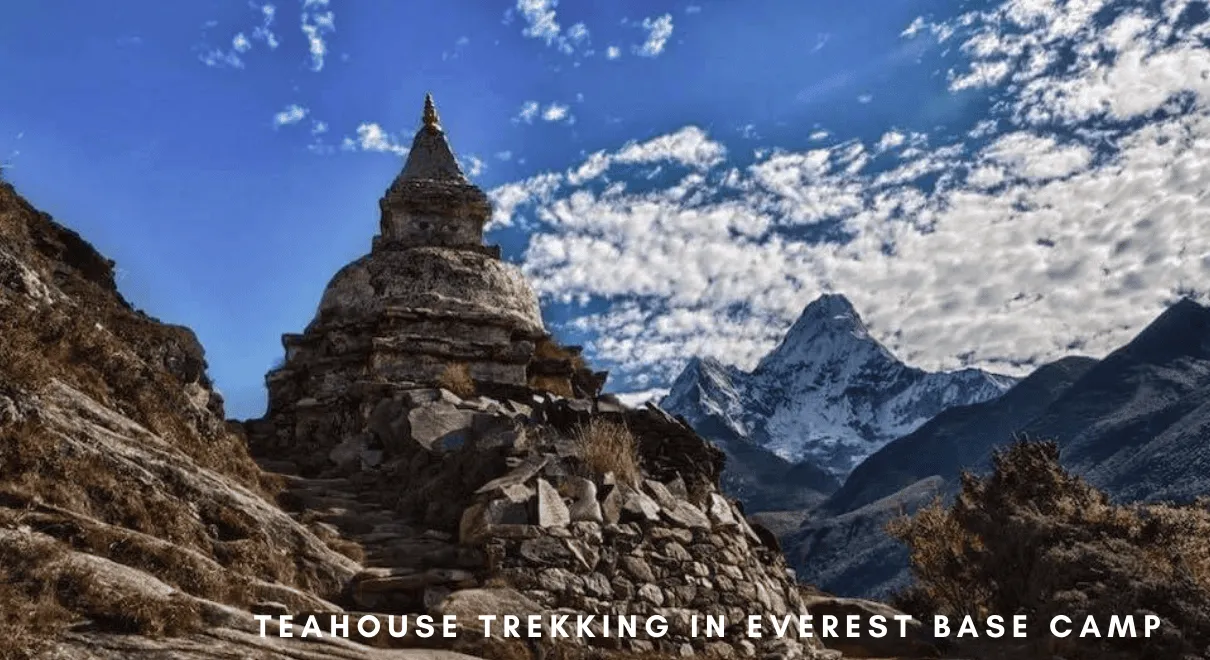
Teahouse Trekking in Everest Base Camp
The teahouse trekking system at Everest Base Camp has brought a new way for people to explore the highest mountain in the world. The Sherpa lodges along the traditional route provide trekkers with a comfortable experience, which includes warm beds, hot meals, and cultural activities. This guide provides essential information for first-time trekkers, solo adventurers, and senior travelers who want to reach Everest Base Camp without facing the challenges of expedition camping.
The Everest Base Camp trek is famous worldwide, and its teahouse network makes it accessible to thousands of trekkers each year. The guide provides complete information about teahouse trekking in the Everest region for you to make decisions regarding your comfort levels, food safety, your expenses, and your daily activities. The article will show you everything that you will encounter at each location, which includes the active lodges in Namche Bazaar and the simple yet inspiring sleeping areas in Gorak Shep.
What Is Teahouse Trekking in Everest Base Camp?
Teahouse trekking involves hikers who travel between villages while they sleep in family-operated teahouse accommodations. The teahouses offer simple sleeping areas to guests who receive food and access to a comfortable space to rest after their hike. The concept originated in the Everest region in the 1970s when tourism began growing, and local Sherpa families started opening their homes to visitors.
Difference Between Camping Trek and Teahouse Trek:
A camping trek requires carrying tents, sleeping bags, cooking equipment, and food supplies—either by you or a support crew of porters and cooks. The system provides camping location choices but requires additional expenses and more complex operational requirements.
Teahouse trekking, on the other hand, follows established routes with lodges at regular intervals. The system allows you to bring only your personal items while you stay in heated dining areas and use real beds for sleeping. The system provides affordable prices and social interaction opportunities while supporting local communities, which makes it more environmentally sustainable.
The history of teahouses in the Everest region dates back to Sir Edmund Hillary's time, when expedition teams used basic shelters as their only accommodation. The teahouse system has developed into an extensive network of lodges that provide exceptional facilities for guests who visit high-altitude areas.
How Are Teahouses on the Everest Base Camp Trek?
Teahouses on the Everest Base Camp trek display different characteristics based on their altitude and location, but they maintain shared features that make them distinctive.
Most teahouses operate as small family-run lodges, which Sherpa families manage after they spent generations working in hospitality. The owners create a warm and welcoming environment, which makes guests feel like family members. The dining room has a central bukhari wood or yak-dung stove, which becomes the main gathering space for trekkers from different countries to share their stories.
The size of teahouses ranges from cozy 5-room lodges in smaller villages to larger establishments in popular stops like Namche Bazaar, which may have 15-20 rooms. The buildings use stone and wood materials as their main construction material, whereas the site displays bright prayer flags throughout its area. Many teahouses display authentic Buddhist traditions through their installation of prayer wheels and nearby stupas and their display of Dalai Lama pictures and local lama pictures.
The unique aspect of teahouse trekking at Everest Base Camp stems from its authentic experience of Sherpa cultural traditions. Your hosts will show you their daily Buddhist activities while you experience traditional Sherpa food and discover how people live in the mountains.
Rooms in Everest Base Camp Teahouses
Understanding room conditions helps set realistic expectations for your trek:
Room Features:
- Twin-sharing rooms: Most rooms accommodate two people with two single beds
- Wooden beds: Simple wooden frames with thin foam mattresses (3-5 cm thick)
- Basic bedding: One pillow per person and 2-3 heavy blankets provided
- No room heating: Rooms are unheated; only the dining room has a stove
- Small windows: Usually one small window, sometimes with curtains
- Simple walls: Plywood or thin wooden partitions (not soundproof)
- Minimal furniture: Sometimes a small bench or shelf, rarely anything else
Important Notes:
Bringing your own sleeping bag rated for -10°C to -15°C is essential, especially for higher altitudes. The blankets supplied fail to provide adequate warmth for nighttime temperatures below freezing in locations such as Lobuche and Gorak Shep.
The trekkers bring sleeping bag liners to maintain cleanliness while they sleep and to stay warm throughout the night. Rooms that offer privacy are available at lower elevations in Lukla, Phakding, and Namche but become increasingly difficult to find at higher altitudes. Single travelers often share rooms with other solo trekkers to reduce costs.
Food Available in EBC Teahouses
Food is one of the highlights of teahouse trekking in Everest Base Camp. The menus provide many food choices, yet their variety decreases as customers ascend to higher elevations.
Common Menu Items:
- Dal Bhat: The Nepali staple of rice, lentil soup, vegetables, and pickle (unlimited refills included—the best value!)
- Noodle dishes: Chow mein, thukpa (noodle soup), ramen
- Fried rice: Vegetable, egg, or chicken fried rice
- Pasta: Basic spaghetti, macaroni with tomato or cheese sauce
- Pizza: Available in larger villages (basic but tasty)
- Momos: Nepali dumplings (steamed or fried)
- Soups: Garlic, vegetable, tomato, mushroom soup
- Breakfast: Porridge, muesli, pancakes, eggs, toast, Tibetan bread
Vegetarian & Vegan Options:
Restaurants provide vegetarian options because they need to meet customer demands. Customers can request vegan versions of most menu items by asking staff members to prepare their meals without any dairy products. The traditional Himalayan dish Dal Bhat serves as a vegetarian option that delivers essential nutrients needed for trekking activities.
Why Eating Local Food Is Better at Altitude:
High-altitude experts and dietitians recommend dal bhat because its digestive properties, complex carbohydrate content, and familiar components help people maintain energy. The usage of canned ingredients in Western dishes such as pizza and pasta makes these foods more difficult to digest in environments with low oxygen levels.
Toilets and Bathrooms in Teahouses
The truth is, the bathroom options vary greatly along the trail, and getting a clear idea is going to help the trekker prepare their mind.
Toilet Facilities:
- Shared toilets: Located outside the main building or in a separate block
- Western-style toilets: Increasingly common in lower regions and popular stops
- Squat toilets: Still prevalent, especially at higher altitudes
- Cleanliness: Generally maintained, though standards vary by lodge
- No toilet paper provided: Always carry your own supply
Shower Facilities:
- Hot shower availability: Most teahouses offer hot water heated by gas or solar
- Cost: Ranges from NPR 200 to 500 ($1.50-$4) depending on altitude
- Solar showers: Common in lower elevations; may not work on cloudy days
- Gas showers: More reliable but expensive, higher up
- Limited availability: At Gorak Shep and Lobuche, hot showers may not be available
Honest Advice:
Many experienced trekkers skip showers above Namche Bazaar to avoid getting sick from the cold. Wet wipes and hand sanitizer become your best friends. Google rewards this honest information because it helps trekkers prepare realistically.
Electricity, Charging & Wi-Fi
Yes, it is impossible to keep in touch in the first place during the incredibly demanding treks such as Everest Base Camp.
Electricity:
- Charging costs: NPR 200-500 per device per charge (increasing with altitude)
- Limited charging hours: Usually only during evening hours (6-9 PM)
- Power cuts: Frequent at high altitudes due to solar dependency
- Bring adapters: UK-style three-pin plugs are standard in Nepal
Wi-Fi Availability:
- Everest Link: A satellite-based network covering most of the trail
- Cost: NPR 500-800 per day for Wi-Fi access
- Speed: Slow and unreliable; good enough for messaging, not video calls
- Better in lower villages: Namche Bazaar has the best connectivity
Mobile Network:
- Ncell & NTC: Nepali networks with coverage up to Gorak Shep
- Data packages: Available in Kathmandu and Lukla
- Variable signal: Works well in major villages, weak between settlements
Pro Tip: You need to purchase a power bank with at least 20,000+ mAh capacity to eliminate your daily charging expenses. You should download all necessary maps and entertainment content before you begin your trek.
Cost of Teahouses on the Everest Base Camp Trek
In the Everest region, the cost structure of tea houses is based on an economic model.
Room Costs:
- Lower elevations (Lukla, Phakding, Namche): NPR 300-500 per person ($2-4)
- Middle elevations (Tengboche, Dingboche): NPR 500-800 per person
- Higher elevations (Lobuche, Gorak Shep): NPR 1,000-1,500 per person
Why Rooms Are Cheap:
Teahouse owners make minimal profit on rooms because their goal is to make you eat at their lodge. The actual revenue of the business comes from its food and beverage sales.
Food Costs:
- Dal Bhat: NPR 500-1,200 ($4-10)
- Fried rice/noodles: NPR 600-1,500
- Soup: NPR 300-800
- Tea/coffee: NPR 100-400
- Bottled water: NPR 100-500 (increases dramatically with altitude)
Why Everest Base Camp Trek Cost Increase with Altitude:
The region above Lukla requires all goods to be moved by porters or to be transported by helicopter services. The price of water bottles in Gorak Shep exceeds their cost in Lukla by 10 times because of the expenses involved in transporting them. Backyard kitchens and home heating systems face high costs for cooking and heating fuel in elevated mountain regions.
Important Rule:
You must eat dinner and breakfast where you sleep. The teahouse economy operates because this rule remains unrecorded. Booking a cheap room and eating elsewhere is considered disrespectful.
Types of Teahouses in the Everest Base Camp Trek
The Everest Base Camp trek contains three types of teahouses, which provide different facilities to different levels of guest comfort and multiple types of services. Understanding these categories helps you set expectations and make informed choices about where to stay.
Basic Teahouses
The entire Everest Base Camp trail offers its basic accommodation through basic teahouses, which serve as its most essential lodging option. The establishment offers basic accommodations that deliver essential shelter and food services to customers.
Available at ALL destinations: Lukla, Phakding, Namche Bazaar, Monjo, Tengboche, Pangboche, Dingboche, Pheriche, Lobuche, Gorak Shep, and all other villages along the route.
Features of Basic Teahouses:
- Rooms: Twin-sharing with basic wooden beds and thin foam mattresses (2-4 cm)
- Bedding: 2-3 wool blankets and a pillow (sleeping bag essential)
- Walls: Thin plywood partitions (not soundproof)
- Heating: None in rooms; only communal dining room has a bukhari stove
- Windows: Small, sometimes without proper glass or just plastic covering
- Furniture: Usually just beds, rarely any shelves or benches
- Toilets: Shared outdoor facilities, mix of squat and western-style
- Showers: Cold water only, or basic solar showers when weather permits
- Hot shower cost: NPR 300-500 (if available)
- Electricity: Limited hours (evening only), charging costs NPR 200-400
- Dining: Simple communal dining room with basic menu
- Wi-Fi: Rarely available, or very expensive and slow
- Price: NPR 300-800 per person per night
What to Expect:
Local families who operate basic teahouses face challenges because their resources are limited, especially at higher altitudes. The experience provides visitors with an authentic and rustic experience. The lodges offer shared dining space where trekkers eat together and watch the central stove while they sleep in freezing rooms and observe how the staff members maintain operations under extreme weather conditions. The Sherpa hospitality provides warm treatment to visitors who stay in facilities that offer only basic accommodations.
The service best suits budget trekkers who want to experience real trekking while they hike through Dingboche, which has only basic facilities available for trekkers.
Standard Teahouses
Available at: Lukla, Phakding, Namche Bazaar, Tengboche, Dingboche, Lobuche
Features of Standard Teahouses:
- Rooms: Twin-sharing with proper wooden beds and thicker mattresses (5-8 cm)
- Bedding: Clean sheets, pillowcases, and 3-4 good quality blankets
- Walls: Better insulation with double-layered plywood or stone walls
- Heating: Well-maintained bukhari in dining room; some rooms have insulation
- Windows: Proper glass windows with curtains and sometimes double-glazing
- Furniture: Small table, bench, or shelf for organizing belongings
- Toilets: Mix of shared and attached western-style toilets (at lower elevations)
- Showers: Reliable hot water (gas or solar), better-maintained facilities
- Hot shower cost: NPR 300-500 at lower elevations, NPR 500-800 higher up
- Electricity: More reliable power supply, dedicated charging stations
- Charging cost: NPR 300-500 per device
- Dining: Spacious dining room with comfortable seating, extensive menu
- Wi-Fi: Available in most standard lodges (NPR 500-800 per day)
- Additional amenities: Bakery items, western toilet paper provided, better hygiene
- Price: NPR 500-1,200 per person per night
What to Expect:
Standard teahouses create an ideal environment that combines comfort with authentic trekking experiences. The rooms show improved cleanliness and enhanced comfort through the implementation of proper bedding and operational windows. The dining rooms serve as well-kept social areas with multiple dining options, including soups and pasta, pizza, and freshly baked products. The staff members demonstrate English proficiency and have experience serving international trekkers.
Standard teahouses in Namche Bazaar provide their guests with attached bathrooms and hot shower facilities, which they can access whenever they want, and heated blankets, which they can rent. The investment these lodge owners have made in infrastructure shows in every aspect of the stay.
Best For: The group includes newcomers to trekking who need to travel in comfort, families who need to travel with their children, and hikers who will pay extra to access superior amenities.
Deluxe Teahouses
The Everest Base Camp trek provides its most luxurious accommodation option through deluxe teahouses, which serve as its highest accommodation tier. The premium lodges provide their guests with hotel-level comfort, which includes modern facilities that are uncommon in mountain areas.
Available at: Lukla, Phakding, Namche Bazaar, Taksindo (Taksindu), Pangboche, Khumjung
Features of Deluxe Teahouses:
- Rooms: Private rooms available, twin or double beds with quality mattresses (10-15 cm)
- Bedding: Hotel-quality sheets, duvets or thick comforters, multiple pillows
- Walls: Solid stone or well-insulated walls with proper soundproofing
- Heating: Some rooms have electric heaters or heated blankets (at lower elevations)
- Windows: Large windows with mountain views, proper curtains and sometimes blinds
- Furniture: Bedside tables, luggage racks, mirrors, proper lighting, sometimes chairs
- Toilets: Attached western-style bathrooms in most rooms, 24-hour running water
- Showers: 24-hour hot water availability (gas-heated), high-pressure showers
- Hot shower: Included in room price or nominal charge (NPR 200-300)
- Electricity: Reliable power supply, free charging in some lodges
- Charging cost: NPR 200-400 or sometimes complimentary
- Dining: Restaurant-style dining with a diverse international menu, bar facilities
- Wi-Fi: High-speed satellite internet included or at minimal cost (NPR 300-500)
Additional amenities:
- Attached bathrooms with hot water
- Reading lights and electrical outlets in rooms
- Laundry services
- Bakery and coffee shops
- Souvenir shops
- Well-stocked bars with imported beverages
- Indoor heated lounges
- Library and book exchange
- Conference/meeting facilities (Namche)
- Price: NPR 1,500-4,000 per person per night
Notable Deluxe Teahouse Brands:
- Yeti Mountain Home: Chain of luxury lodges in Lukla, Phakding, Namche, Pangboche, and other locations
- Everest Summit Lodges: Premium chain with properties in multiple villages
- Hotel Everest View (Namche): Famous for panoramic Everest views
- Tashi Delek Lodge & Spa (Namche): Offers spa services and heated rooms
What to Expect:
The Deluxe teahouses, which operate as high-end boutique hotels still maintain their original purpose as trekking accommodations. The establishments serve trekkers who wish to visit the Everest area while maintaining their comfortable living standards. The establishment delivers professional staff who serve international dishes that expert chefs prepare while maintaining high standards of service delivery.
Namche Bazaar presents several upscale accommodations that provide spa services and yoga classes, and cultural activities. The famous Hotel Everest View even has Japanese-style baths and a renowned restaurant with panoramic mountain views. The room interior design combines Sherpa traditional decorative elements with contemporary comfort features.
Special Destinations for Deluxe Teahouses:
Taksindo (Taksindu): The village provides an alternative path that receives less foot traffic than its main route and offers few upscale accommodation options to visitors who seek to experience the Taksindu Monastery and track that path.
Khumjung: The Sherpa village near Namche features luxurious hotels that provide guests with cultural experiences and views of Khumbila, which is a sacred mountain, and the Khumjung School, which was established by Sir Edmund Hillary.
Pangboche: At the head of the valley is the highest permanent village with some upgraded lodges that open wide views of the Ama Dablam mountain. It is very close to the Tengboche Monastery.
Best For: The group consists of luxury travelers, senior trekkers, honeymoon couples, time-restricted travelers who seek maximum comfort, and high-budget trekkers who desire premium trekking experiences.
How to Choose the Right Type
Budget Consideration:
- Basic: $15-30 per night, including meals
- Standard: $30-50 per night, including meals
- Deluxe: $60-100+ per night including meals
Altitude Limitation: The only basic options and limited standard options remain available above Dingboche, which sits at a height of 4410 meters. Extreme altitudes prevent deluxe teahouses from operating because of their logistical difficulties and extreme weather conditions.
Booking Strategy:
- Basic & Standard: Walk-in basis, no booking needed
- Deluxe: Can be pre-booked through trekking agencies, especially recommended for peak season
Mix and Match Approach: The trekkers use a method that requires them to sleep in standard and deluxe lodges at lower elevation points to achieve proper rest and acclimatization before they use basic facilities at higher altitude points, which have fewer available options. The method provides a solution that enables users to experience both comfortable and affordable yet practical solutions.
Teahouses by Trekking Route (Day-wise Experience)
It is essential to learn what to expect each day. Because the more it is done, the more will emergency situations be prevented.
Lukla & Phakding – Comfortable Start
The journey starts from this point because established teahouses provide comfortable seating areas. The rooms provide proper beds together with clean bathrooms and multiple dining choices. The space creates a lively social atmosphere.
Namche Bazaar – Best Lodges on the Trail
Namche serves as the main business center of the Khumbu region because it possesses the finest teahouse facilities. The premium lodges provide their guests access to accommodations that include private bathrooms and hot shower facilities, bakery services, Wi-Fi cafes, and heated rooms. The current moment provides you with your final opportunity to experience true comfort.
Tengboche – Spiritual Atmosphere
The lodges provide basic but clean accommodations to serve visitors who come to see the famous Tengboche Monastery. The views of Ama Dablam offer breathtaking beauty to those who visit. The number of available lodges decreases, which creates strong competition for reservations during the busiest season
Dingboche – Getting Basic
Teahouses display their development when they become more basic. The building has smaller rooms which contain thinner walls and more basic bathrooms. The dining areas maintain their inviting atmosphere through their warm ambiance. Your sleeping bag becomes essential for this location.
Lobuche – Very Basic Conditions
Lobuche provides little comfort because its elevation reaches 4940 meters. The building contains freezing rooms and basic facilities and provides only limited food choices. The dining room bukhari becomes your lifeline. The availability of hot showers remains infrequent, and their cost exceeds normal rates.
.Gorak Shep – Most Basic but Inspiring
The highest settlement on the trek (5,164m) has the most basic teahouses. The rooms become extremely cold because of paper-thin walls, and the building provides only essential amenities. The location close to Everest Base Camp makes everything about this place valuable.
Pheriche – Medical Center Hub
Pheriche which stands at 4371 meters contains the Himalayan Rescue Association clinic as its medical facility. The teahouses offer essential services because trekkers find comfort in their proximity to medical facilities which they can access during their journeys.
Teahouse Names by Location (Reference Table)
|
Location |
Popular Teahouse Options |
|---|---|
|
Lukla |
Hotel Everest Summit, Himalayan Lodge, Alpine Nest Hotel, Kala Patthar Lodge, Numbur Hotel |
|
Phakding |
Sherpa Guide Lodge, Karma Inn, Paradise Lodge, Sunrise Lodge, River View Lodge |
|
Namche Bazaar |
Hotel Namche, Khumbu Lodge, Panorama Lodge, Tashi Delek Lodge, Everest View Lodge, Yeti Mountain Home, Zambala House |
|
Tengboche |
Tashi Delek Lodge, Ama Dablam Lodge, Peaceful Lodge, Kamala Guest House, Tengboche Monastery Lodge |
|
Dingboche |
Hotel Good Luck, Yak Hotel, Snow Lion Lodge, Hotel Himalayan, Moonlight Lodge, Mountain Paradise Lodge |
|
Pheriche |
Himalayan Lodge, Peaceful Lodge, Everest Summit Lodge, Trekkers Lodge, Alpine Club |
|
Lobuche |
Oxygen Altitude Lodge, Alpine Rescue Lodge, Eco Lodge, New EBC Lodge, Sherpa Resort |
|
Gorak Shep |
Gorak Shep Lodge, Buddha Lodge, Himalayan Lodge, Snow Land Lodge, Peak Point Hotel |
Note: The booking system operates with seasonal availability, which does not permit customers to make reservations in advance. Early arrival before 2-3 PM enables customers to choose from a wider range of available rooms.
Is Teahouse Trekking Safe in Everest Base Camp?
The safety of the Everest Base Camp trek is paramount in the minds of many trekkers.
Lodge Safety:
Teahouses demonstrate structural safety because their design enables them to endure extreme mountain weather conditions. The majority of the buildings use stone and wood materials which they combine with strong base structures. Sherpa builders have built their expertise through many years of building designs that withstand both earthquakes and heavy snowfall.
Weather Protection:
Teahouses serve their function because they offer enough shelter during stormy weather and heavy snowfall. The primary danger exists at high altitudes because people need to acclimate their bodies to the conditions before they can rest anywhere.
Guides & Local Support:
The teahouse routes receive heavy foot traffic, which allows hikers to access assistance without difficulty. The lodge owners have training to identify altitude sickness symptoms, and they possess emergency evacuation capabilities. The majority of people can speak English as they establish contact with rescue teams.
Solo Trekkers:
The teahouse trekking route at Everest Base Camp provides perfect trekking conditions for people who travel alone. The dining rooms serve as social hubs, which allow you to connect with other trekkers who use the common pathways that become crowded during peak seasons, which occur from March to May and September to November. First-time travelers should hire a guide because he provides essential navigation skills, acclimatization knowledge, and emergency assistance.
Overall Assessment:
The safest method to reach Everest Base Camp is through Teahouse trekking. The combination of infrastructure development and community assistance, together with emergency response systems, creates safer conditions than camping treks, which require you to trek through remote areas.
Tips for Staying in Teahouses (Expert Advice)
Follow these proven strategies for a better teahouse experience:
Financial Preparation:
- Carry sufficient Nepali cash (NPR 60,000-80,000 recommended); ATMs only in Namche
- Small denominations help for exact payment
- Keep money dry in waterproof pouches
Power Management:
- Bring a 20,000+ mAh power bank to avoid daily charging fees
- Charge all devices in Namche where electricity is cheapest
- Download offline entertainment and maps before the trek
Sleep Comfort:
- Invest in a quality -15°C sleeping bag
- Bring a sleeping bag liner for hygiene
- Ear plugs help with thin walls and snoring neighbors
- Eye mask useful if your room faces sunrise
Teahouse Etiquette:
- Remove shoes before entering sleeping areas
- Order food early (kitchens get overwhelmed at dinner rush)
- Respect quiet hours (usually after 9 PM)
- Always eat where you sleep—it's the unwritten rule
- Tip staff if service was good (NPR 500-1,000 per trek is customary)
Health & Hygiene:
- Bring wet wipes for days you skip showers
- Hand sanitizer is essential
- Water purification tablets or filter
- Personal toilet paper supply
- Basic first-aid kit including altitude medication
Social Dynamics:
- Evening dining room time is for socializing—be open to conversations
- Respect cultural customs (ask before photographing people or religious sites)
- Learn basic Nepali phrases ("Namaste," "Dhanyabad")
Teahouse Trekking vs Camping Trek in Everest
Understanding the differences helps you choose the right option:
|
Feature |
Teahouse Trekking |
Camping Trek |
|---|---|---|
|
Cost |
$1,000-1,500 (all-inclusive) |
$2,500-4,000+ |
|
Comfort |
Beds, dining rooms, varied food |
Sleep in tents, basic camp meals |
|
Cultural Experience |
High - interact with locals daily |
Low - isolated from communities |
|
Flexibility |
Fixed route, established stops |
Can camp anywhere with permits |
|
Environmental Impact |
Lower - uses existing infrastructure |
Higher - requires carrying all supplies |
|
Porter Needs |
1 porter for 2 trekkers optional |
Multiple porters essential |
|
Social Interaction |
High - meet other trekkers |
Low - mainly your group |
|
Weight Carried |
Light daypack only |
None, but larger support team needed |
|
Acclimatization |
Structured village stops |
More flexibility in rest days |
|
Best For |
First-timers, solo trekkers, budget travelers |
Extreme adventurers, custom routes |
Verdict:Teahouse trekking provides better value and better comfort and better cultural experience for 95% of Everest Base Camp trekkers. Off-season treks and alternative routes without teahouse infrastructure require camping as their only option.
Why Choose Teahouse Trekking for Everest Base Camp?
The teahouse trek at Everest Base Camp provides both practical advantages and exceptional benefits to its visitors.
Cultural Immersion:
The program enables participants to experience Sherpa culture through three activities, which include residing with Sherpas, dining with lodge operators and observing their Buddhist rituals. Locals with relatives who reached the summit of Everest will share expedition stories while you discover mountain customs and experience true Himalayan hospitality.
Affordability:
Teahouse trekking makes it possible for all people to visit Everest, which was previously accessible only to wealthy expedition groups. What used to require expensive funding for expeditions now enables budget travelers to experience the same journey that young adventurers can now afford. The economic accessibility has created a diverse trekking community united by shared dreams.
Comfort Balance:
The ideal solution exists between extreme outdoor camping and high-end hotel experiences. You experience the mountains authentically while having a warm bed and hot meal waiting. The system enables you to travel without thinking about the basic needs of existence.
Sustainable Tourism:
Your money directly supports Sherpa communities. The mountain village economy depends on the income that lodge owners, porters, and guides receive from their work. Teahouse trekking provides businesses with financial benefits, which lead to environmental protection and cultural heritage maintenance.
Proven Success:
The existing teahouse trekking system has developed into a complete system that maintains both safe and dependable operations. The advanced infrastructure provides you with modern amenities while you continue to face both challenging situations and adventurous experiences.
The emotional journey of teahouse trekking in Everest Base Camp is about more than reaching 5,364 meters. The experience includes building bonds through evening dal bhat meals and receiving generosity from Sherpa families, watching Ama Dablam sunrise from teahouse windows, and discovering how comfort and adventure can exist together.
Frequently Asked Questions (FAQ)
Are teahouses open all year?
Most teahouses stay open throughout the entire year, but some teahouses close their operations during the period of deep winter which lasts from December to February because of decreased trekker activity. The primary trekking periods occur between March and May and between September and November when all lodges provide their complete services. The monsoon season which extends from June to August results in decreased operational capacity for teahouses, yet they continue to provide their services.
Can I book teahouses in advance?
Most teahouses require neither advance bookings nor their complete removal. The traditional system operates on first-come first-served principles. The best time to reach villages during peak season is between 2 PM and 3 PM because it guarantees room availability. Advance reservations are available only at high-end lodges in Namche Bazaar which accept bookings through trekking agencies.
Are private rooms available?
The facility offers single-occupancy private rooms which guests can reserve at lower elevation areas for an extra fee that typically costs 1.5 times the standard rate. The area above Dingboche has limited availability of private rooms because lodges cannot accommodate the high demand. Dual-room accommodations are used by solo trekkers who want to stay with another solo trekker who shares their gender.
Is vegetarian food safe?
Vegetarian food is safe to eat yet recommended as the best option for trekkers who go to high-altitude locations. Dal bhat and vegetable momos and noodle soups and potato dishes become easier to digest at high altitudes because they are prepared fresh. The transportation of meat from lower elevations leads to unavailability of fresh products. Most experienced trekkers and guides prefer vegetarian meals above Namche Bazaar.
What happens if I get sick at a teahouse?
Lodge owners are trained to recognize altitude sickness symptoms, which enables them to direct you toward suitable medical treatment. Pheriche has a medical clinic, and helicopter evacuations can be arranged from most locations. Travel insurance that includes helicopter rescue coverage up to $100000 is essential. Teahouse networks use radio and phone systems to manage emergency situations.
Can I charge all my devices?
Yes, but at a cost that increases with altitude (NPR 200-500 per device). The charging process occurs only during the stretch of evening when generators operate. A large power bank allows trekkers to depend less on teahouse power while they achieve cost reductions throughout their journey.
Conclusion
The Everest Base Camp Teahouse trekking route stands as one of the most accessible high-altitude trekking routes in the world. The Sherpa-operated lodge system allows trekkers from all backgrounds to experience a high-altitude journey which combines cultural exploration with comfortable and budget-friendly travel.
The teahouses of Namche Bazaar and Gorak Shep both present their unique stories which showcase the strength of mountain people who form vital connections with others. The experience maintains its valuable nature because different altitude levels create distinct environmental conditions. The experience includes sleeping on basic wooden beds and dining with travelers from various countries while observing the sunrise over the Himalayas and remembering Sherpa hospitality which remains with you beyond the journey.
Teahouse trekking at Everest Base Camp becomes enjoyable through three main requirements which include maintaining realistic expectations and showing respect for local culture and making proper preparations. The first step requires you to bring your sleeping bag while you need to bring cash and you should practice eating dal bhat and treat every lodge as your personal residence instead of viewing it as a hotel. Humility is required to climb mountains and teahouses teach this lesson through their authentic basic design.
Teahouse trekking at Everest Base Camp offers an experience which combines difficult challenges with supporting assistance while providing warm, adventurous experiences and enabling individual accomplishment together with group recognition.
The Everest Base Camp trail awaits you to cherish your heart in every teahouse.

.png "NTB")
.png "Pata")