What is a Typical Daily Schedule at Everest Base Camp?
What is a Typical Daily Schedule at Everest Base Camp? : A Complete Guide to Life on the Trail — From Sunrise to Early Bedtime
What activities fill a common day at Everest Base Camp? People who want to stand on the highest mountain in the world face a common dream. The trek to Everest Base Camp (EBC) reaches an elevation of 5,364 meters (17,598 feet), making it one of the world's most famous high-altitude climbing routes. Trekkers from around the world visit this legendary destination because it connects them to ancient Sherpa villages, stunning glacial valleys, and majestic Himalayan peaks.
The Everest Base Camp trek offers visitors a comprehensive overview of their daily activities. People follow a daily schedule that includes walking at a comfortable pace, eating nourishing food, resting to support their body's adaptations, and enjoying the most breathtaking mountain views on Earth. The typical daily schedule at Everest Base Camp provides both experienced mountaineers and new trekkers with essential knowledge to help them prepare for their upcoming expeditions.
1. Early Morning in the Himalayas (6:00 AM – 7:00 AM)
The Himalayan morning begins early with its beautiful start. Your guide or teahouse host will wake you around 6:00 AM with a gentle knock and the comforting sound of a hot drink being prepared. You experience the cold mountain air entering the room while you put on your base layers, gloves, and a down jacket. At high altitude, temperatures can drop well below freezing overnight, so the chill at sunrise is very real.
Most trekkers go outside after they finish dressing to observe one of the most beautiful natural displays, which shows how the sunrise transforms the snow-covered mountains of the Everest area into various shades of pink, gold, and amber. The early morning light causes mountains such as Ama Dablam, Lhotse, and Mount Everest to shine. This is a moment you will remember for the rest of your life.
The warm teahouse will serve you a hot cup of masala tea, butter tea, or instant coffee, which functions as the ideal beverage to begin your important hiking day. The atmosphere is calm and focused; other trekkers are quietly layering up and checking their day packs, and the rhythm of mountain life feels ancient and unhurried.
2. Breakfast Time (7:00 AM – 8:00 AM) 2. Breakfast Time (7:00 AM – 8:00 AM).
You need to eat breakfast before you start your trek on the trail. The EBC route teahouses present an unexpected selection of food, which can sustain your trekking activities throughout the day. The restaurant provides you with a cozy space to share meals with your fellow travelers while you prepare for your early morning excursion.
The typical breakfast foods served at EBC include:
- Tibetan bread with honey, jam, or peanut butter
- Porridge (oatmeal) with dried fruit and nuts
- Scrambled eggs and boiled eggs
- Pancakes with syrup or fruit
- Muesli or granola with warm milk
- Freshly baked bread with butter
- Hot tea, coffee, or hot chocolate
You must eat breakfast because it is essential. Your body requires additional calories at high altitude because it burns more energy compared to sea level, and you need to eat proper food for successful acclimatization. You should take time to eat your food while drinking enough water and avoiding any need to hurry. The path to the destination remains unchanged.
3. Morning Trekking Session (8:00 AM – 12:00 PM)
The group meets outside the teahouse at 8:00 AM after they complete their equipment checks and their hiking poles are ready for use. The base camp schedule dedicates its most essential time block to the morning trekking session, which lasts between three and four hours. The golden rule requires you to control your walking speed while you maintain steady breathing, and you should always stay with your group.
The path leads through a constantly changing environment that starts with dense rhododendron forests in lower areas and transitions to empty rocky moraine at higher altitudes. You will pass through famous Sherpa villages and cultural landmarks, each showcasing its unique character and historical background.
The route features famous stops and important landmark sites that people can explore.
- Namche Bazaar functions as the entrance point to the Everest region, while it operates as a bustling Sherpa market town that exists at an altitude of 3,440 meters
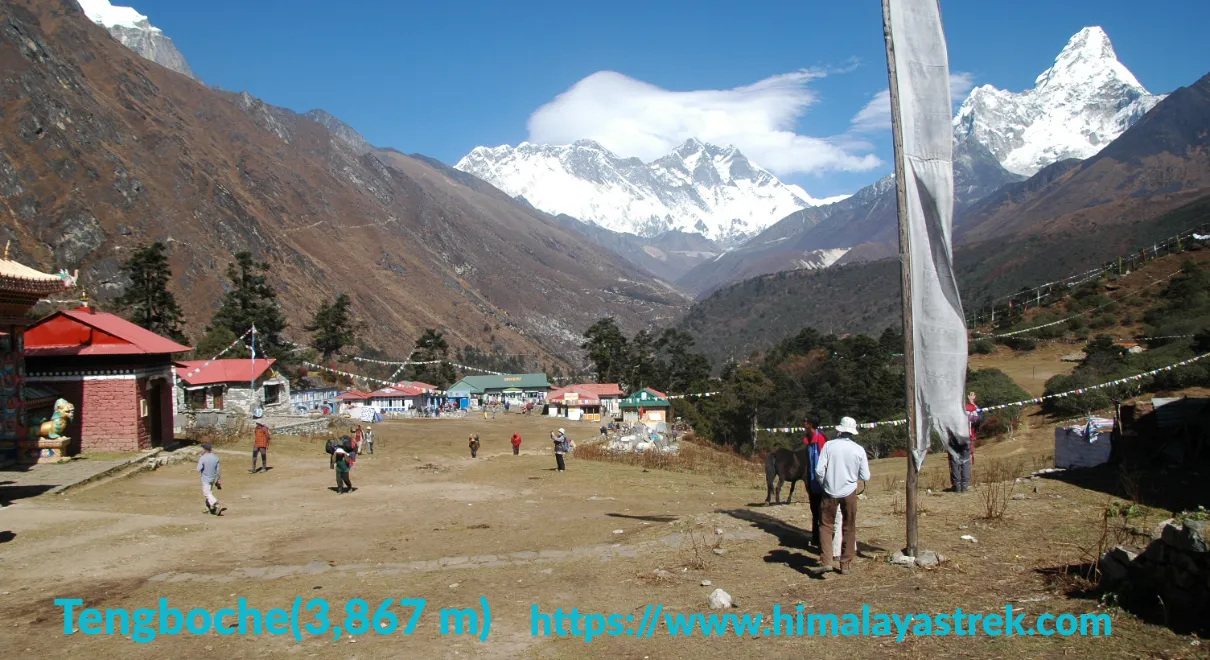
- Tengboche Monastery stands as a holy Buddhist monastery that offers visitors unmatched views of Ama Dablam and Everest
- Dingboche serves as a high-altitude acclimatization village, which exists at 4,410 meters and is surrounded by potato fields that have stone walls
- Lobuche functions as an isolated village, which sits at an altitude of 4,940 meters and serves as the final major point of rest before reaching Gorak Shep
- Gorak Shep serves as the last teahouse village, which exists at 5,164 meters, before visitors reach Everest Base Camp
The path provides visitors with panoramic views, which include glaciers and suspension bridges that display prayer flags and herds of yak and remote white mountain peaks. Your guide will point out peaks like Lhotse (the fourth-highest mountain in the world) and the iconic pyramid of Ama Dablam. The essential EBC experience exists in these particular moments.
4. Lunch Break on the Trail (12:00 PM – 1:00 PM)
The midday break after three to four hours of trekking provides a much-needed rest. Your guide will direct you to a teahouse in a village or trail-side settlement where you will leave your backpack before entering the warm area near the stove to order lunch. The rest period requires 45 to 60 minutes time which enables you to eat and let your legs recover before the afternoon session.
The EBC trail offers visitors these popular lunch options.
- Dal Bhat offers a complete meal that includes lentil soup served with rice and vegetables and pickle that patrons can refill without charge.
- Noodle soup or thukpa (Tibetan noodle broth)
- Fried rice with vegetables or egg
- Tibetan bread with soup
- Pasta with tomato or garlic sauce
- Sherpa stew creates a thick vegetable and noodle broth
Lunch involves both eating food and participating in a social custom. You will share your experiences with other trekkers while you all compare ways to treat blisters and make jokes about the effects of altitude. The shared experiences that people have at basic mountain teahouses create the most valuable memories of their whole journey.
5. Afternoon Trek (1:00 PM – 3:30 PM)
The afternoon trekking session is shorter and gentler than the morning push. After lunch, the body tends to feel heavier, the altitude more present. Your guide will deliberately keep the afternoon walk brief, through the period of one and a half to two and a half hours, because he wants to help your body acclimatize. The typical daily schedule at Everest Base Camp requires the climbers to manage their physical activities through systematic effort control.
The afternoon light transforms the mountains, casting long shadows across the valleys and turning the glaciers a deep shade of blue and green. The feeling of accomplishment starts to build as you get closer to your overnight stop. The air becomes thinner and crisper for you as you walk further into the Himalayas.
6. Arrival at the Teahouse (3:30 PM – 4:30 PM)
The EBC trek includes one of its top enjoyable experiences when you reach the teahouse at night. You drop your pack, check into your room (which offers twin beds and wooden furniture, and thick blankets), and allow yourself to exhale. Your precious afternoon time begins now because you have free time between your current work and the next scheduled appointment.
How trekkers typically spend the afternoon hours:
- They sip hot lemon tea or ginger tea in the communal dining area
- They write in journals or read
- The guide and trekkers review maps to explain their planned route for the upcoming day
- They take a short, gentle acclimatization walk above camp level (walk high, sleep low)
- They admire the mountain views from the teahouse terrace
- The teahouse solar power system provides charging facilities for device batteries
- They practice yoga or gentle stretching
You will not trek in the morning on designated acclimatization days that mostly occur at Namche Bazaar and Dingboche. Your guide will take you on a short hike to the higher elevation point before you return to sleep at the same teahouse. The 'walk high, sleep low' strategy represents one of the best methods to reduce Acute Mountain Sickness (AMS), which serves as a fundamental part of the EBC itinerary.
7. Evening Time (5:30 PM – 7:00 PM)
The people in the building move to the dining room because the temperature decreases when the sun sets behind the mountains, and the central stove, which usually operates on yak dung, wood, and kerosene, fuels the space. The warm atmosphere creates a Himalayan experience, which makes the space feel joyful and peaceful.
Mountain communities use this time for their social activities. Guides and trekkers alike gather around wooden tables, sharing stories and tips, playing cards, or simply staring out of the frost-edged windows at the stars beginning to appear. The Khumbu Glacier and Pumori Mountain create a breathtaking evening view from Gorak Shep, which lies near base camp. Your guide will give you tomorrow's operational schedule while he responds to your questions and assesses people's responses to altitude conditions.
8. Dinner at the Teahouse (6:30 PM – 7:30 PM)
The main meal of the day reaches its largest portion at dinner time, while teahouses create remarkable dishes because they operate their kitchens above 4000-meter altitude. The EBC meal staple is Dal Bhat — a classic Nepali dish of lentil soup, steamed rice, seasonal vegetables, and spiced pickle. The food provides heat together with high energy content, which brings complete contentment after a hiking day. Most teahouses provide free unlimited Dal Bhat refills, which make it the best trekking food.
Other popular dinner options:
- Fried rice or fried noodles with vegetables or egg
- Pasta with sauce (a surprising high-altitude comfort food)
- Vegetable curry with chapati or rice
- Garlic soup — strongly recommended for acclimatization, as garlic is believed to help thin the blood at altitude
- Momo dumplings — a Tibetan-Nepali favourite
- Hot chocolate or ginger lemon honey tea to close the meal
The high altitude of eating presents difficulties because people lose their desire to eat at this elevation. You must maintain proper eating habits even when you do not feel hungry. Your body needs the calories, and maintaining your energy levels is one of the most important self-care practices of the Everest Base Camp trek.
9. Early Sleep (8:00 PM – 9:00 PM)
The period between 8:00 PM and 9:00 PM marks the time when teahouses start to enter their silent phase. People experience extreme exhaustion at high altitudes because their bodies need to work harder to handle decreased oxygen levels, which they receive through each breath. Even night owls who stay up late at home will find themselves feeling sleepy after the sun sets.
People who sleep in the Himalayas face multiple challenges that make their rest difficult. The cold weather combined with altitude causes trekkers to experience periodic breathing disruptions, which represent a typical physiological response to high altitudes. A high-quality sleeping bag liner is essential for sleep. The village of Gorak Shep serves as the last village before Everest Base Camp, which lies at 5,164 metres and demands physical effort from visitors who need to sleep early for their upcoming base camp trek at base camp.
10. The Special Day You Reach Everest Base Camp
The daily schedule at Everest Base Camp begins to transform after its established pattern of wake, walk, eat, rest, sleep has already existed for several days. You begin your day at Gorak Shep after having a substantial breakfast, which you then take to Everest Base Camp. The path goes through the Khumbu Glacier's icy landscape by way of stone memorials and waving prayer flags until it reaches the base camp marker.
The experience of arriving at Everest Base Camp creates an overwhelming surge of feelings. Trekkers embrace their guides, take pictures under the iconic sign, and stand in quiet respect while looking at the Khumbu Icefall, which all Everest climbers must use to reach the summit, as they achieve their goal. The atmosphere at 5,364 metres remains highly charged for both day visitors and mountaineering expedition members.
Most trekkers go back to Gorak Shep after they finish exploring the glacier area because they want to have lunch and rest before they make their choice to either stay or trek up to Kala Patthar, which is a 5,545-metre ridge that provides visitors with the best view of Mount Everest. The final part of his life serves as a remarkable conclusion to an extraordinary life journey.
Common Challenges and How to Overcome Them
People need to understand the daily schedule that exists at Everest Base Camp because they must learn about its challenges. This section describes the main difficulties that trekkers experience, together with effective methods for solving those issues.
Acute Mountain Sickness (AMS):The EBC trek presents its most dangerous risk because of Acute Mountain Sickness (AMS), which affects hikers. The condition produces four symptoms, which include headache, nausea, dizziness, and fatigue. The recommended method for dealing with serious symptoms requires users to descend while they need to ascend through their symptoms and maintain hydration. Hikers should not proceed to higher altitudes when they experience AMS symptoms.
Dehydration: Dehydration occurs because people at high altitudes experience reduced thirst while their bodies produce greater water loss. People should aim to consume 3–4 litres of water daily. The user needs both purification tablets and a filter bottle to complete their requirements.
Sleep disruption: People start to experience sleep problems when they reach altitudes above 3,500 metres. Hikers should bring a sleeping bag liner while they need to avoid alcohol and sedatives, and should consult their doctor about acclimatization medication before their trip.
Fatigue from carrying a heavy pack:Hikers experience exhaustion because they need to carry heavy backpacks. Hikers should maintain their day pack weight below 7 kg. Hikers should use porter services to transport their main bag because this practice serves as a standard procedure, while it provides essential income for the local community.
Beginner mistake to avoid: Hikers need t o avoid this beginner error. Beginning hikers make their most common mistake because they attempt to walk at higher speeds. Hikers who ascend to higher altitudes should avoid fast walking because it creates difficulties for them. Hikers need to walk at a speed that allows them to speak with others because this method helps them control their body energy according to their guide's instructions about pacing. Your likelihood of developing AMS reduces when you adhere to this rule.
Expert Advice for a Safer and Smarter EBC Trek
The following requirements must be completed before your departure:
- The program requires three months of training, which includes daily cardio workouts and stair-climbing practice.
- The travel medicine clinic provides altitude medication recommendations together with vaccination services.
- The agency needs to hire professional guides who possess both experience and valid licenses.
- The traveler needs to acquire complete travel insurance that extends coverage to all high-altitude trekking activities and helicopter evacuation operations.
- The climbers need to bring multiple layers because temperatures will range from 20°C in lower valleys to -20°C at night near base camp.
On the trail:
- The body requires 3 to 4 liters of water each day, which should be consumed together with electrolyte tablets to achieve effective hydration.
- The natural acclimatization process requires people to consume garlic soup every night as their primary food.
- Sherpas use the word 'Bistari bistari' to describe their traditional walking method, which requires them to maintain a slow, continuous walking pace.
- The acclimatization rest days should be treated as essential requirements because they protect trekkers from dangerous situations.
- Trekking poles help decrease knee strain during descents because they provide a 25% reduction of knee pressure.
- The climbers need to keep their headlamps ready for use during bathroom breaks, which occur before dawn in the freezing teahouse.
When is the Best Time for the Everest Base Camp Trek?
The typical daily schedule at Everest Base Camp is shaped in part by the season in which you trek. There are two main trekking windows each year:
Spring (March to May): The most popular season. Rhododendron forests bloom in brilliant colour, the weather is warm and relatively stable, and the trail is alive with activity. The day offers perfect conditions for walking because visibility remains high throughout the day. May is Everest summit season, so base camp itself buzzes with expedition energy.
Autumn (September to November): The second peak season, following the monsoon rains. The air appears clear because multiple months of rainfall have washed away all impurities, which creates the most accurate mountain views of the year. The weather consists of cool temperatures, which have not yet reached their most extreme limits. October and early November are considered by many experienced guides to be the single best time to trek to EBC.
Frequently Asked Questions
Q1: How many hours do you trek per day on the Everest Base Camp trek?
Trekkers at Everest Base Camp follow a standard daily schedule that requires them to walk between five and seven hours during their trek. The schedule includes a morning session, which lasts three to four hours, and an afternoon session, which lasts one and a half to two and a half hours. The actual number of hours trekkers spend walking varies because different trek stages and terrain conditions, as well as acclimatization days, all affect their walking time. The Namche Bazaar and Dingboche acclimatization days use shorter hiking trips instead of complete trekking routes. The pace is always slow and deliberate — altitude demands it. Your guide will set the tempo, and it is important to resist the temptation to rush, particularly in the first week. The golden rule at altitude is: go slow, arrive safe.
Q2: What time do trekkers wake up on the EBC trail?
The majority of hikers on the Everest Base Camp trail start their day between 6:00 AM and 6:30 AM. The early start time provides multiple benefits because it enables trekkers to see mountains clearly during the morning hours. The main walking session needs to be finished before the afternoon winds start, which bring intense gusts at high altitude, and the trekkers must reach the next teahouse while enough daylight exists for them to relax and adapt before nightfall. Some groups who want to reach base camp during the best morning light start their journey from Gorak Shep to Everest Base Camp at 5:30 AM.
Q3: Do trekkers walk every single day during the Everest Base Camp trek?
Every responsible EBC itinerary includes necessary rest days, which climbers need for proper acclimatization to safeguard their well-being. The standard 14-day EBC trek schedule includes two specific acclimatization days, which occur at Namche Bazaar (3,440 m) and Dingboche (4,410 m), respectively. The main trail remains closed to trekkers who choose to stay at lower altitudes for the day. The hikers follow a guided route to a high point before returning to their original elevation, which they will use for sleeping. The rest days enable your body to build new red blood cells while adjusting to lower oxygen levels and decreasing the chances of developing severe altitude sickness. The most dangerous mistake that trekkers make involves skipping these essential days to reach base camp more quickly.
Q4: Is the Everest Base Camp trek difficult?
The Everest Base Camp trek presents a demanding challenge that most fit people can accomplish through proper training. The expedition does not require technical mountaineering skills because you can complete it without using ropes, crampons, or other specialized equipment. The main challenges of the project include altitude, which people cannot prepare to face, and continuous exhaustion that results from two days of walking and extreme cold weather conditions. The daily distances are manageable, typically 10 to 16 kilometres, but the high altitude makes even moderate exertion feel significantly harder. Trekkers who train consistently for three to six months beforehand, follow the typical daily schedule at Everest Base Camp faithfully, and listen to their guide's advice almost invariably complete the trek successfully.
Q5: What food is available during the Everest Base Camp trek?
The food available along the EBC trail is more varied and satisfying than many first-time trekkers expect. Teahouse menus typically include Nepali dishes (Dal Bhat, vegetable curry, momos), Tibetan-inspired foods (Tibetan bread, thukpa noodle soup, butter tea), and surprisingly familiar Western-style options (pasta, fried rice, pancakes, scrambled eggs, soups). The trail's most popular meal Dal Bhat provides trekkers with a complete nutritional meal which Sherpa guides and experienced trekkers prefer to eat. Above Namche Bazaar, menus shrink slightly and prices rise (due to the cost of transporting goods by yak or porter), but you will always find something warm, filling, and nourishing to keep you moving. The trek provides dedicated vegetarians and people with dietary restrictions complete access to food options.
Conclusion: Live the Rhythm of the Himalayas
The typical daily schedule at Everest Base Camp demonstrates that the base camp experience requires people to develop their rhythm. The base camp experience requires people to follow their natural body rhythms by starting their day with early waking, taking their time to walk, consuming nutritious meals, and undergoing deep sleep before starting their next cycle. The ancient circular path that you take will lead you to higher elevations within one of Earth's most breathtaking natural areas until you reach your destination of standing at Mount Everest's base.
The journey to Everest Base Camp changes people. The experience removes all daily distractions that people encounter and introduces them to essential elements through two sensory elements. The experience requires high physical effort. It involves complicated planning processes. It provides permanent life benefits.
Our organization assists people who want to experience Himalayan trekking. Our organization helps people to create their Himalayan trekking experience in a way that ensures both safety and lasting enjoyment. Our organization provides trekking services through our team, which consists of certified Sherpa guides, qualified trek leaders, and dedicated support personnel. Our organization provides complete knowledge about all teahouses and shortcuts, and viewpoint locations along the trail.
Contact us today to start planning your Everest Base Camp adventure. Your next great chapter begins at the top of the world, which we will explore together.

.png "NTB")
.png "Pata")