Can You Stay Overnight at Everest Base Camp?
Can You Stay Overnight at Everest Base Camp? Everything Trekkers Need to Know
The people who want to experience standing at Mount Everest base while observing the highest mountain in the world share this dream with you. Every year, thousands of adventurous travelers make the journey to Everest Base Camp, where they trek through the Khumbu region of Nepal, which features breathtaking landscapes. The trek raises one question, which people ask before they start, during their trek, and after they complete their trek. Can you stay overnight at Everest Base Camp?
The question represents an important thing to consider. The destination holds significant value for many trekkers who have dedicated weeks to physical training and spent large amounts of money and invested emotional effort into this life-changing trek. The answer to the question about overnight stays at Everest Base Camp shows that visitors cannot stay in hotels or teahouses, but they can experience overnight camping through special arrangements, which can be made with the right setup.
The complete information about your Everest Base Camp trek needs to be analyzed so you can prepare your journey without any doubts.
Can You Stay Overnight at Everest Base Camp?
The essential issue of this matter needs a detailed explanation to reach a solution.
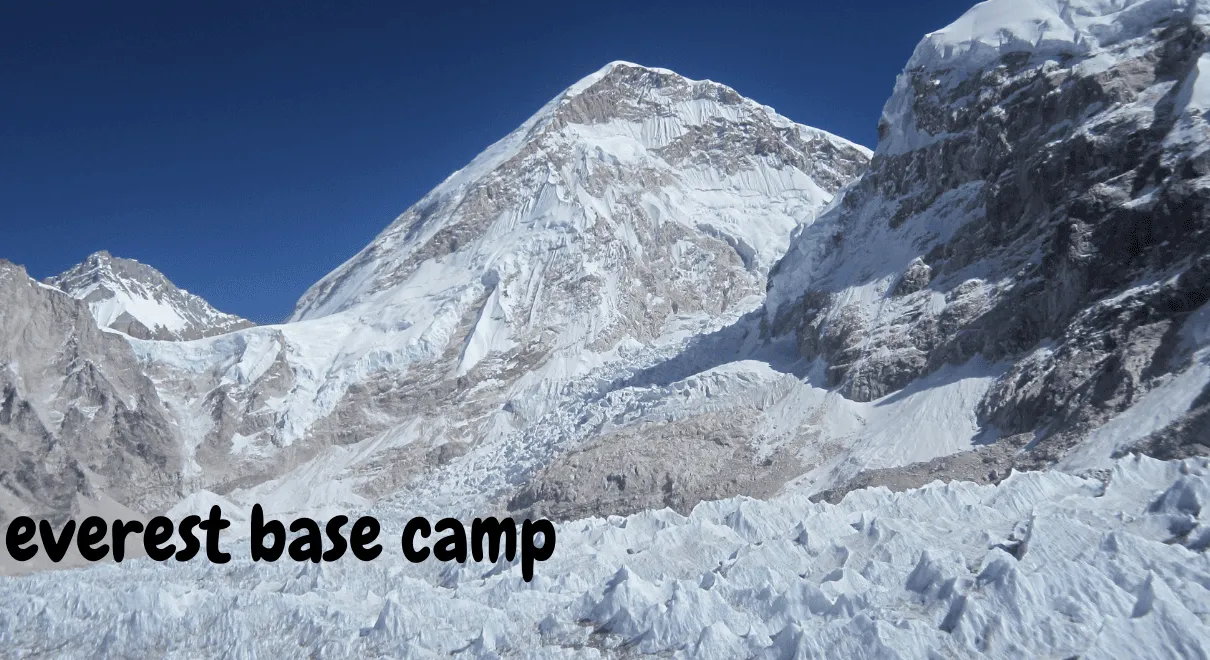
Most trekkers do not spend the night at Everest Base Camp. The base camp lacks any permanent lodging facilities, including guesthouses and tea houses. Permanent structures cannot be built on the Khumbu Glacier area because the ice river moves at a slow pace, which makes building operations unworkable. The base camp area remains dedicated to mountaineering expeditions, which establish extensive temporary tent cities during the spring and autumn climbing seasons.
Everest Base Camp offers special camping options that allow visitors to spend the night at the site. The trekking agency offers comprehensive services, which include a sleeping tent and toilet tent, and packed meals and hot beverages to help you experience a memorable night on the glacier under a star-filled sky.
Why Trekkers Usually Do Not Sleep at Everest Base Camp
The reasons behind this situation must be understood because they enable you to reach a better-informed decision. Everest Base Camp presents multiple real dangers, which make it impossible for most trekkers to spend the night safely at the location.
No Permanent Accommodation Facilities
The villages along the trail, which include Lukla, Namche Bazaar, Tengboche, Dingboche, Lobuche, and Gorak Shep, all feature permanent structures. The area lacks any teahouses, lodges, and restaurants. Expedition teams operate during the climbing season by using their own supplies to create temporary tent camps, which they dismantle after their departure. Trekkers cannot expect any commercial services at the base camp.
Harsh Weather and Freezing Temperatures
Everest Base Camp experiences extreme weather conditions, which begin at an altitude of 5300 meters. The most favorable trekking months experience nighttime temperature drops which reach -15°C (5°F) and beyond. After sunset, wind speeds increase substantially, which creates dangerous conditions at base camp because wind chill and high altitude combine to create hazardous situations for unprepared visitors. Visitors who lack appropriate camping gear and cold-weather gear should not attempt to sleep here.
Glacial Terrain and Safety Concerns
The base camp sits directly on the Khumbu Glacier, which is a dynamic, ever-shifting mass of ice. The surface contains multiple crevasses, which create an irregular path that experiences continuous alteration. Glacier terrain requires experienced personnel who possess proper equipment to set up their tents safely. This is not the kind of place you casually roll out a sleeping bag.
Limited Facilities and Services
Everest Base Camp does not provide trekkers with proper sanitation facilities or running water or electricity or medical support. Base camp sleepers require complete self-sufficiency for their stay.
Where Do Most Trekkers Stay Instead?
The closest inhabited area to Everest Base Camp stands at Gorak Shep, which serves as an essential rest area that exists at an elevation of 5,164 meters (16,942 feet) and lies only a few hours away from the base camp. The teahouses of Gorak Shep provide basic lodging options through their shared and private room accommodations, which include simple meals that feature dal bhat and noodle soup, porridge, and hot drinks.
The usual method for trekkers requires them to follow these specific steps:
- Arrive in Gorak Shep and check into a teahouse.
- The group will trek to Everest Base Camp after they wake up the next day and spend three hours at the base camp before heading back to Gorak Shep.
- The group will rise early the next day to conduct the famous hike up Kala Patthar** (5,545m), which provides the best view of Mount Everest that non-climbers can see.
Through this system, trekkers receive complete access to Everest Base Camp while they enjoy both safety and comfort from their overhead shelter.
The Special Option: Overnight Camping at Everest Base Camp
The adventurers who wish to extend their expedition by sleeping at Everest Base Camp can achieve this goal through proper planning and selection of a trustworthy trekking company.
The Himalayan Smile Treks can provide these services, which include:
- A high-quality sleeping tent with adequate insulation and sleeping bags rated for extreme cold
- A toilet tent for basic hygiene and comfort
- Packed food, hot tea, coffee, and soup to keep you fueled and warm
- Experienced guides and support staff who know the glacier terrain
You will experience complete isolation when you rest inside your tent while the Himalayas enter their night period, because only glacier sounds will reach your ears. The sky displays perfect visibility at this height because the Milky Way extends across the sky like a luminous river. The Mount Everest summit stands as a dark shape that extends toward the sky at a distance of only a few kilometers from my location. Only a small number of people on Earth can experience this particular thing, which becomes accessible to those who prepare for it.
You must inform your trekking agency about your intention to stay at Everest Base Camp when you want to spend the night there.
Common mistakes beginners make and what to watch out for
First-time trekkers to Everest Base Camp have various fears and misconceptions that prevent them from completing the trek and result in unsafe trail decisions. Here are a few of the most common ones and how to avoid them.
Rushing the acclimatization process: The number-one health risk on this trek comes from altitude sickness. Beginners want to move faster through the trek because they feel excited or because they fail to understand how altitude impacts their physical capacity. According to the golden rule, climbers should ascend to high altitudes but spend the night at lower elevations. Take rest days in Namche Bazaar and Dingboche. You need to complete all your acclimatization hikes.
Packing too much or too little: Overpacking creates extra weight for steep trails, whereas underpacking results in insufficient equipment to handle cold nighttime conditions. A good trekking guide or agency can provide a recommended packing list tailored to the season.
Going without a guide: The Everest Base Camp trail has clear route markings, but it requires a local guide to navigate through its high altitude and glacier terrain and unpredictable weather conditions. The mountain environment of Sherpa guides contains essential knowledge that experienced guides possess.
Underestimating the cold: Trekkers do not expect the extreme cold that occurs during nighttime hours. Gorak Shep experiences temperatures that drop below zero during spring and autumn. You should wear multiple thermal layers together with fleece material and a down jacket.
Forgetting travel insurance: Helicopter evacuation costs from high-altitude areas exceed 5000 USD. For emergency evacuation situations, travelers require quality travel insurance that provides coverage during emergencies.
Typical Everest Base Camp Trek Itinerary
For reference, here is a broadly standard 12–14-day Everest Base Camp trek. itinerary:
|
Days |
Program |
Overnight |
Height |
Walking distance. |
Walk hours. |
|
1 |
Arrival |
Kathmandu |
1380m |
|
|
|
2 |
Fly Lukla. Trek to Phakding |
Phakding |
2652m |
6 km |
3 to 4 hrs |
|
3 |
Phakding to Namche Bazaar |
Namche |
3440m |
12 km |
7 hrs |
|
4 |
Day hiking to the Syangboche Everest View Hotel (3870 m). |
Namche Bazaar |
3440m |
5 km |
6 hrs |
|
5 |
Namche to Tyangboche |
Tyangnboche |
3867m |
9 km |
5 hrs |
|
6 |
Tyangboche to Dingboche |
Dingboche |
4360m |
11 km |
7 hrs |
|
7 |
Rest in Dingboche or day hiking to the Chukum Village (4730 m). |
Dingboche |
4360m |
12 km |
8 hrs |
|
8 |
Dingboche to Lobuche |
Lobuche |
4930 m |
9 km |
5 hrs |
|
9 |
Lobuche to Gorakhashep. Day hike to the EBC |
Gorakhashep |
5184m |
5 km + 8 km (Round trip to EBC) |
4+6 hrs |
|
10 |
Gorakhashep to Kalapattar. Trek back to Pheriche. |
Pheruche |
5545 m to 4240m |
3 km + 14km |
2 hrs + 8 hrs |
|
11 |
Pheruche to Namche Bazaar |
Namche Bazaar |
3440m |
19 km |
8-hour |
|
12 |
Namche Bazaar to Lukla |
Lukla |
2860m |
18 km |
8-hour |
|
13 |
Lukla to Kathmandu |
Kathmandu |
|
|
|
|
14 |
Final departure |
Home |
|
|
|
Best Time to Visit Everest Base Camp
The right time to start your trek directly affects how you will experience the trek. The two ideal windows are:
Spring (March to May): This is the most popular trekking and climbing season. The weather remains stable while the trails show active movement, and hikers can see clear mountain views. The famous Everest climbing season peaks in May, so base camp is full of activity during this time.
Autumn (September to November): After the summer monsoon clears, the skies open up for stunning visibility. The temperatures stay cool enough for comfort while people can walk the trails, which remain less busy than in springtime. October is widely considered the single best month to trek to Everest Base Camp.
People should avoid trekking through the monsoon season (June to August), because heavy rainfall makes trails unsafe while clouds hide the mountain scenery. People can trek during winter (December to February), but they should expect extremely cold temperatures and difficulties.
The following research-based tips will help you to achieve safe and rewarding results during your Everest Base Camp journey.
Hydrate aggressively: Your body experiences increased moisture loss at high altitudes. You should drink 3 to 4 liters of water each day because this amount helps decrease your chances of developing altitude sickness.
Walk at a slow, steady pace: The Nepali phrase *bistari bistari* — slowly, slowly — is the mantra of experienced Himalayan trekkers. Your efforts to advance quickly will result in nothing because you will exhaust precious energy reserves.
Eat well, even when you have no appetite: Your body needs fuel because altitude decreases your desire to eat. You should force yourself to consume foods that contain high amounts of carbohydrates.
Sleep in a sleeping bag liner: Teahouses become cold during nighttime. A liner provides extra warmth while maintaining minimal weight.
Carry altitude sickness medication: You should consult your doctor about Diamox (acetazolamide) and bring it for safety reasons.
Book teahouses in advance during peak season: Especially at Gorak Shep, beds fill up quickly in October and May.
Hire a licensed, reputable guide: Certified Sherpa guides who work for the Nepal Tourism Board create the safest and most valuable travel experience.
A Personal Note: Why This Trek Is Worth Every Step
Every person who walks to Everest Base Camp brings their personal story with them. Some people travel there to pay tribute to someone they loved. People go on journeys to demonstrate their capability to themselves. Many people visit Everest because they feel an unexplainable attraction to the mountain. Your reason for visiting the site becomes clear when you reach the mountain's glacier borders and view the towering peak, because every obstacle you faced to arrive there transforms into peaceful victory.
The experience at Everest Base Camp will extend for you if you decide to spend the night there.
Conclusion
The question of whether you can spend the night at Everest Base Camp receives an unambiguous answer because most trekkers lack permanent lodging options and they need to navigate through glacial terrain while facing extreme weather conditions. Trekkers use Gorak Shep, which provides teahouses that serve food and shelter, as their main base station to reach base camp.
The construction of special camping sites enables visitors to experience a complete glacier night experience while they stay beneath the highest mountain in the world. The package includes a sleeping tent, toilet tent, and hot food service, combined with an experienced guide, who will make your Everest Base Camp stay into an unforgettable experience.
The trusted Nepal trekking agency will help you to organize your entire expedition if you want to have this type of adventure. Your Everest Base Camp story is waiting to be written.
Frequently Asked Questions (FAQs)
1. Can trekkers normally sleep at Everest Base Camp?
Trekkers do not normally sleep at Everest Base Camp. The base camp area lacks any permanent lodging options because there are no hotels, lodges, or teahouses in this location. The area sits on the Khumbu Glacier, which makes permanent structures impossible to build and maintain. Most trekkers visit Everest Base Camp during the daytime, usually in the morning, spend a few hours at the destination taking photographs, resting, and soaking in the atmosphere, and then return to the nearby settlement of Gorak Shep for an overnight stay. Trekkers use Gorak Shep teahouses, which provide basic accommodations to dine on hot meals and rest before their upcoming activities.
2. Why are there no hotels at Everest Base Camp?
Everest Base Camp sits on the surface of the Khumbu Glacier, which is a slow-moving mass of ice that shifts constantly. The moving glacier prevents permanent construction because it creates structural risks and environmental damage. The base camp functions as the official starting point for mountaineers who want to reach the summit of Mount Everest; therefore, it does not have commercial tourism facilities because it operates under different land use regulations. The Himalayan ecosystem needs protection from over-development, according to Nepal's government and conservation agencies, so they will impose strong regulatory restrictions on all permanent construction projects.
3. Can climbers stay at Everest Base Camp?
Climbers who hold permits to summit Mount Everest absolutely remain at Everest Base Camp for multiple weeks. The spring climbing season brings thousands of climbers, Sherpas, doctors, cooks, and support staff from multiple international expeditions who set up a temporary tent city at Everest Base Camp. The teams establish their own camps, which include sleeping tents, kitchen tents, dining areas, and communication equipment. The teams operate their own equipment system, which they use to move all their equipment, because ordinary trekkers do not have access to this area.
4. Is it possible to camp overnight at Everest Base Camp as a trekker?
Trekkers need to arrange their camping at Everest Base Camp through a licensed trekking operator because they can stay there overnight. The agency will provide a sleeping tent which includes suitable cold-weather sleeping bags and a toilet tent, and food supplies that contain hot tea and coffee, and packed meals. This type of experience is not standard and does require extra logistical planning and cost, but it offers an extraordinary and rare overnight experience that very few trekkers ever attempt. You should always arrange this service through a licensed agency that has experienced staff to protect your safety.
5. Where do most trekkers sleep during the Everest Base Camp trek?
The entire Everest Base Camp trail provides trekkers with teahouses, which function as local guesthouses that provide basic accommodations and dining options. The route contains teahouses which operate in all major villages and stopping points, including Phakding and Namche Bazaar, Tengboche, Dingboche, Lobuche, and Gorak Shep. Gorak Shep stands as the final teahouse settlement before Everest Base Camp, which serves as the standard overnight accommodation for trekkers who approach the last section of their journey. Teahouse accommodation consists of essential sleep spaces which provide either dormitory or private rooms with uncomfortably thin mattresses and dining options throughout the day.
6. What is the altitude of Everest Base Camp?
Everest Base Camp sits at an altitude of **5,364 meters (17,598 feet)** above sea level. This elevation places it firmly in the "high altitude" zone where the effects of reduced oxygen become very significant. At this height, the air contains roughly half the oxygen available at sea level, which is why proper acclimatization is essential before reaching the base camp. Trekkers must ascend the mountain at a slow pace while taking breaks to rest at lower altitudes, which includes the specific locations of Namche Bazaar and Dingboche, in order to maintain oxygen levels that their bodies can manage.
7. What is the best viewpoint near Everest Base Camp?
The best place to see Mount Everest from between 4620 meters and 5640 meters elevation exists at Kala Patthar which reaches 5545 meters (18192 feet) above Gorak Shep. Ironically, Everest itself is partially hidden by surrounding ridges when you are standing at Everest Base Camp, so Kala Patthar actually offers a more dramatic and unobstructed view of the mountain. Most trekkers set out from Gorak Shep in the early morning hours, often at 4:00 or 5:00 AM, to reach Kala Patthar's summit in time for sunrise over Everest, an experience widely described as one of the most visually overwhelming moments a trekker can have in the Himalayas.

.png "NTB")
.png "Pata")